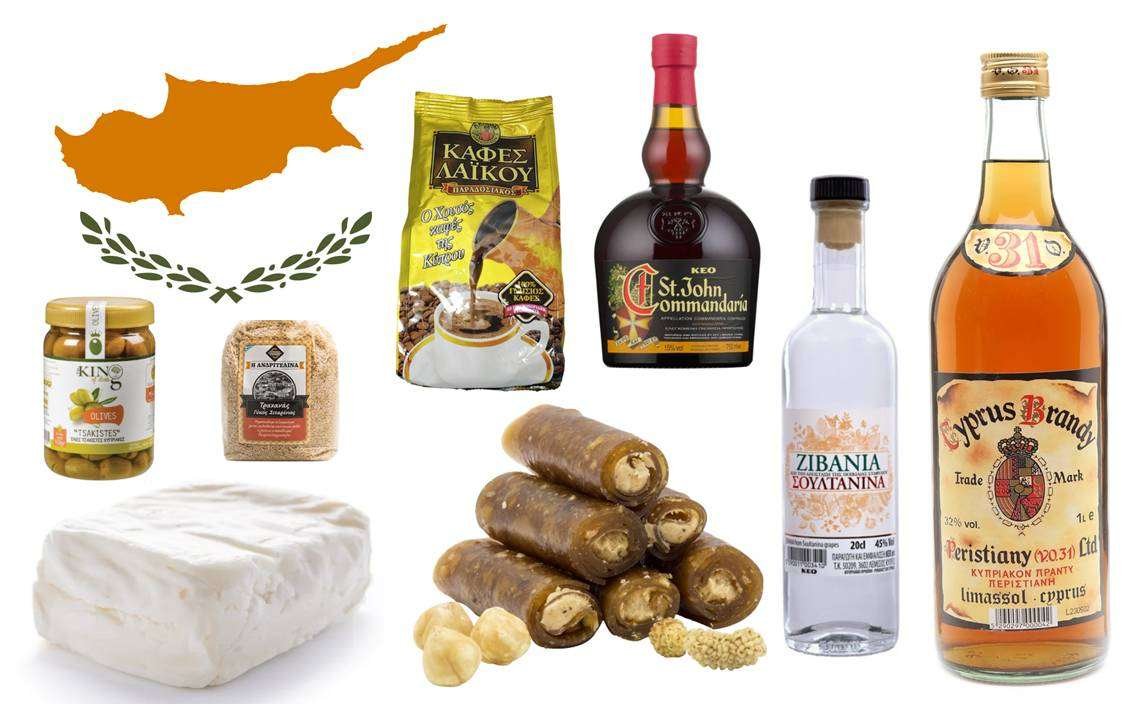
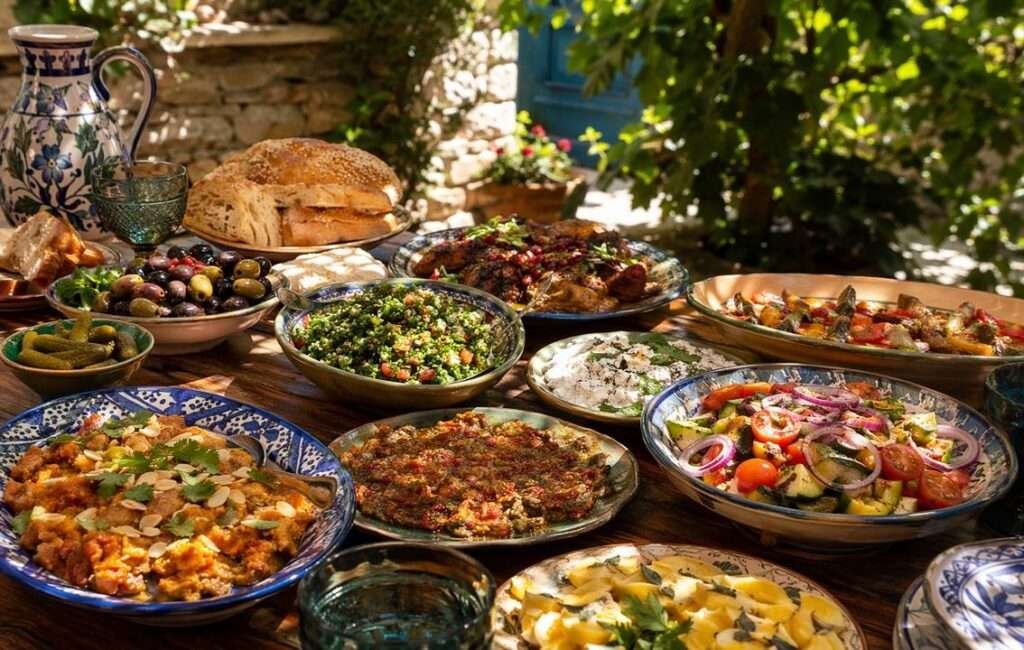
Cyprus’s unique geography has meant that it has been a crossroads between east and west for centuries. Its position as a meeting point for Europe, Asia, and Africa has made it a living hub for agricultural and culinary exchange for millennia. Cypriot food has developed and been shaped by the plants, agricultural products, food technology, and culinary traditions that have been circulated and then refined on the island through the ages.
ACTIVELY SHAPING THE CULINARY RANGE OF THE MODERN MEDITERRANEAN
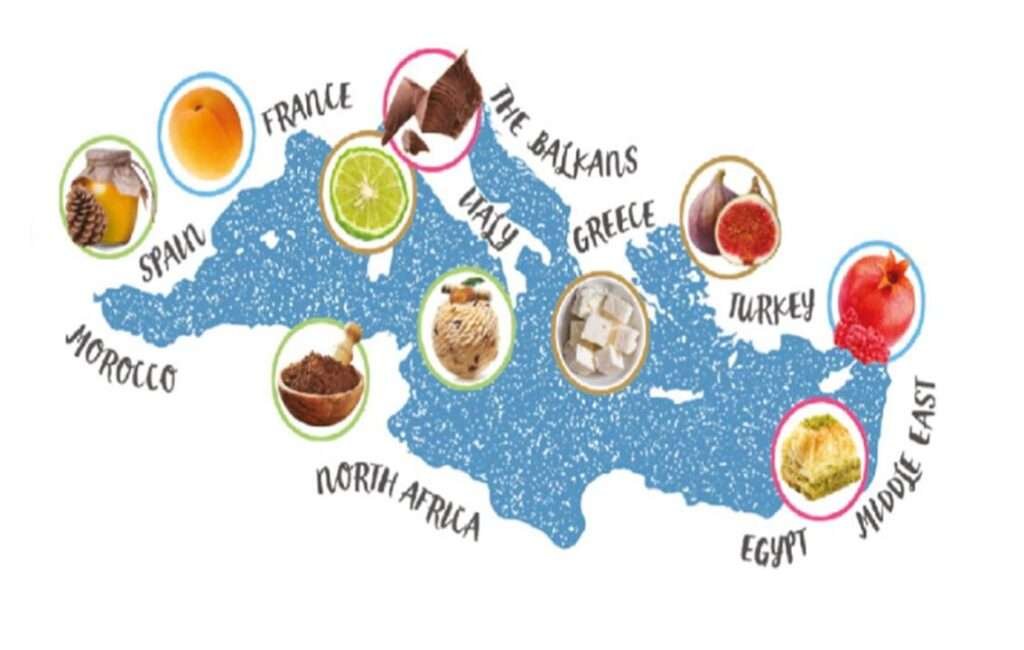
Through this continuous loop of arrival, adaptation, and export, Cyprus has not merely witnessed the history of food, but it has actively shaped the culinary range of the modern Mediterranean. In light of this, Cyprus has not just absorbed cultures, but has acted as a dynamic processing hub where plants, technologies, and traditions were adapted, refined, and redistributed both west across the Mediterranean and east towards Asia and the Middle East.
A BOTANICAL CROSSROADS
Cyprus was a vital stepping stone for the migration of wild and domesticated flora. The Silk Road connection to the island meant that it was also a major hub, which introduced eastern crops, such as citrus fruits, pomegranates, and figs, to the west. New World integration that followed the opening of Atlantic trade routes also meant that Cyprus quickly integrated and naturalised crops from the Americas like tomatoes, potatoes, and taro root, adapting them to arid Mediterranean soils. The island’s isolated yet connected geography also allowed ancient endemic herbs, like Cyprus sage and wild oregano, to be preserved while simultaneously adopting foreign cultivars.
PRESERVATION & FOOD TECHNOLOGY
Survival on a strategic, often-besieged island required advanced food preservation methods. Cyprus became a pioneer in food technology that influenced the wider region. The creation of HALLOUMI is a master class in food preservation. By using mint, which has natural antibacterial properties and a unique twice-cooked brining process, Cypriots created a cheese that could withstand high temperatures without spoiling and could be grilled without melting. Recognised as the world’s oldest named wine still in production, COMMANDARIA utilised the technology of sun-drying GRAPES to concentrate sugars. This created a high-alcohol, stable wine that could survive long sea voyages, making it a highly prized export for the Crusaders and the Venetian merchants of their time. Cypriots also perfected the art of curing meats, such as LOUNTZA and Loukaniko, in wine and coriander. Sun-drying fruits and grape juice into durable sweets like shoushoukos also helped to secure food supplies for trade ships.
A CULINARY SYNTHESIS
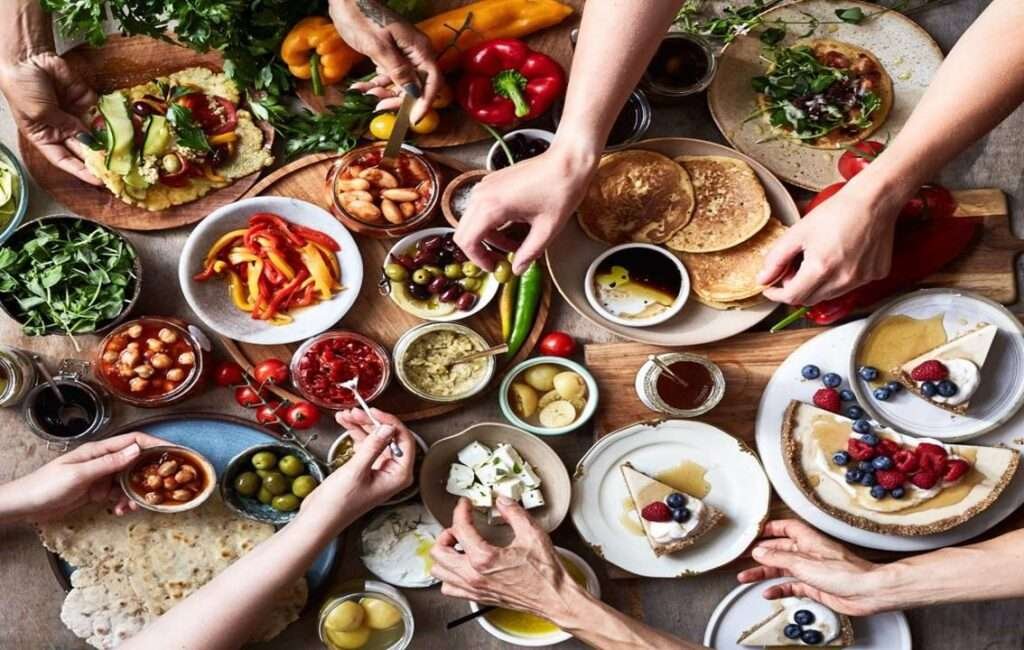
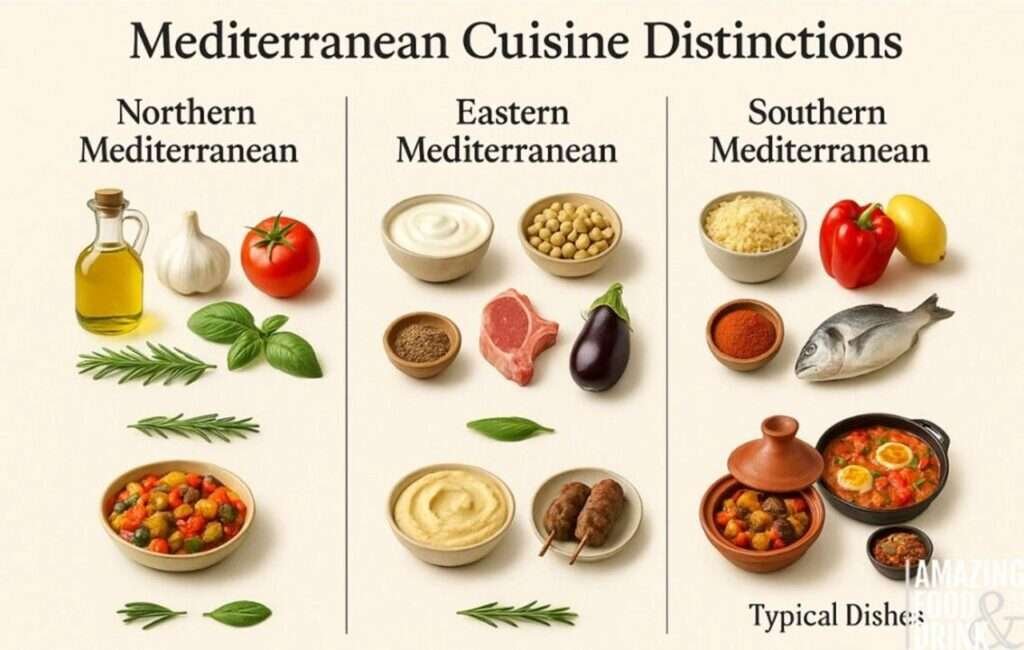
Cypriot cuisine is a palimpsest of the empires that ruled the island throughout the ages, blending cooking techniques into a distinct regional identity. The heavy use of cumin, coriander, tahini, pulses, and STUFFED VEGETABLES originates from Levantine and Middle Eastern cuisines, whilst the foundation of olive oil, wild greens, oregano, lamb, and the reliance on fresh, seasonal ingredients derives from Hellenistic Greek cuisine. The introduction of refined pastry techniques, which include tarts and specifically meat-braising methods, is thought to have originated from Frankish and Venetian cuisines, whilst the development of the meze culture and slow-cooked clay oven dishes like KLEFTIKO has its roots in Ottoman cuisine.