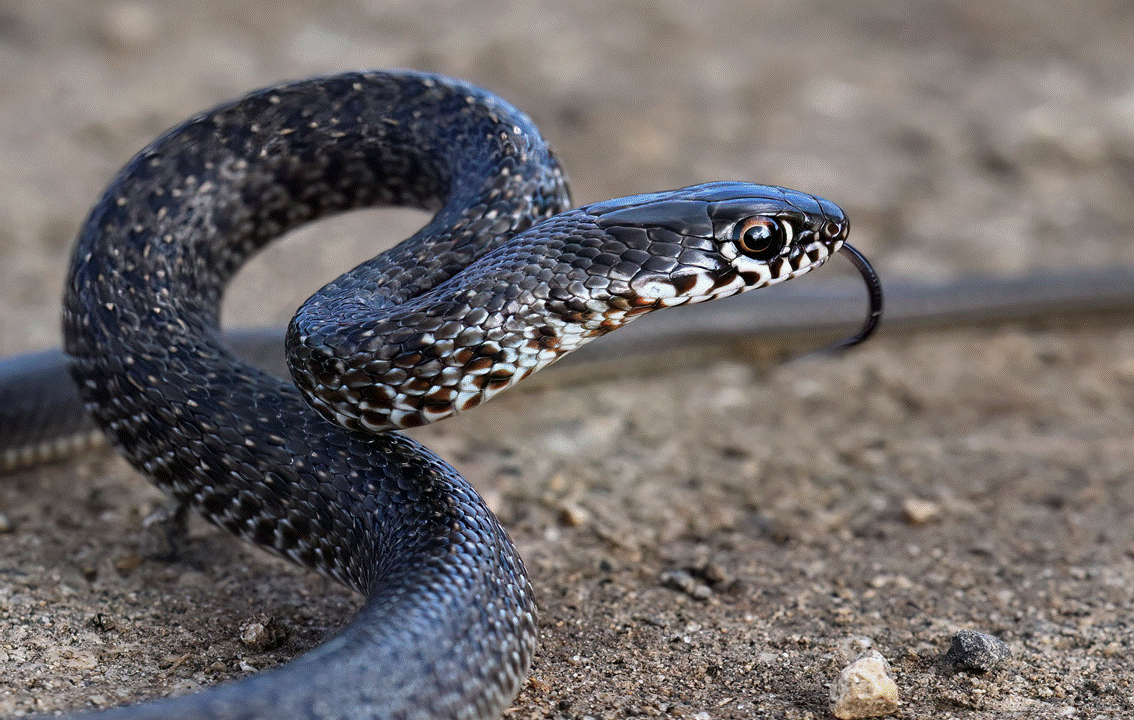
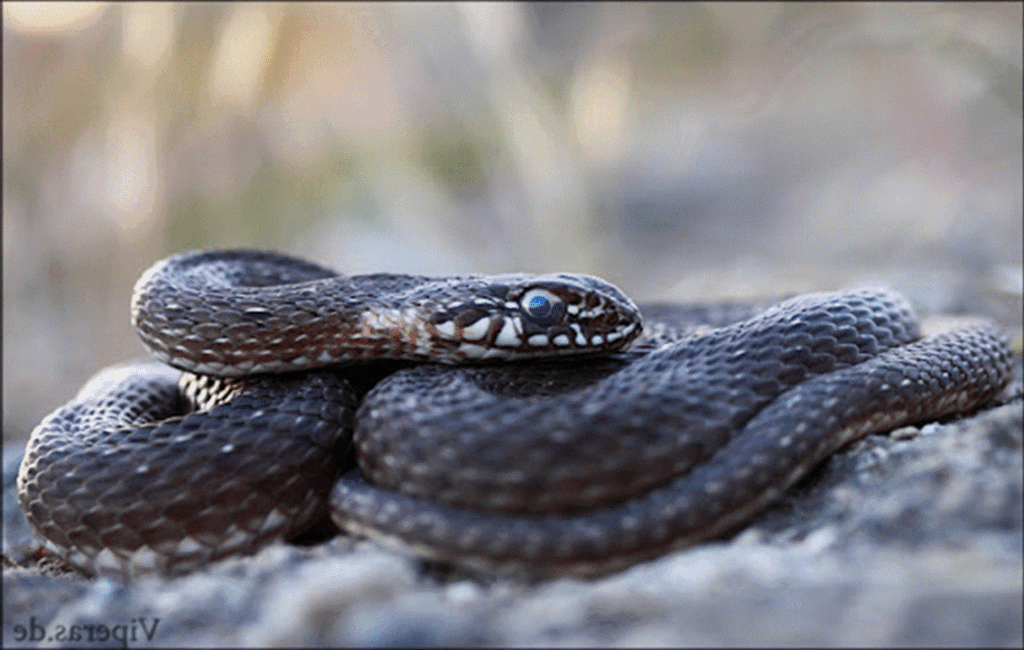
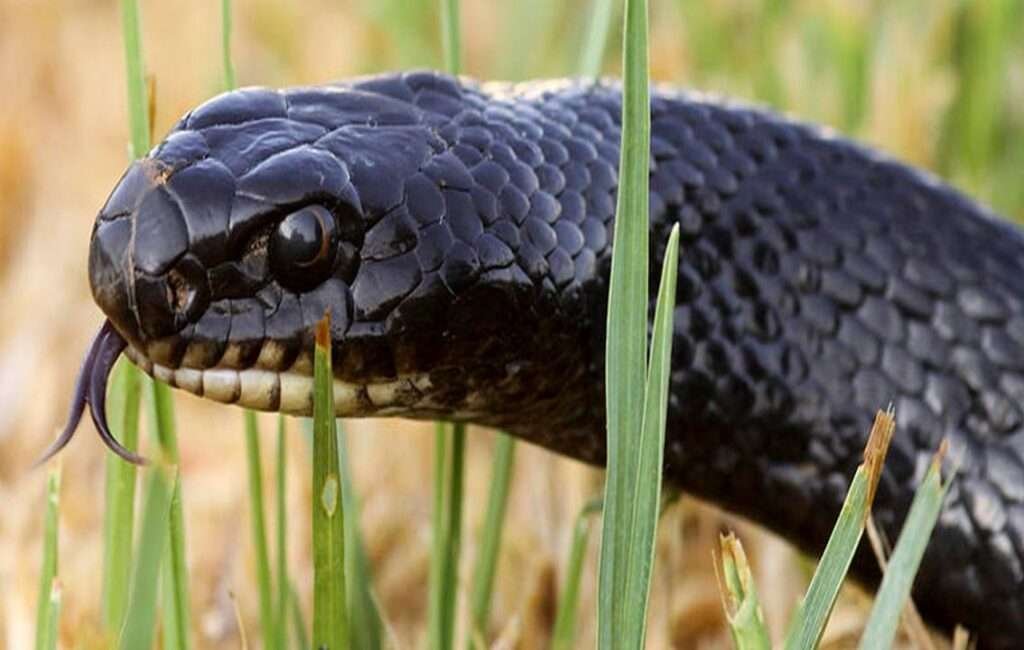
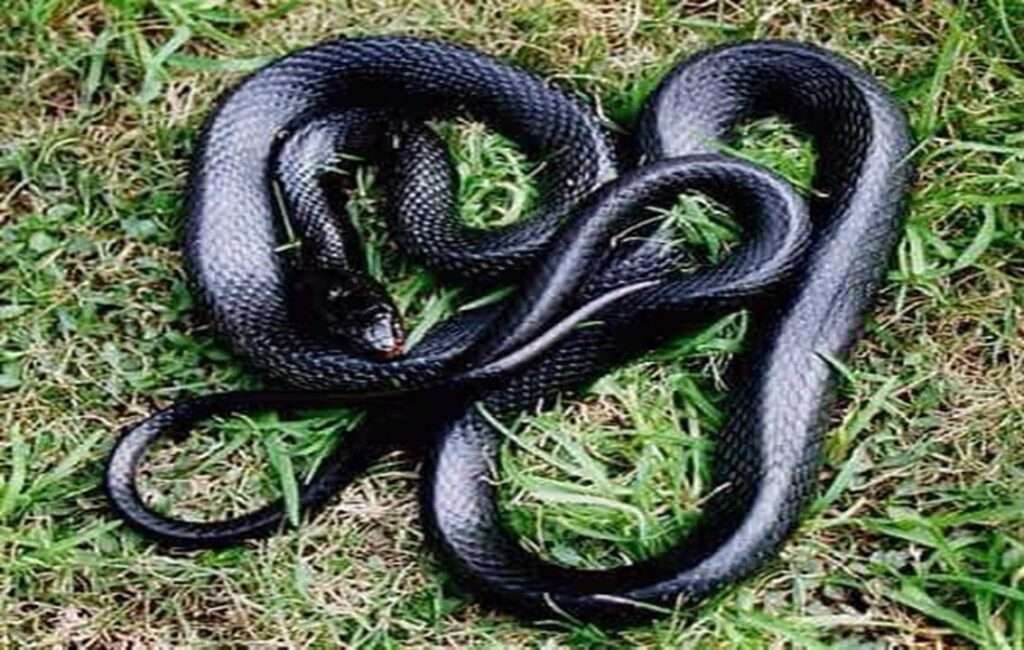
The Cyprus Whip Snake is one of three endemic snakes found in Cyprus. This non-venomous snake, which typically grows up to 1.5 metres in length, can move quickly when necessary. This snake is also a very skilled climber, and it can traverse vertical walls and trees very easily and rather quickly. Previously mistaken for juvenile Black Whip Snakes, it has only recently been identified as a separate species.
A WHIP-LIKE APPEARANCE
This snake, which has large eyes and a pointed snout, gets its name from the shape of its long, agile tail. This gives the snake its whip-like appearance. The coulourations of this snake are typically sandy brown, but then darkens to a near black colour as it matures.
A RARE SIGHTING
These snakes prefer to remain in their natural habitat, which is the rural areas around the Troodos Mountains. They generallyavoid human activity because of this, so sightings of this snake are generally rare. The snake has been known, however, to venture into the Paphos Forest and into some of the villages situated in this area.
NOT CONSIDERED DANGEROUS
Although this snake is not considered dangerous to humans, it will attack if it is threatened or provoked. This snake has been known to inflate its body and then strike repeatedly, whipping its tail in an attempt to deter any potential threats when cornered.
A BRIEF ENCOUNTER
Sightings of the snake usually peak during its breeding season throughout the month of May. This occurs because several boisterous males tend to travel further seeking females. The snake’s encounter during this period is brief, and after they separate, they likely never cross paths again. Females usually lay their eggs in burrows and then abandon them almost immediately. The young snakes, after hatching, then emerge fully formed and capable of fending for themselves.
STEALTH HUNTERS
Largely active during the day, the Cyprus Whip Snake is an effective stealth hunter that uses its speed and agility to great effect. Although it is known in some circles as ‘The Rat Catcher’, it also effectively hunts other snakes, most rodents, lizards, birds, and several large insects. It prefers to remain near shrubs and vegetation around waterbecause of this.
AN AVID CLIMBER
The Cyprus Whip Snake is often found in high tree lines in wait of prey. The avid climber, which often favours trees in rocky landscapes near sources of water, is known to attack most birds and their nests. The Cyprus Whip Snake, like many other snakes, also plays a crucial role in balancing the ecosystem on the island. It helps to keep the numbers down of its main adversary, the BLUNT-NOSED VIPER, which it also hunts as prey.
A PROTECTED SPECIES
Although protected, the numbers of this snake are still falling at a regular rate. The two main factors blamed for the snake’s decline are habitat loss and road mortality. In addition to this, farmers often kill several of them every year. Conservationists hope to ensure the long-term survival of this fascinating and ecologically important snake with a series of initiatives.
CONSERVATION
Initiatives that aim to protect the snake and its natural habitat are now in place. These include several protected areas that have been put in place to ensure a safe environment for the snake. Public awareness campaigns and educational programs are in place. These tell people on a regular basis that these particular snakes pose no threat and that they control the Blunt-Nosed Viper population on the island.