AN ISLAND OF SNAKES
Cyprus was once known in ancient times as Ophiussa, meaning the ‘Abode of Snakes,’ due to a heavy presence of snakes across the island. According to tradition, a severe multi-year drought in the 4th century caused venomous snakes to multiply and overrun the island, forcing many residents to flee. Saint Helena, who was the mother of Emperor Constantine the Great, is said to have then shipped thousands of cats from Egypt and Palestine to the island to help eradicate the rampant snake population.
The cats were housed near Cape Gata at what became the HOLY MONASTERY OF SAINT NICHOLAS OF THE CATS, where bells were historically used to call them to meals and hunting duties. This cat strategy seems to have worked, as snakes are now relatively rare on the island. This is partly because Cyprus still maintains a massive cat population that currently outnumbers the island’s human population.
Although often shunned, the eleven main snake species, which include three that are native to Cyprus, are currently protected under Cypriot law. This is because they help to maintain a natural balance in rural areas by controlling the numbers of rodents and pests. In light of this, they are all considered beneficially important to the ecosystem on the island.
Although these snakes generally stick to their preferred habitat and avoid human-populated areas, they may still be encountered on a hiking trail or during a visit to the mountains. The month of May is when most snake encounters occur. This is because most snake species become active during their main mating season. It is important to remember that snakes will often avoid human confrontation, promptly fleeing the scene.
Most snake species in Cyprus are mainly active during spring and autumn. During this time, they normally remain in their natural habitats, which mostly include overgrown rural or rocky areas. Some non-venomous species, however, have been known to venture into inhabited areas, mainly during the night in search of water or prey. The best policy when encountering a snake is to leave it well alone! It is important to remember that a snake will only choose to attack if it feels threatened or is cornered iin some way.
THE 11 MAIN SNAKE SPECIES OF CYPRUS
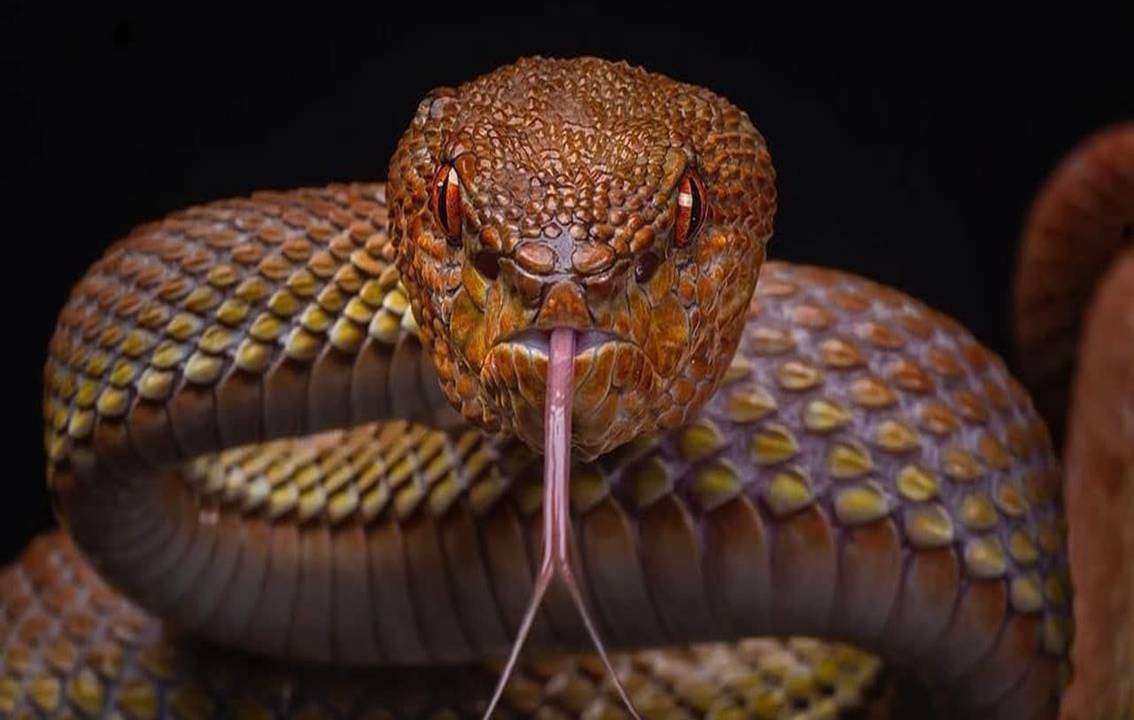
Blunt-Nosed Viper: (Macrovipera lebetina lebetina) Known locally as Ochia, Fina, or Kontonoura, it is the only highly venomous snake in Cyprus. Also known as the Levantine Viper, it can reach up to 1.5 metres in size and hunts by lying in a state of camouflage, striking its prey fast. Although this snake poses a threat to humans, it will only attack if threatened or accidentally stepped on, and all Cyprus hospitals stock an effective anti-venom. The BLUNT-NOSED VIPER inhabits rocky gorges, river valleys, and some agricultural areas.
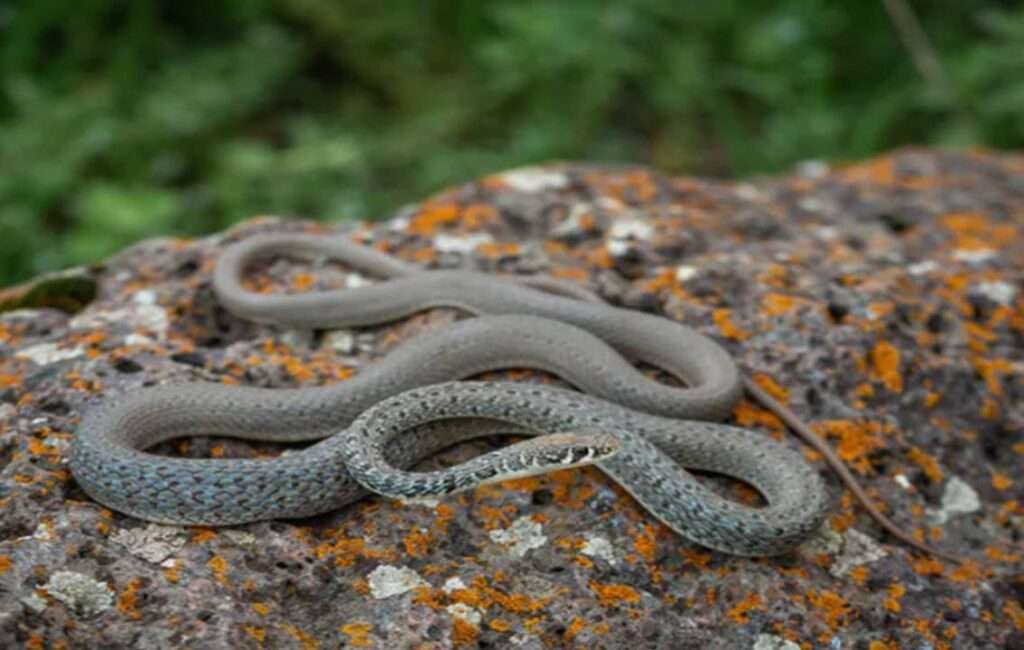
Dahl’s Whip Snake: (Platyceps Najadum) A fast-moving, non-venomous snake that belongs to the family Colubridae. Stretching from the Balkans across the Middle East and into the Caucasus and Central Asia, this elegant diurnal predator spans a highly diverse geographic range. This snake prefers dry, open, and xeric environments, including rocky terrains, deserts, open woodlands, scrublands, stone walls, and agricultural fields. They feature an incredibly slim, whip-like body, a narrow head, and large eyes with completely round pupils. Adults can typically measure up to 1 metre in length, though exceptional individuals can grow larger. Their bodies are defined by an olive, grey, or reddish-brown tint. They are easily diagnosed by a distinct series of dark, blackish spots rimmed with light white borders running down the sides of their neck and anterior body, fading towards the rear. This species relies entirely on its exceptional eyesight and high speed to capture prey, which primarily consists of lizards, alongside small mammals, grasshoppers, and small birds. They are harmless to humans and prefer to flee when disturbed. Females are oviparous, typically producing clutches of between 3 to 16 eggs.
The Ring-headed Dwarf Snake: (Eirenis modestus) This pencil-thin, small, completely non-venomous, harmless colubrid snake, which averages up to 70 cm in total length, is also found on the islands of the Aegean Sea, Anatolia, and the Caucasus region. The smooth-scaled upper body is typically a uniform yellowish-brown, greyish-brown, or reddish-brown with a glossy, pearly white belly. Young snakes have a distinct large black blotch on top of the head, often containing a light W shape and a dark, crescent-shaped collar around the neck. These markings frequently fade or disappear entirely as they transition into adulthood. These snakes also possess round pupils, which is a hallmark characteristic separating them from venomous vipers in their geographic range, which have vertical pupils. They thrive in dry, rocky, or grassland settings, and they are typically found in sparsely vegetated areas, dry shrublands, open woodlands, agricultural land, and amongst stony ruins. Often sheltering beneath flat stones or deep within rock crevices, sometimes in small communal groups during the heat of the day, they often become active at twilight, dawn or dusk, hunting a range of arthropods and invertebrates, such as insects, centipedes, and spiders that are found under stones. Females typically lay a small clutch of between 3 and 8 eggs early in the summer, with typical hatchlings emerging at a tiny size of just under 12 cm. These snakes are exceptionally calm and are completely non-aggressive. if disturbed by humans, their primary instinct is to quickly flee and find a crevice to hide in.
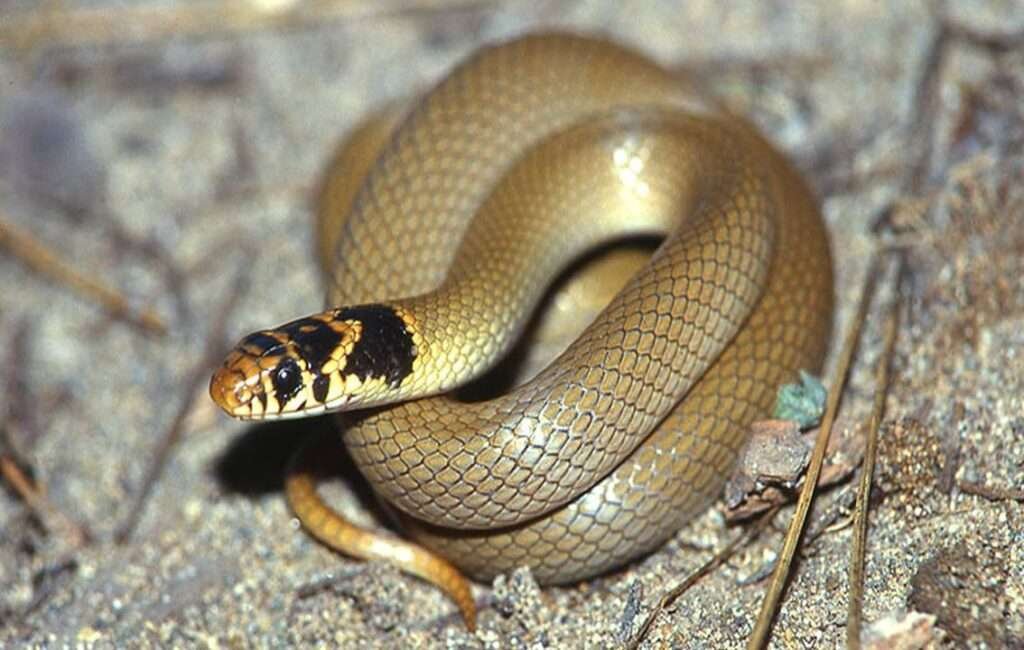
Montpellier Snake: (Malpolon insignitus) This large snake is found in a variety of habitats across the island. Although mildly venomous, this snake poses no serious threat to humans. This snake feeds on various lizards, birds, and small mammals.
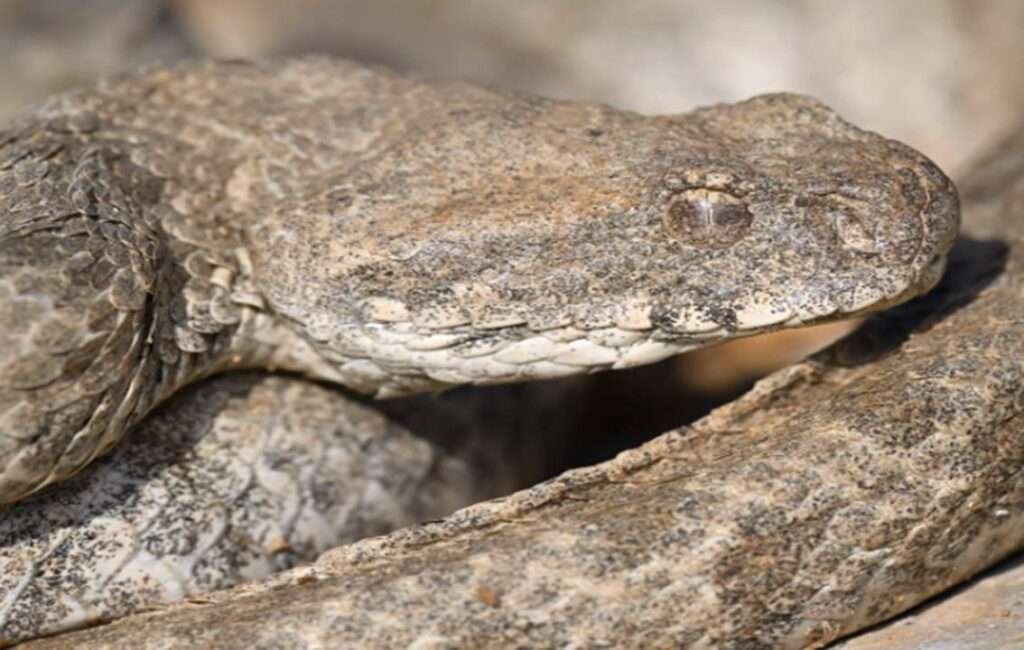
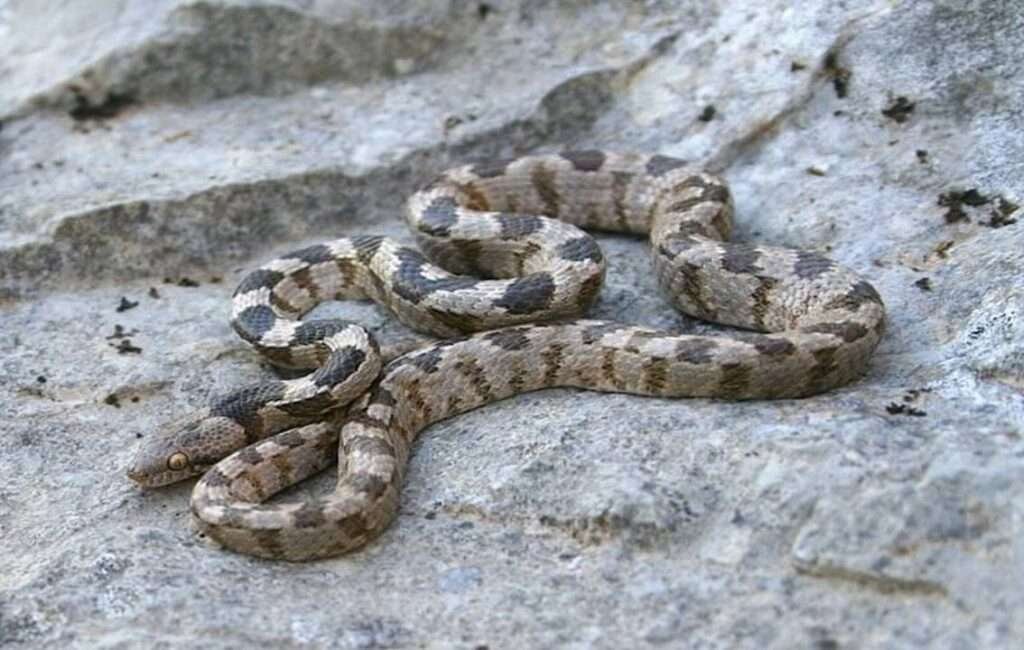
Cyprus Cat Snake: (Telescopus fallax cyprianus) A small, mildly venomous snake that is generally nocturnal. This snake, known for its cat-like eyes, is light grey with darker patches in colour, and mostly feeds on small rodents and birds.
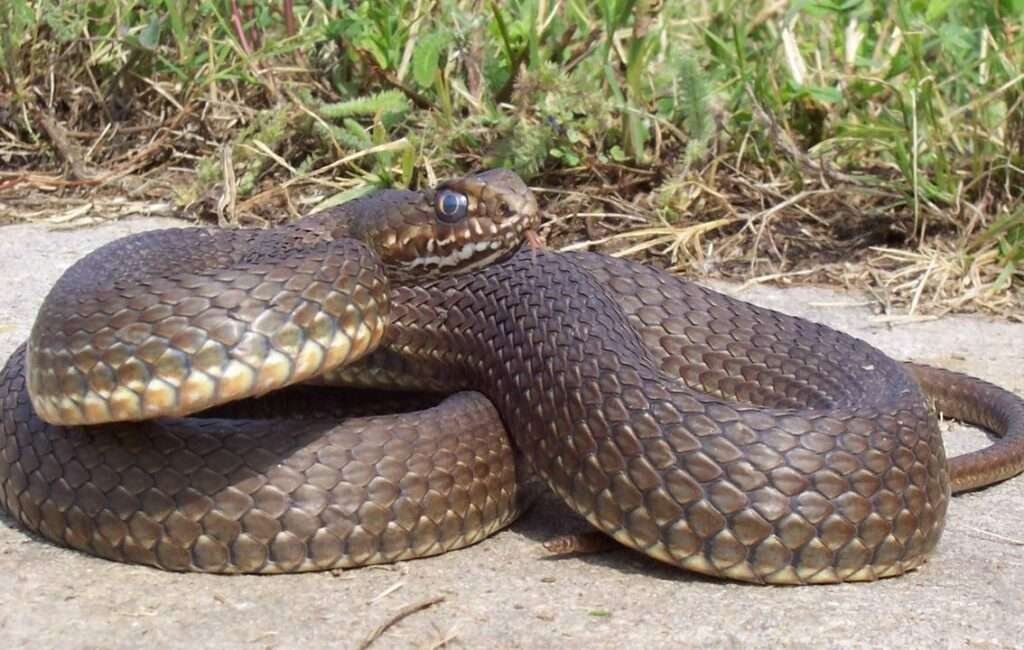
Cyprus Whip Snake: (Hierophis cypriensis) is one of the two species native to Cyprus. This fast-moving snake is found in a variety of habitats across the island, although it primarily inhabits rocky and woodland habitats near water. This snake, which can grow up to 1 metre in length, resembles juvenile Large Whip Snakes so much that it was only recently defined as a separate species. Generally dark brown or black in colour, this non-venomous snake primarily hunts other snakes, small mammals, Lizards, birds, amphibians and large insects using constriction. The CYPRUS WHIP SNAKE is an avid climber, so it is often found in high areas or treelines. This extremely agile snake is also very important to the local ecosystem because it hunts the BLUNT-NOSED VIPER. It can also easily climb vertically, so is adept at climbing over walls and up trees at speed. In light of this, it is often found in trees raiding nests for nestlings and eggs. This snake can be aggressive and will attack humans if provoked.
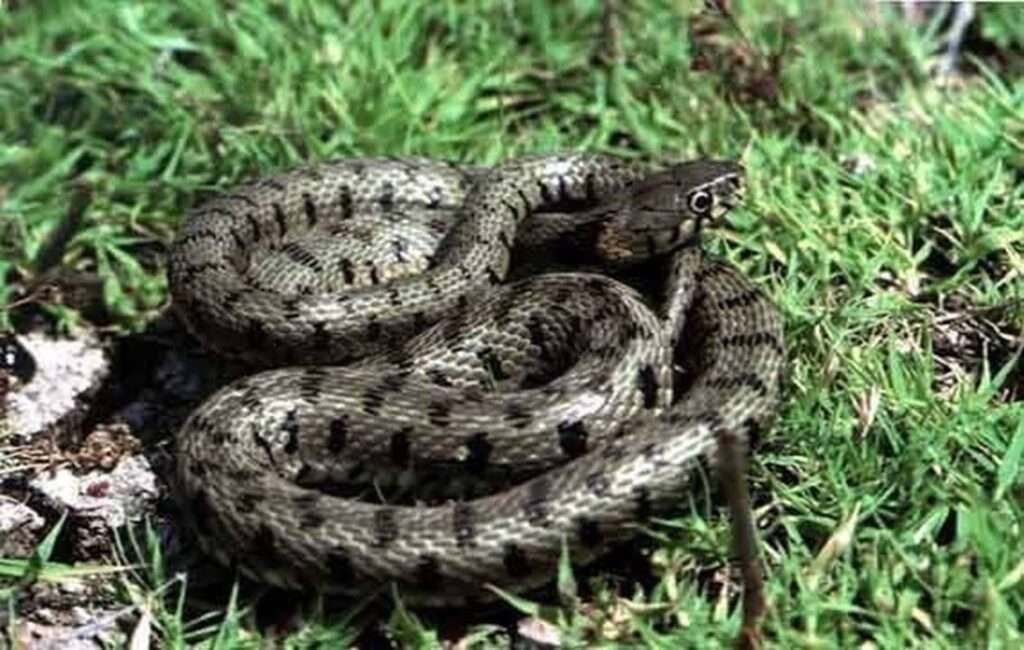
Large Whip Snake: (Dolichophis jugularis) As the most common snake in Cyprus, the Large Whip Snake, also known as the Black Whip Snake, is largely found in all areas across the island. With its long body measuring up to three metres, it remains Europe’s longest snake. This very long, slender, fast-moving non-venomous snake is generally Black, dark brown, or dark grey in colour. Juvenile Large Whip snakes, however, tend to be lighter in colour than the adults. This non-venomous snake is very important to the local ecosystem because it hunts other snakes, small mammals, Lizards, birds, and large insects using constriction. This fast-moving predator can also climb vertically, so is adept at climbing over walls and up trees at speed. In light of this, it is often found climbing trees to raid nests for nestlings and eggs. This snake generally avoids human contact, and if encountered, its first instinct is to flee the scene as quickly as it can.
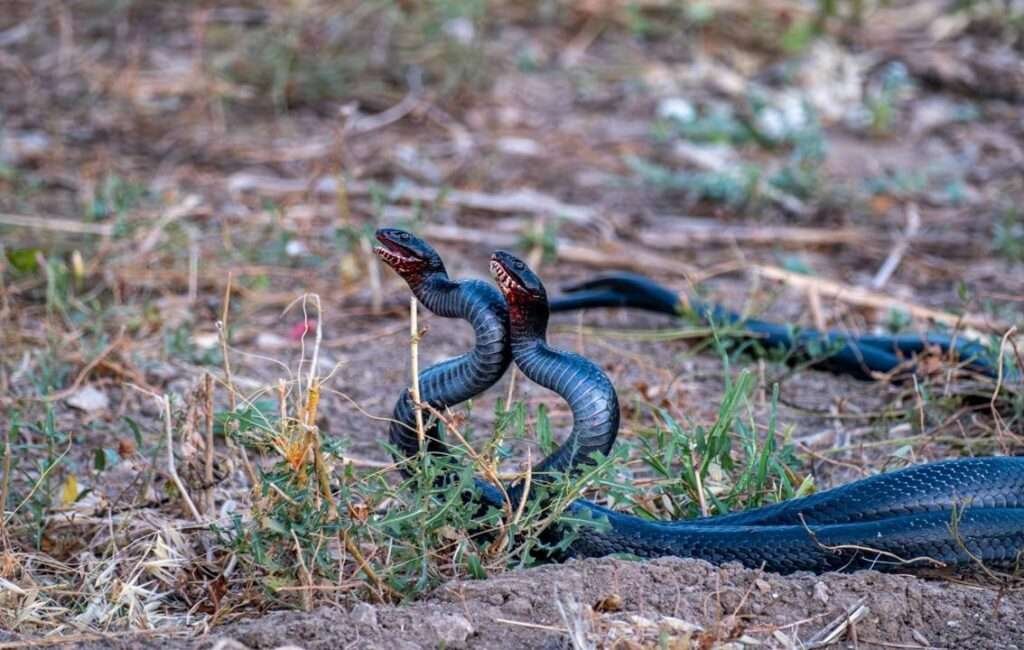
Coin Snake: (Hemorrhois nummifer) Often mistaken for the larger viper due to its markings, this non-venomous snake is also known as the Ravergier’s whip snake.
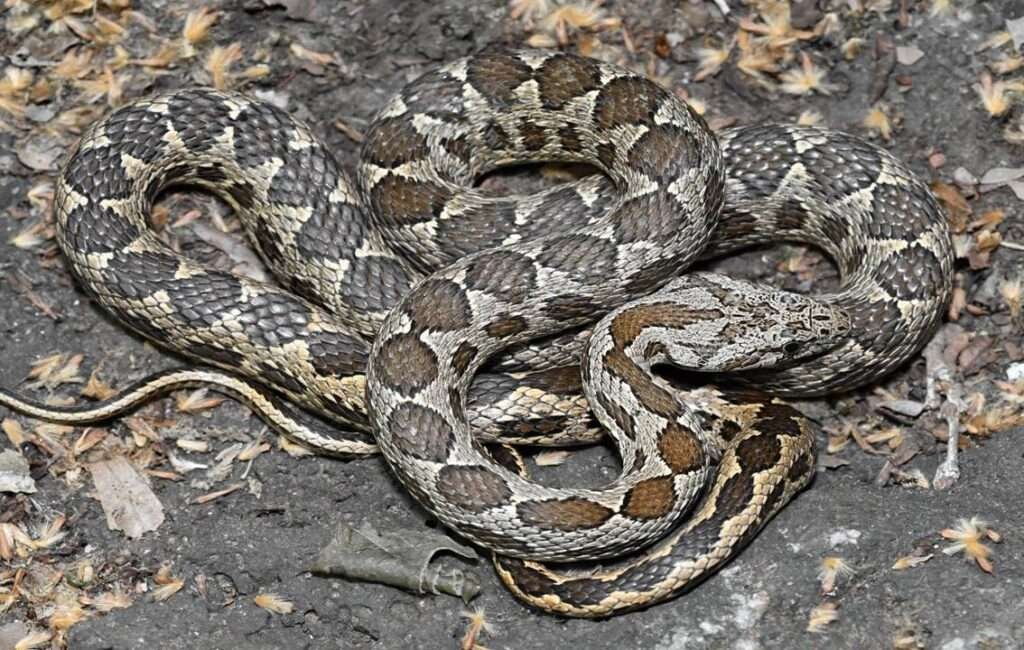
Cyprus Grass Snake: (Natrix natrix cypriaca) This non-venomous snake is commonly found in wetland areas. Known locally as Nerofido, this snake mainly feeds on fish, frogs, and other small animals.
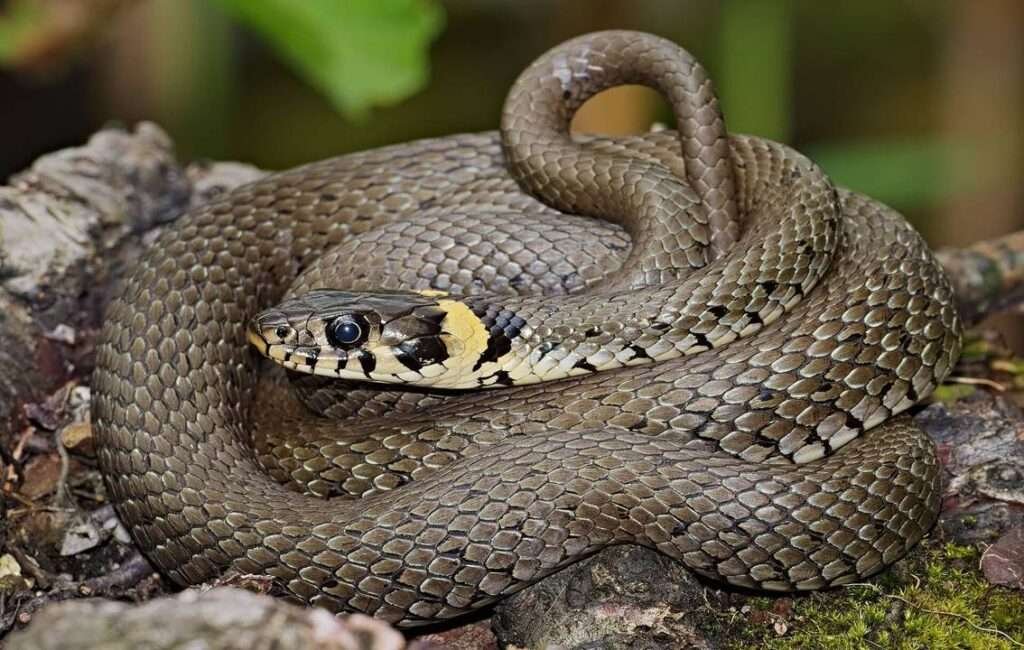
False Smooth Snake: (Macroprotodon cucullatus) This small, non-venomous snake is found in rocky areas and mainly feeds on lizards and insects. Although it does possess venom, this rear-fanged colubrid is not considered dangerous to humans.
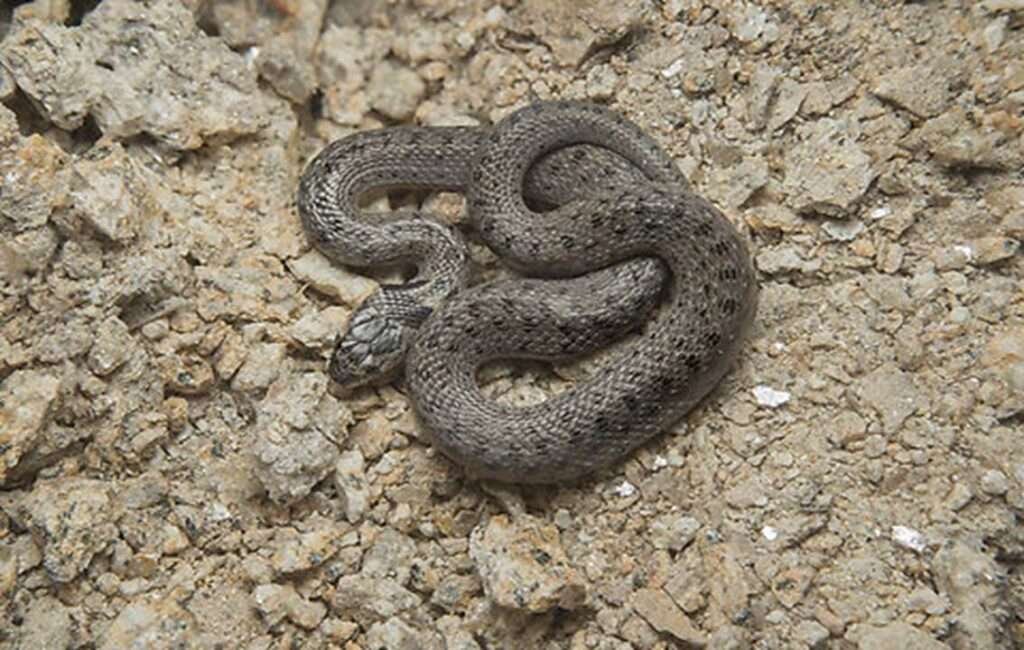
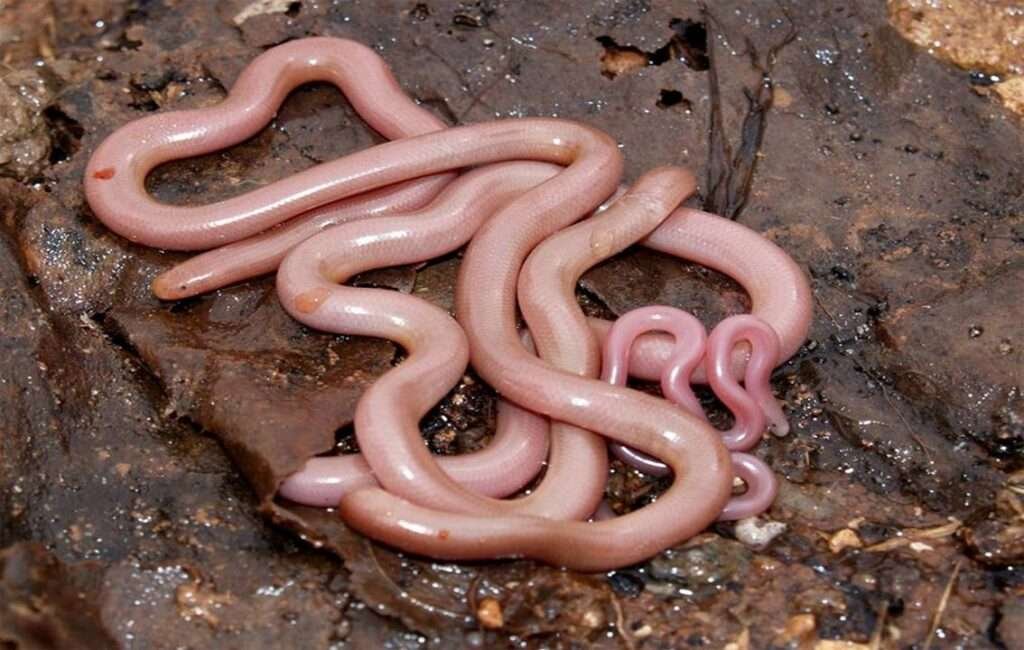
Pink Worm Snake (Typhlops vermicularis) A tiny, burrowing, non-venomous snake that resembles a large worm.
KEY INFORMATION
GENERAL RULES WHEN ENCOUNTERING A SNAKE
A snake will rarely attack a human, but will defend itself if it is provoked or feels threatened. A good policy is to leave a snake alone if it is discovered. Snakes will generally leave of their own accord once they sense human activity.
THE MOST DANGEROUS SNAKE
The Blunt-nosed Viper is the only snake on the island that poses a serious risk to humans. The Montpellier, Cyprus False Smooth Snake, and Cyprus Cat Snake also have mild, non-lethal venom.
THE MOST COMMON SNAKE
The Large Whip Snake is the most common snake species found in Cyprus.
ENDEMIC SPECIES
The Cyprus Whip Snake, the Cyprus Cat Snake, and the Cyprus Coin Snake are all unique and indigenous species to the island.