CYPRUS’S UNIQUE RUBBERY CHEESE
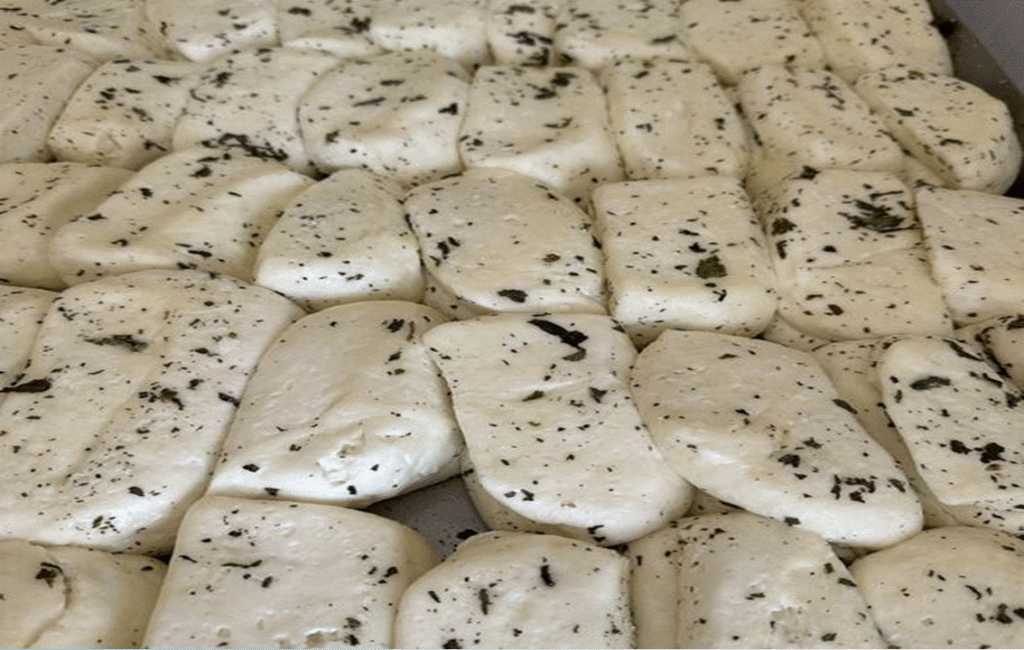
WHY IS HALLOUMI SPECIAL?
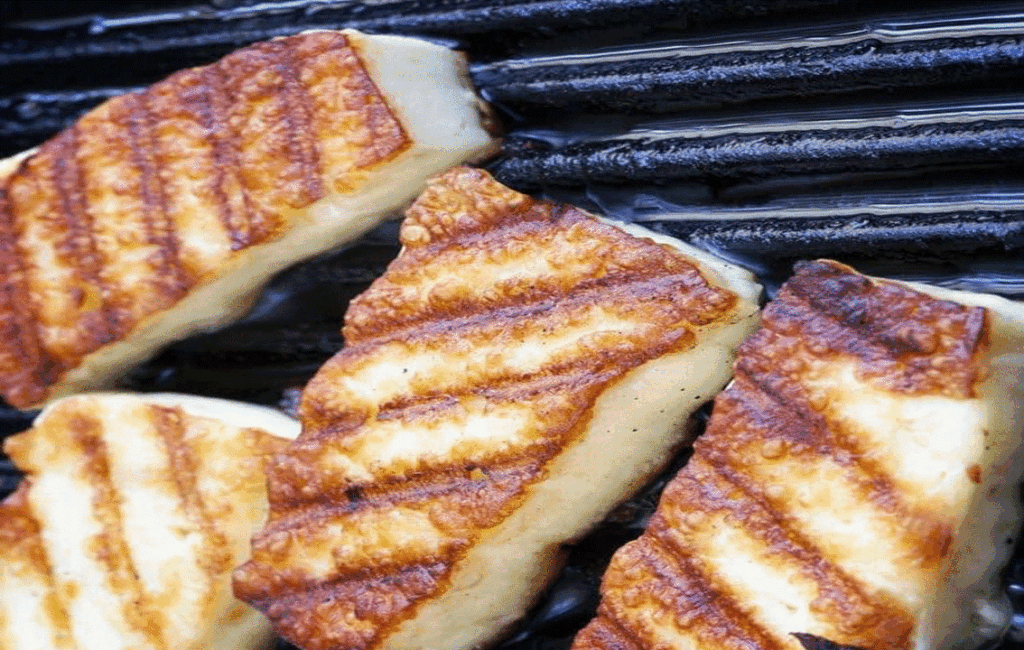
This unique Cypriot cheese is known for its often rich flavour and high melting point. This allows it to maintain its shape, offering a creamy yet squeaky, chewy interior with a golden-brown crust when barbecued, pan-fried, or grilled. High in protein, this versatile cheese has also served as a popular Cypriot meat substitute across the island throughout the ages. Although halloumi is traditionally made from a combination of sheep or goat milk, modern takes on this unique cheese also include cow’s milk.
KEY CHARACTERISTICS
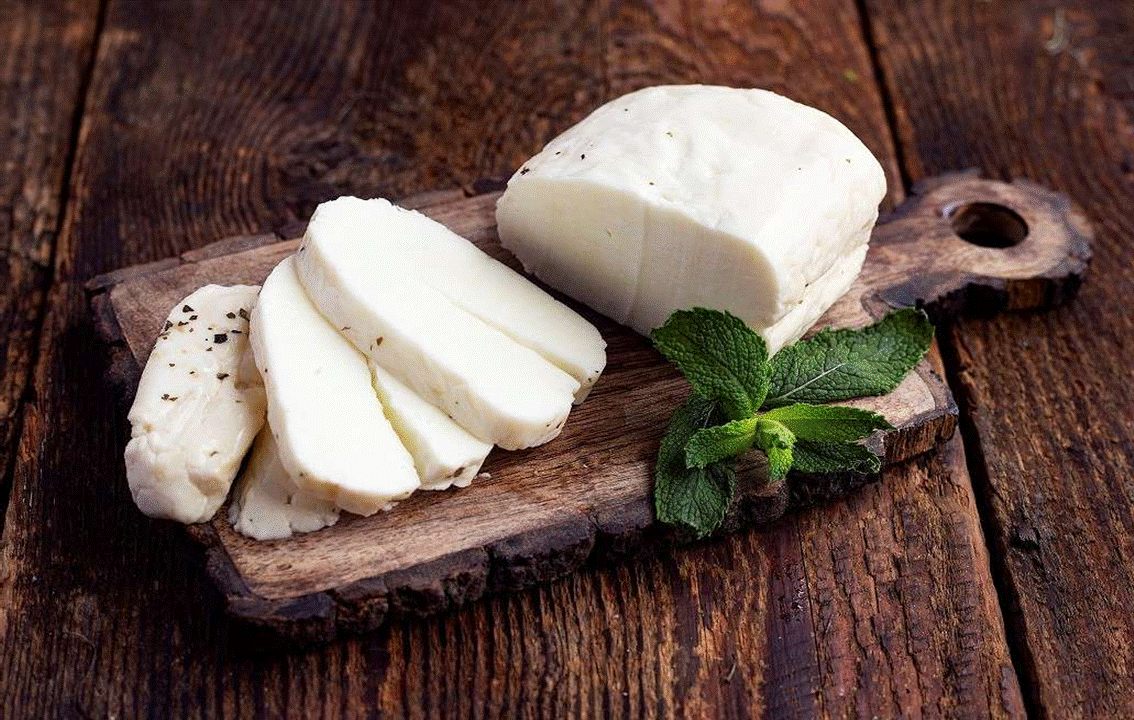
No Rind: Halloumi is a white, brined, unripened cheese that maintains a consistent texture throughout.
Production Process: Halloumi lacks an acidic starter culture in its initial production phase. This prevents bacteria from destroying the calcium links that keep the cheese firm.
High Melting Point: A specialised production process, where curds are cooked in hot whey, allows halloumi to remain firm at high temperatures.
Nutritious Protein: Halloumi offers a high-protein, high-calcium food that acts as a substantial meat alternative for several vegetarian diets.
Unique Texture: The semi-hard, elastic texture of halloumi cheese creates a distinctive squeaking sound against the teeth when chewed.
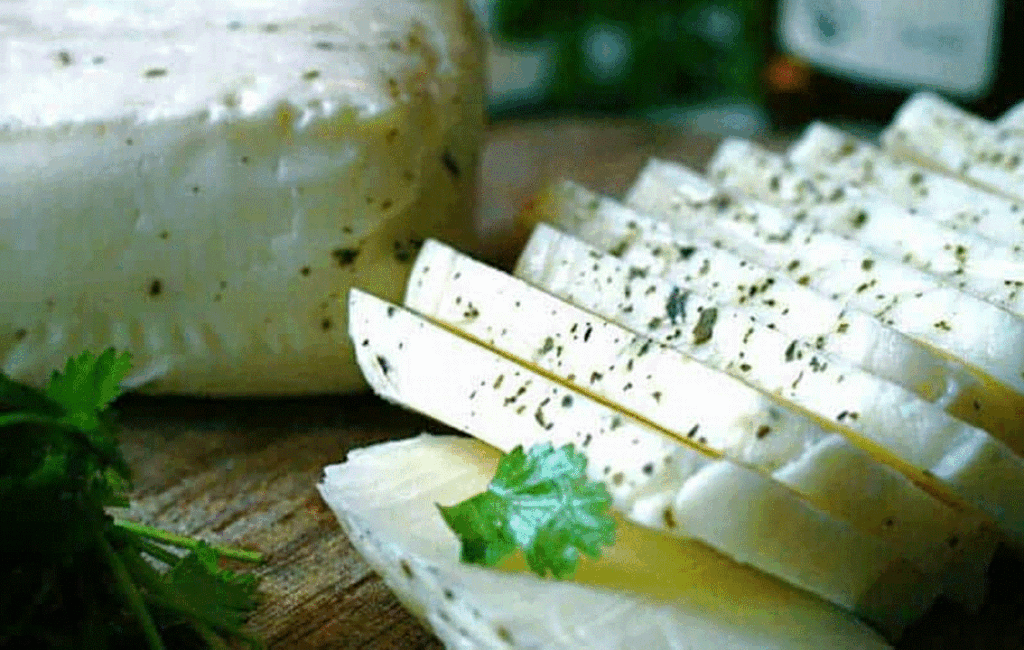
Unique Flavour: Traditionally cultivated in a brine, halloumi often has a firm, salty taste. Other versions of the cheese are often folded with dried mint. This adds a fresh, distinctive aroma and flavour.
High Versatility: Although halloumi is commonly grilled or fried to develop its caramelised, crispy exterior for salads, burgers, or sandwiches, it can also be consumed raw when fresh.
A DEEP-ROOTED HISTORY
Halloumi cheese is a culinary delight that is sure to please even the most discerning cheese lovers. With its origins dating back nearly 2,000 years, it has a deep-rooted history in Cyprus. It all began when Cypriots of old decided to use a combination of sheep and goat milk to produce a long-lasting cheese. With no refrigeration, this would go on to supplement their simple yet varied diet throughout the year.
A CYPRIOT STAPLE
Today, Halloumi Cheese has become a Cypriot staple that is consumed across the island. Although the recipe, as well as the main ingredients, have remained the same throughout the ages, local cheese makers have recently added a proportional amount of cow’s milk to their production. This has allowed them to perfect the delicate balance of its flavours and textures that have made Halloumi Cheese what it is today.
A UNIQUE TEXTURE
This flavourful and in many ways versatile cheese sets itself apart from others. This is because of its unique taste, texture, and cooking properties. Although often consumed raw, this cheese can also be grilled or fried to perfection. This allows the cheese to complement a typical Cypriot breakfast, as well as several other Cypriot meals. Halloumi, unlike other cheeses, does not lose its consistency, maintaining its firm, slightly rubbery consistency when heat is applied to it.
A VERSATILE INGREDIENT
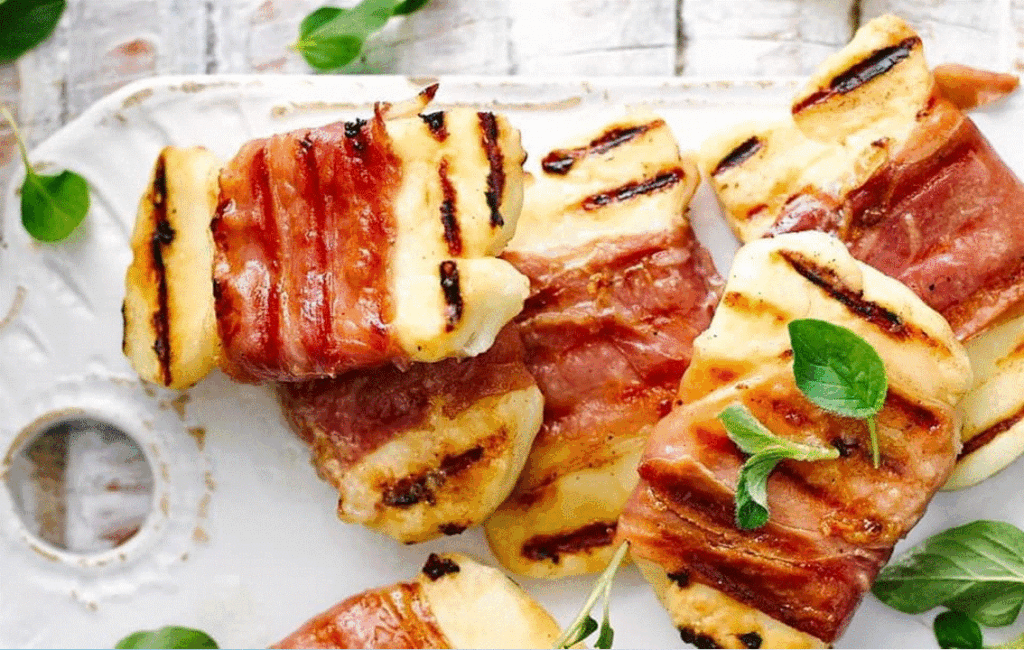
Although halloumi cheese is often enjoyed in its simplest form on its own, it is also used to supplement a whole host of other Cypriot DISHES and delicacies. This versatile ingredient is used in a variety of mainstream Cypriot dishes that include soups and pasta-based dishes. It also forms an obvious ingredient for the infamous Cyprus sandwich. It is also used to supplement a variety of Cypriot salads and forms an intricate part of a traditional Cypriot breakfast. As the cheese pairs well with a variety of flavours and spices, it has also become a popular choice for modern fusion cuisine the world over. This has allowed it to gain in popularity internationally. Several chefs and food enthusiasts now include halloumi in many of their signature dishes, often embracing its unique taste and cooking properties.
HEALTH BENEFITS
One of the key health benefits of halloumi cheese is its high protein content. This supports both muscle growth and repair. Halloumi cheese has also become a great supplement for vegetarians seeking extra protein in their diets. Like all dairy products, it is also a good source of calcium. This has made it an essential supplement for strong bones and teeth. Calcium, which also plays a role in nerve function and muscle contractions, helps to prevent osteoporosis and other bone-related conditions. Halloumi cheese is also a good source of zinc and is rich in vitamins A and B12.
AN ARGUMENT ABOUT MILK
MAINTAINING AUTHENTICITY & QUALITY
Currently worth one billion euros per year to the Cypriot economy, the halloumi industry as a whole remains very important. Cyprus officials, as a result, have introduced a series of safeguards to maintain both the product’s authenticity and quality. One of these measures, however, has become a major point of contention for dairy farmers and cheesemakers across the island, who have constantly raised concerns about some of these regulatory changes to the key ingredients of the cheese.
A TRADITIONAL RECIPE
The milk ratios of halloumi cheese matter because they impact both the structure and flavour of the cheese. Traditionally, halloumi cheese was made with an exclusive mixture of milk that consisted of an approximate ratio of 70% goat’s milk and 30% sheep’s milk. The curds produced were then folded by hand and then stored in a salted mint-based brine. The goat and sheep milk mixture contributes to a firm structure, a distinct tang, and a sharper flavour. The higher fat content of both the goat and sheep milk mixture also renders out during cooking, helping to create the signature golden-brown crust.
A SERIES OF NEW REGULATIONS
As time wore on, however, cow’s milk was gradually added to the goat and sheep milk formula. This created a different type of halloumi cheese that is more akin to today’s product that now exists on the European Union Protected Designation of Origin register. Although it does not state a specific ratio, the official European Union Protected Designation of Origin states that the goat and sheep milk mixture combined must measure at least 51%. This means that authentic Halloumi requires that the sheep and goat milk mixture exceeds any addition of cow’s milk by at least 1% to be deemed authentic.
A MILDER FLAVOUR PROFILE
The modern commercial production of halloumi cheese today uses cow’s milk, which equates to at least 49% of its composition. Although this has it has stabilised seasonal shortages of both sheep and goat milk and made the product more commercially viable by making the cheese more cost-effective, this composition has yielded a milder flavour profile.
A GOOD CHEESE OPTION
Offering high levels of protein and calcium and being very low in sugar, Halloumi is generally safe for people with diabetes when consumed in moderation. However, its high levels of saturated fat and sodium mean it should be consumed sparingly, particularly for those managing high blood pressure or heart health.
Blood Sugar Impact: With very low carb content, halloumi does not cause rapid blood sugar spikes. Its fat and protein content can help slow digestion and prevent post-meal sugar spikes.
Salt Impact: Sodium intake for halloumi cheese is high, increasing the risk of high blood pressure. With this in mind, serving sizes should be kept moderate.
Saturated Fat: Halloumi cheese is high in saturated fat. With this in mind, consumption should be managed within a balanced diet.
Portion Control: Pairing: Combine with fibre-rich foods like leafy greens, vegetables, or whole grains to create a balanced meal.
Preparation: Grilling or baking, as opposed to frying, avoids any additional fats.
In summary, halloumi is a filling, nutrient-dense protein source that fits within a healthy, varied diet. Moderation is key, however, due to high salt and fat levels.