A PRICKLY FRUITY AFFAIR

CONSIDERED A CYPRIOT DELICACY
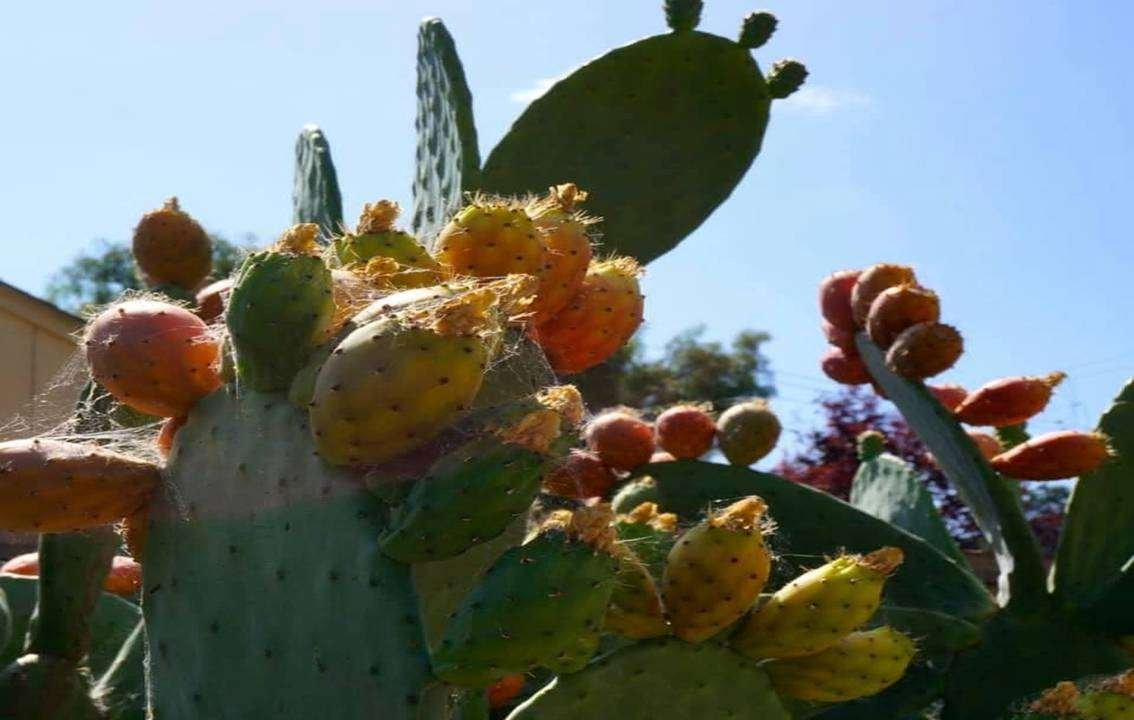
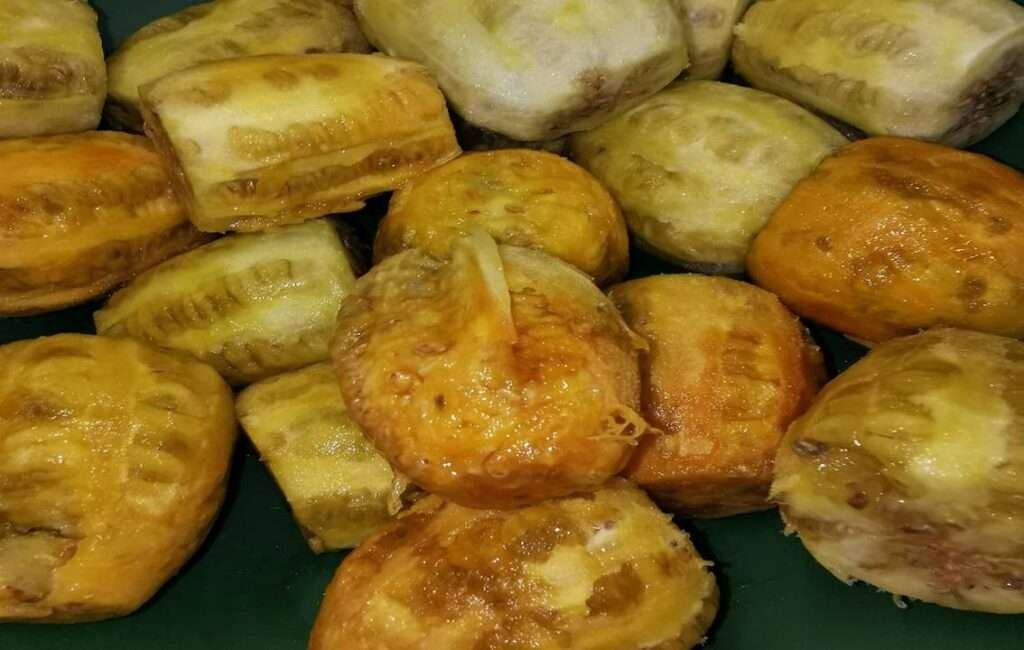
Although the prickly pear Opuntia ficus-indica, also known as the shoe fig, has become an iconic summer fruit in Cyprus, most Cypriots still consider it more of a delicacy. The cactus pads that resemble the sole of a shoe often feature a bright colouful red, orange, or yellow exterior. They tend to have a sweet, juicy, soft interior that often tastes like a refreshing mix of watermelon and strawberry.
ONCE NEARLY IRADICATED
At one point, the prickly pear in Cyprus almost destroyed livestock across the island. This is because farm animals that once largely roamed free, ate the fruits directly from the cactus. They did this in such great numbers that they eventually died because of all the needles in their intestines. In light of this, farmers of old began to uproot the plant, nearly eradicating it from the island.
A SUMMER FRUIT
The fruit of the prickly pear cactus, which typically ripens from mid-July through September, is harvested carefully in the early morning using leather gloves. Metal tongs are then used to handle the sharp thorns and microscopic glochids. Prickly pears are usually consumed chilled, and are also used to create juices, jams, candies, salads, and liquors, such as Maltese Bajtra.
A NEW THREAT
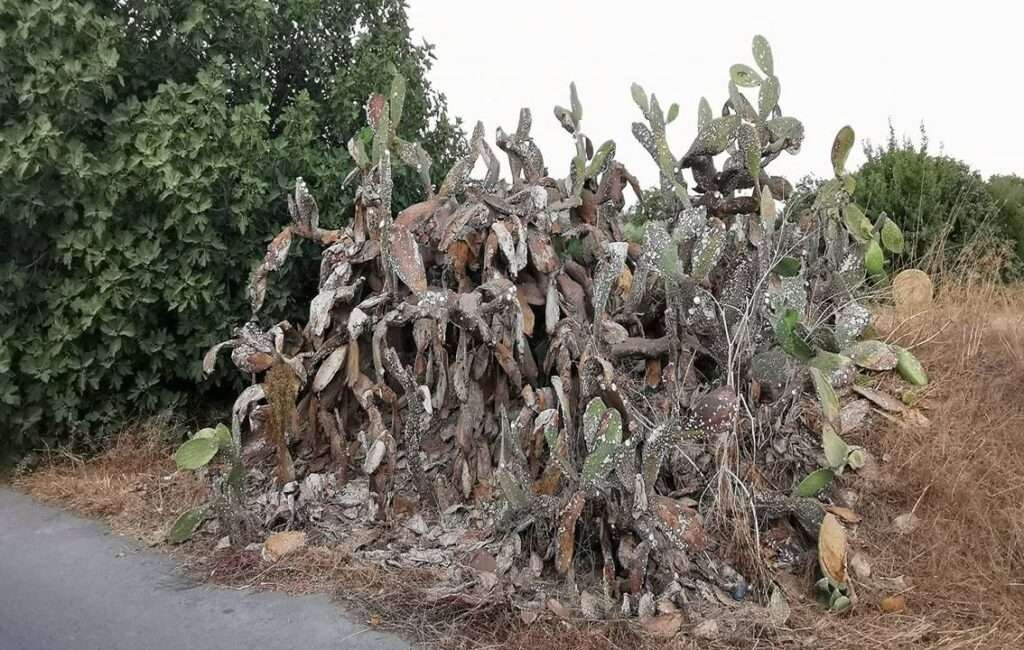
The island’s cacti have faced a severe threat from an invasive pest since 2016. The invasive cochineal insect Dactylopius opuntiae has been rapidly spreading across the whole island. These insects, which appear as white, cotton-like patches on the cactus pads, suck the plant’s fluids. This eventually kills the entire cactus within a few years. The island MINISTRY OF AGRICULTURE has since adopted a slow-the-spread strategy, which involves pruning, burying infected pads, and researching biological controls like predatory beetles, rather than total eradication.