A LESSER-KNOWN CYPRIOT CHEESE
WHAT IS ANARI?
Cypriot cheeses have influenced Cypriot cooking for centuries, and although Anari cheese is less well-known than HALLOUMI CHEESE, it is a versatile ingredient that is often used in both sweet and savoury Cypriot dishes, making it just as widespread within the Cypriot culinary landscape. As a by-product of HALLOUMI CHEESE production, it is also made from the same mixture of goat, cow and sheep milk.
A VERSATILE INGREDIENT
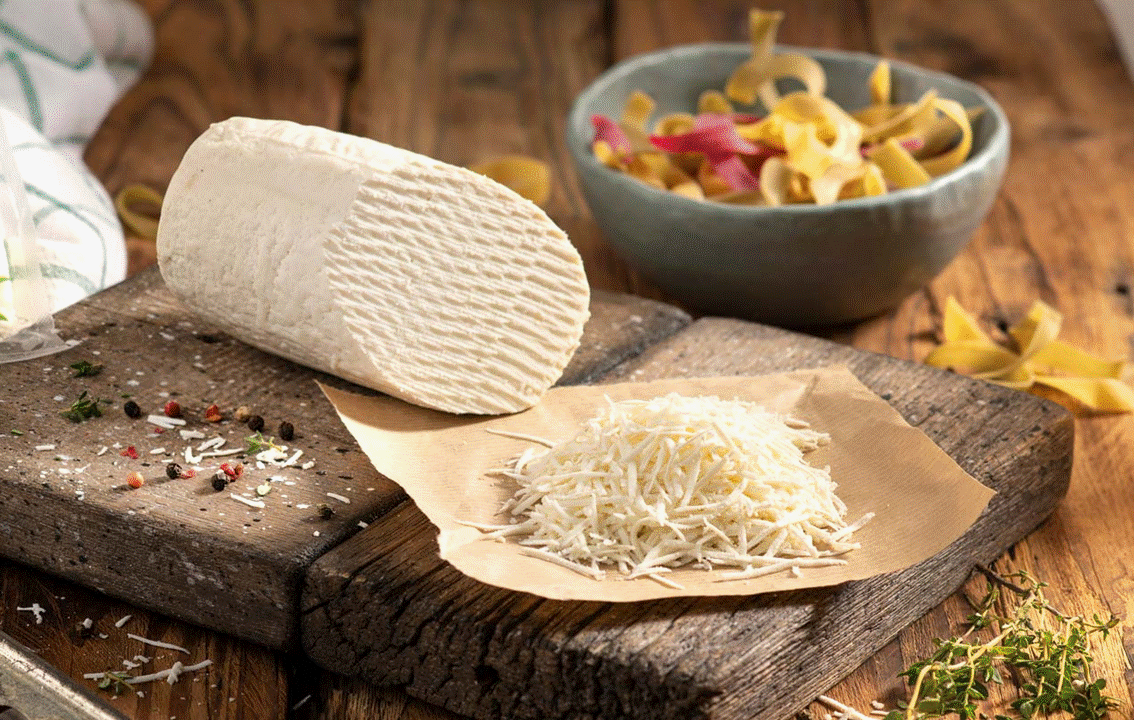
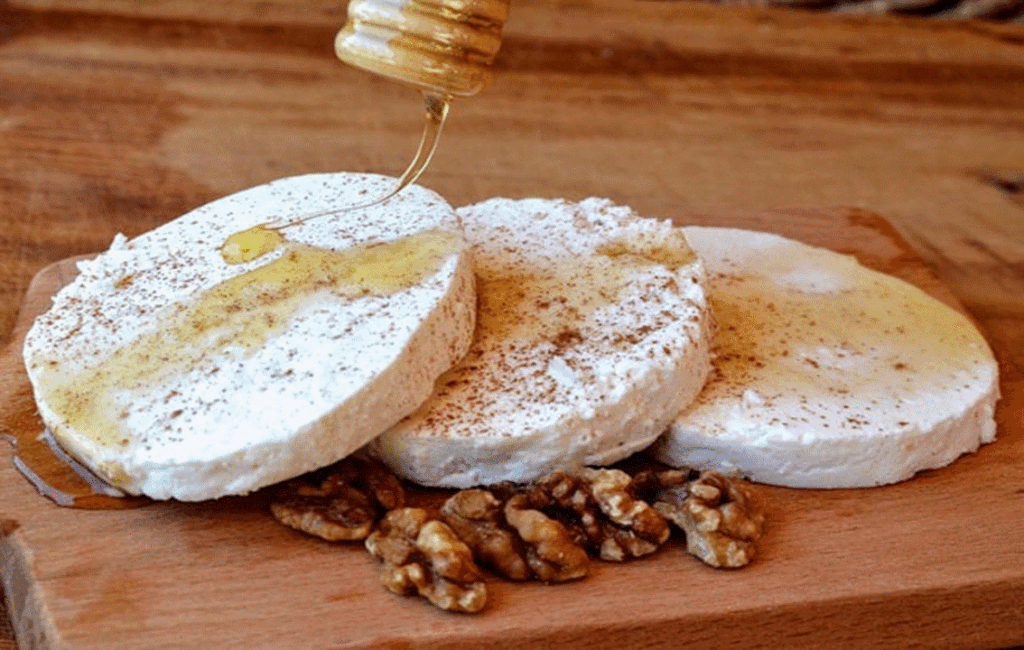
Anari cheese is a main component of several Cypriot culinary dishes. Offering both substance and texture, its mild, gentle, creamy, slightly tangy taste is used in a variety of culinary applications, and its mild flavours tend to complement a wide range of recipes well without overpowering them. Anari cheese is mainly consumed in two distinct formats. In its natural, fresh, soft, unsalted, mild, moist form, it is much like Italian Ricotta cheese and is consumed fresh with honey, carob syrup, or cinnamon for breakfast or as a dessert. This format also creates an ideal filling for both savoury and sweet pastries. In its hardened, aged, dry, salted, crumbly form, it is largely used as a grated topping for pasta dishes.
A SWEET FILLING
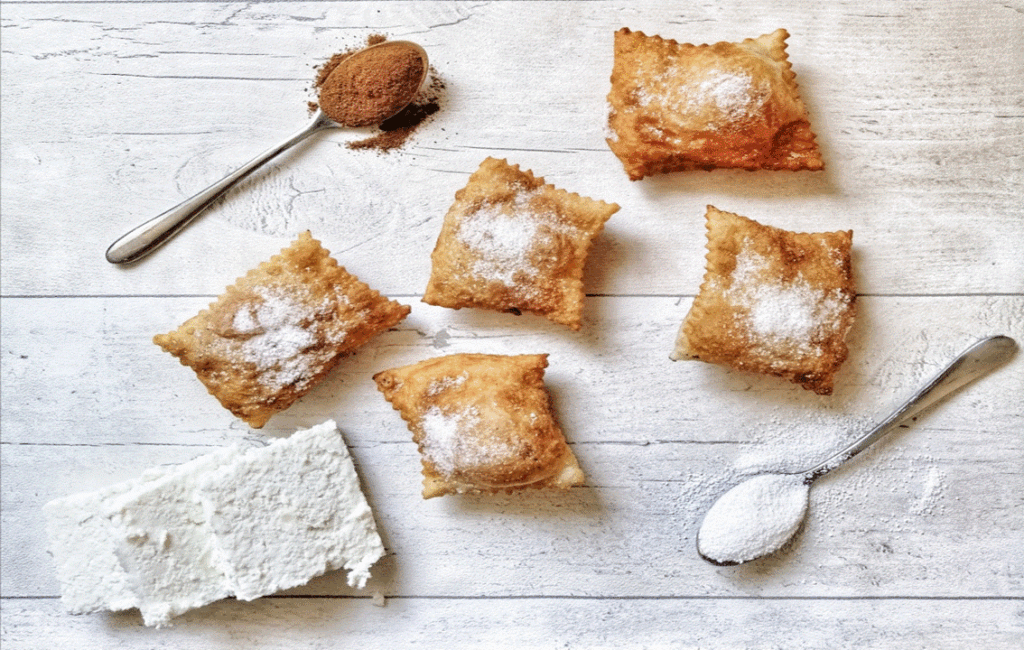
In the context of a dessert, it is often mixed with sugar and then flavoured with various fruits or aromatic herbs. A combination of rose water and nuts is then added to create a creamy dessert filling. It is then used as a filling for a number of Cyprus pastries, pies, and desserts. These include ‘Anaropitta’, ‘Bourekia’, and ‘Cypriot Cheesecake’.
A SAVOURY FILLING
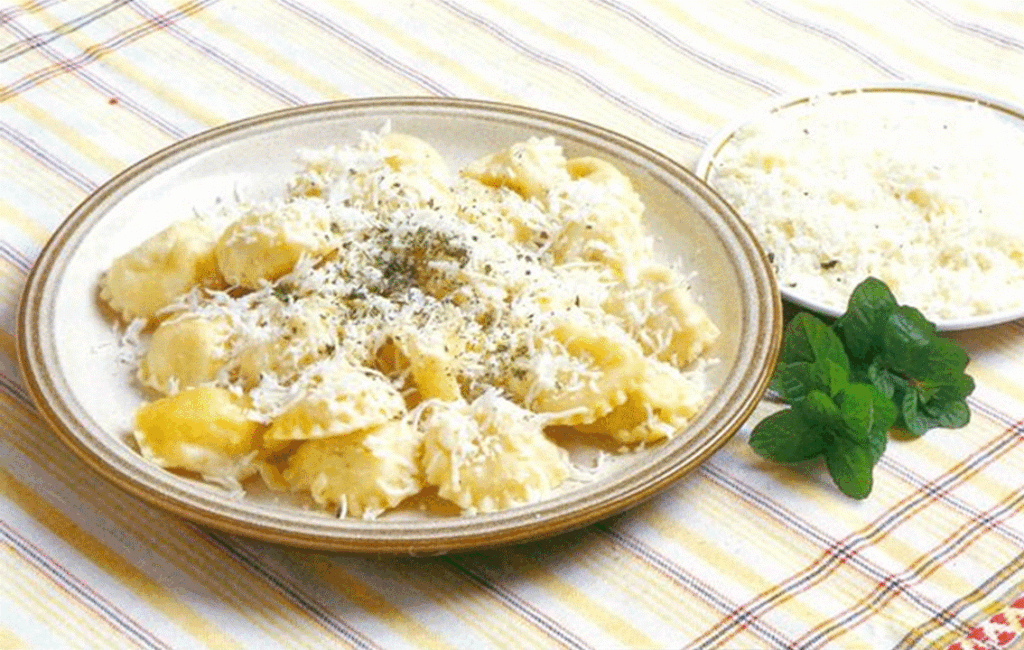
The addition of herbs and some spices also makes it ideal for savoury pastries. With the addition of mint, amongst other things, it is also used to create a filling for Cypriot ravioli. It is also used in salads and features heavily as a grated topping for most Cypriot pasta dishes, pizzas and or flatbreads.
THE PRODUCTION OF ANARI
The main ingredient for the production of Anari is the whey byproduct of Halloumi cheese. A combination of goat or sheep’s milk is added to the heated whey to improve the quality of the cheese. This enhances its unique taste and creamy consistency. The mixture is then brought to a boil, whilst mixing through and then lemon juice is added to coagulate the mixture. The formation of curds is then skimmed off the surface and placed in moulds so that the cheese can drain. The result is a soft, white cheese with high moisture content and a unique taste and consistency.
SOFT OR HARD
Anari cheese is a versatile ingredient that is used in a variety of ways. There are two main ways to enjoy this cheese in its simplest form. Fresh Anari is perishable, so it must be consumed within days, but dry Anari has a much longer shelf life. Fresh
THE SOFT VERSION
Soft Anari is unsalted and has a bright white appearance and a soft consistency. This is similar in many ways to other soft cheeses. The soft version complements fresh bread, fruits, nuts, carob syrup and or fresh wholesome honey. This often forms a simple but fulfilling light Cypriot breakfast.
THE HARD VERSION
Hard Anari uses salt to create the dry, harder version of this cheese. The salt acts as a natural preservative, and once added, the cheese is then allowed to mature in the sun. This gives this version its slight yellow appearance, along with its dryer, harder consistency. This version is invariably used to garnish Cypriot pasta dishes or to thicken sauces. It is often crumbled over salads.
PRODUCTION & CHARACTERISTICS
Origin: Anari cheese is made from the leftover whey of HALLOUMI CHEESE production.
Texture: Soft, moist, and flaky when fresh; hard and dense when aged and salted.
Flavour: Very mild and slightly sweet when fresh. Savoury and salty when dried.
CULINARY USES
Sweet Dishes: Drizzled with honey or carob syrup, anari is often eaten fresh for breakfast or topped with cinnamon or nuts as a fresh low calorie dessert.
Pastries: Used as the primary filling for traditional Cypriot pastries.
Savoury Dishes: Dry, grated anari is frequently used for pasta dishes, much like parmesan or mizithra.