A COMPREHENSIVE HISTORICAL OVERVIEW
THE FRANKISH LUSIGNAN DYNASTY
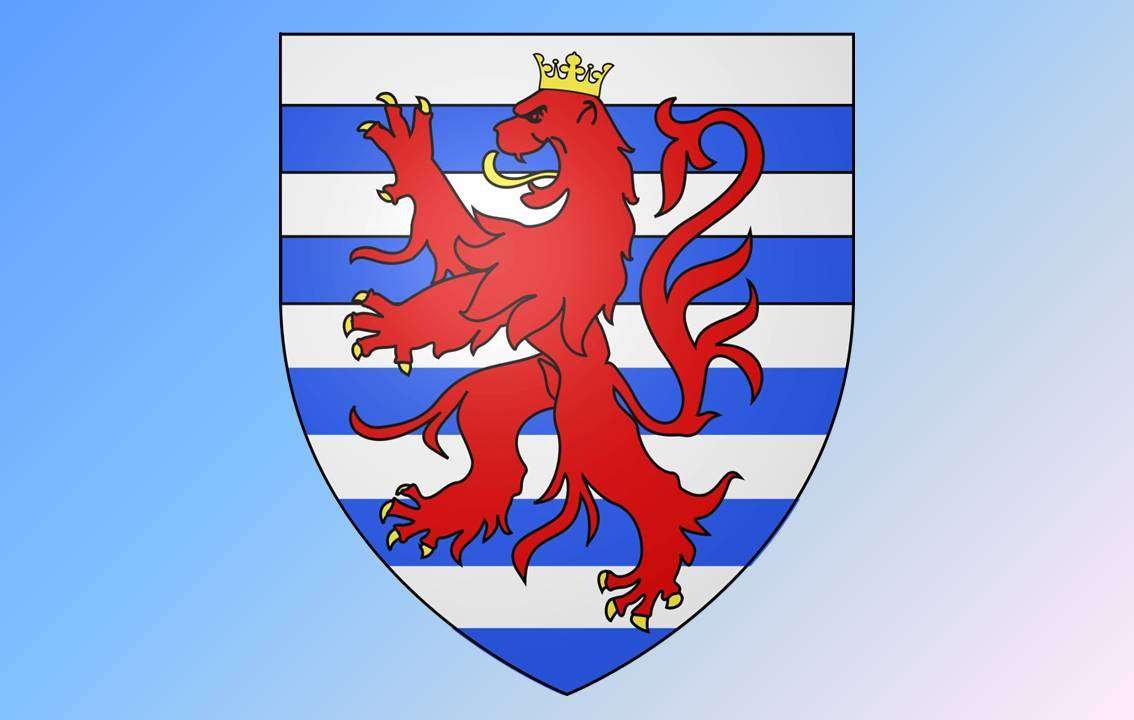
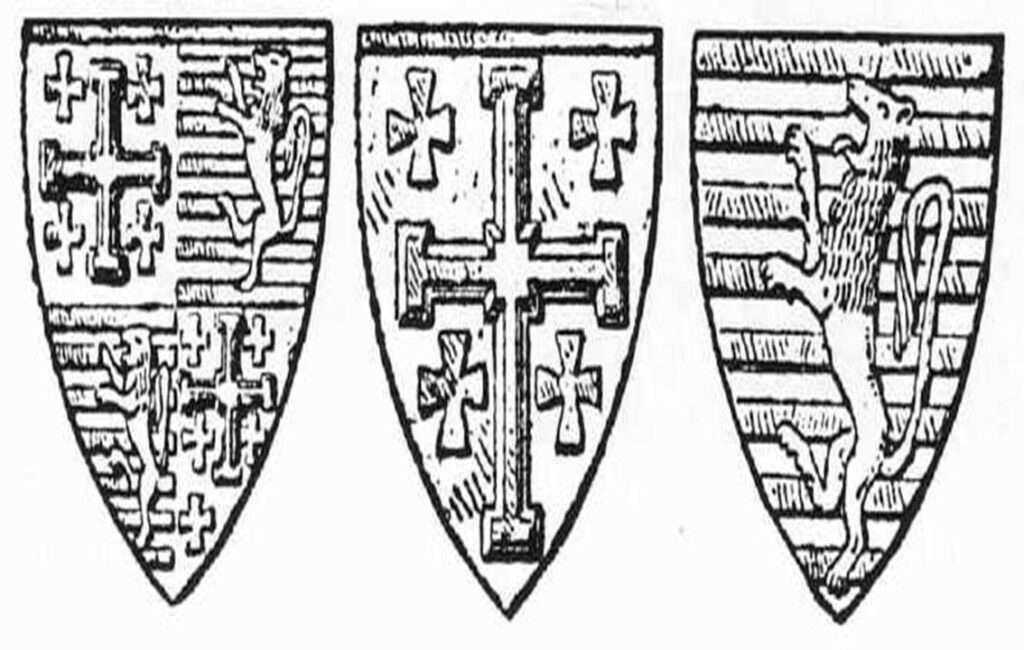
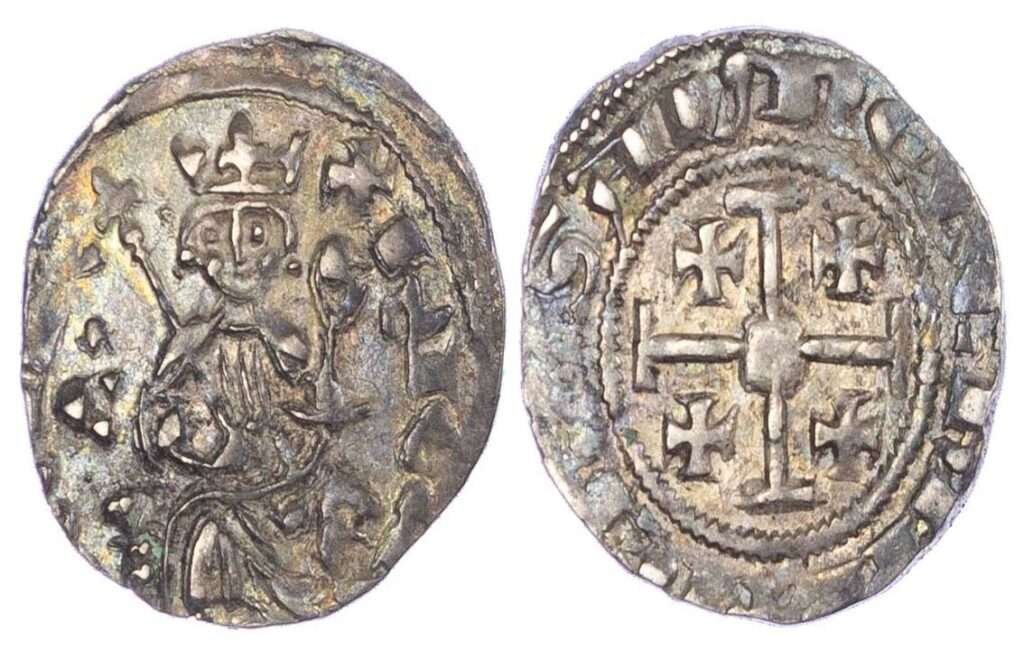
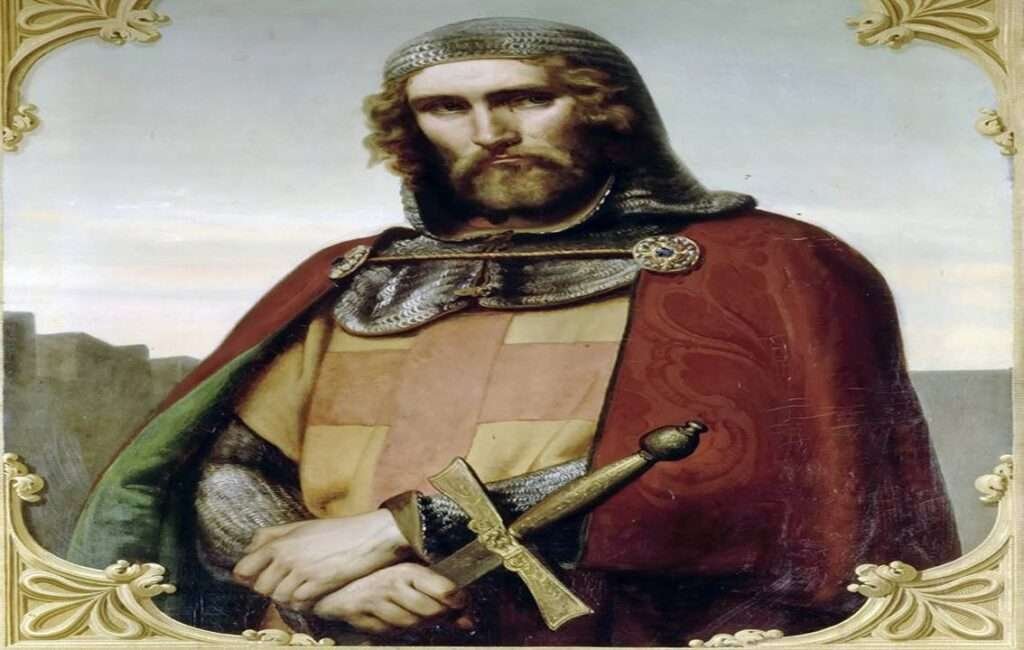
The history of Cyprus during the medieval period is significantly marked by the rule of the Frankish Lusignan dynasty. This came after Guy De Lusignan arrived on the island, with his cohorts, in 1193. This came after the disastrous Third Crusade, which saw him deposed as the King of Jerusalem. Although previously a hotspot for trouble, mainly due to over-taxation by both the Anglo-Normans and the Knights Templar, Cyprus would soon prove to be a haven for the proud Frankish house of Lusignan, who would go on to successfully govern the island as a new kingdom till 1489.
A NEW BASE OF OPERATIONS
An agreement between the Knights Templar, Richard the Lionheart, and Guy De Lusignan saw ownership of Cyprus shift to the latter, who sought a new base of operations for future Crusades. Cyprus, geographically, seemed perfect for this at the time. After acquiring the island, this transfer of power set the stage for a Lusignan dynasty that would influence and endure on the island for nearly three hundred years.
A NEW KINGDOM
The successful Frankish tenure saw the integration of a much fairer European feudal-type structure under kingship across the island. This came after Guy De Lusignan established himself as the new King of the Kingdom of Cyprus. Under this new kingdom, the local Cypriot population was allowed greater autonomy, and it allowed for a much fairer form of taxation. Setting a standard of sound governance, this new system of feudal governance brought with it both stability and prosperity. This would eventually allow this governance to characterise the rule of the House of Lusignan directly, leading to a new culturally diverse Cypriot society that saw the dynastic and territorial ambitions of both French and Italian nobility, who began to settle seamlessly across the island.
A NEW CHRISTIAN LATIN RELIGION
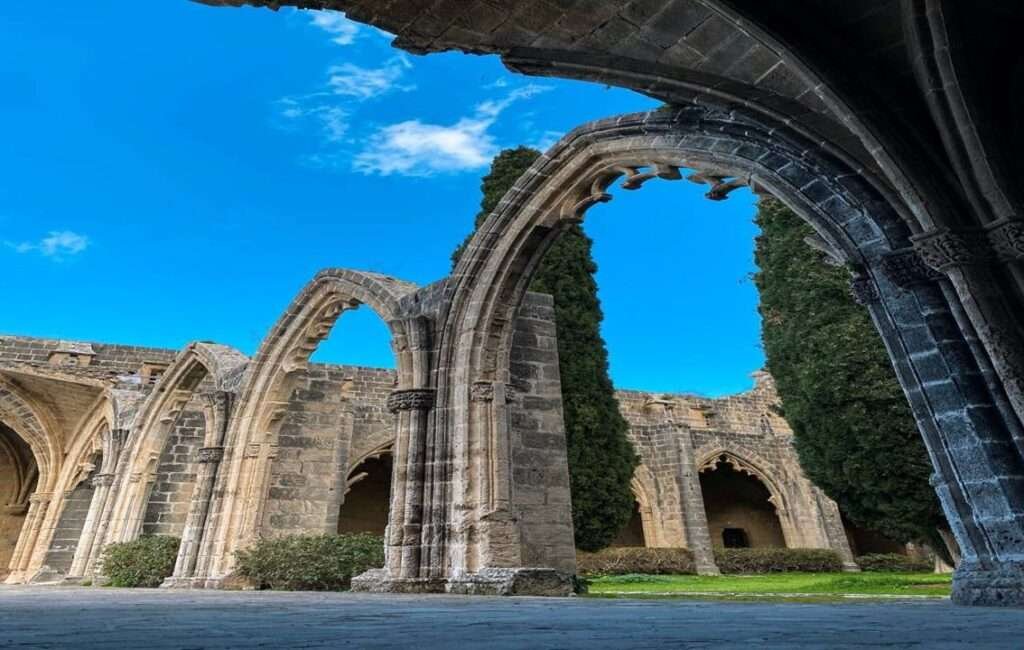
This new direction also played a vital role in shaping the new socio-political landscape for the island. This allowed the Franks to introduce several Latin fortifications, castles, churches and monasteries to the Cypriot landscape. This also helped to pave the way for the successful establishment of Catholicism, which heavily influenced a Latin Christian political and religious system that coexisted with the island’s already established Byzantine Greek Orthodox entity on the island. This allowed Catholicism to become a dominant religion on the island, alongside the Greek Orthodox Church, for the first and only time.
A RELIGIOUS COEXISTANCE
Although the Catholic Church gained prominence by influencing legislative and social norms, the influential Greek Orthodox Church still predominantly held influence over the local Greek Cypriot population. Although this caused some tensions, both institutions often incorporated each other, generally respecting and tolerating each other’s teachings.
A NEW CAPITAL CITY
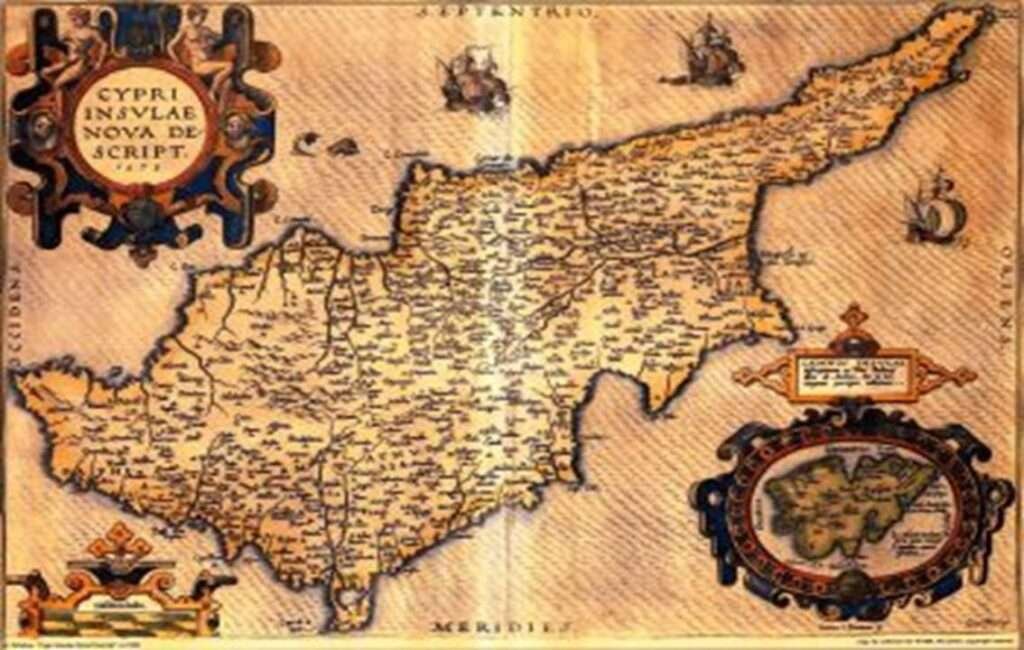
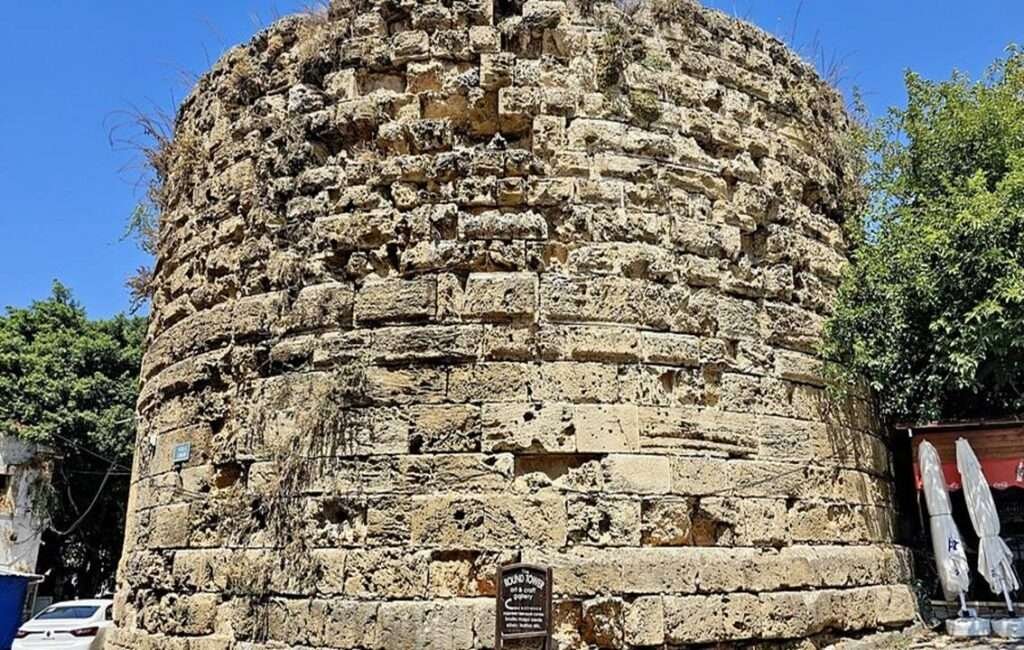
The Franks installed Nicosia as their new capital city. As the island’s new administrative centre, Nicosia promptly reached its full potential, becoming the island’s new political and commercial centre. A new building program saw the rise of cathedrals and royal palaces at its centre. These buildings reflected the Gothic architectural style that characterised French heritage at the time.
A NEW AGRICULTURAL PROGRAM
Frankish rule also brought about considerable economic growth in Cyprus. This mainly came about after they successfully introduced sugar cane cultivation to the island for the first time, transforming the island into one of the foremost sugar producers in the Mediterranean. As the lucrative new sugar industry became an essential export for the island, Cyprus continued to perform its role as a main trading hub between Europe, the Middle East, and North Africa. This led to an economic boom that increased the wealth of everyone concerned, and the Lusignans used their newfound wealth to finance much broader Crusading activities in the immediate region.
POLITICAL INSTABILITY & CONFLICT
Despite their initial success, the Lusignan dynasty later faced numerous challenges to their rule. This caused significant political instability across Cyprus by the late 13th century and throughout much of the 14th century. This ultimately weakened their grip on the island after causing notable internal strife. Cyprus often found itself caught up in the greater political and military power struggles of the Eastern Mediterranean at this time, and rival factions that were constantly competing for more power and territories often included the island kingdom in their broader political conflicts. Marauding Mamluk raiders from Egypt in the south and Ottoman pirates in the north also took their toll, rendering the island kingdom often isolated.
THE LAST MONARCH OF CYPRUS
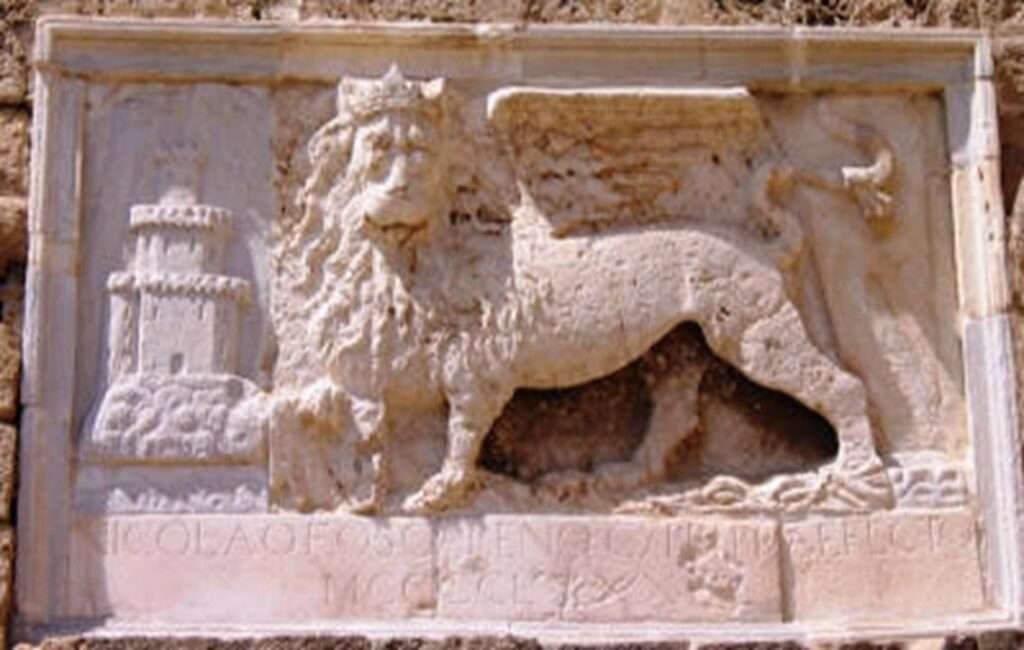
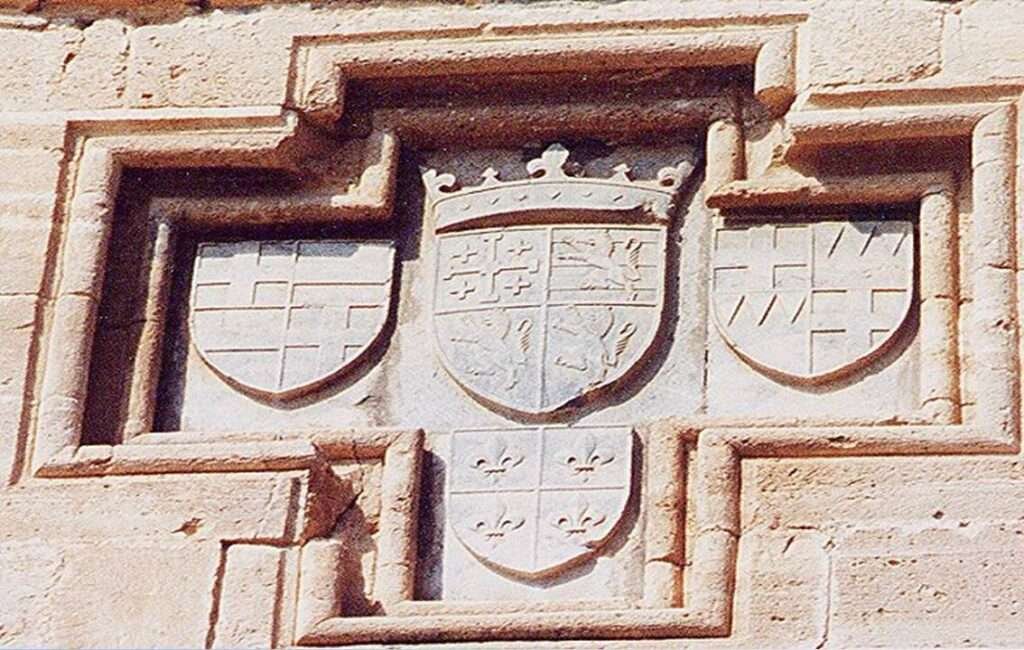
Further turmoil in Cyprus came to a climax during the late 15th century. This is when the Lusignan dynasty faced multiple challenges of both legitimacy and succession to their throne. This forced the last Queen of the House of Lusignan, Catherine Cornaro, with no heir apparent, to eventually cede Cyprus to the REPUBLIC OF VENICE. This came after the Queen, who was also considered a Venetian noble, returned to Venice after abdicating her throne in 1489. This allowed the REPUBLIC OF VENICE to legitimately assume control and administer the island in her place. This effectively ended both Lusignan rule and the Kingdom of Cyprus, which now became a vassal state of the REPUBLIC OF VENICE.
A FRANKISH LEGACY
From their emergence during the Third Crusade to their eventual decline in the face of regional power dynamics, the Frankish Lusignan dynasty has profoundly influenced the island’s identity and prosperity. The legacy of this era is still felt on the island today, and the Lusignan period remains a pivotal chapter in the island’s long and varied history. The era features both the stark challenges and broader benefits of its medieval governance, and is full of historical narratives that have enhanced the rich tapestry of cultural influences that helped to form a new Cypriot identity. The Frankish Lusignan period of rule was both complex and multifaceted, and although characterised by deep-rooted cultural exchange and great economic development, it is still marred by negative political and internal strife and turmoil that eventually ended its reign on the island.