A COMPREHENSIVE HISTORICAL OVERVIEW
A DIPLOMATIC VICTORY
In 58 BC, the island’s Ptolemaic Egyptian rulers found themselves in the midst of political turmoil. After a series of disastrous wars that led to the defeat of the Ptolemaic Kingdom, Ptolemaic Egypt was forced to reorganise its Eastern Mediterranean territories. Their dwindling power prompted Rome to act, resulting in the formal annexation of Cyprus to Rome. Roman rule then became a time of profound transformation that laid the groundwork for the island’s future development
THE TRANSITION OF POWER
Rome’s annexation saw the island fully incorporated into its provincial administration of the Roman Empire leading to the island’s integration into the Roman province of Cilicia. This is evident in the art, architecture, and written descriptions of daily life of the time. Roman rule enabled Cyprus to deliver its full potential to the empire. It did this by serving as a vital link for trade and military operations for the whole region, bringing significant changes to the island’s political and economic landscape.
A NEW STRUCTURE OF GOVERNANCE
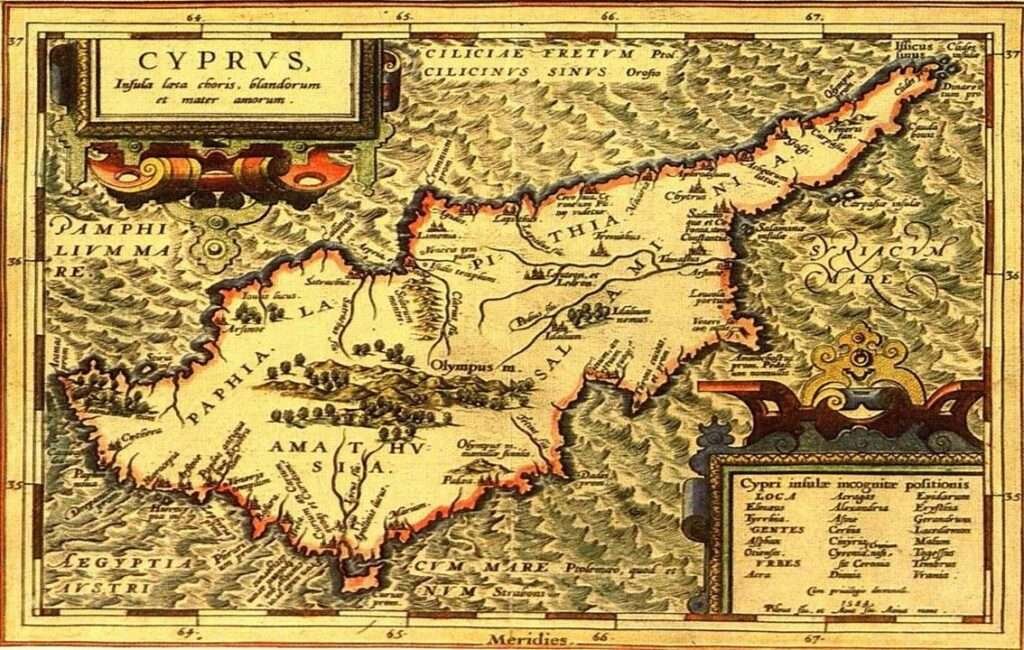
Cato the Younger became the first proconsul of Cyprus, and his position held extensive powers over the general administration, tax collection, and justice system that now presided over the island. The Roman legal system replaced Hellenistic laws, and this consolidation of power allowed for greater stability and uniformity across the island. The thirteen known cities of the time were now separated into the four new administrative regions of Paphos, Salamis, Amathus, and Lapethos. The west-facing city of Paphos would eventually become Rome’s new capital city on the island by 22 BC.
LOCAL TENSIONS
Although the overall stability provided by Roman governance and its military generally prevailed, the erosion of previous local governance structures created an uneven political landscape. This often caused internal tensions, mainly fuelled by the local elite vying for both power and influence, creating conflicts which occasionally manifested in uprisings or resistance against Roman rule.
NEW INFRASTRUCTURE & DEVELOPMENT
One of the key factors of Roman administration was its focus on infrastructure and development. Advanced Roman architectural techniques allowed them to widen roads, improve ports, and construct new public buildings. This enhanced connectivity, which helped to promote further trade with other Roman provinces. The increased movement of goods and people fuelled economic growth that generally made Cypriots wealthier.
THE GRANDEUR OF EMPIRE
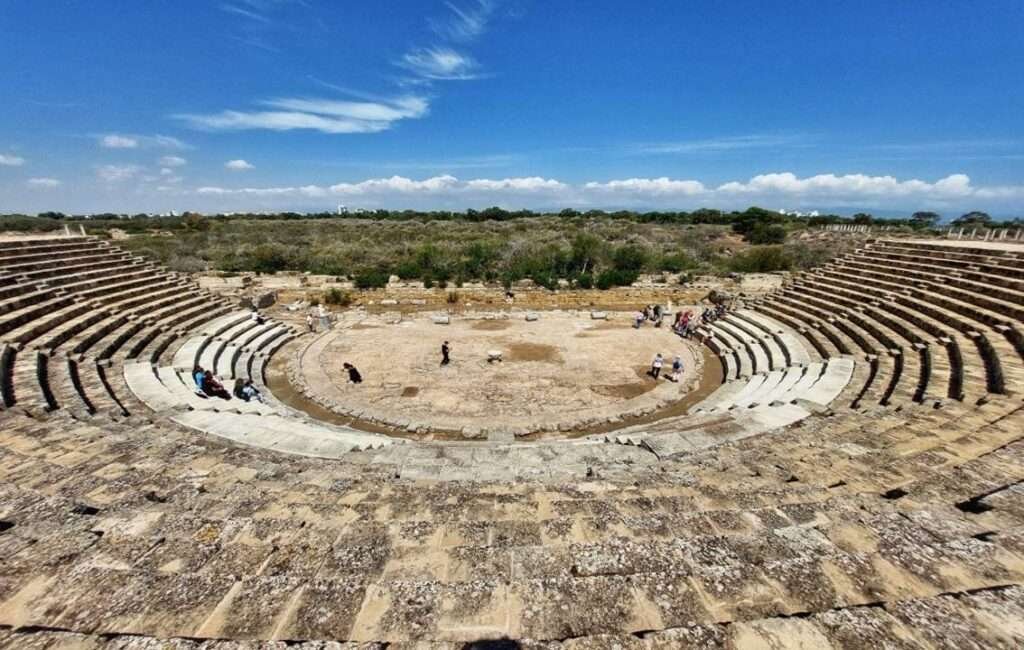
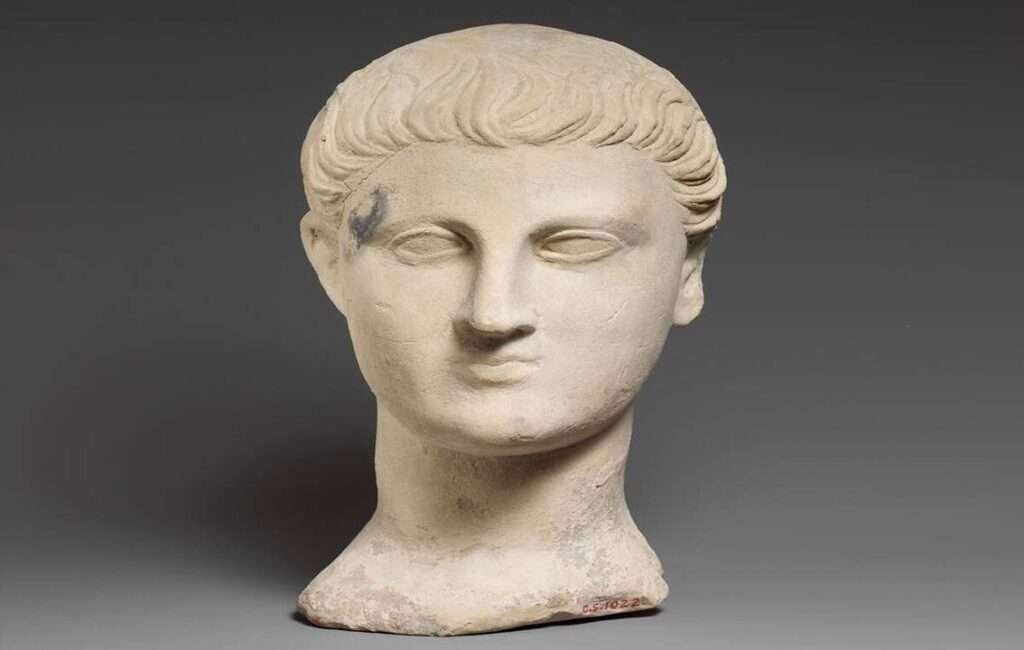
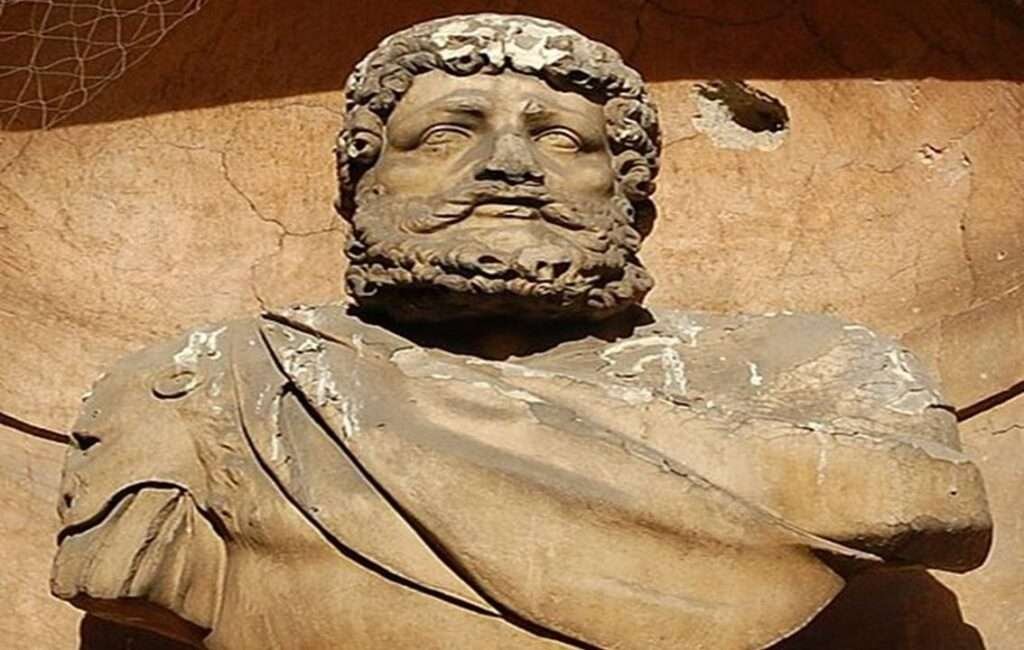
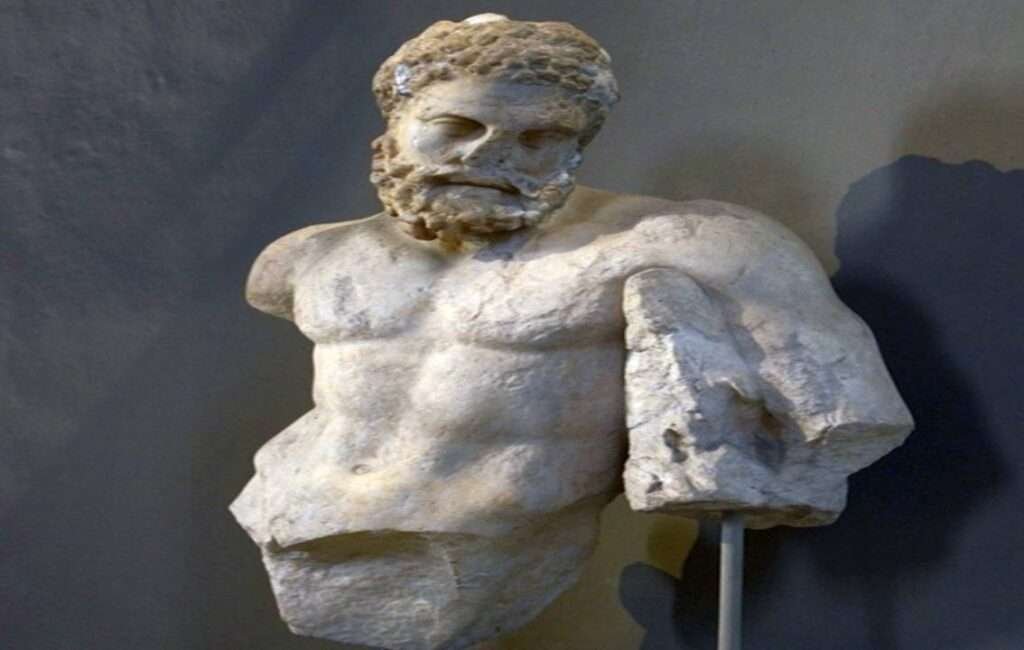
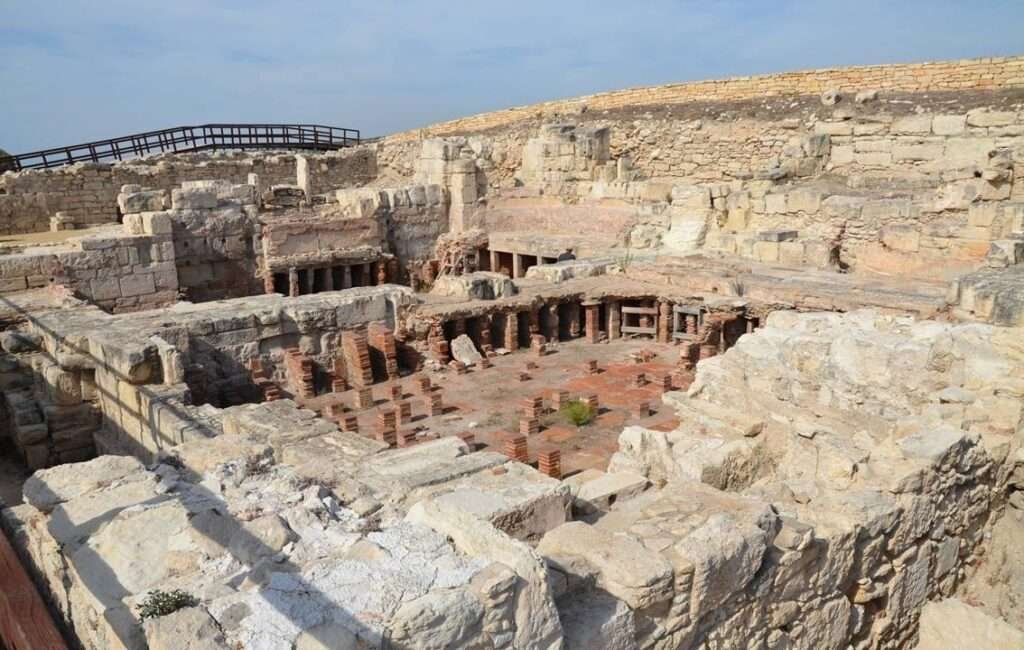
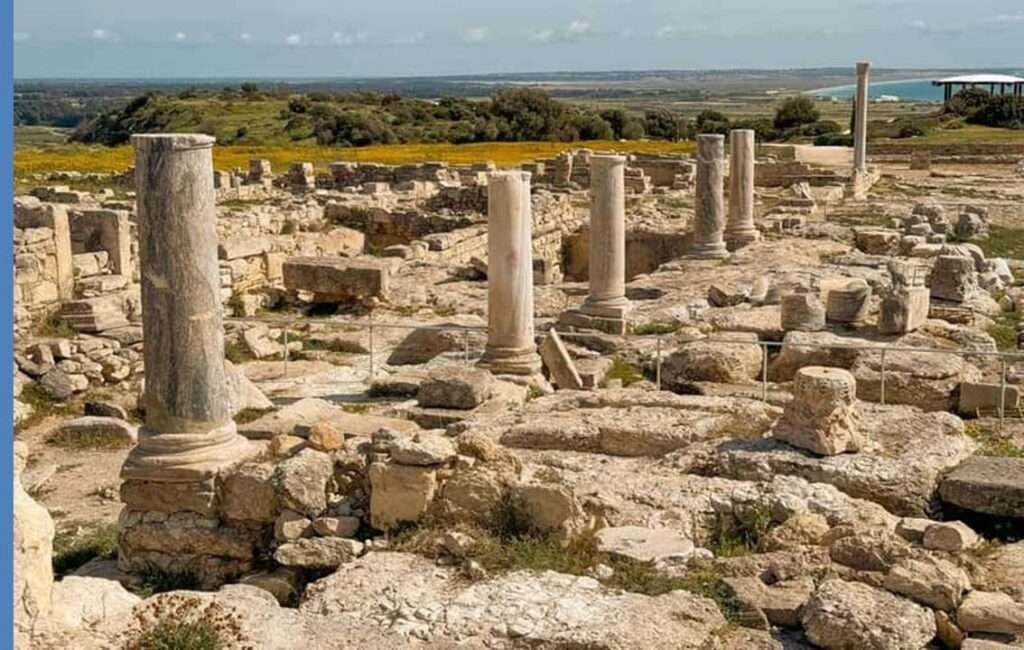
Rome’s stunning architecture from this period is evident within the ruins that that still dot the Cypriot landscape today. Serving as a testament to the cultural advancement of this era, architecture was often used by the Romans to reflect the grandeur of their empire. These structures often included aqueducts, bridges, amphitheatres, public buildings, public baths, grand villa estates, military installations, and places of worship.
URBAN DEVELOPMENT
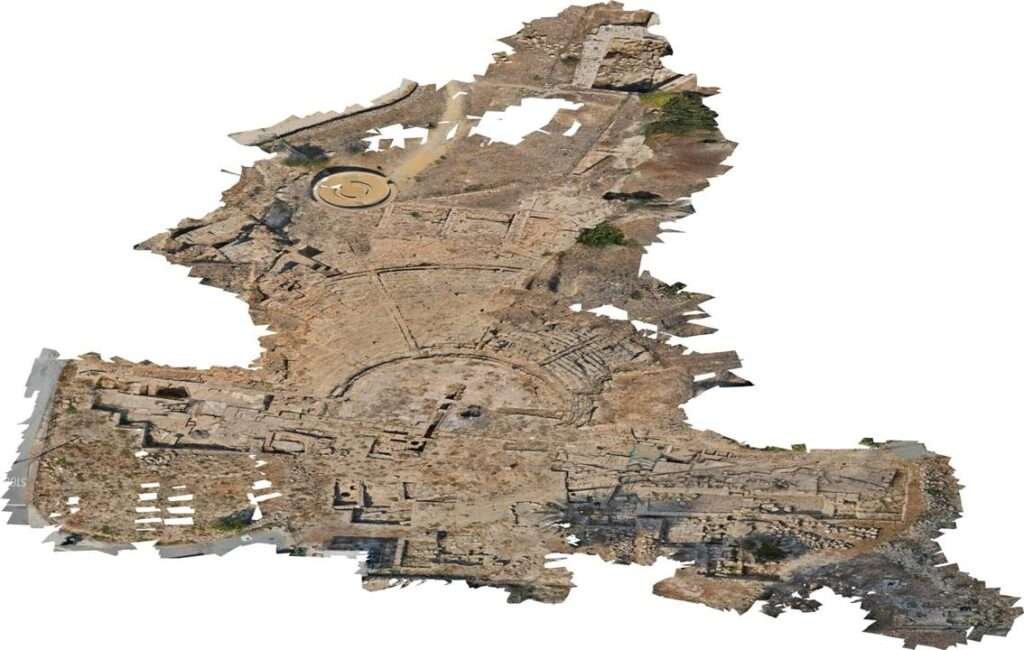
The major cities on the island also flourished under Roman rule, and urban cities, such as Paphos, Kourion, Salamis, and Kition, in particular became centres of cultural excellence, exchange, and dissemination. The elevated status of Paphos was established after several luxurious villas adorned with intricate mosaics were constructed. The PAPHOS MOSAICS that feature stunning examples depicting mainly scenes of Greek mythology are among the finest surviving examples of Roman mosaics in the world today. The KOURION amphitheatre is another notable Roman ruin on the island and a classic example of Roman architecture of the time. This enduring setting is still used for performances today, creating yet another Roman legacy on the island.
ROMAN TRADE
The Romans immediately recognised the island’s economic potential, which marked a significant economic transformation for the island. Cyprus became an essential hub for both trade and commerce, and the island’s strategic location allowed it to serve as a bridge connecting European, Asian, and African trade routes. The Roman administration became ever more popular as Cyprus grew wealthier.
AGRICULTURAL TRADE
The extensive cultivation of agriculture across the island was encouraged, and Cyprus began to cultivate and produce several crops on a large scale under Roman administration. These included different grains, carob, and olives, amongst others. Winemaking also became increasingly prominent, directly leading to the establishment of several wine villa estates across the island. This increased wine productivity, which in turn created a surplus that bolstered the wine trade all over the Roman Empire. Cyprus wine in particular was considered to be of the highest quality and became a highly sought-after commodity. Copper and olive oil also became major exports, all contributing to the island’s prosperity
AN ISLAND OF COPPER
The Romans regulated all mining activities, and the mining industry thrived during the Roman era. Copper was essential to the Roman Empire, and Cyprus was blessed with an abundance of the resource. In addition to copper, other ores and minerals were efficiently mined and then exported. The influx of wealth from increased trade from these operations also contributed greatly to the economic prosperity of the island.
SOCIAL & CULTURAL INTEGRATION
Roman rule also facilitated a unique process of social and cultural integration on the island. As a province of the Roman Empire, Cyprus experienced an influx of Roman settlers, soldiers, and merchants, who contributed to a new cosmopolitan Cyprus. The blending of Greek and Roman cultures led to the emergence of a distinct Cypriot identity that was characterised by the amalgamation of old Hellenistic traditions with new Roman characteristics.
RELIGION & CHRISTIANITY
Religion played a significant role in the cultural landscape of Roman Cyprus. The island had long been associated with various Hellenistic worship practices that were still firmly set in Greek Mythology. The Roman province embraced the cult of the emperor, which was common in many parts of the Empire, and this added a new dimension to overall religious practices across the island. Under Roman rule, the pantheon of deities expanded, and the older traditions continued to coexist with this until the emergence of Christianity. In the year 45, the apostles Saint Paul and Saint Barnabas visited Cyprus as part of Saint Paul’s first missionary journey. Saint Barnabas returned for a second visit four years later, and as the empire eventually transitioned to Christianity under Emperor Constantine the Great, Cyprus aptly followed suit, aligning itself with the new faith. The pivotal shift in the new religious dynamics, however, brought with it significant cultural and social implications for some Cypriots, and the transition therefore was slow. Once firmly established, early Christian churches that still survive on the island today reflect the success of this religious transformation.
RELIGION & CHRISTIANITY
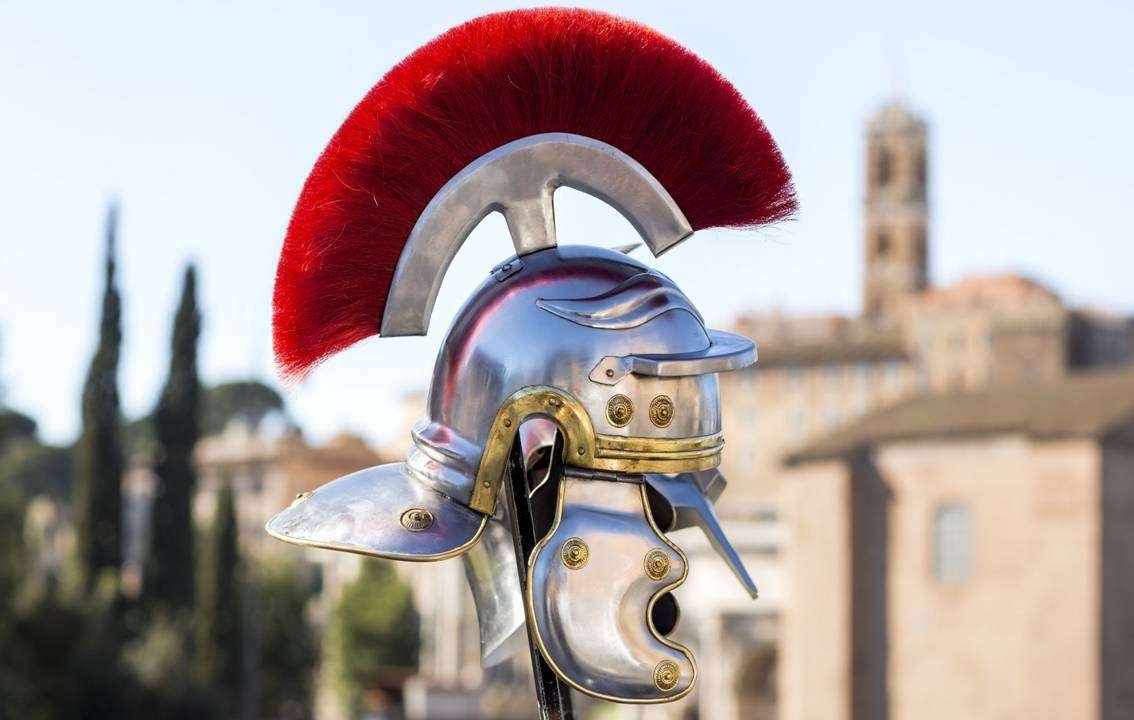
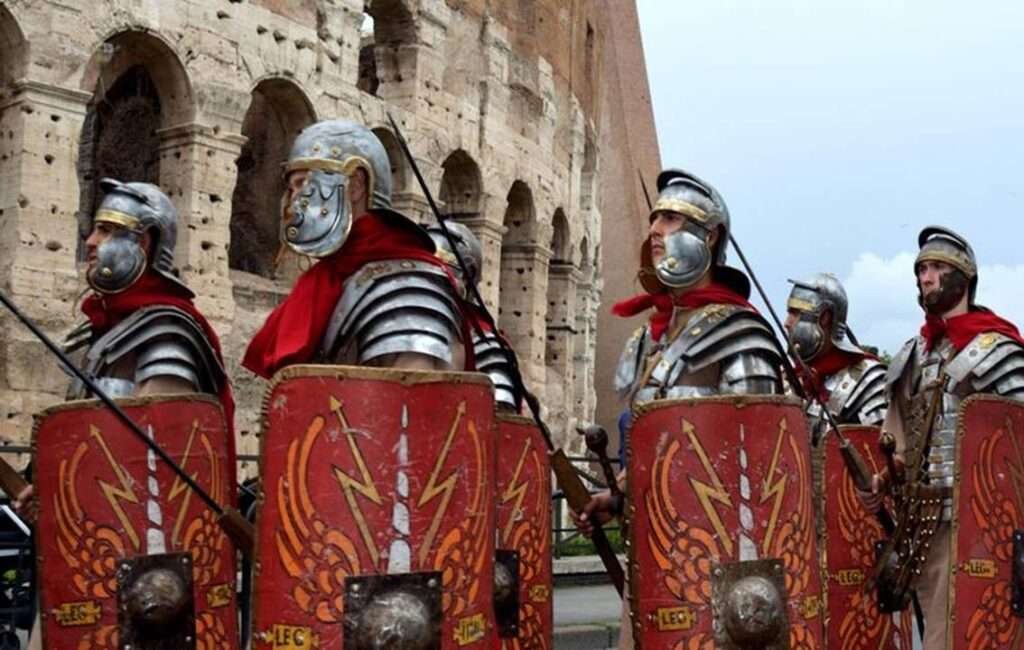
The Roman military presence on the island fostered not only security but also facilitated trade and cultural exchange with other nearby regions. The strategic location of Cyprus meant that it served as both a naval base and a staging point for several military operations in the region. These military operations were aimed at particular potential threats from rival powers such as the Persians and later the Arabs. Roman forts and garrisons were established across the island, ensuring the Empire’s dominance and protection of its important trade routes. Every province of the Roman Empire was required to send men to fill the ranks of the Roman army as conscripts, and Cyprus was no exception. Cypriots contributed some 2000 men to the foreign auxiliary at any one time. At least two Cypriot cohorts of auxiliary troops performed well enough to be given the honour of full Roman citizenship before their 25 years of service were up.
A STRONG MILITARY PRESENCE
The Roman military presence on the island fostered not only security but also facilitated trade and cultural exchange with other nearby regions. The strategic location of Cyprus meant that it served as both a naval base and a staging point for several military operations in the region. These military operations were aimed at particular potential threats from rival powers such as the Persians and later the Arabs. Roman forts and garrisons were established across the island, ensuring the Empire’s dominance and protection of its important trade routes. Every province of the Roman Empire was required to send men to fill the ranks of the Roman army as conscripts, and Cyprus was no exception. Cypriots contributed some 2000 men to the foreign auxiliary at any one time. At least two Cypriot cohorts of auxiliary troops performed well enough to be given the honour of full Roman citizenship before their 25 years of service were up.
A SERIES OF WARS
In 47 BC, Julius Caesar agreed to return control of Cyprus to the Ptolemaic Kingdom, but under Rome’s stewardship. Caesar installed Cleopatra’s younger siblings, Arsinoe IV and Ptolemy XIV, to jointly rule the island. Caesar’s subsequent death just two years later resulted in the division of the greater Roman Empire for the first time. Augustus of Rome, along with the Senate, took control of the first ever Western Roman Empire, and a coalition between Marc Antony and Cleopatra VII of Egypt took control of the first ever Eastern Roman Empire, with Cyprus finding itself under the influence of the latter. The Battle of Actium, however, in 31 BC marked the sudden end of the last war of the Roman Republic. This resulted in Augustus becoming the undisputed Emperor of a reunited Roman Empire that included both Egypt and Cyprus. In 22 BC, Cyprus became a senatorial province without a standing army, and this time separate from Cilicia. This also saw the installation of Nea Paphos as the island’s new capital city.
REFUGEES FROM JERUSALEM
The destruction of Jerusalem by the Roman Emperor Vespasian in the year 70 saw a large influx of Jewish refugees arrive in Cyprus. Although the majority of them successfully settled across the island, a widespread Jewish revolt, known as the Kitos War, led to thousands of deaths all over the Roman Empire just 45 years later. This directly led to the Jewish massacre at Salamis a year later and to the expulsion of all remaining Jews from the island.
AN EMPIRE DIVIDED
Rome could not stop a brief Gothic invasion of Cyprus in the year 269, and although Rome quickly regained control, this remained a stark sign of weakness. This was confirmed a few years later when Cyprus once again found itself to be part of the Eastern Roman Empire after it was divided by Emperor Diocletian in the year 286. In the year 330, Constantine the Great laid the foundations to rebuild the City of Byzantium as his new capital city. Renaming the city Constantinople, the Eastern Roman Empire adopted the former name, marking the beginning of a new independent Byzantine Empire, which would outlast the Western Roman Empire.
A ROMAN LEGACY
Roman claims to Cyprus are a testament to the island’s historical significance. This helps to create a Roman legacy that remains not only multifaceted but also a crucial chapter in Cypriot history. The Romans shaped the island’s identity in ways that would resonate through subsequent historical eras. Helping to shape its journey through the centuries through its effective political administration, economic advancements, cultural integration, and military significance, it is clear that Rome left an indelible mark on the island. The legacy of Rome is still evident today, both in the archaeological remains that speak of a rich past and in the Cypriot cultural tapestry that continues to define the island. This proves beyond a doubt that Rome’s rule in some ways continues to influence the island’s culture and identity today.