SEE THE PAPHOS MOSAICS AT THE PAPHOS ARCHAEOLOGICAL PARK
A NEW ROMAN CAPITAL CITY
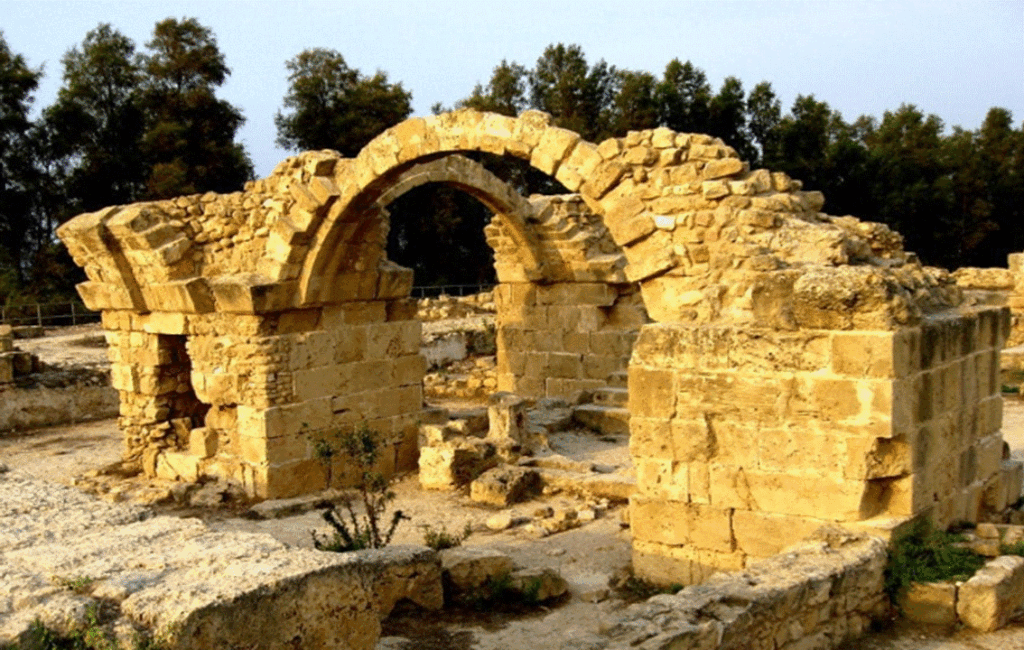
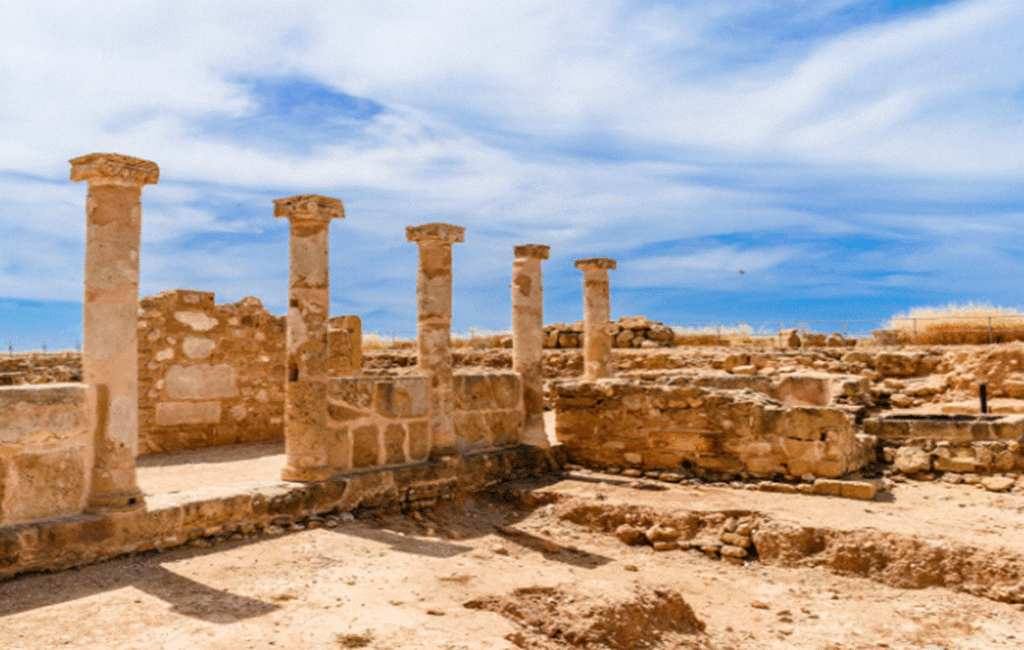
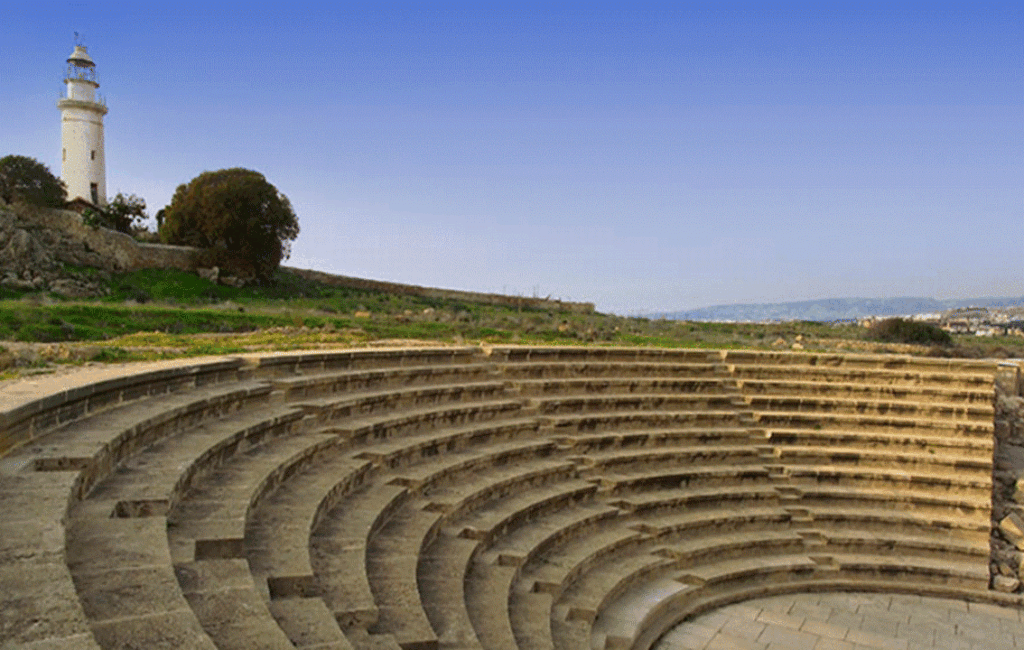
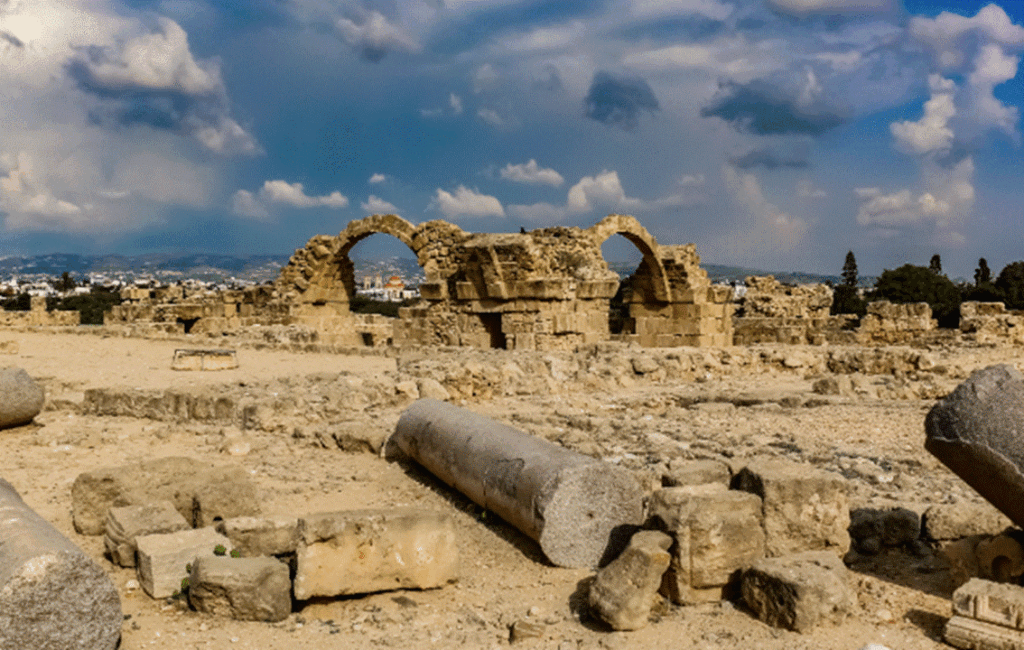
Cyprus became a province of Rome in 58 BC, and Paphos, because of its location on the western coast, was then promptly installed as the new Roman capital city on the island. Roman administrators then maintained a constant building program right up to when their rule ended in 325 AD. Discovered entirely by accident in 1962 by a farmer ploughing his field, the Paphos Archaeological Park, situated by the PAPHOS LIGHTHOUSE, in the heart of today’s city, is a direct result of this building program. The whole site has been protected as a UNESCO World Heritage Site since 1980.
A CHANCE DISCOVERY
The Paphos Mosaics were discovered simply by chance. A farmer in 1962 decided to plough a field that was normally set aside for grazing. As he ploughed, he uncovered the ancient site that makes up today’s Archaeological Park. The remains of four substantial Roman villas containing several well-preserved mosaics were entirely excavated.
A ROMAN & BYZANTINE LEGACY
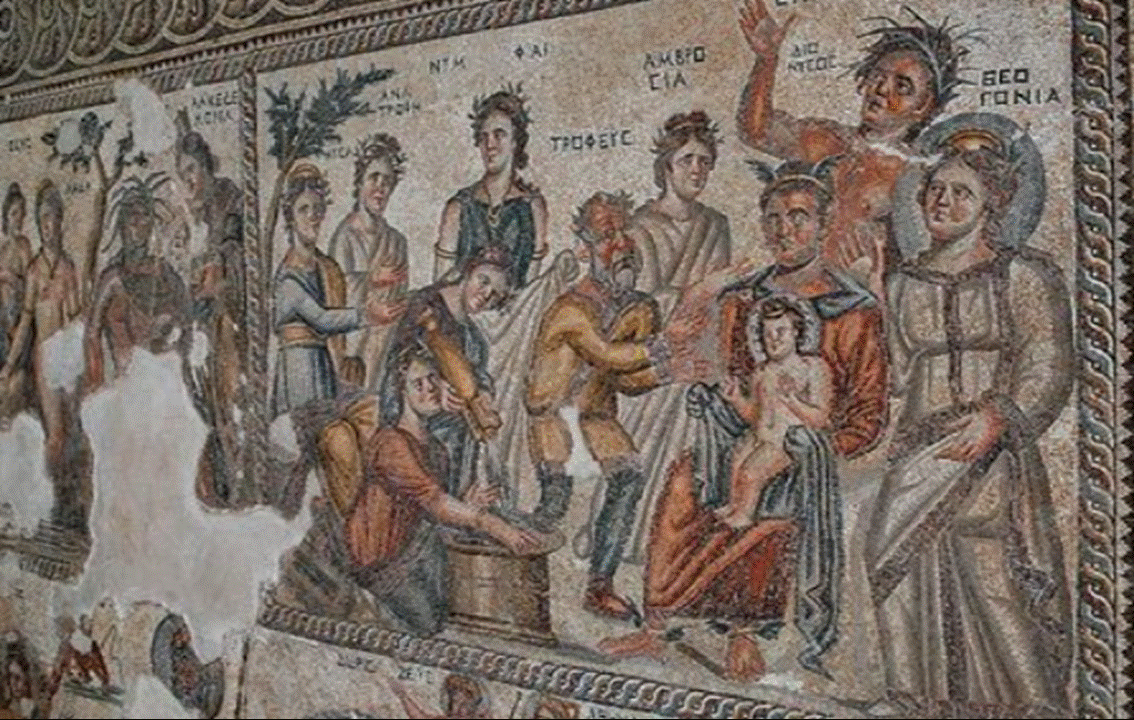
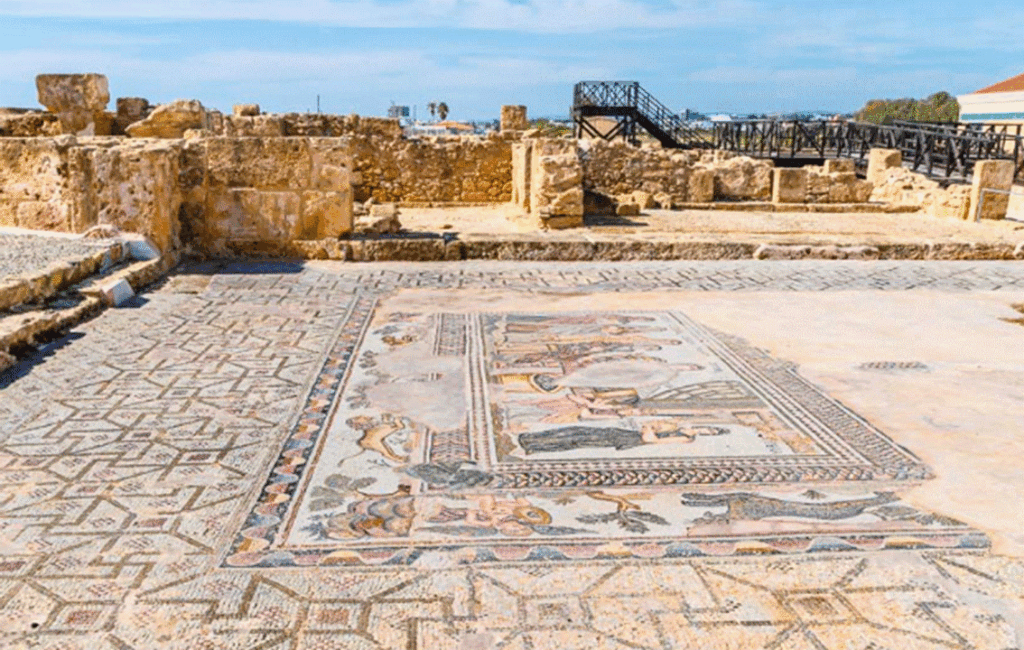
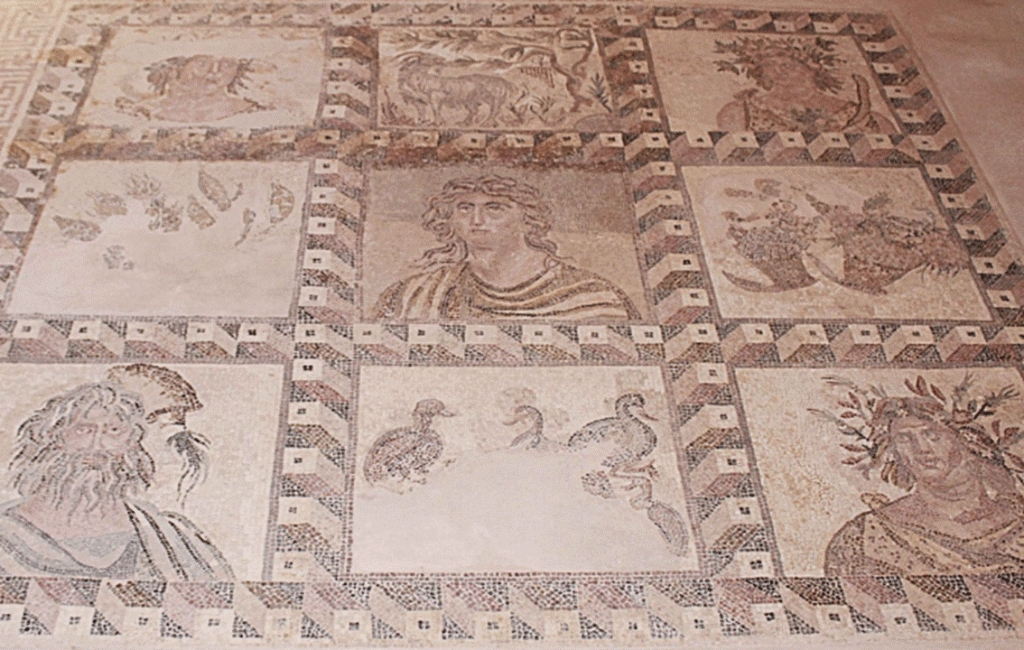
Primarily depicting dramatic scenes from Greek mythology, the Paphos Mosaics are widely regarded as some of the finest Roman-Byzantine-era floor mosaics in the eastern Mediterranean. Dating from the 2nd to the 5th centuries AD, the carefully preserved site offers a dramatic window into Roman-era Cyprus.
THE PAPHOS ARCHAEOLOGICAL PARK
The farmer’s field would go on to become the Paphos Archaeological Park, which today is a major island attraction. Visited by thousands each year, the site features the four Roman villas and some truly remarkable mosaics that are considered to be amongst the finest preserved Roman-era mosaics in the world.
A PREMIER ATTRACTION
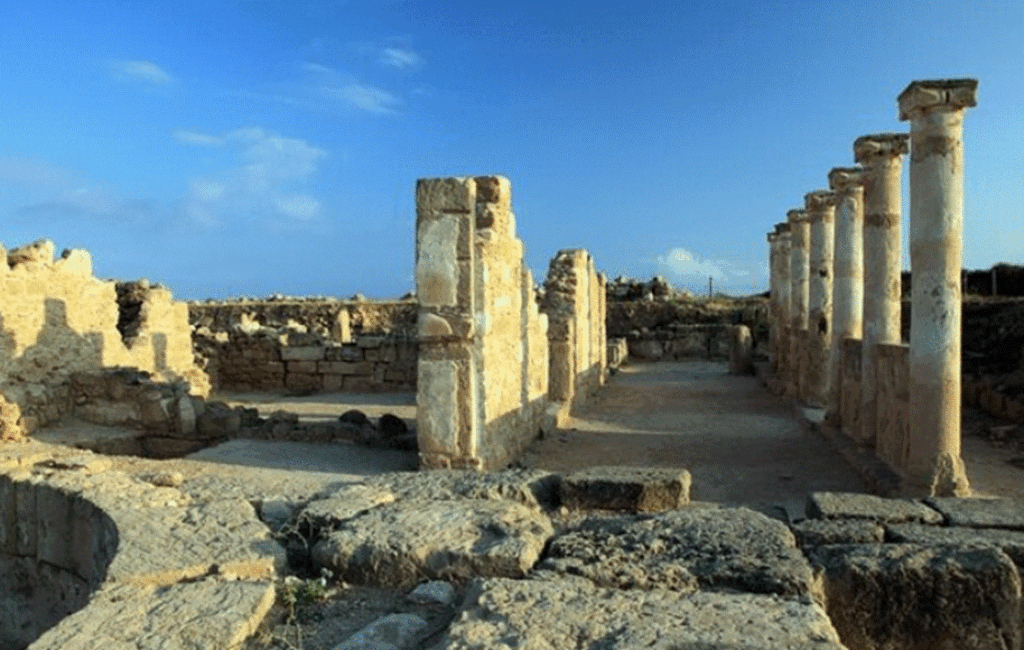
Several buildings were constructed during the Roman era that were decorated with Roman mosaics, but only a few have survived. A good example of these is the buildings that house the Paphos Mosaics. Since their discovery, they have been carefully preserved and make up part of the Paphos Archaeological Park, which has become one of the island’s premier attractions. Flanked by the PAPHOS LIGHTHOUSE and harbour, visitors can experience the Paphos Mosaics in a well-preserved ancient settlement.
WHAT IS A MOSAIC?
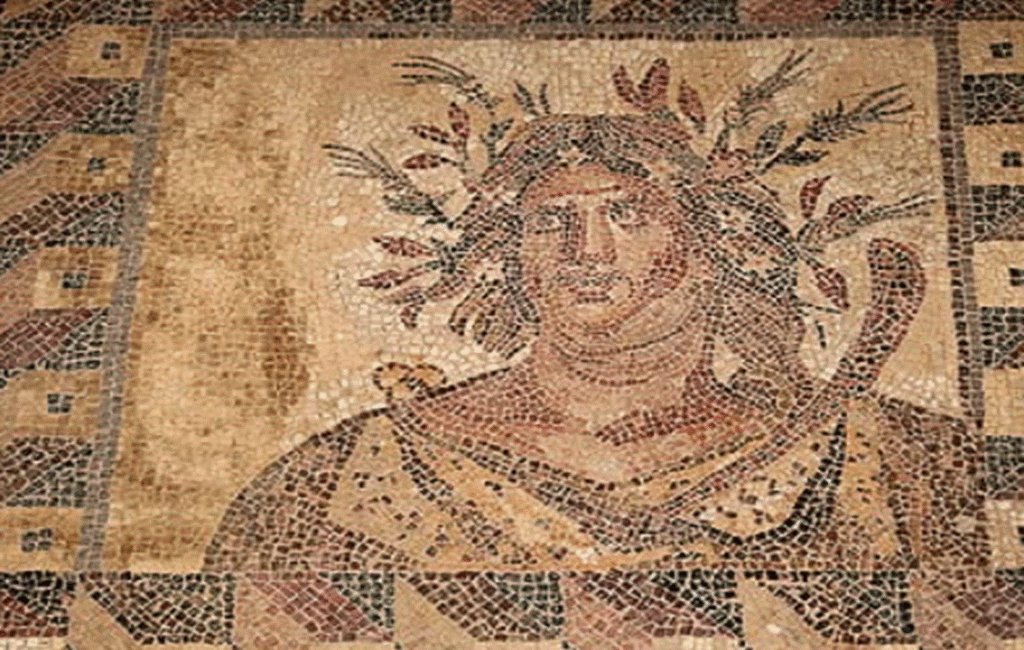
A mosaic is a depiction of a scene that is made up of thousands of tiny, cut-to-size, coloured pieces of stone, marble or glass. The very small geometric tiles, which are known as ‘Tesserae’, are carefully arranged to form intricate and detailed images.
THE FANTASTIC FOUR MAJESTIC HOUSES
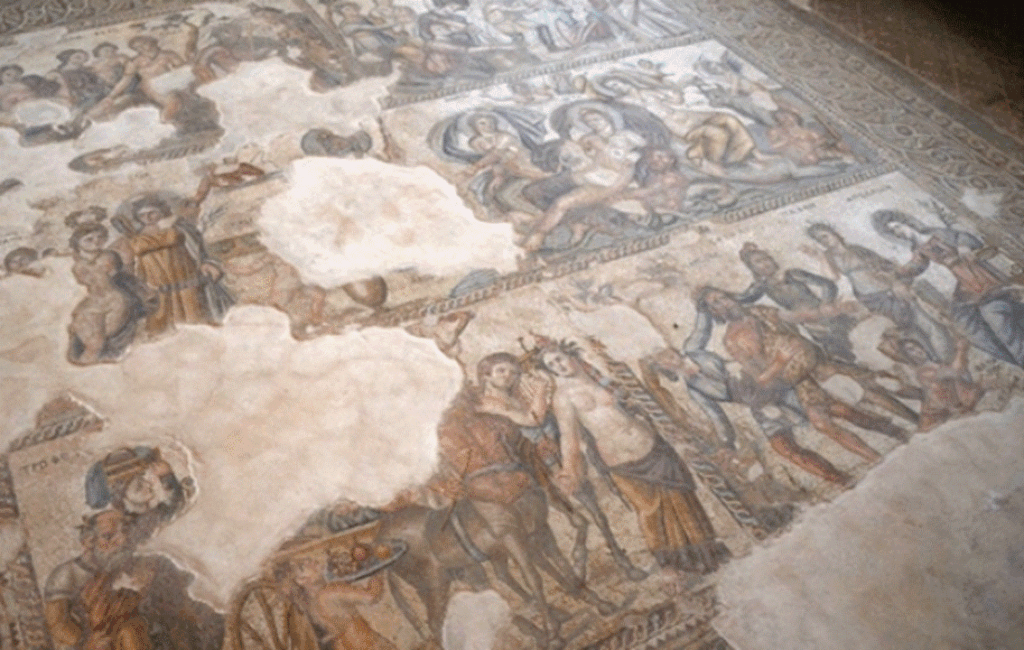
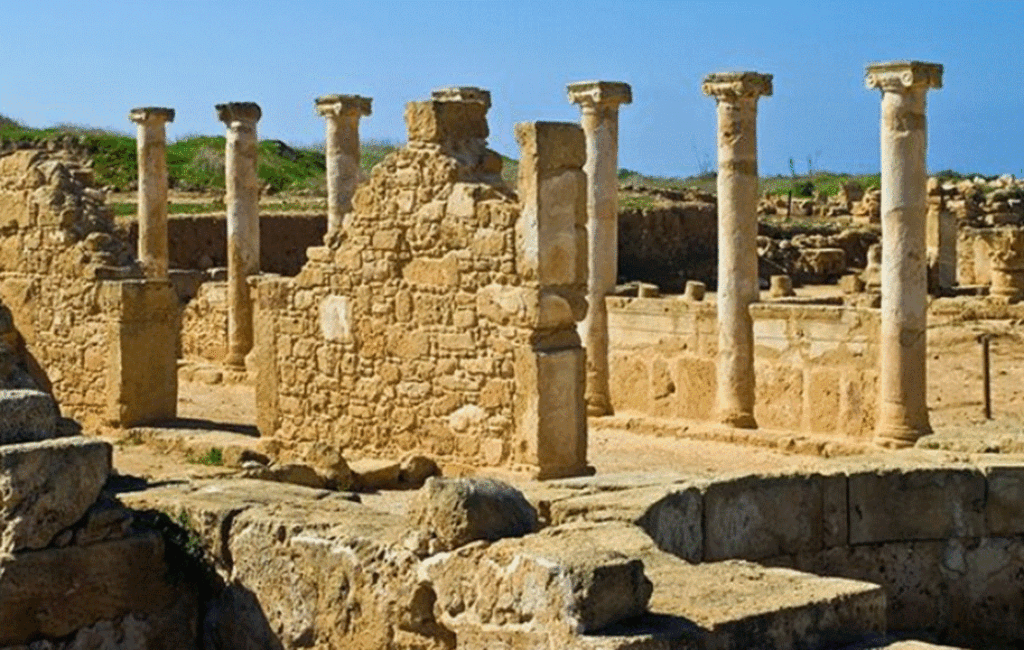
This archaeological site is organised around four excavated villas, which were once owned by wealthy Roman noblemen. Each villa houses a series of stunning mosaics, all depicting recurring Greek mythological themes. Collectively known as the Paphos Mosaics, they are considered an important cultural and historical treasure of Cyprus. They are both significant for their artistic and historical value, playing a key role in the preservation of the cultural heritage of the island. Revered as one of the most beautiful examples of Roman art in the world, each house adopts a name that describes a scene from their famous mosaics.
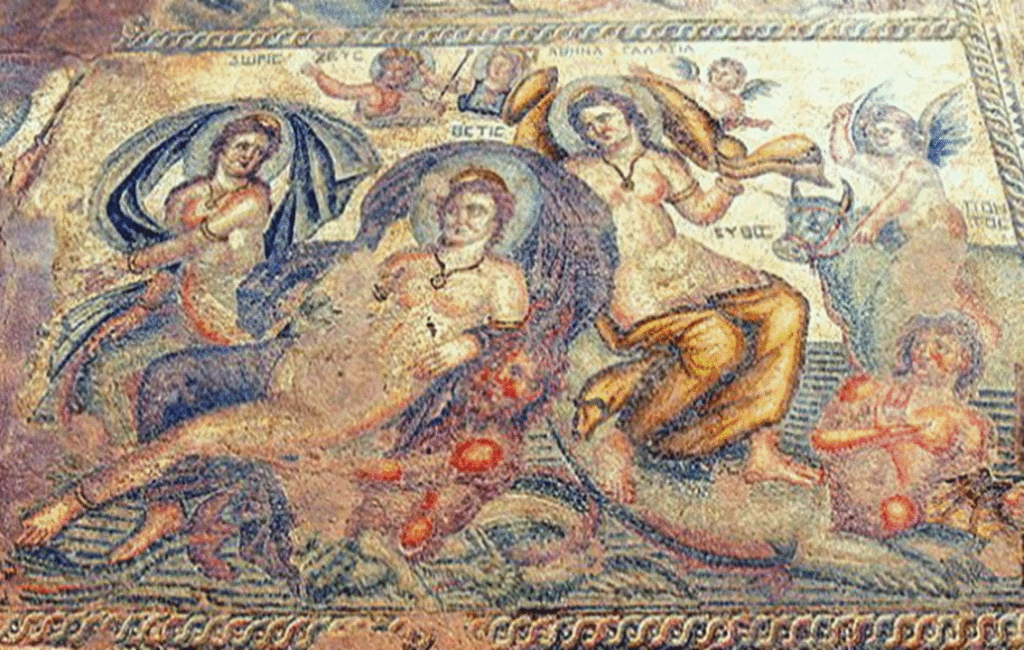
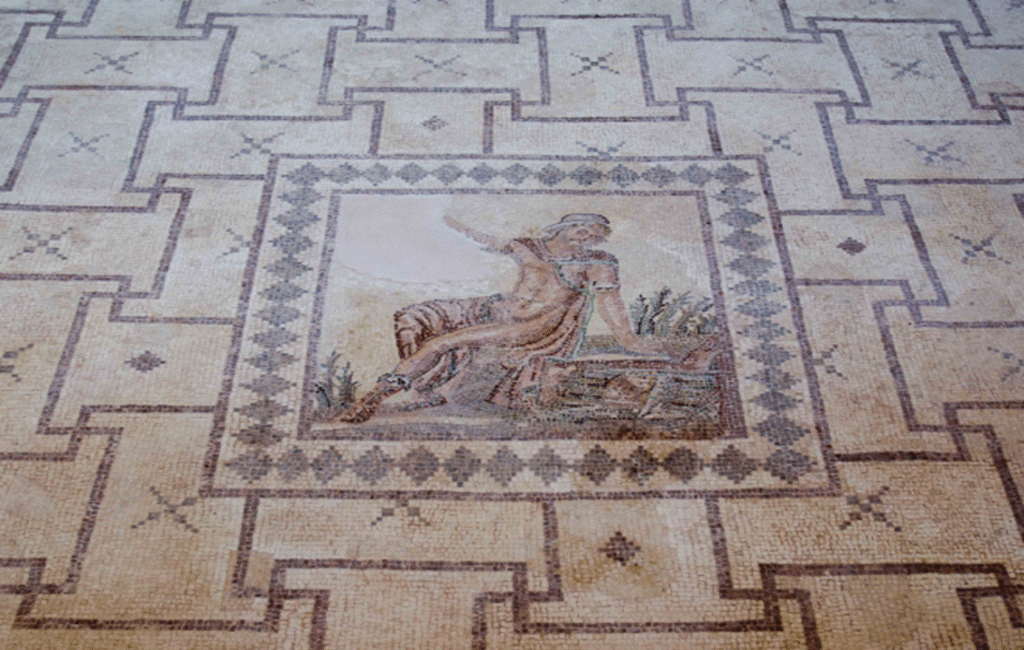
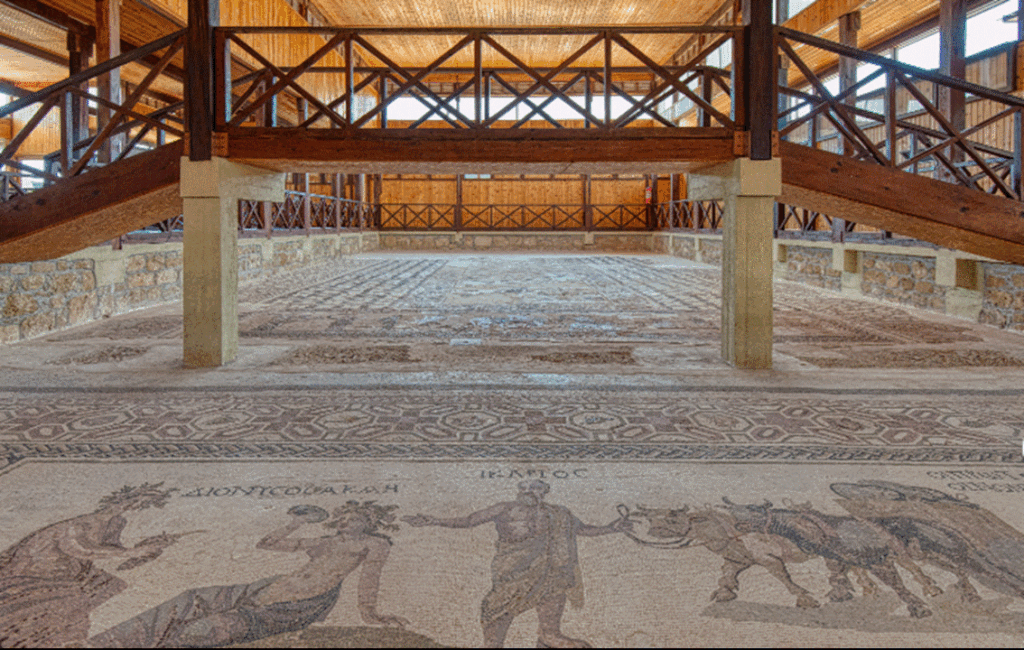
House of Dionysos: This house, which is the largest villa on the site, is named after the god of wine and revelry. Its mosaics are particularly noteworthy for both their size and geometry. Spanning up to 2,000 square metres, it features over 550 square metres of vibrant mosaic floors. The artwork focuses heavily on Dionysos, and depicts a series of vintage hunting scenes. Other mosaics portray scenes attributed to Acme, Ikarios, Poseidon, Amymone, Pyramone, Thisbe, Zeus, Ganymedes, Phaedra, Hippolytus and Daphne. This house also features an earlier rare Hellenistic pebble mosaic from the 3rd century BC. Depicting the sea-monster Scylla, it is believed that this mosaic possibly inspired the later Roman mosaics at the the site.
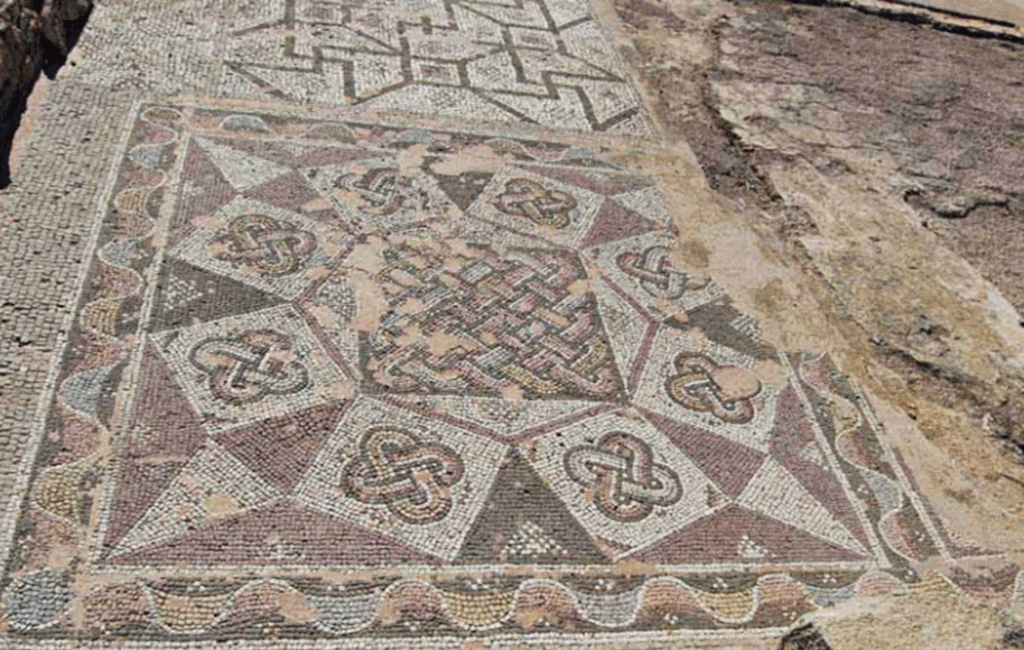
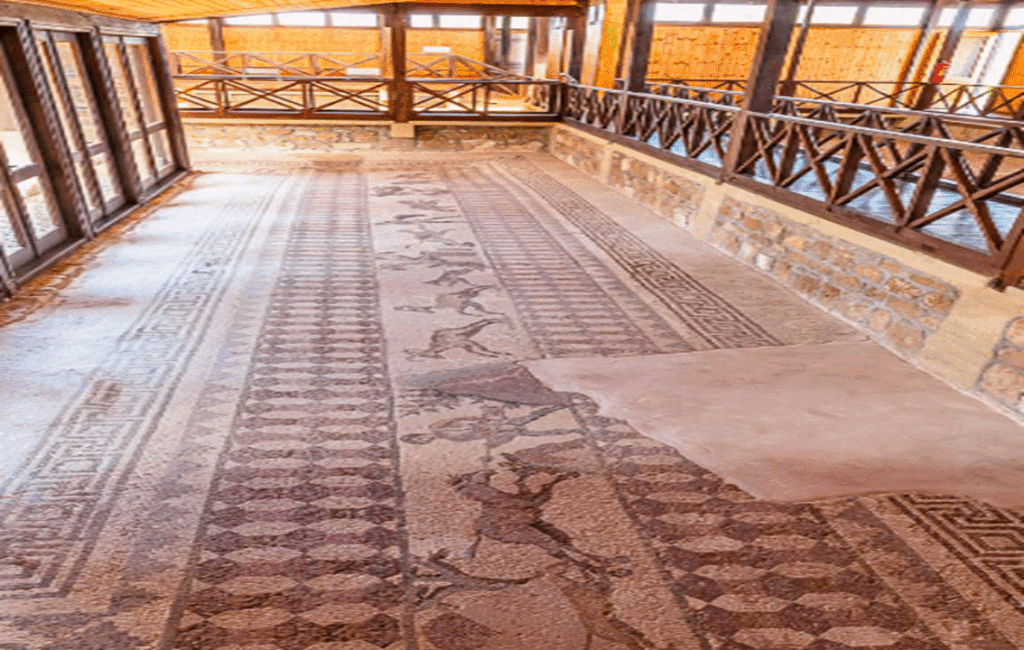
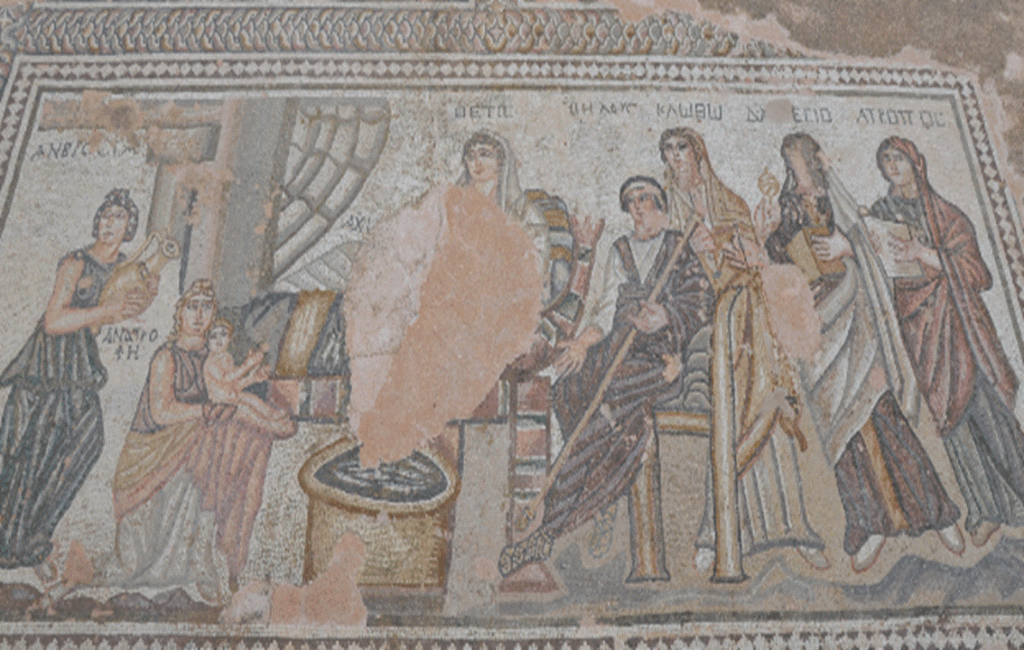
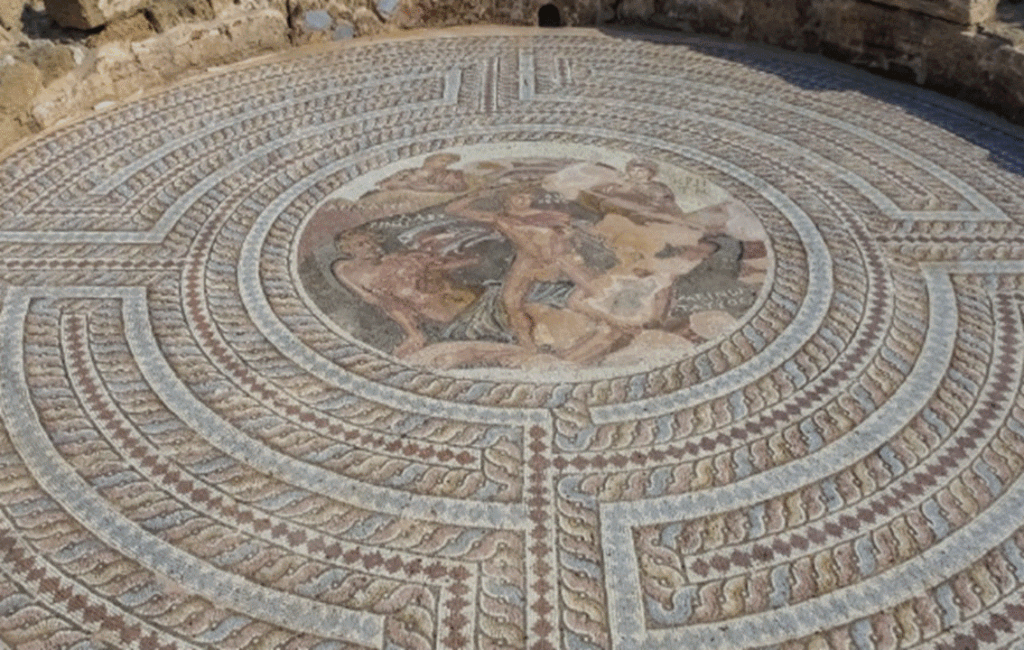
House of Theseus: This house, famed for its geometric masterpieces that include prime examples of vivid colour and complexity, is named after the hero Theseus. The artwork here focuses heavily on his battle with the Minotaur in the Cretan labyrinth. Other notable mosaics also depict the God of the sea, Poseidon, Ariadne, Amphitrite, and a newborn Achilles.
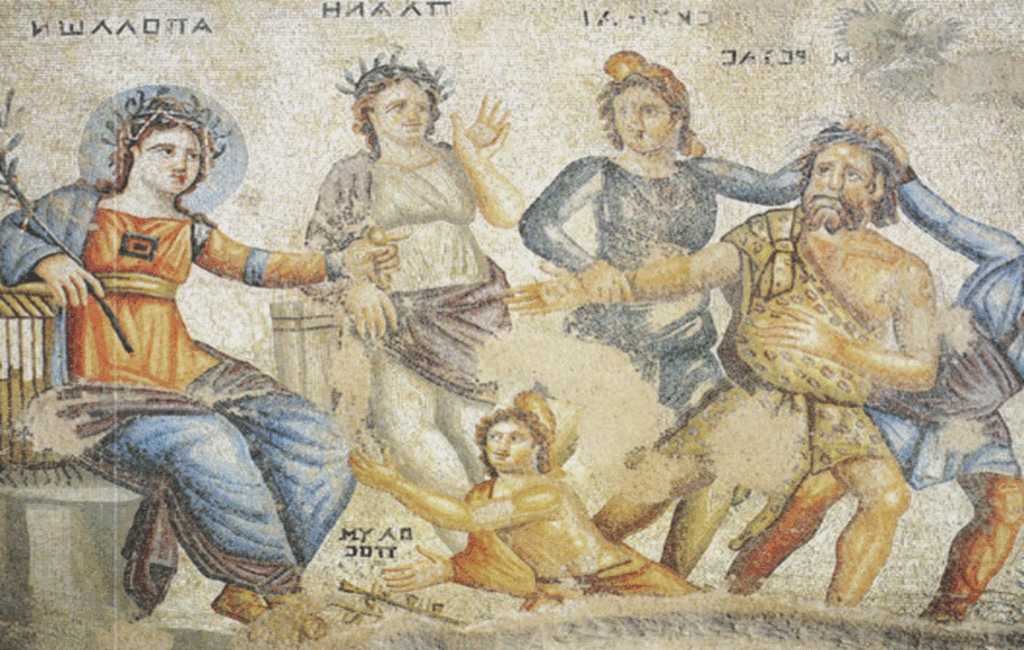
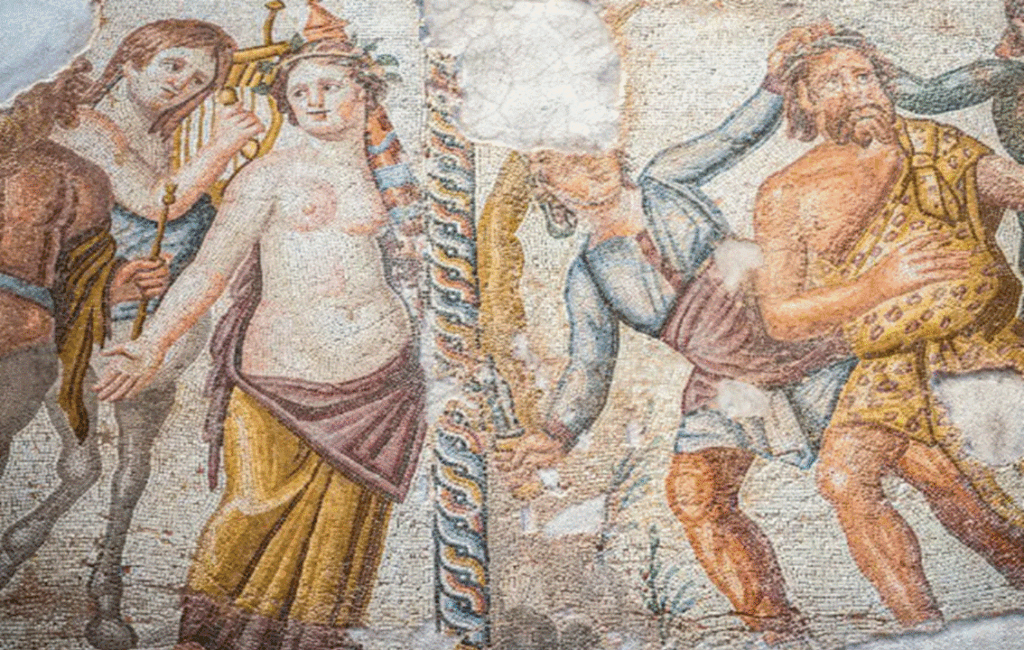
House of Aion: This house, which contains some of the most detailed and artistically spectacular figural panels on site, is named after the God of eternity, Aion. The mosaics housed here are particularly noteworthy for their extreme detail, stark floral designs, and intricate geometric patterns and symmetry that are cyclically portrayed. Its five main panels depict an infant Dionysos, Lyda with Zeus, who takes the form of a Swan, a divine beauty contest between Cassiopeia and the Nereids, a music competition between Apollo and Marsyas, a Dionysian procession, which includes maenads and virile satyrs, Hermes, Nymphs, Anatrophe and Tropheus, Narcissus, and the personification of the four seasons, which also depicts the passage of time. This is personified by figures surrounded by various symbols and motifs.
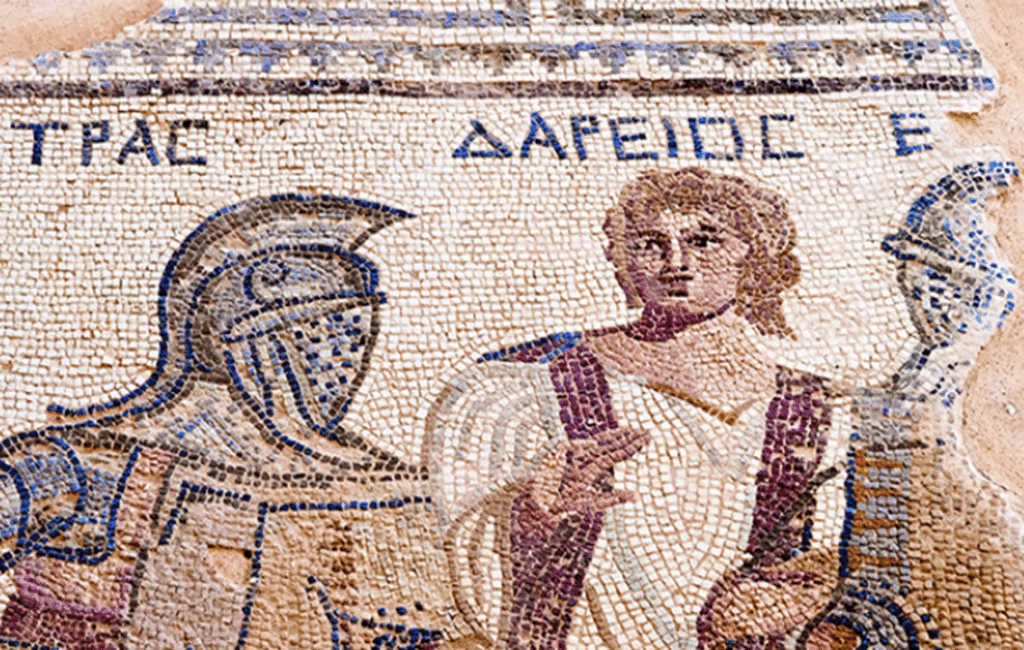
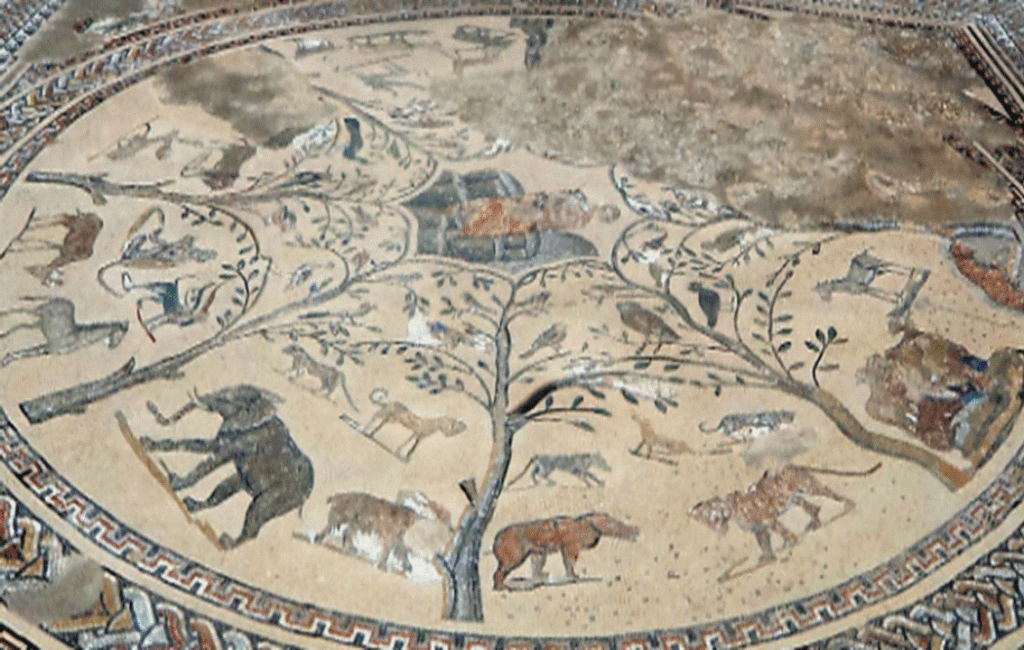
House of Orpheus: This house is named after the mortal musician who bravely challenged Hades for the soul of his wife. Its particularly noteworthy mosaics that are known for their intricate designs and neutral colours, depict Orpheus taming wild beasts with his music, Hercules fighting the Nemean Lion, and an Amazon warrior with her war horse.
A LEVEL OF DETAIL & EXPRESSION
One of the most remarkable aspects of the Paphos Mosaics is the level of detail and expression in each mosaic. The figures and scenes are depicted with a remarkable level of realism and emotion, and these mosaics truly capture the essence of the stories and events they depict.
REVOLUTIONARY ARTISTIC TECHNIQUES & STYLES
These mosaics also showcase a wide range of artistic techniques and styles. These include perspective, shading, and foreshortening. Roman artisans used these techniques to create a sense of depth and movement in each depiction, vividly bringing each scene to life. this helps to dramatically immerse the viewer into the stories and events they depict.
SOCIAL & CULTURAL LIFE
The Paphos Mosaics are also significant for their historical and archaeological value. The ornate mosaic floors provide important evidence of the architectural and decorative practices of wealthy Roman landowners in Cyprus at the time. The mosaics also offer an interesting insight into the social and cultural life of the period. To an extent, they also offer an insight into the beliefs, customs, and daily life of Roman-era Cyprus. The mosaics provide important evidence of the cultural and religious practices of the time, shedding light on the beliefs and values of the people who created and then lived among these magnificent artworks.
RESEARCH EFFORTS
In recent years, there has been a growing interest in the Paphos Mosaics. Several scholars, archaeologists, and art enthusiasts from all over the world, have shown an avid interest. Major research and conservation efforts have also been carried out to better understand the history and significance of these prime examples of Roman art. As a result, their preservation and protection have remained a priorityfor Cypriot authorities and various international organisations, responsible for their welfare since their discovery in 1962. This has meant that bold new preservation and restoration techniques have successfully been employed at the site.
A TOURIST ATTRACTION
The Paphos mosaics are a testament to the rich cultural heritage of Cyprus and provide a unique opportunity to catch a glimpse of the island’s history as well as the ancient world.These exceptional mosaics remain amongst the world’s finest, and they have become a popular tourist attraction.
A ONCE IN A LIFETIME EXPERIENCE
Visitors are constantly drawn to the site from all around the world. The whole site allows one to admire not only the beauty of the mosaics but also the site’s historical significance. The site also allows people to envisage first-hand how ancient Romans lived on the island, offering a once-in-a-lifetime experience.
A CULTURAL TREASURE
The Paphos Mosaics continue to be a source of pride for the people of Cyprus. They have also been known to be an inspiration for visitors from around the world. are both a remarkable and important cultural treasure that provides valuable insights into the art and history of the ancient world. These mosaics are not only significant for their artistic and historical value but also for their role in preserving and promoting the cultural heritage of Cyprus. The mosaics are a testament to the skill and creativity of the ancient craftsmen who created them.
PRESERVATION & CONSERVATION
The mosaics also offer valuable information not only about the techniques and materials used in their creation but also about their preservation. This, as well as the methods of preservation and conservation that were employed after their creation, sheds light on how these artworks have survived for centuries. These mosaics continue to captivate and inspire all who have the opportunity to experience them. Several efforts are constantly being made to ensure the long-term conservation of these works. Ongoing efforts include measures to protect them from environmental damage, vandalism, and theft. This ensures that they will continue to be enjoyed by future generations.
VISITOR TIPS & PRACTICAL INFORMATION
The Paphos Archaeological Park, which houses the Paphos Mosaics, is an archaeological site that contains the ruins of an important ancient Greco-Roman city. The park is open to the public 7 days a week and has a minimal entrance fee that can be purchased at the door on arrival. Senior citizens and students receive a discount, and children under the age of 12 can enter for free.
The whole archaeological park is heavily exposed to the elements. While shelters protect the main mosaic floors and provide shade, walking between the houses requires tracking through open fields. In light of this, visitors are highly encouraged to bring sunscreen, hats, and plenty of water, as there are no cafés on the immediate grounds.
Raised wooden walkways run over the top of the attractions, making the main exhibits highly accessible for wheelchairs and pushchairs.
THE PAPHOS ARCHAEOLOGICAL PARK
The Paphos Archaeological Park encompasses a large area and as well as the Paphos Mosaics, visitors can experience the well-preserved ancient settlement, which includes many buildings. The PAPHOS LIGHTHOUSE is also in view from the park.
Opening hours April 16th to September 15th – 8:30am till 7:30pm September 16th to April 15th – 8:30am till 5:00pm