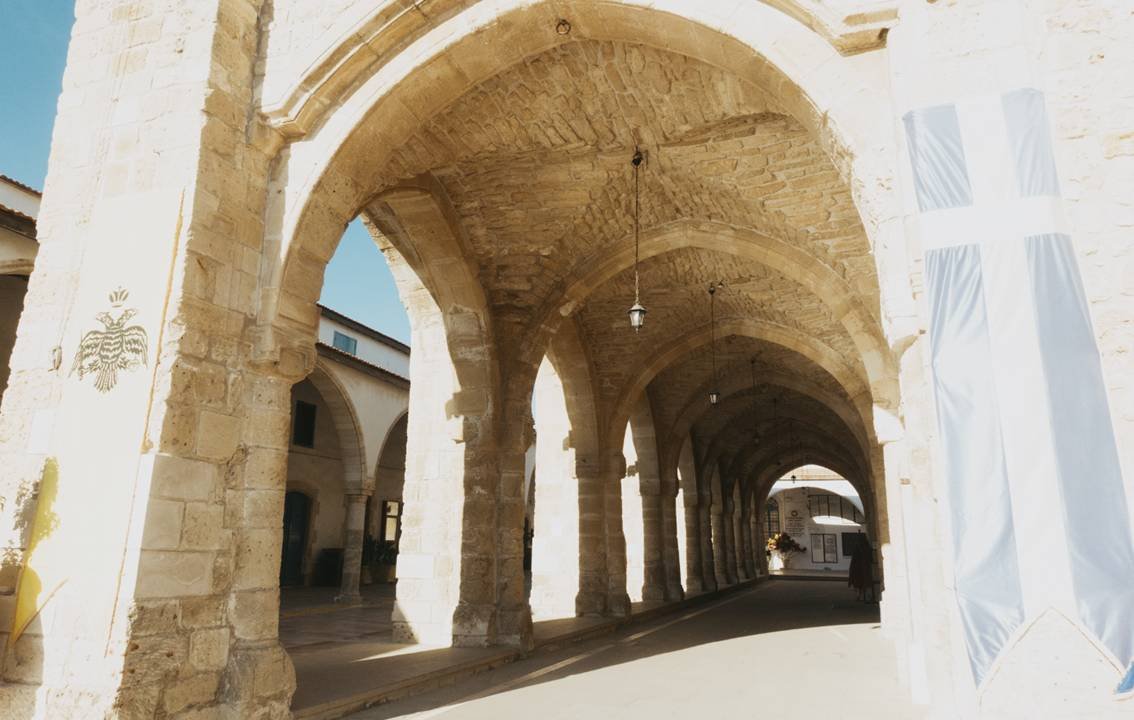
Larnaca is one of the oldest continually inhabited regions in Cyprus, and this is showcased by a fascinating transition from its origins as the ancient city-kingdom of Kition through to the Byzantine, Ottoman, and British eras that helped form today’s dynamic city. CAR HIRE is probably the best way to truly capture the breadth of this part of the island’s history. This will not only allow for the exploration of urban Larnaca, but will also allow for access to several places of interest in and around the city’s suburbs and the mountainous interior of the district.
SEVERAL PLACES OF INTEREST
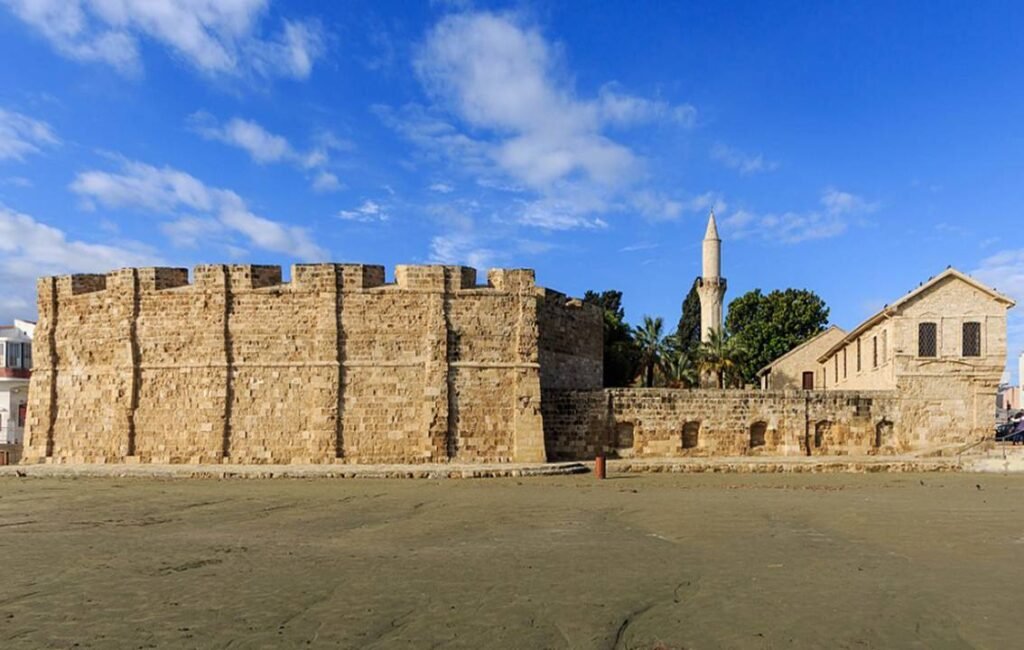
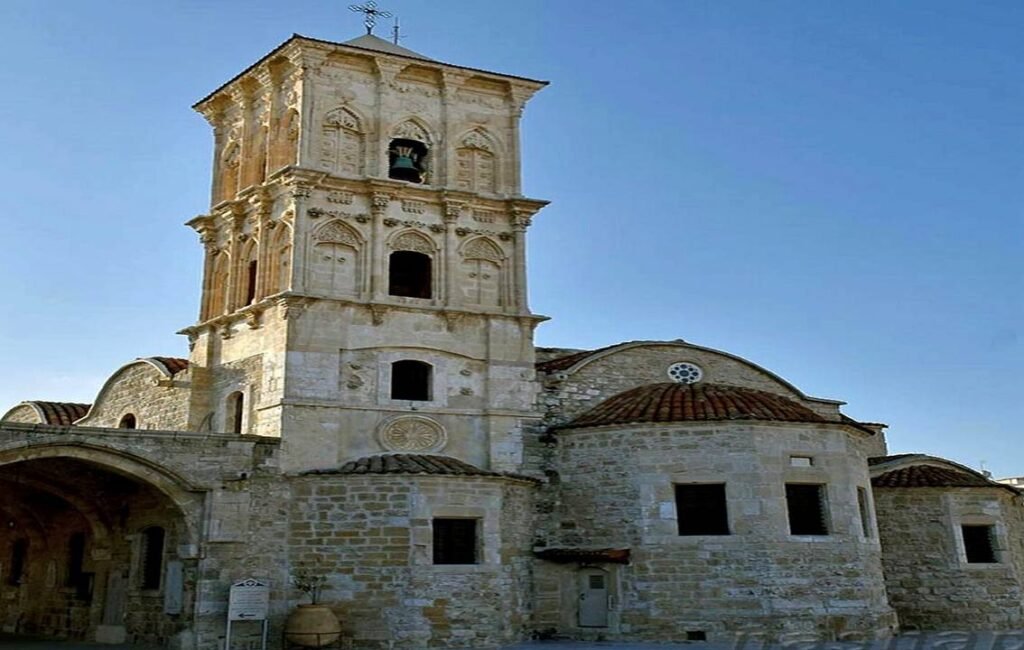
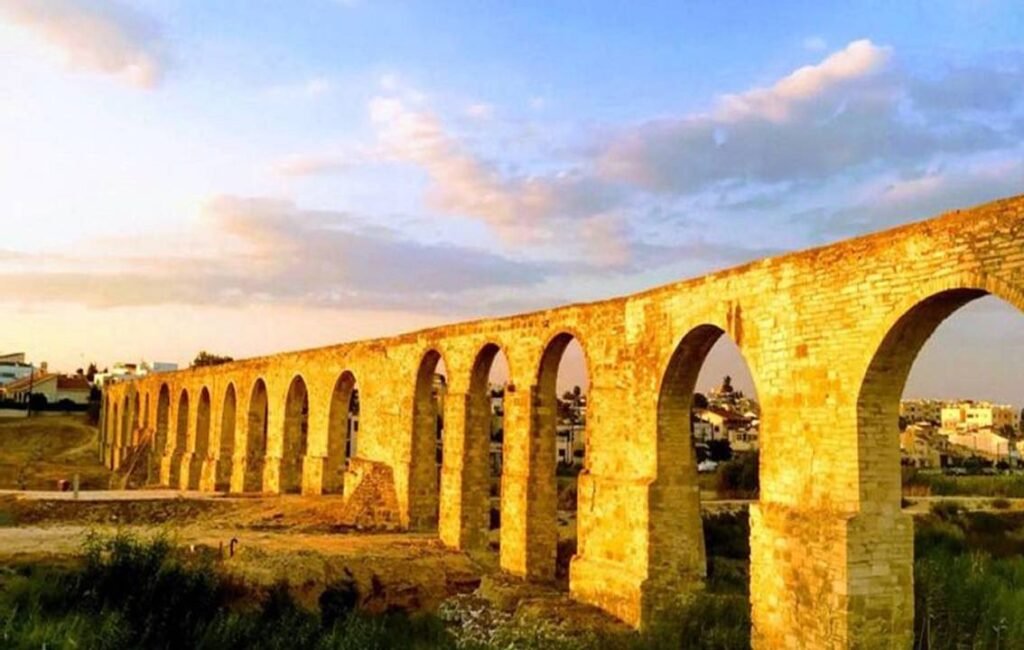
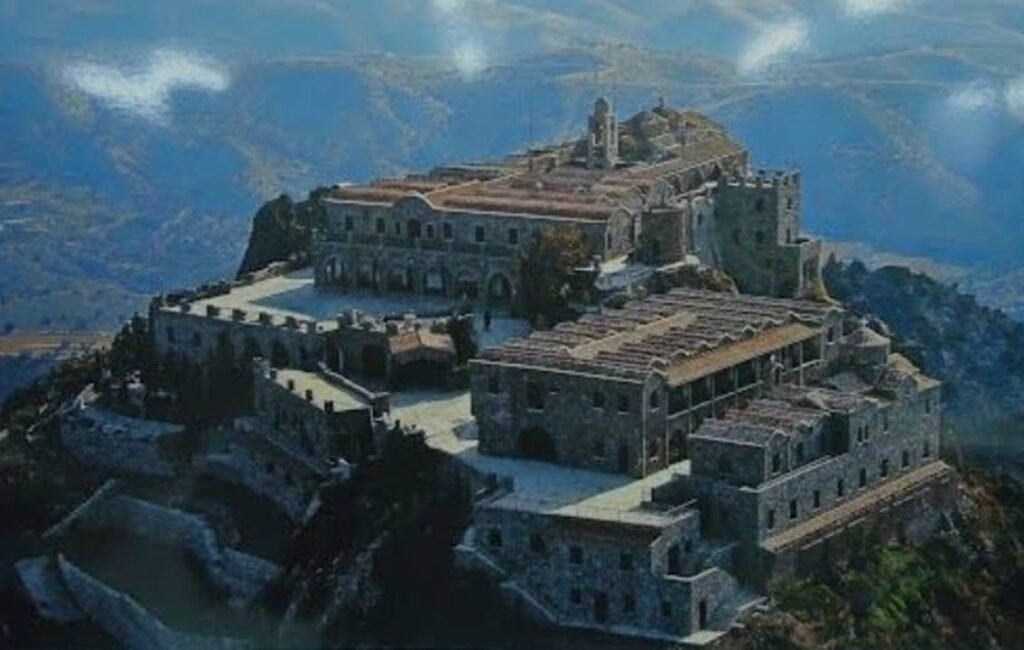
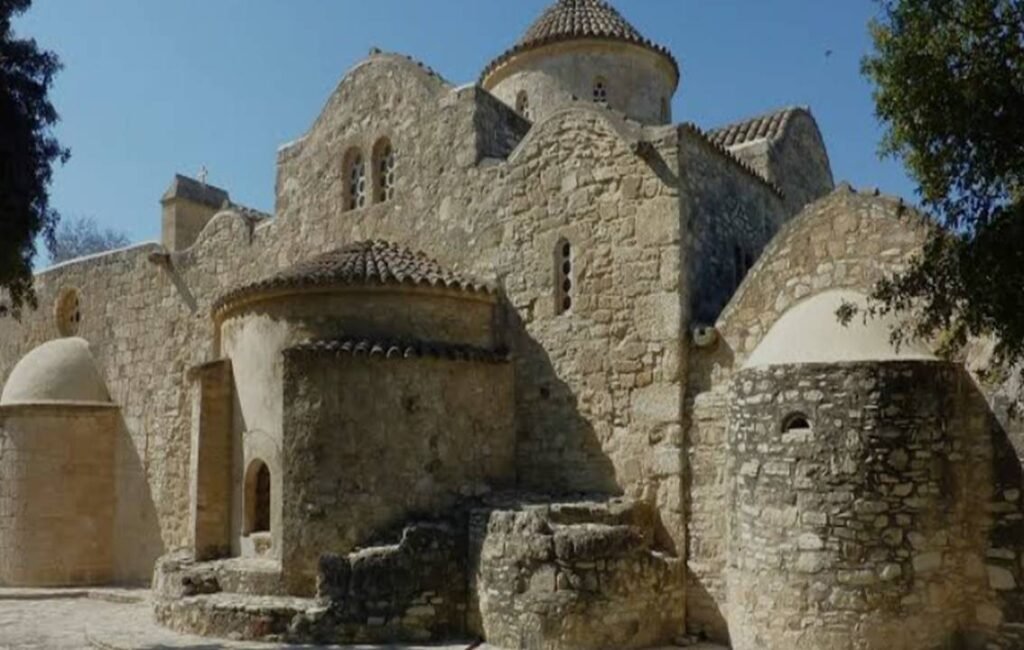
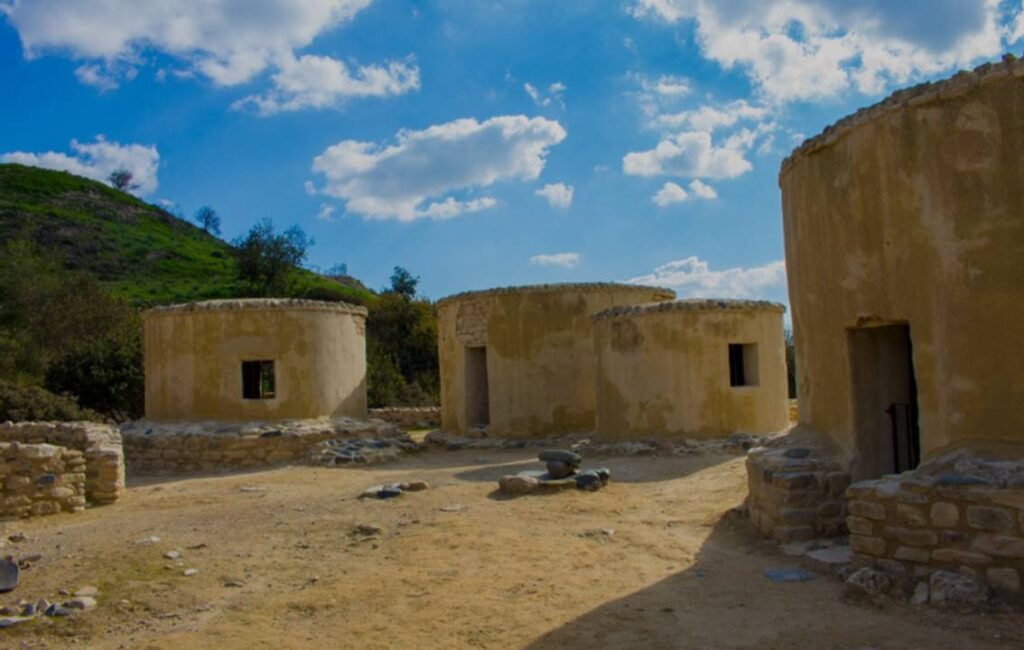
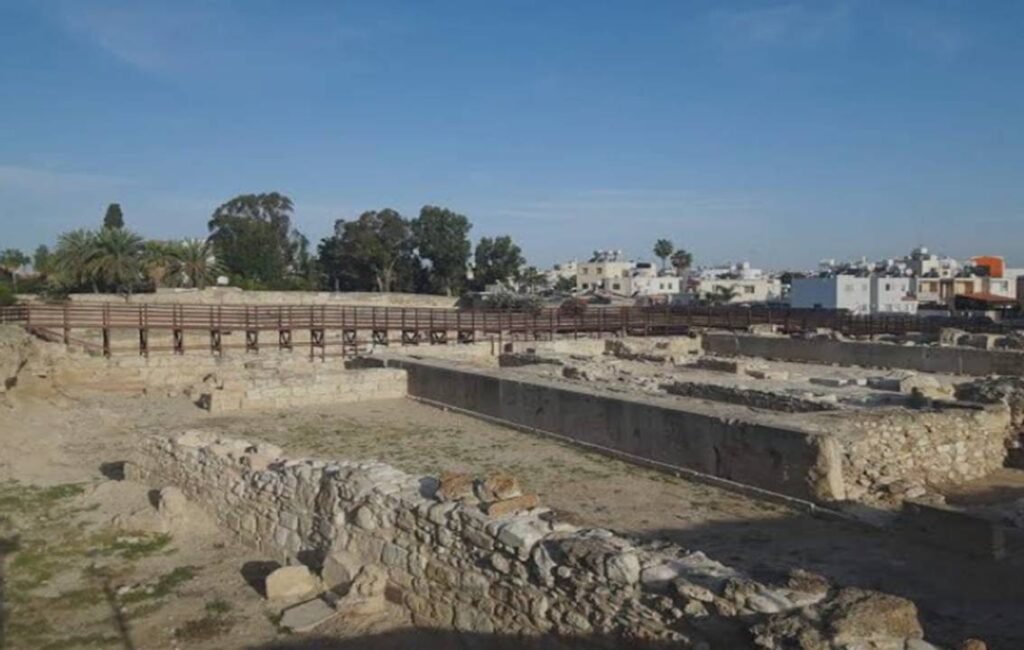
There are a number of historical and cultural sites situated in and around the Larnaca district. Easily accessible by car, these include theHALA SULTAN TEKKE by the Larnaca Salt Lakes and the KAMARES AQUEDUCT, which are both located directly west of the city. The Holy Church of the Virgin Mary Angeloktisti can be found further west in the Larnaca village suburb of Kiti. The Neolithic Settlement of Choirokoitia and the Stavrovouni Monastery are also both situated further west of the city. There are also a number of historical and cultural sites that are situated closer together within the city. This makes them highly accessible for a day of walking. Within sight of the nearby Larnaca Medieval Fort, which borders both Finikoudes and MACKENZIE beaches, the majestic, deeply spiritual 9th-century Byzantine architectural masterpiece known as the Holy Church of Saint Lazarus is one such place. A little further away to the north of lies the archaeological site of the once fabled City-Kingdom of Kition.
A SELECTION OF HISTORICAL & CULTURAL SITES OF INTEREST
THE LARNACA MEDIEVAL FORT
The Larnaca Medieval Fort, also known as Larnaca Castle, is located on the coast, deep in the heart of the city. It was originally constructed as a garrisoned fort to defend the southern coast of Cyprus and the harbour town of Larnaca. It was later used as an artillery station, prison, and today it is a museum.
THE CHURCH OF SAINT LAZARUS
Constructed in the 9th century, this church stands as one of the finest examples of Byzantine architecture on the island. Built over his crypt and tomb, the church acts as a monument to the patron saint of the city, Saint Lazarus of Bethany, who was once resurrected by Jesus. The crypt houses an exceptionally intricate, gold-plated iconostasis and the underground stone sarcophagus of the saint. Today, this sanctuary, along with an ecclesiastical museum located behind the church, is fully accessible to all visitors. The storytelling statue of Emperor Leo VI, near the square, also narrates the church’s origins.
THE KAMARES AQUEDUCT
Still in use until 1930, this 18th-century Ottoman structure once supplied water to the entire city of Larnaca. Today, this structure represents a beautiful example of 18th-century Ottoman architecture.
This monastery was founded in the 4th century by Saint Helena, mother of Constantine the Great. Today, the monastery that is perched on a rocky peak, overlooking the greater Larnaca district, also houses a fragment of the true cross.
THE ANGELOKTISTI CHURCH
This Byzantine church was built during the 11th century over the ruins of an earlier Christian basilica. This church features a rare 6th-century mosaic depicting the two archangels flanking the Virgin Mary and the Child. Several scholars regard this as one of the finest examples of Byzantine art in existence, rivalling the Ravenna Mosaics.
THE CHOIROKITIA NEOLITHIC SETTLEMENT
The village of Choirokoitia is considered one of the most important prehistoric archaeological sites in the Eastern Mediterranean. The UNESCO World Cultural Heritage Site contains the remains of a Neolithic settlement. The site also features several recreated structures. These allow visitors to visualise how these ruins were once arranged. The site as a whole offers several insights into the lives of the very first inhabitants of Cyprus.
ANCIENT KITION
First established by Mycenaean Achaean Greeks, this site has remains dating back to the 13th century BC. This site is regarded as one of the most important ancient City Kingdoms of Cyprus. The site includes a complex of five temples surrounded by cyclopean walls made of giant blocks of stone.
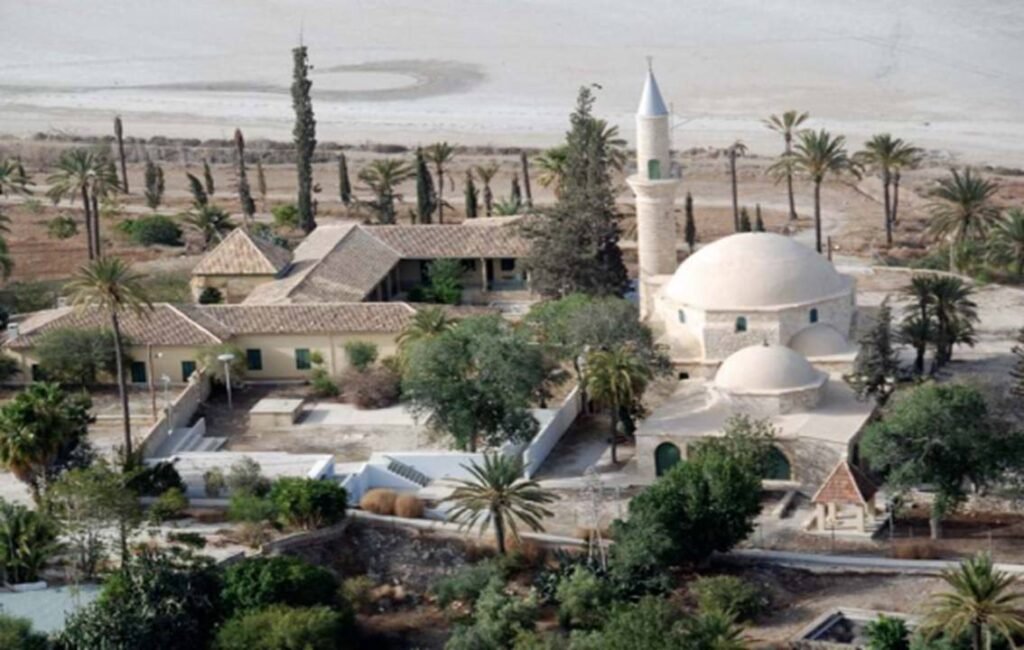
THE HALA SULTAN TEKKE
This mosque ranks in importance immediately after the shrines of Mecca, Medina and Al Aqsha in Jerusalem. Built in 1816 over the tomb of Umm Haram, this landmark today remains as an important place of Muslim pilgrimage.