A DEDICATION TO SAINT LAZARUS
A DEDICATION TO SAINT LAZARUS
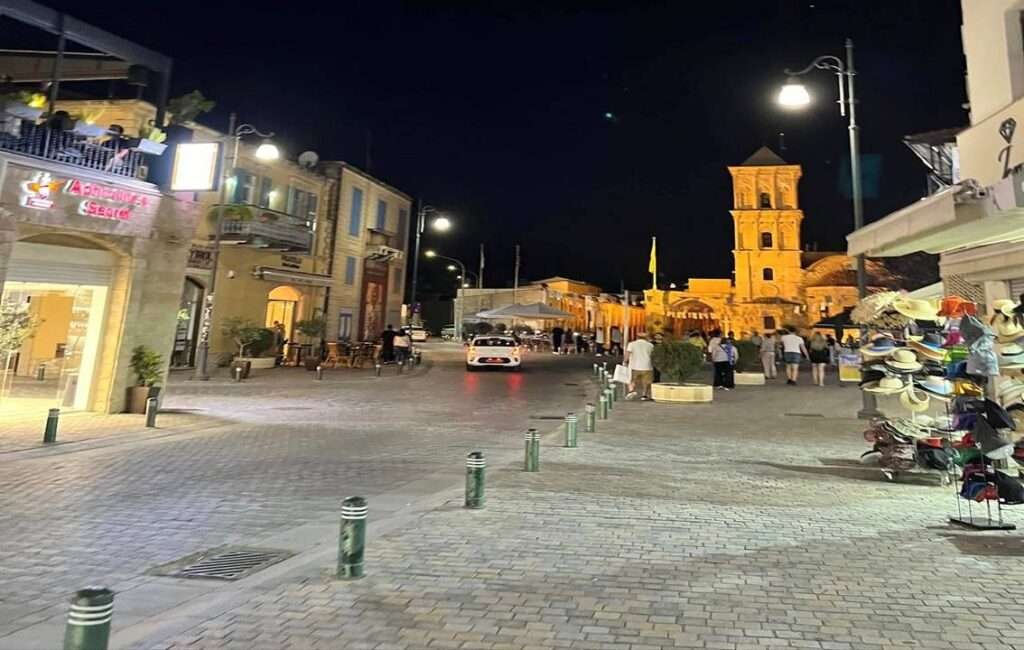
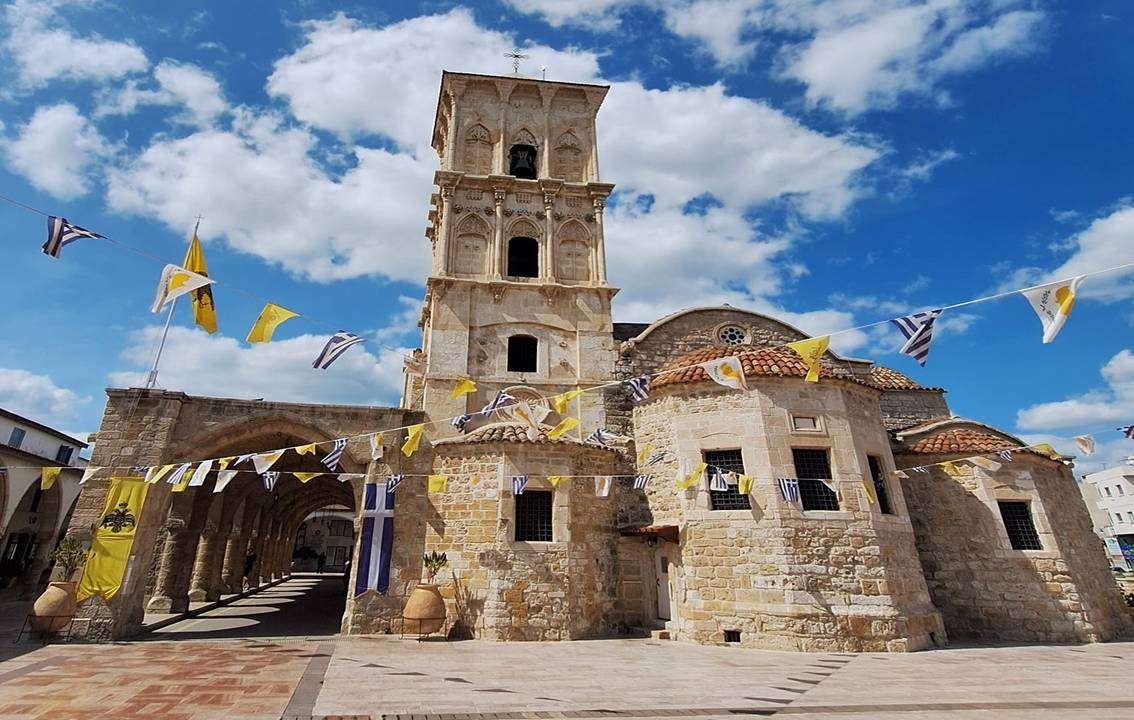
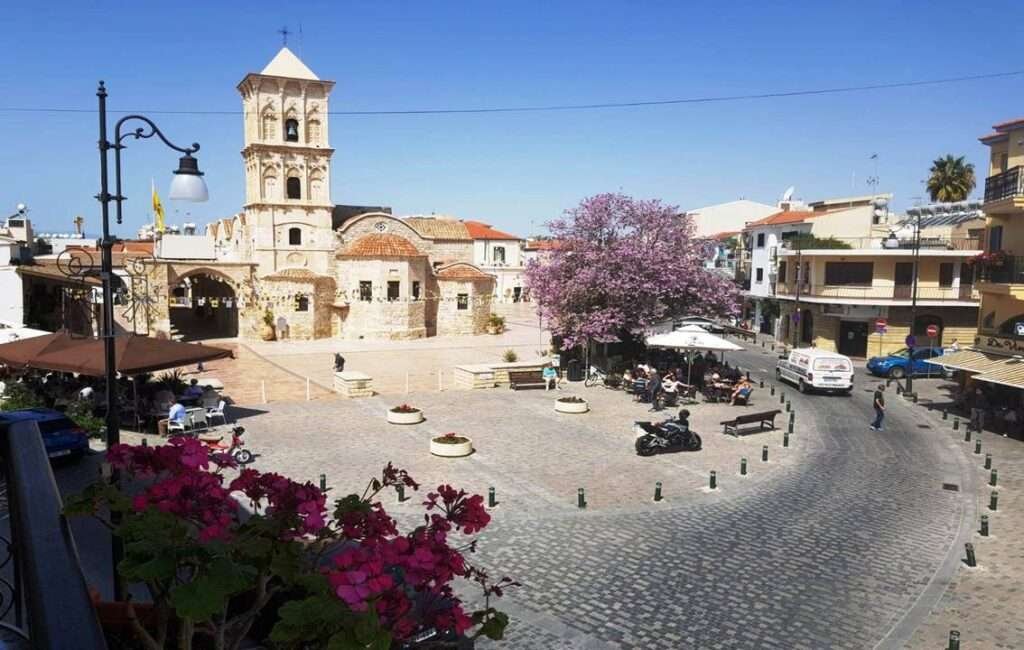
The Holy Church of Saint Lazarus is an active Greek Orthodox parish and one of the island’s most historically significant and architecturally captivating religious landmarks. The magnificent 9th-century Byzantine stone-built basilica, located in the heart of the City of Larnaca, is built over the tomb of Lazarus of Bethany, Saint Lazarus is the subject of a miracle recounted in the Gospel of John, in which Jesus raises him from the dead. This place of Orthodox worship today stands as one of the most prominent, revered, and structurally significant Christian pilgrimage sites in the world.
EASTERN ORTHODOX TRADITIONS
Eastern Orthodox tradition dictates that, following his resurrection by Christ, Lazarus of Bethany fled Judea to Cyprus. Settling in Kition, modern-day Larnaca, he was ordained as the city’s very first Orthodox Christian Bishop by the Apostles Paul and Barnabas. He then served the community for 30 years before passing away a second time.
WIDESPREAD PUBLIC ACCLAIM
Widespread public acclaim and early Christian veneration, in the centuries following his second death, elevated Lazarus of Bethany as a saint. Historical records, documented by the famous Spanish pilgrim Etheria, tell of regular pilgrimages and widespread veneration of Saint Lazarus, which was already firmly established in Jerusalem by the 4th century. Although important, his revered tomb, bearing the inscription ‘Lazarus, four days dead, the friend of Christ’, was lost to time by the late 9th century.
A CHANCE DISCOVERY
Rediscovered in 890, when a marble sarcophagus was unearthed bearing the remarkably specific Greek inscription, the primary remains of Saint Lazarus were then relocated to the imperial capital of Byzantium, Constantinople, in 898. This event is still commemorated annually on October 17th. Although the majority of holy relics were previously removed, restoration work in 1972 revealed more holy relics beneath the church’s altar.
BUILT USING LIMESTONE
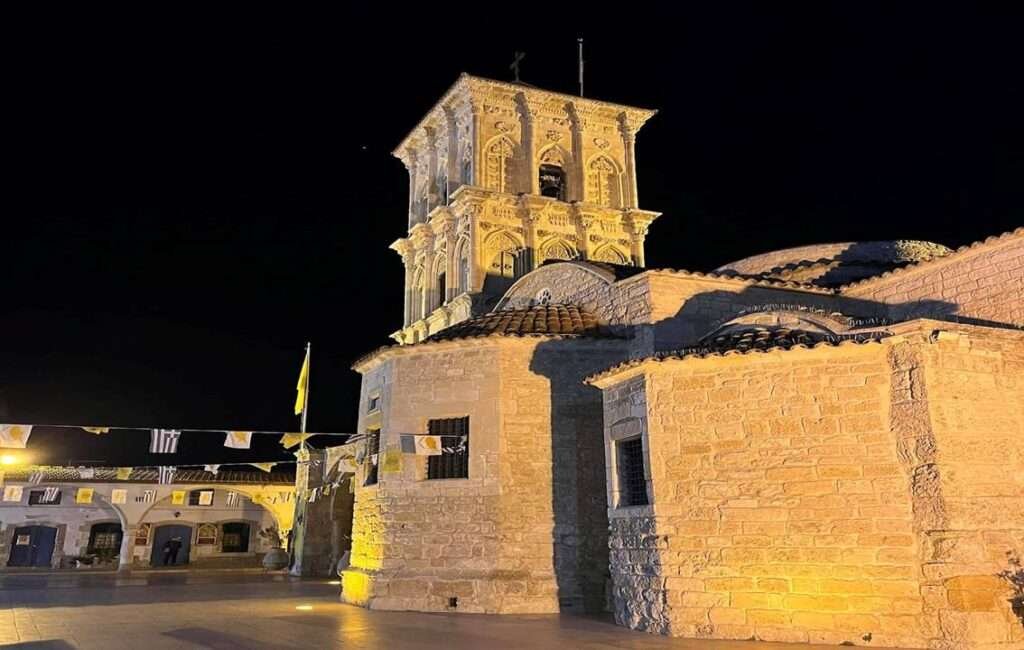
Emperor Leo VI of Byzantium then had the limestone church built in honour of the Bishop of Larnaca over his rediscovered tomb. Built from thick local limestone blocks, the structure originally boasted three prominent domes and a grand bell tower that dominated the immediate area surrounding the square where it is located today.
A STUNNING ARCHITECTURAL BLEND
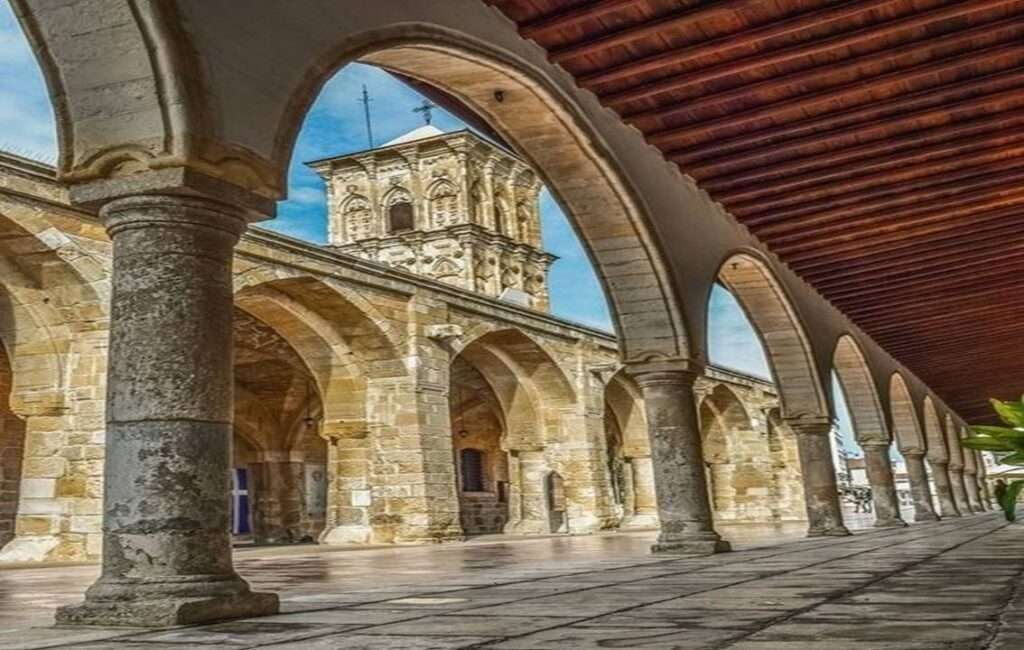
The church then evolved through numerous foreign occupations of the island. This came after it transitioned between Greek Orthodox, Roman Catholic, and Islamic use. The church, because of this, features a stunning architectural blend, resulting from the centuries of shifting imperial control. Although originally built as an Orthodox church, it was converted into a Catholic church under the rule of the Crusaders and then the Latin rulers of Cyprus thereafter. A Gothic-style portico, added during the Latin period, still survives today.
A STUNNING ARCHITECTURAL BLEND
The church remained as such until Ottoman rule, which began in 1571. This is when it was converted into a mosque. The original three huge stone domes and belfry were levelled at around this time, and the church was largely remodelled to resemble a traditional eastern mosque, but this would only last for 18 years. After several petitions in 1589, the church of Saint Lazarus was re-instated after it was sold back to the island’s Greek Orthodox community. The striking Latinate-style bell tower at the church’s centre was rebuilt in 1857.
A STUNNING ARCHITECTURAL BLEND
The interior of the church is dominated by its baroque-style iconostasis, which is widely considered one of the finest examples of baroque woodcarving in the Mediterranean today. Masterfully carved from local wood, the iconostasis features 120 exceptional gold-plated, beautifully painted religious icons. These were completed over 10 years by 1782 by the craftsman Hatzisavvas Taliadorou. A low staircase, to the right of the altar, reveals a narrow, low-ceilinged underground stone crypt, which houses an ancient stone sarcophagus of Saint Lazarus. Located immediately adjacent to the church is a small Byzantine museum that houses several precious icons and historical religious artefacts.