A COMPREHENSIVE OVERVIEW
A SIGNIFICANT CHAPTER IN THE ISLAND’S HISTORICAL NARRATIVE
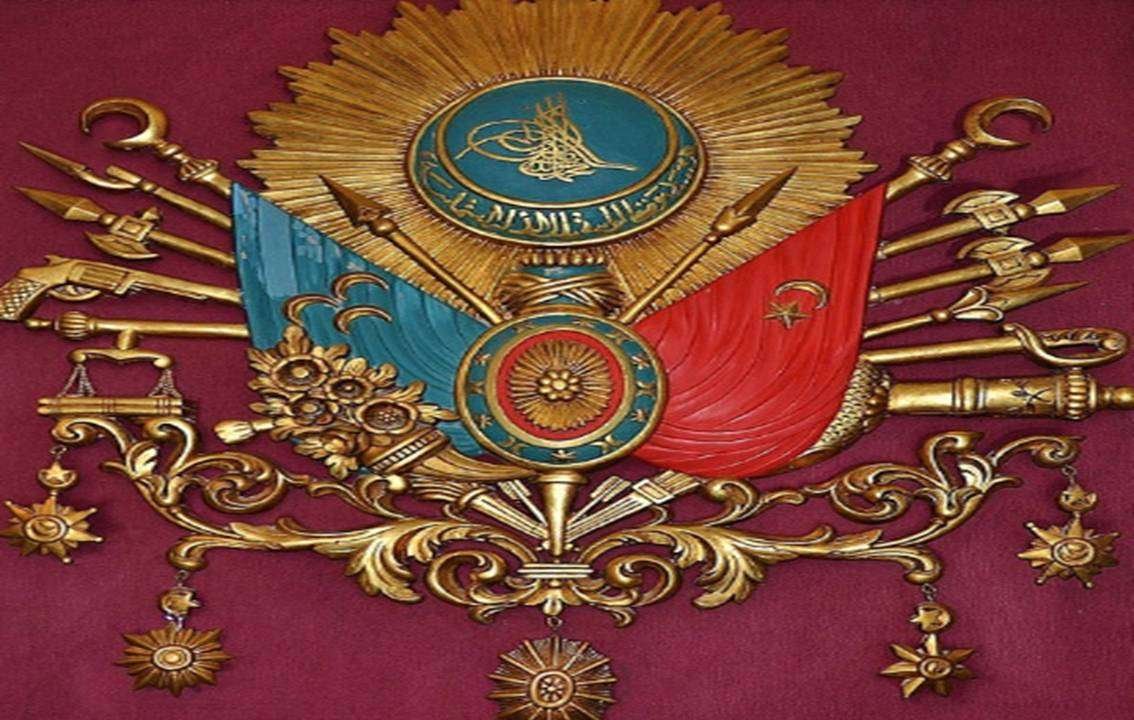
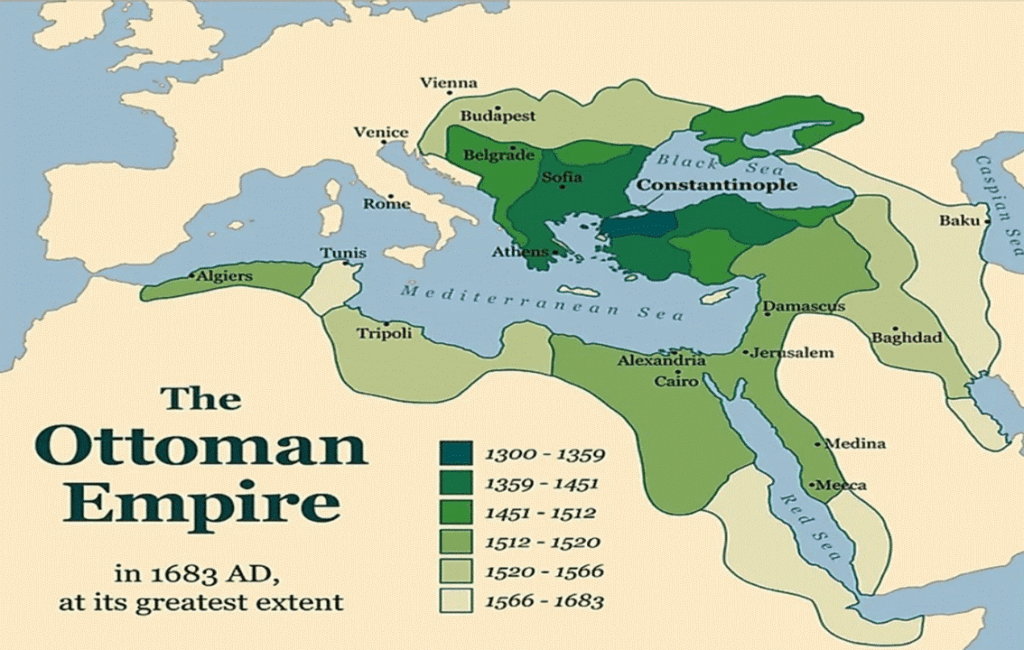
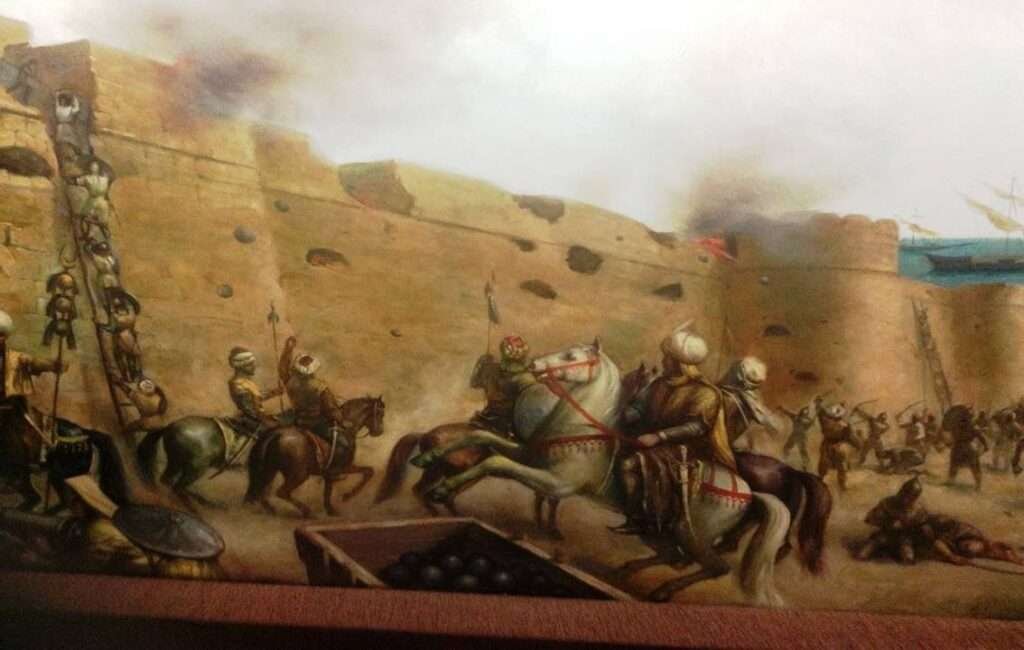
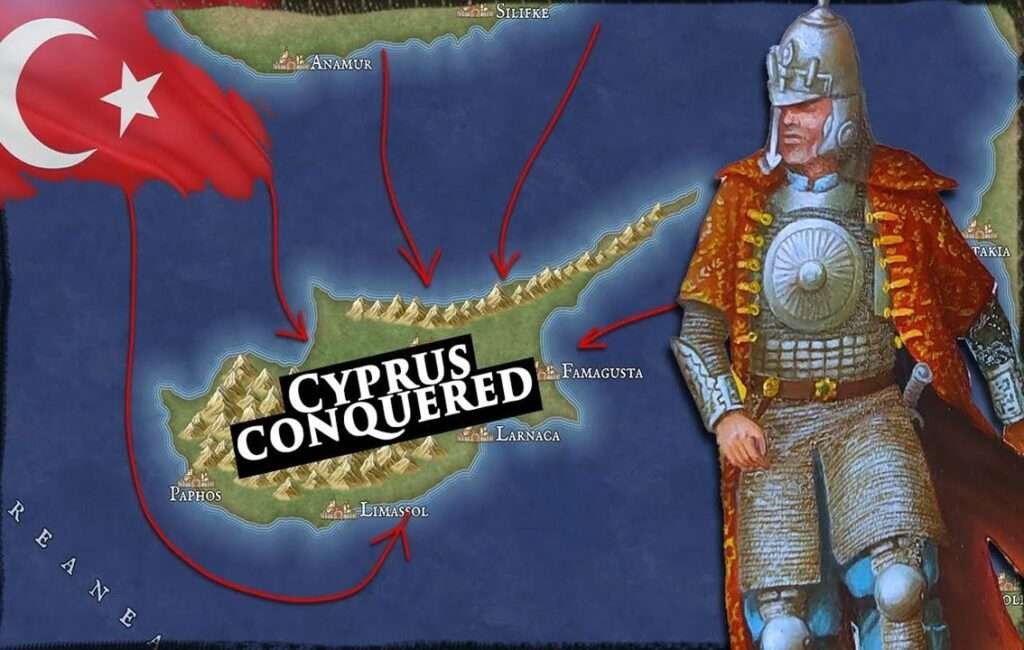
The Ottoman rule of Cyprus represents a significant chapter in the island’s historical narrative. The Ottoman Empire, which rose in the east, spanned over six centuries and covered vast regions of Europe, Asia, and Africa. Its dominion included Cyprus, which it captured from Venetian control in 1571 after a protracted land and naval conflict.
A NEW ADMINISTRATIVE FRAMEWORK
Ottoman administrators immediately integrated the island into their administrative framework, and their governing system was consolidated under a system known as the ‘Tımār’. Although a governor, appointed directly by the Sultan, was in overall control, his administration was essentially characterised by a decentralised governance model, where local leaders, often from the existing Greek Orthodox elite, were incorporated into the administration. This new system often conferred land revenue rights to local nobility and military officials in exchange for their loyalty and military service. This helped to maintain a degree of local autonomy. High taxation, however, created a huge economic burden for tenant farmers and local priests were often allowed to continue to practice their religion in exchange for collecting tax.
THE MILLET SYSTEM
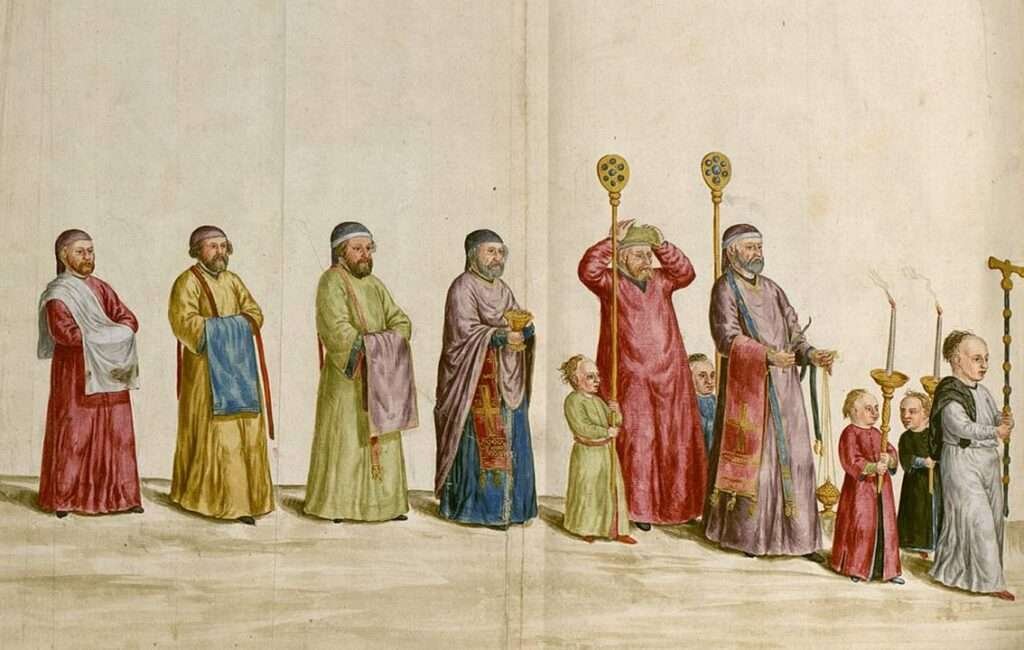
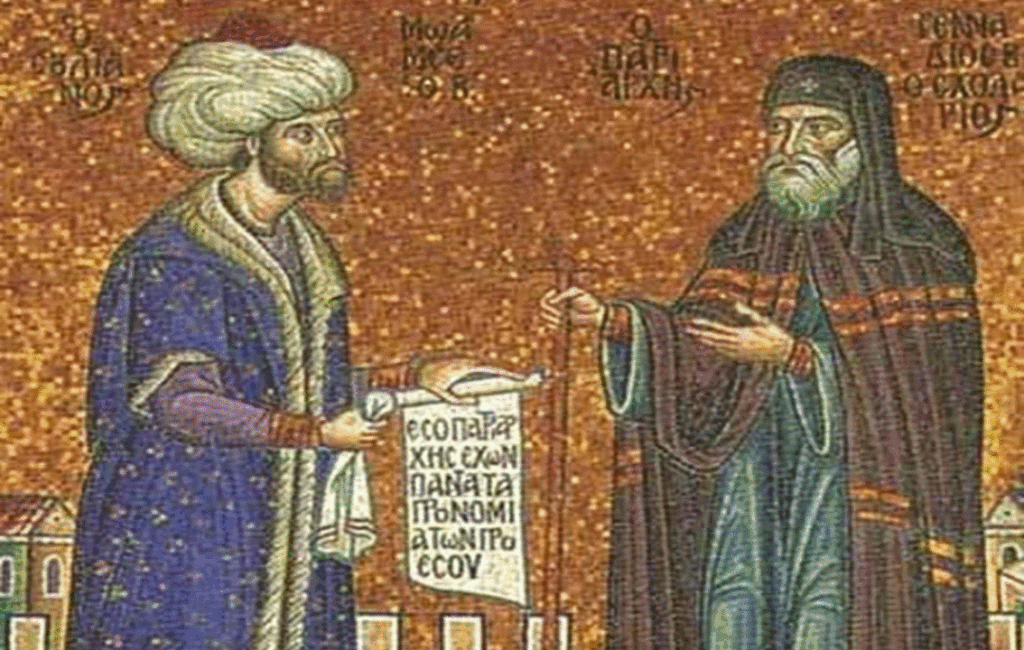
The initial years following the Ottoman conquest of Cyprus saw a demographic shift, as settlers from the east, mainly from Turkey and beyond, began to settle on the island. This led to an extended Muslim community, which coexisted with the predominantly Greek Orthodox Christians. The Ottomans ingeniously introduced the ‘Millet’ system to ensure harmony. This system allowed various religious communities to govern themselves according to their own laws and customs, and provided a framework for the majority Greek Orthodox and minority Muslim populations to coexist. The ‘Millet’ system allowed for and created mutual respect and harmony amongst both communities that went on to live side by side for centuries.
ECONOMIC CHANGE
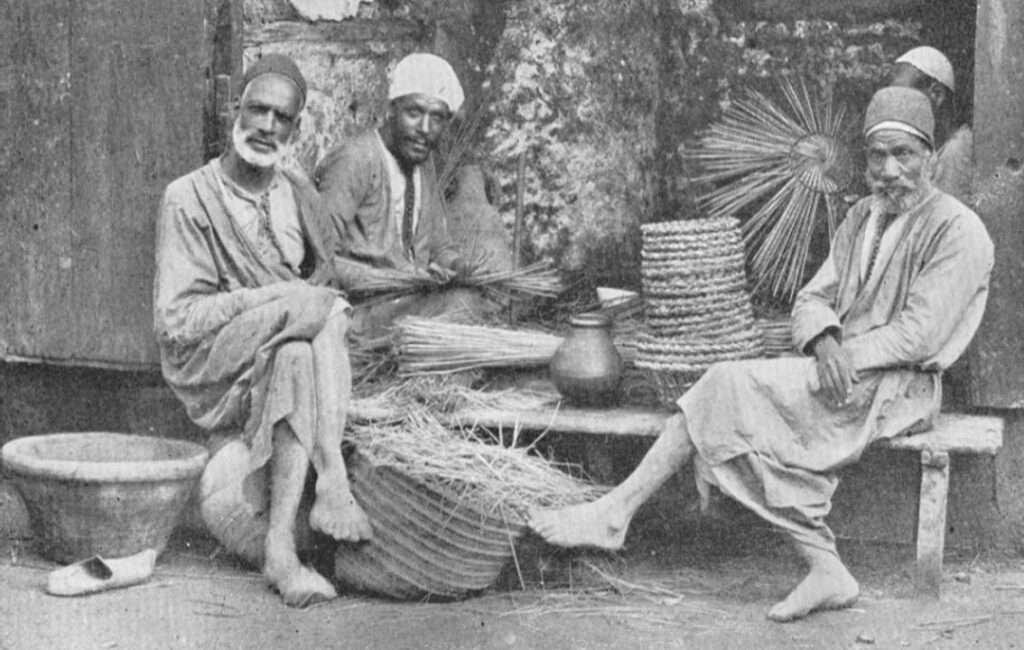
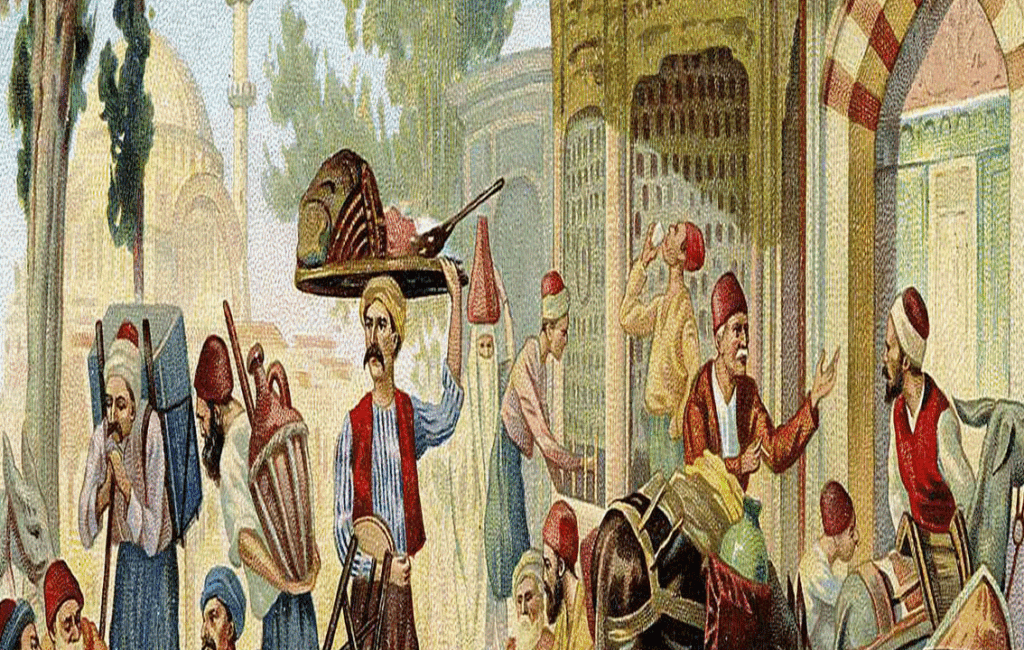
The Ottoman period also brought significant changes to the economy of Cyprus. Although trade with Western Europe began to decline, the island remained an important centre for trade, expanding its network east within the Ottoman Empire. Agriculture remained the backbone of the Cypriot economy, and wine continued to be cultivated extensively. Additionally, the Ottomans introduced new agricultural techniques that enhanced productivity, which helped the growth, in particular, of the island’s cotton industry.
CULTURAL INFLUENCES
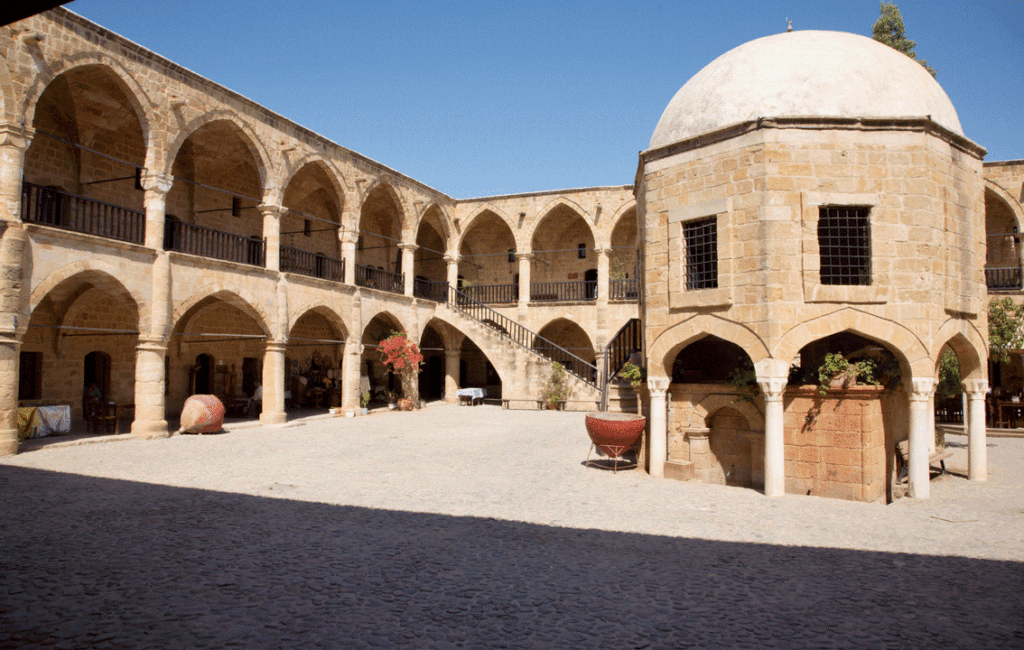
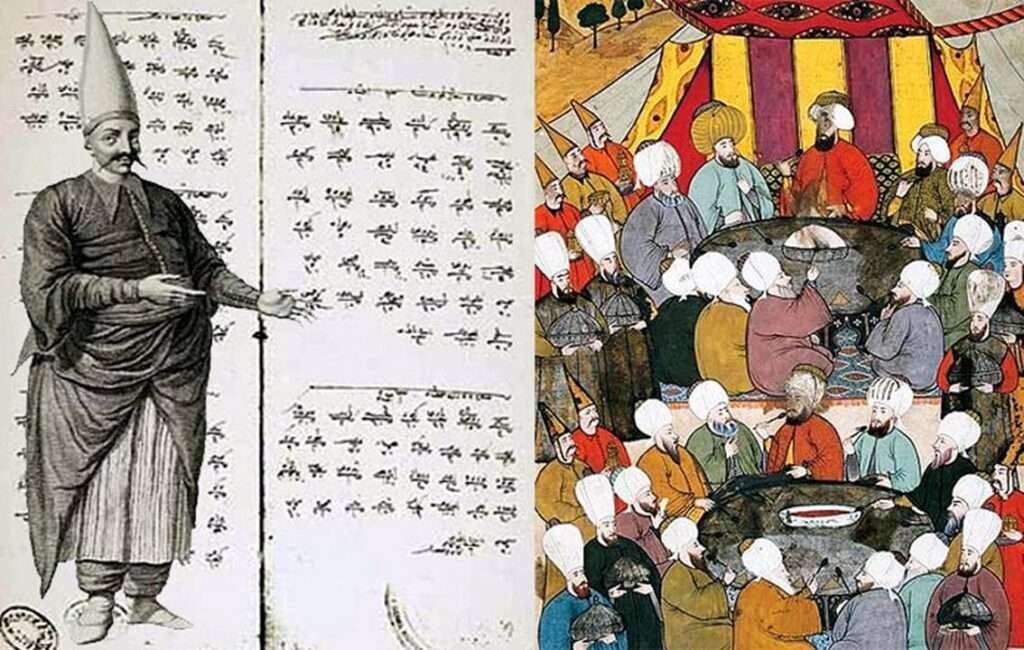
Ottoman rule had profound cultural implications and saw a synthesis of both Greek Orthodox and Islamic traditions. Festivals, music, dance, and culinary practices were influenced by the diverse cultural milieu, leading to a rich tapestry of a new Cypriot identity. The coexistence of these communities allowed for shared practices and adaptations that include major architectural developments, artistic expressions, and the enrichment of local customs. Ottoman architecture has left a lasting imprint on the island, with many Ottoman mosques, fountains, and caravanserais still in existence today. These structures, although Ottoman in origin, also reflect a blend of Byzantine and Venetian influences, further symbolising the island’s historical confluence.
A WEAKENED EMPIRE
By the late 19th century, a significantly weakened Ottoman Empire faced a series of challenges. This included internal strife, economic difficulties, and external pressures from other European powers. All of these factors led to the disastrous ‘Tanzimat’ reforms, which were aimed at modernising the empire. A war with Russia also took its toll, weakening the Ottoman grip on Cyprus and leading to the British Empire taking full control of Cyprus in 1878, after signing an ad hoc lease agreement for the island.
AN OTTOMAN LEGACY
The Ottoman rule of Cyprus represents a critical phase in the island’s history that has gone on to shape its social, political, and economic fabric. While it had complex ramifications, the legacy of Ottoman governance established a basis for the diverse cultural tapestry that characterises modern Cypriot society today. The main influence from this period also continues to echo in contemporary Cyprus, reflecting the historical depth of the island’s heritage. Understanding this period offers vital insights into the complexities of the island’s modern identity, governance, and cultural exchange, defining Cyprus through the centuries and leading to its eventual division between Greek and Turkish Cypriot communities. Thus, the consequences of this era are still relevant today, as Cyprus navigates its multi-faceted political and cultural landscape in the 21st century.