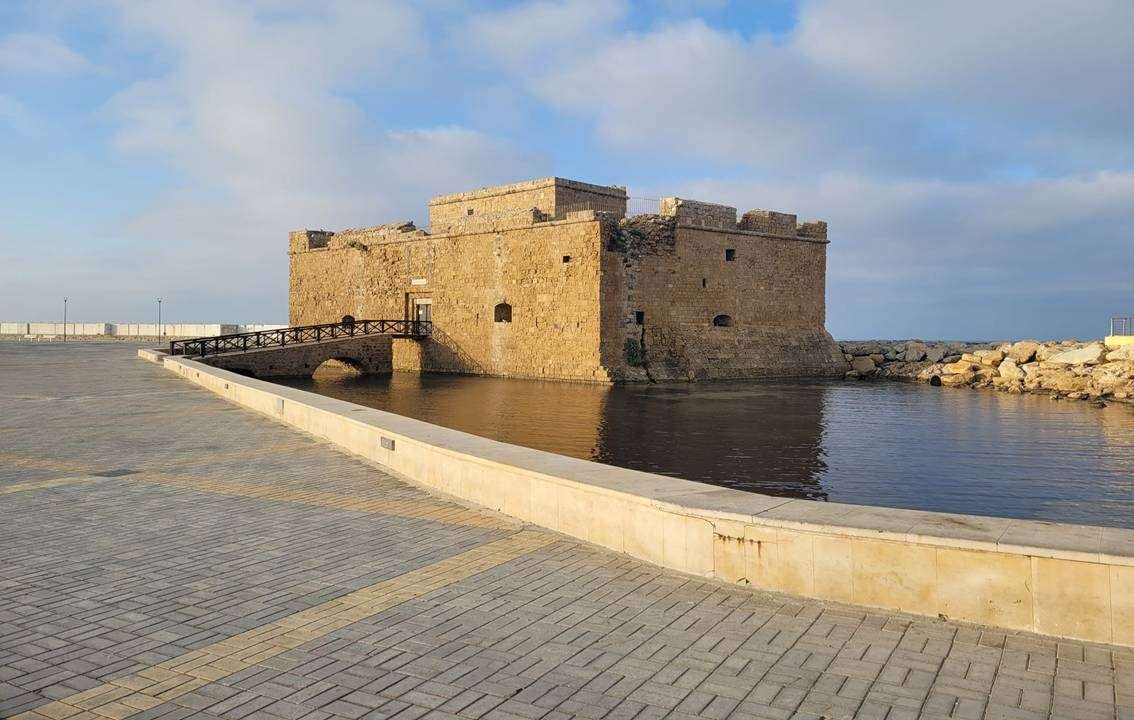
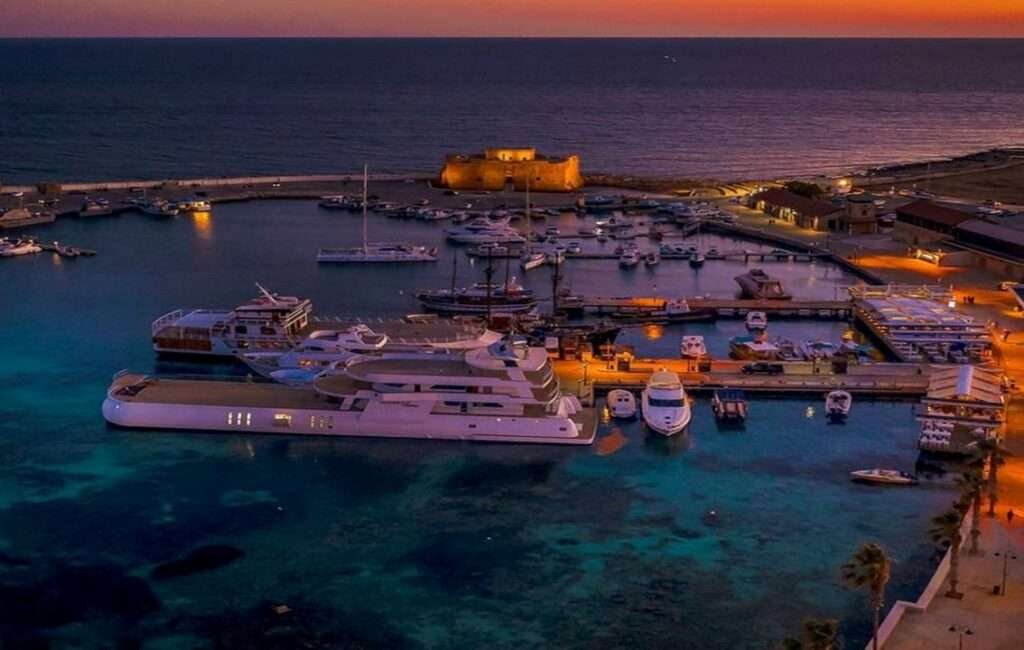
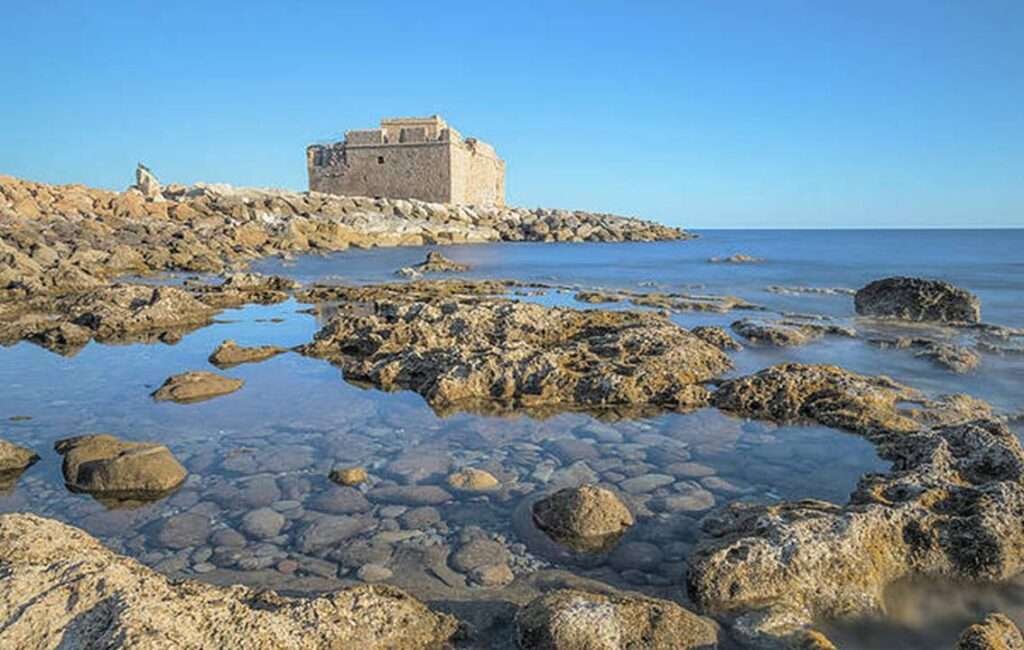
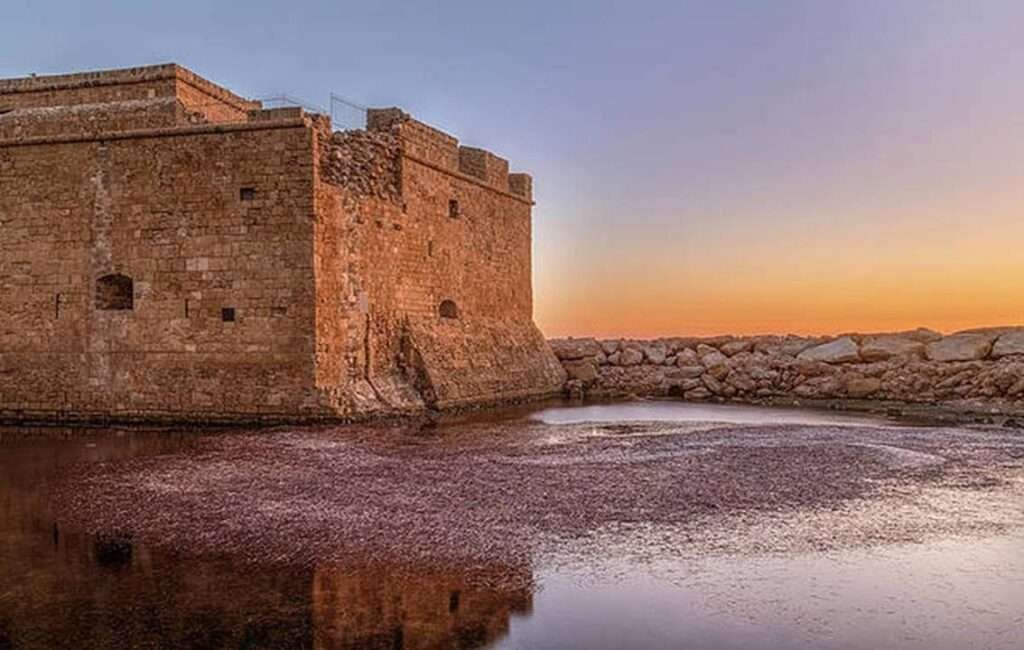
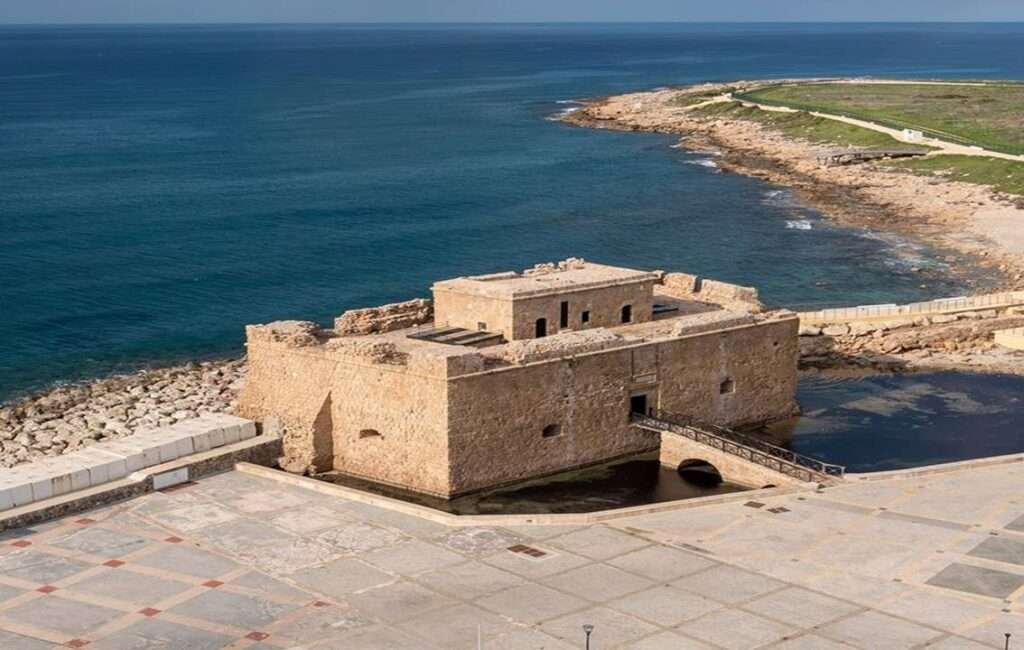
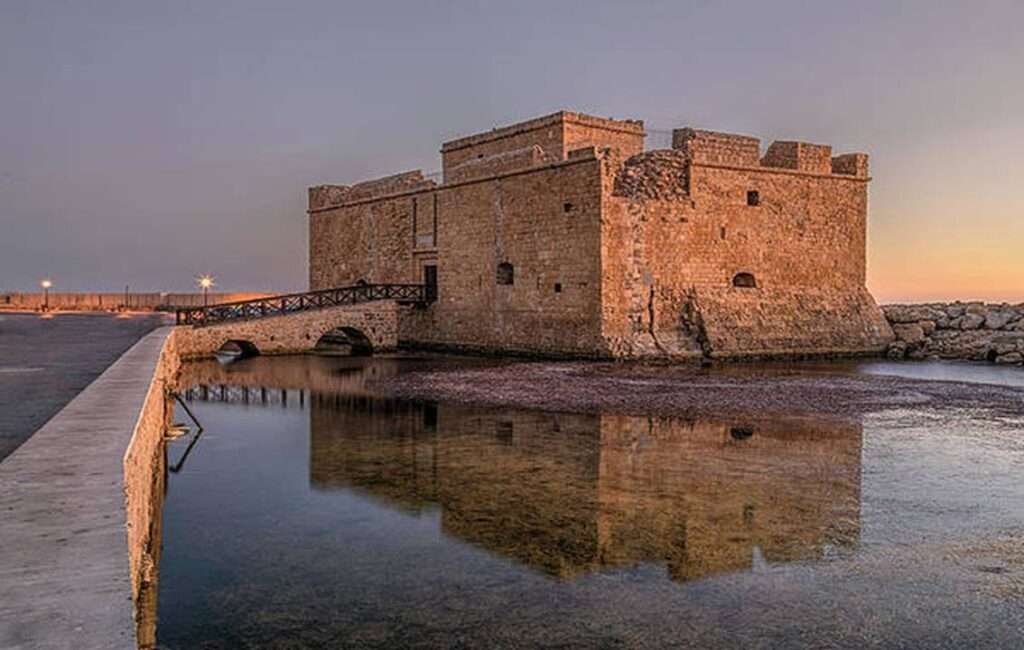
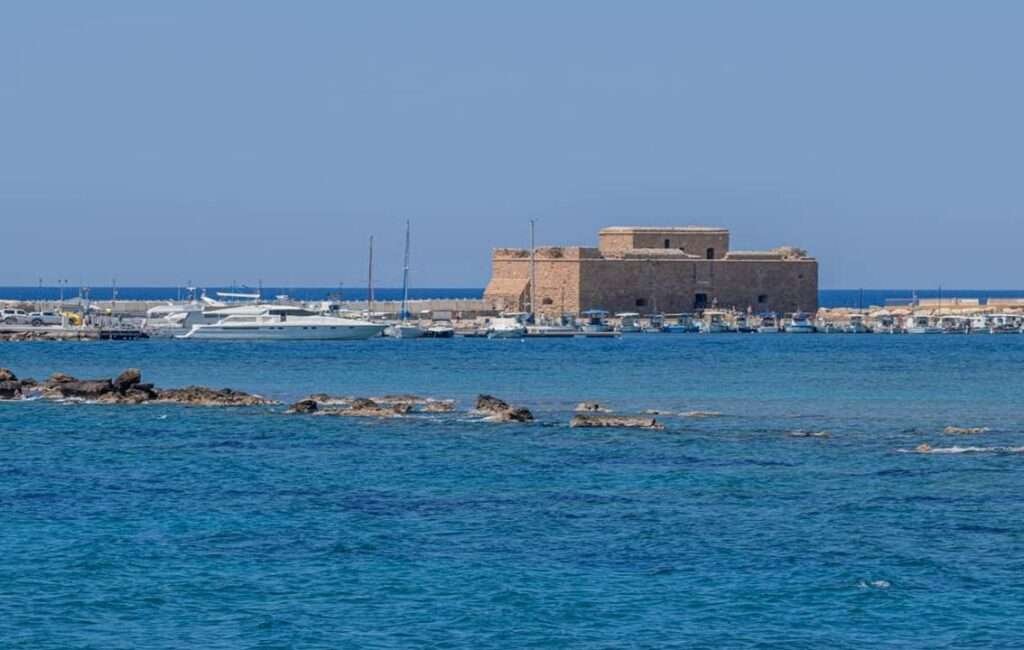
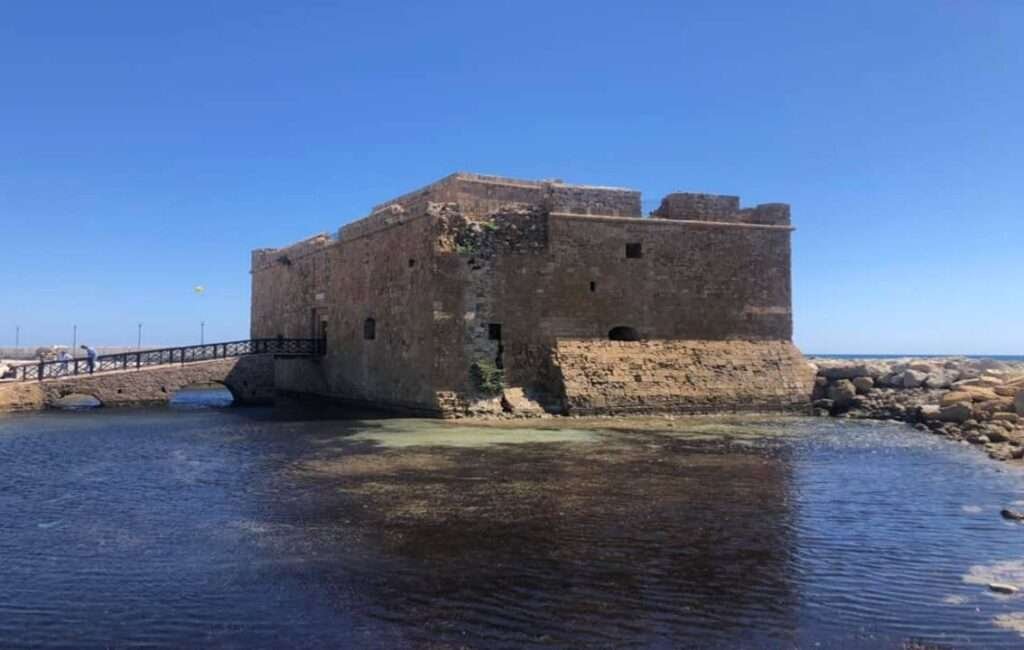
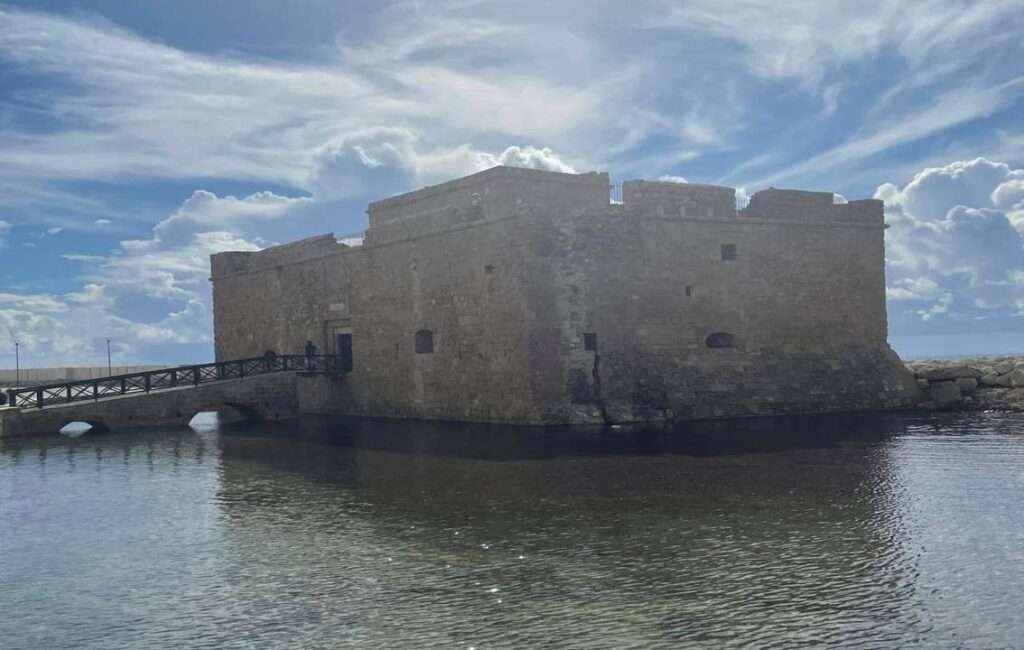
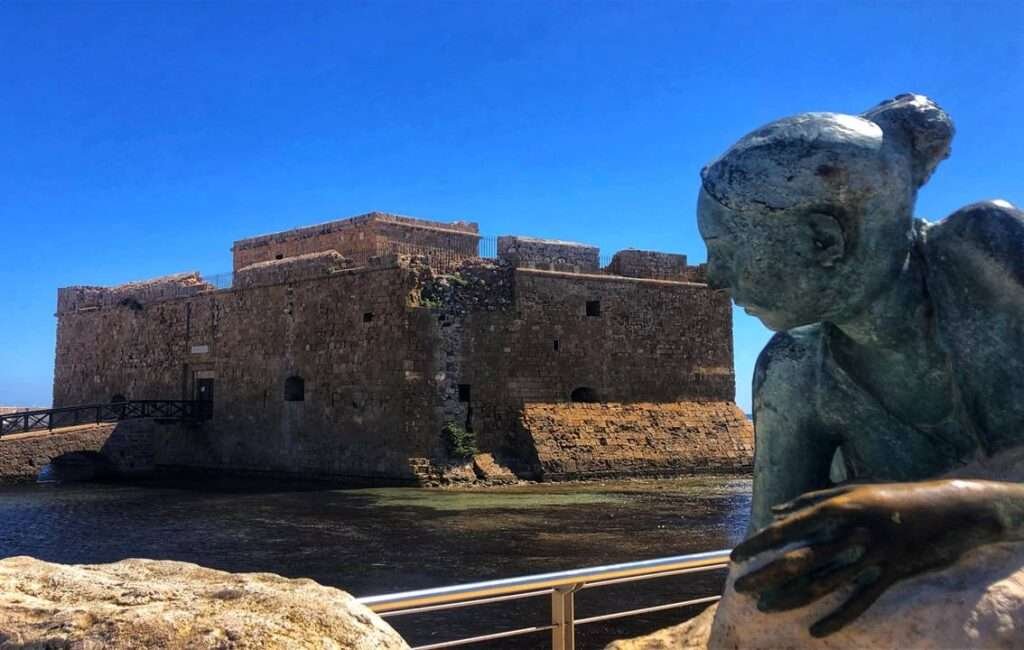
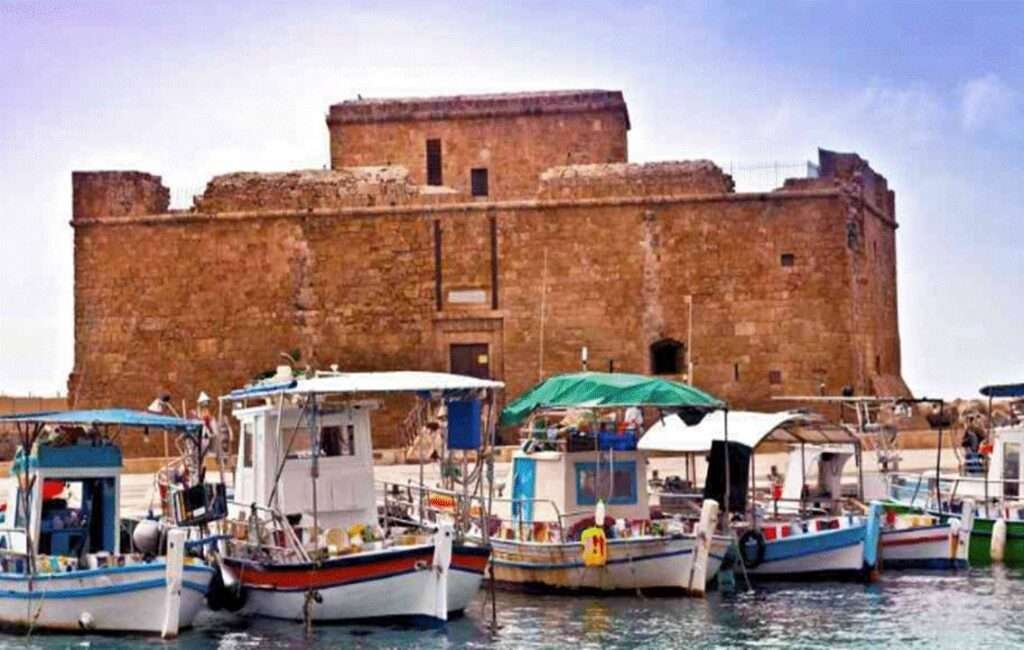
Originally constructed as a Byzantine fort to protect the harbour, the Paphos Castle stands proudly today as an iconic medieval landmark on the western edge of the harbour in Kato Paphos. Restored and repurposed several times by various ruling entities over the past millennium, the protected UNESCO World Heritage Site has a history all its own.
RESTORED & REPURPOSED SEVERAL TIMES
The original Byzantine castle was largely destroyed, along with the nearby Saranta Kolones fortress, by a huge earthquake in 1222. The Lusignan Franks, who were ruling Cyprus at the time, soon reconstructed it from the ruins of the original Byzantine structure. The fort then remained intact until it was intentionally dismantled by the ruling Venetians in 1570. The Venetians defending Paphos did this to prevent invading Ottoman forces from using it as a stronghold after they established a foothold on the coast of Paphos. The Ottomans, after taking full control of Cyprus a year later, then restored and expanded the castle into the heavy square-tower stone structure that is seen today. The Ottomans then used the new, improved structure as a prison. The British, who took control of the island in 1878, then utilised the castle as a secure storage facility for salt. This, however, ceased after the castle was declared an official national monument in 1935.
VISITOR INFORMATION & HIGHLIGHTS
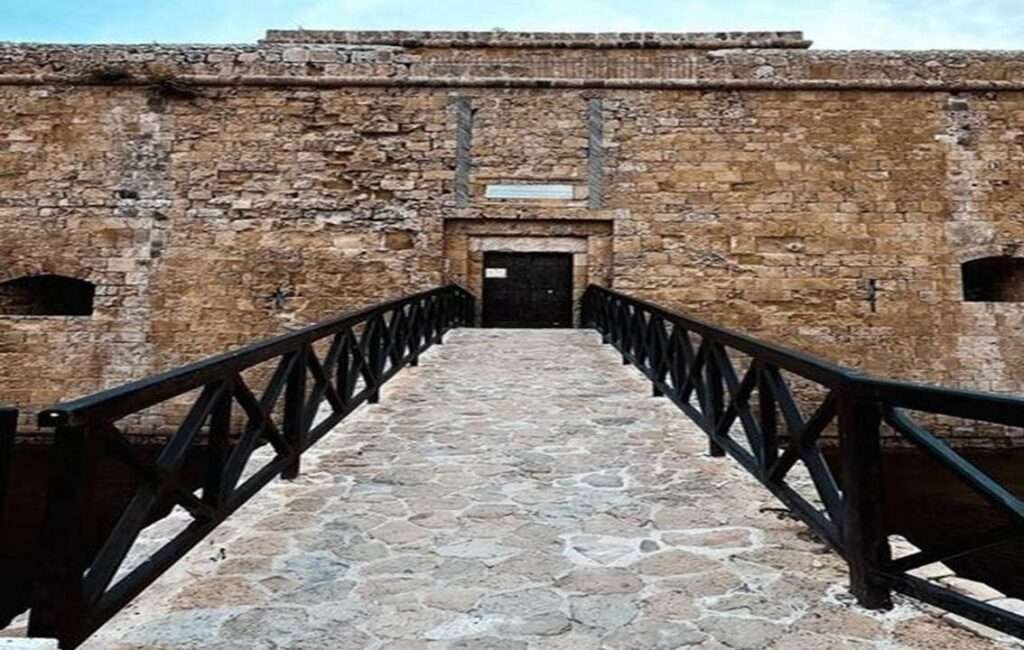
The Entrance: The main structure is accessible via a small arched stone bridge. The ground floor features enclosed central hallways. These once operated as Ottoman prison cells.
Rooftop Battlements: The upper levels consist of a flat roof platform. This provides panoramic views of the Mediterranean Sea, the harbour and its boats, and the surrounding Paphos archaeological zones.
Cultural Hub: Hosting major seasonal events, the wide public plaza right in front of the castle functions as an open-air theatre at different times throughout the year. These include the annual Paphos Aphrodite Festival, where world-class operas utilise the castle façade as a live stage backdrop.
Location & Proximity: The harbour boardwalk is fully lined with seafood taverns, souvenir shops, and several bars and cafes.