AN OTTOMAN LEGACY
STONE-BUILT STRUCTURES WITH VAULTED CEILINGS
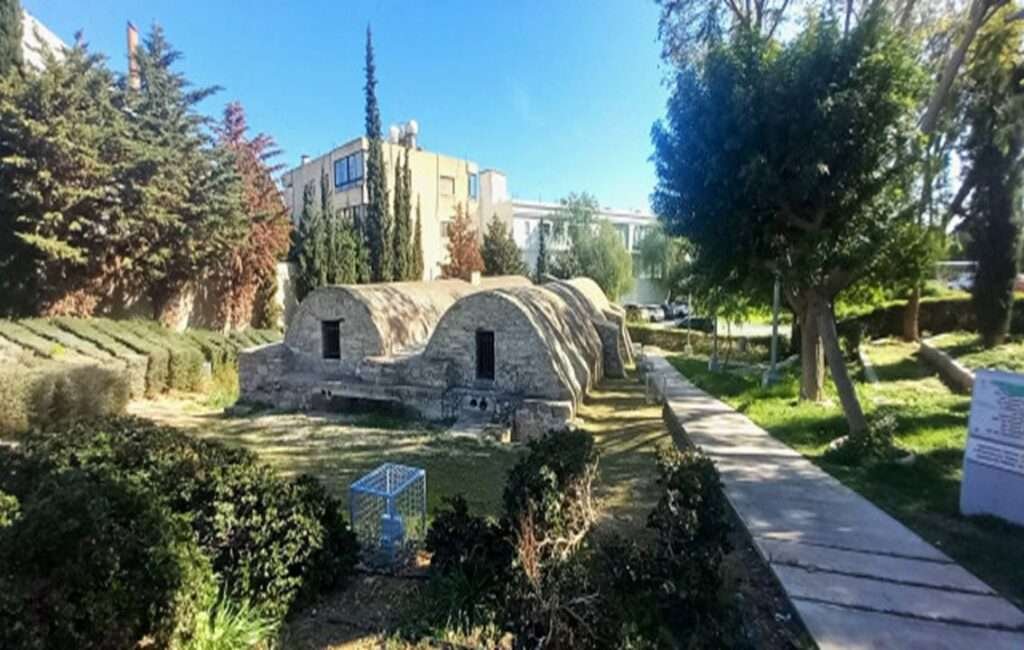
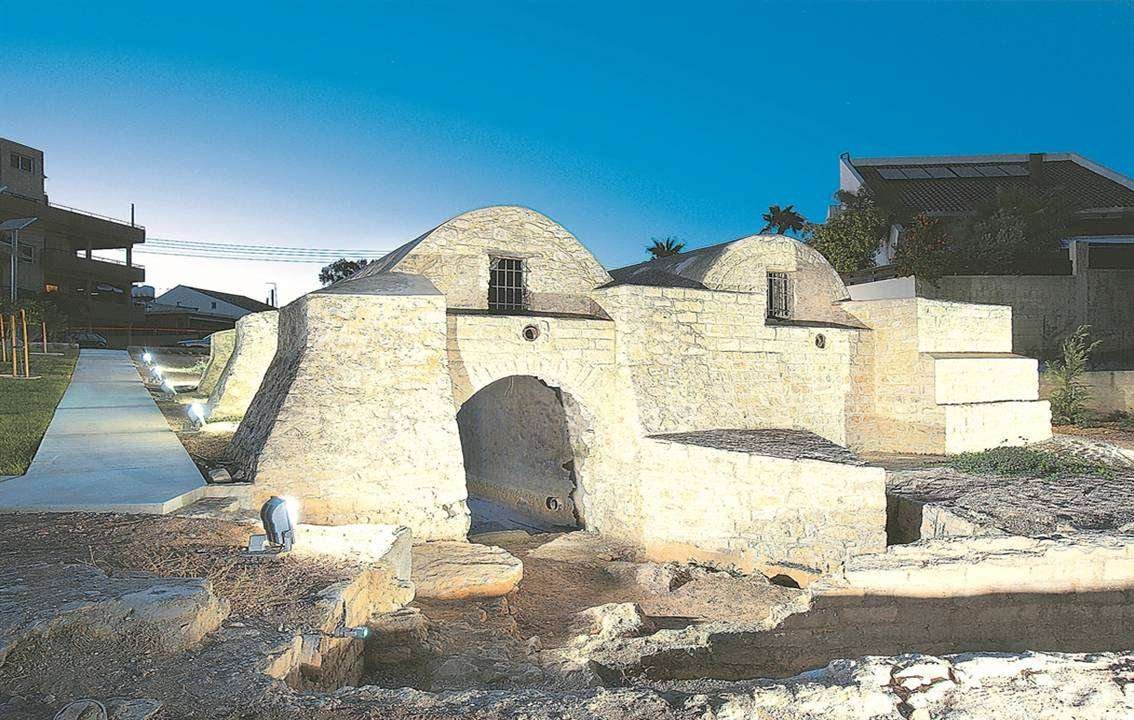
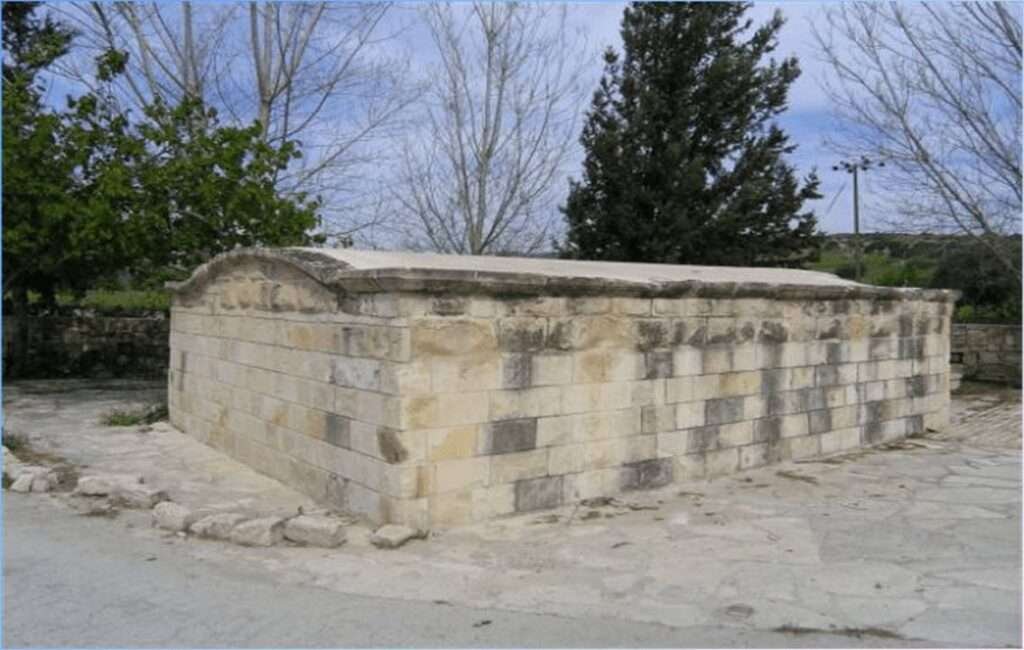
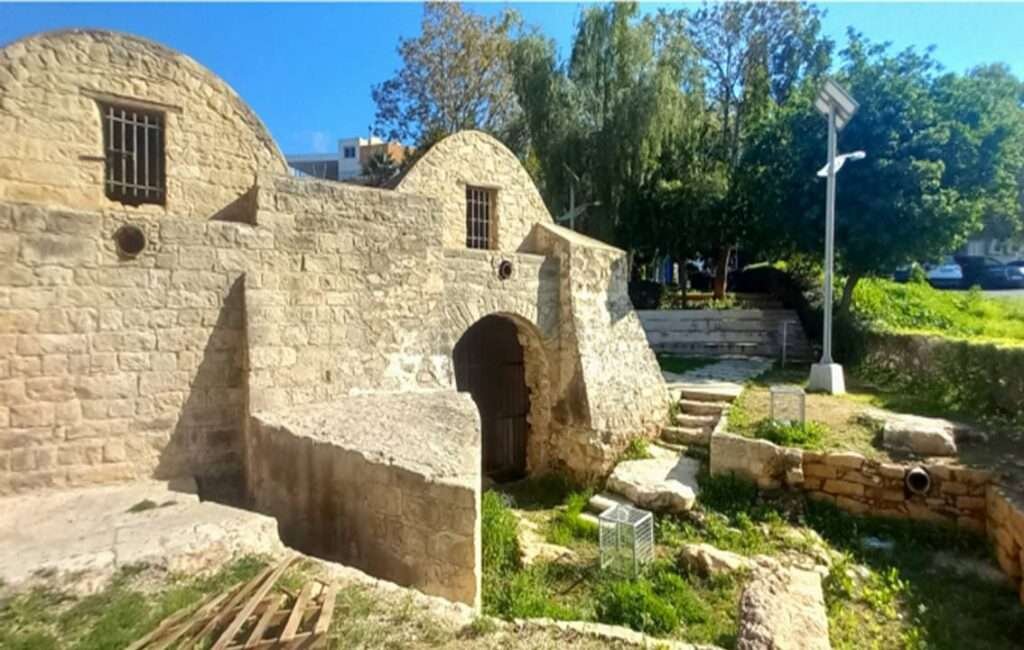
Deriving from the Turkish word ‘yüzme havuzu’, meaning water pool, the late 19th-century Havouza Reservoirs consist of two identical stone-built structures with vaulted ceilings. Mainly functioning as huge water storage vessels that supplied fresh water to the city, these classic Cypriot historical buildings are also typical examples of Ottoman architecture of the time. The ingenious historical buildings were part of a greater irrigation system that ensured the constant supply of fresh water to the city. These historical buildings, as a result, received a constant water supply via cast-iron and stone pipes from natural springs in the mountainous regions of the Polemidia area of Limassol.
A FRESH WATER SUPPLY FOR THE WHOLE CITY
The Havouzas supplied fresh running water to the City of Limassol up until the mid- 20th century. This included several public fountains across the city. Newer water engines and modern municipal supply systems then replaced them during the 1940s. The stone buildings, which are often overlooked, then remained undisturbed until they received protected status in 1996. This was after they were declared Cyprus historical buildings and ancient monuments. The Limassol Sewerage Board and local municipalities, then restores the landscape and the surrounding Ayios Georgias neighbourhood area to create an accessible park for walks and excursions.