
ONE OF THE MOST VITAL WETLANDS IN THE EASTERN MEDITERRANEAN
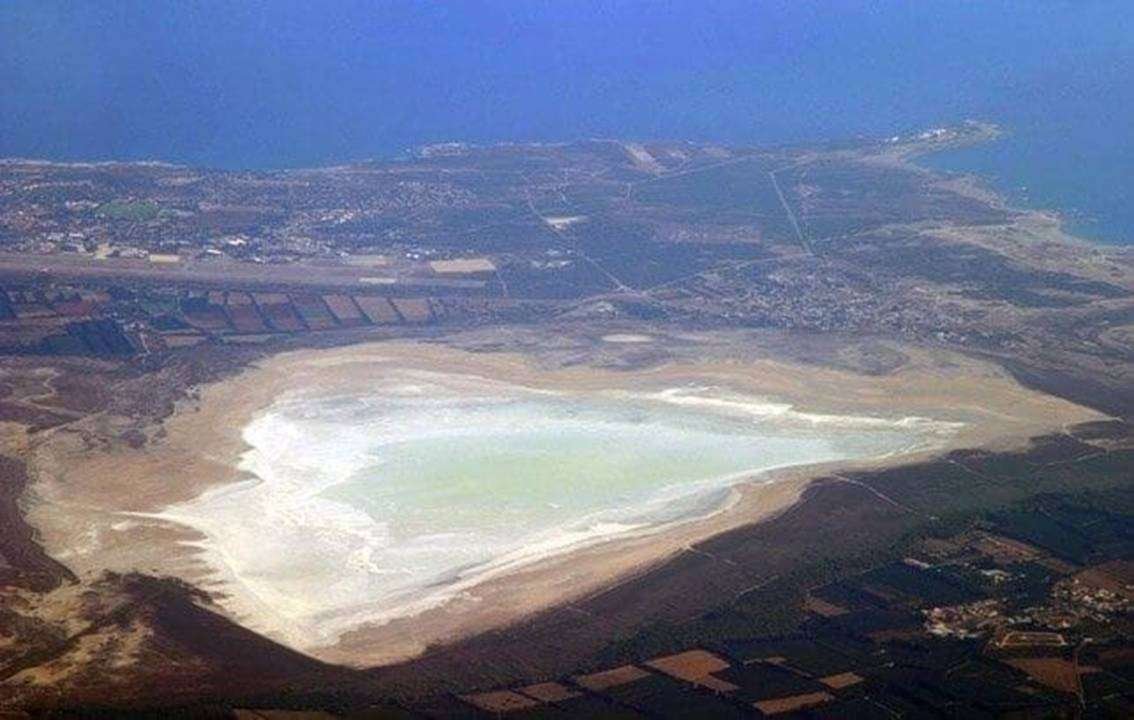
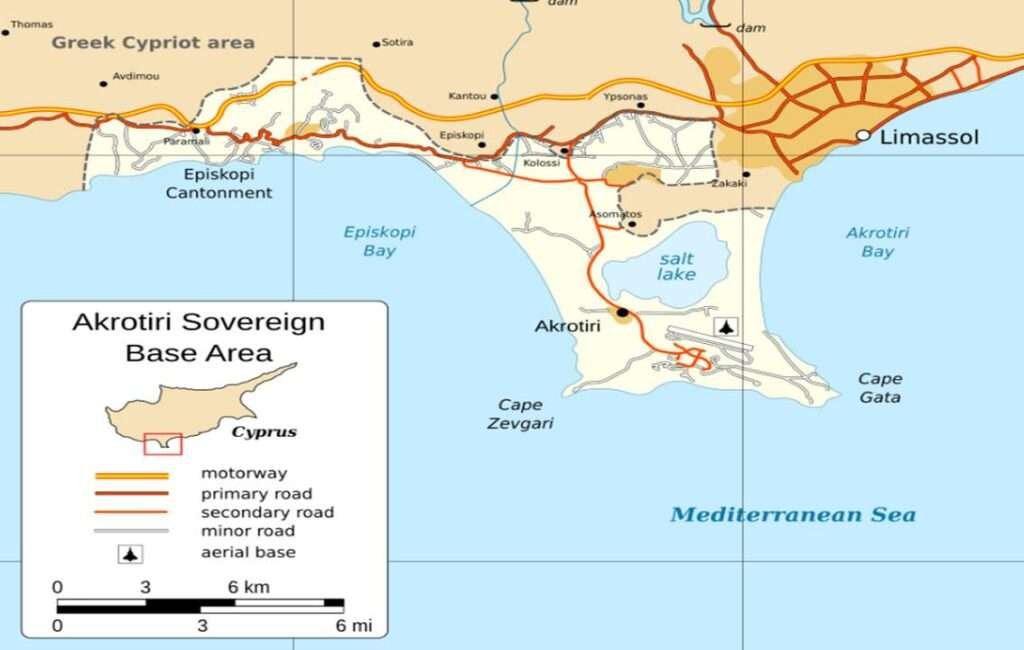
Located southwest of Limassol, the seasonal lagoon lies within the Akrotiri Sovereign Base Area, which is an official British Overseas Territory. As the largest natural inland body of water on the island, this salt lake is celebrated as one of the most vital wetlands in the Eastern Mediterranean, serving as a crucial migratory stopover for thousands of birds annually. Originally an offshore island, it slowly joined the mainland via a geographic phenomenon known as a double tombolo. Taking thousands of years to complete, two separate spit deposits eventually linked the island to the shore. This then formed a shallow basin that has remained between these connections, forming the salt lake.
UP TO 3 METRES BELOW SEA-LEVEL
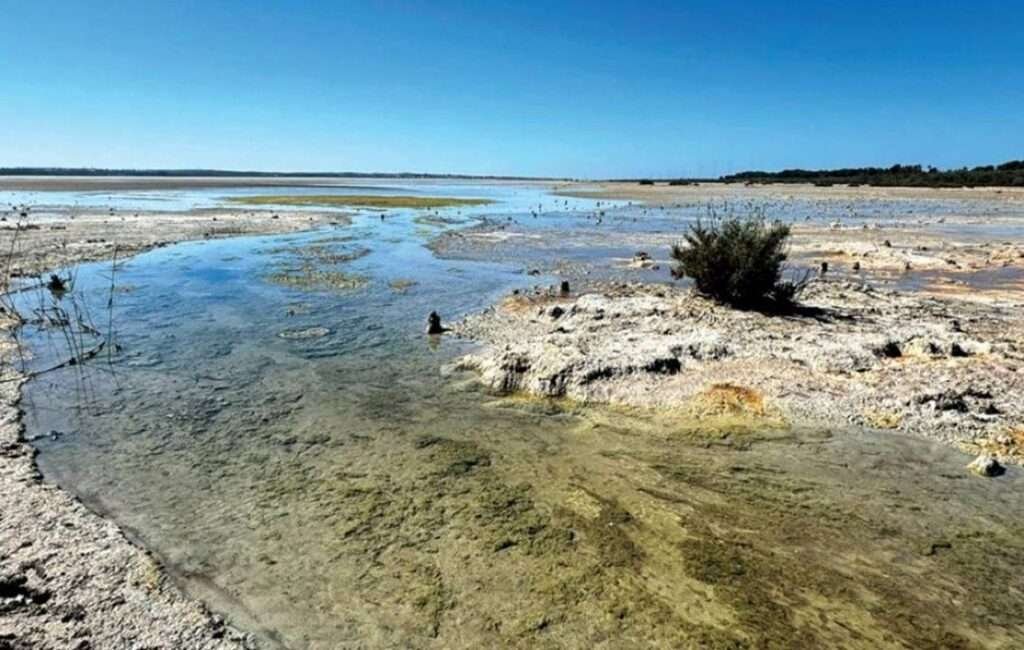
The basin, which sits up to 3 metres below sea level at its lowest point, averages around 30 cm to 1 metre in depth. Entirely rain-fed, the landscape also constantly transforms completely across the seasons. Filling with water during winter through to spring, it attracts a vibrant influx of migratory wildlife. The intense heat of the summer through to autumn then evaporates the water entirely. This then leaves behind a stark, cracked expanse of white salt crust.
A GLOBALLY PROTECTED RAMSAR WETLAND SITE
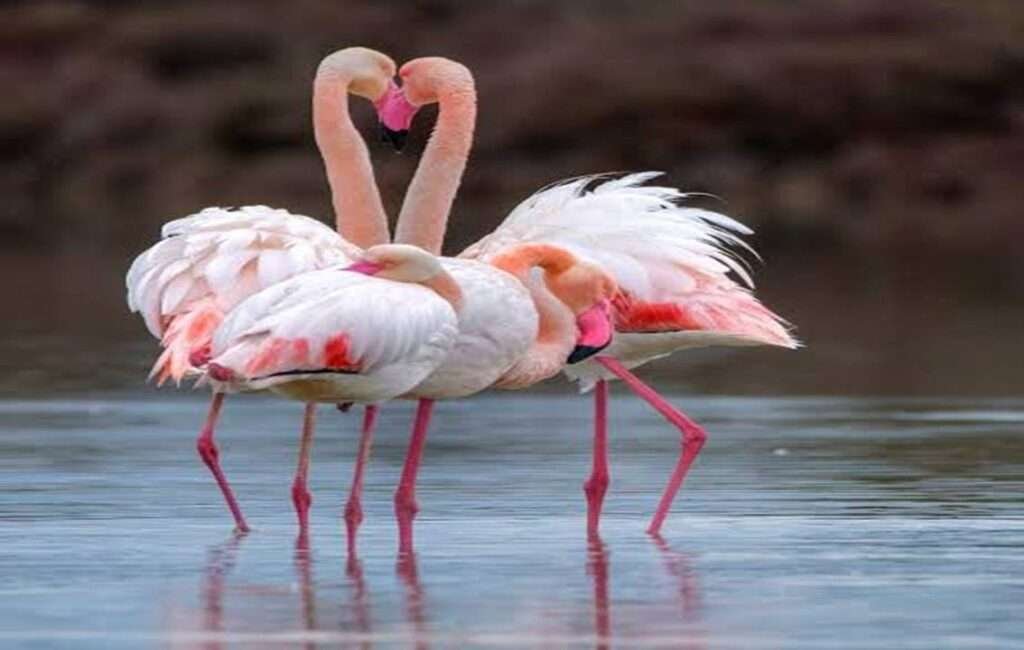
Designated as a globally protected Ramsar wetland site, the lake usually hosts anywhere from 2,000 to 20,000 GREATER FLAMINGOS (Phoenicopterus roseus). These birds usually congregate from November through to March to feed on fairy shrimp hatchlings. Migrating cranes, herons, glossy ibises, and various birds of prey are also found at this salt lake during the winter.
HOME TO THE FAIRY SHRIMP
The entire ecosystem of this salt lake pivots on a tiny crustacean, known as the fairy shrimp (Branchinella spinosa). Hatching in huge quantities when the winter rains fill the basin, they serve as the primary food source for nearly all of the wintering birds. If the shrimp population fails to thrive or water levels drop too low, then migrating birds soon abandon the lagoon, usually flying instead to the Larnaca salt lake or continuing south toward Africa.
ECOLOGICAL DEBATES
Because the lake sits within a strategically critical British military zone, it has frequently been at the centre of several ecological debates. In 2003, the construction of two massive British Ministry of Defence radio antennas sparked fierce pushback from local and international conservationists. These groups are still concerned with bird strike risks and nesting disruption. Tensions have recently been raised again after plans to install additional listening antennas in the immediate area were announced. Residents from Akrotiri village and organisations like BIRDLIFE CYPRUS have recently staged protests demanding a comprehensive environmental assessment. Encroaching developments, such as nearby casino resorts, golf courses, and photovoltaic parks, are also thought to threaten to alter water inflows, which could, moving forward, disrupt this fragile wildlife sanctuary.

