
A VARIED & INTERESTING HISTORY
The village of Choirokoitia, within the Larnaca district, has a varied and interesting history, and much of it is told by the ruins in the immediate area surrounding it. Mainly known for its Stone Age Neolithic settlements, it is thought to be one of the very first hunter-gatherer settlements on the island. Its inhabitants at this time are thought to have practised agriculture and were an organised, sedentary society that established one of the earliest and best-preserved farming communities around 7000 BC.
THE KNIGHTS HOSPITALLERS
Another set of ruins, near the coast by the village, tells of a much more recent, but equally intriguing tale. This begins in 1191, after the Franks took full control of the island. The village of Choirokoitia, along with its administrative fief, was then granted to the Order of St. John of Jerusalem. These knights, who were also known as the Knights Hospitallers, soon established a commandery in the area that needed to be defended. They then constructed a regal tower that formed part of the area’s main defences. There are also several written references that all refer to the tower as the ‘Knight’s Great Tower’, near the village of Choirkoitia. Further fortifications were added to the tower at the peak of their power by the late 13th century.
A CONFLICT WITH EGYPT
Several larger regional powers all had their own designs for Cyprus by the early 15th century. One of these was Egypt, which successfully landed a considerable army near Limassol in 1426. This force consisted of over 3,000 Mamluks who were both respected and feared throughout the Mediterranean and the Middle East. The iron-willed discipline of this elite fighting force had become a crucial fighting force for the Egyptian Sultanate, and they went on to help conquer extensive dominions for Islamic nations across the Mediterranean, Europe, and the Middle East at this time.
THE EGYPTIAN MAMLUKS
The word Mamluk translates as ‘to be owned’. This describes the method of recruitment of Mamluk soldiers, who were usually made up of various nationalities. Mamluks were first enslaved as children and then eventually trained as elite professional soldiers by their Islamic overlords. The model and structure of this elite fighting force was so effective that it was replicated throughout the Islamic world at the time. The Mamluk concept was also embraced by the Ottomans who had already began to establish their own empire by this time.
THE LAST STAND
On July 7th, 1426, Cypriot King Janus and his army faced the formidable Mamluk adversary near the settlement of Choirokoitia. Although the king’s cavalry fought bravely that day, his infantry was easily routed and slaughtered as they fled the battlefield. Without infantry support, the king’s cavalry was also crushed by the Mamluks. This led to the full surrender of King Janus, and Cyprus briefly came under Egyptian rule. The Mamluks, as conquerors, were ordered to plunder the whole island, destroying several fortifications in the process. This included the Great Tower of Choirokoitia.
CENTURIES OLD RUINS
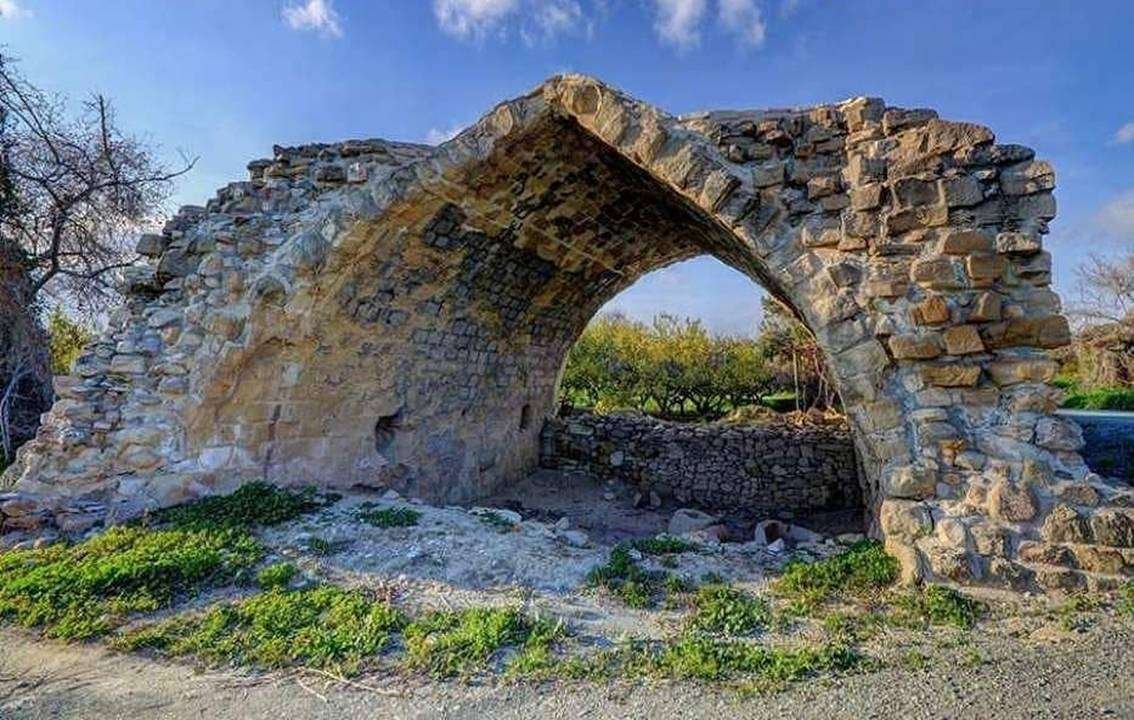
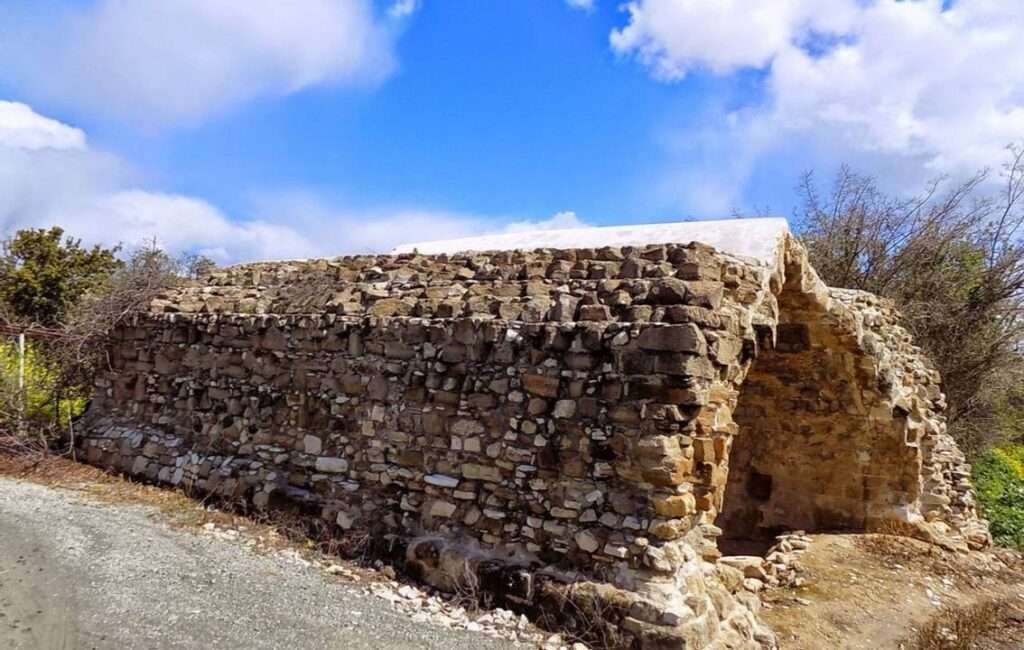
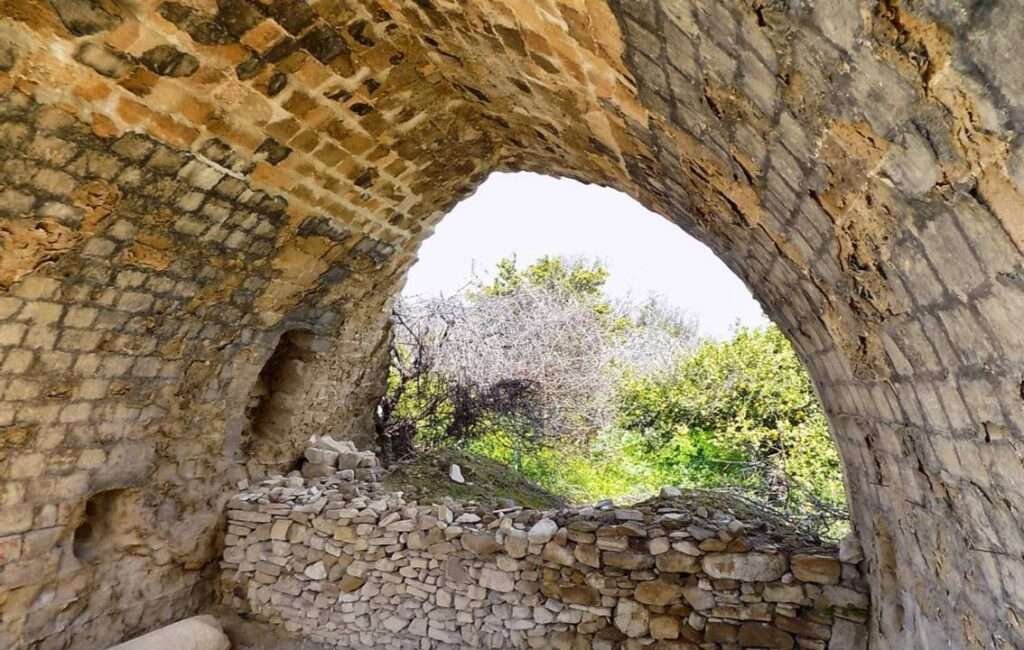
The remains of the tower stand today among fields and centuries-old olive trees. All that remains is a low arched stone structure with a well. These ruins are intriguingly marked ‘Vasilikos Oikos’, which directly translates to ‘Royal House’ in Greek. Although such a term might refer to a significant historical structure, it is widely accepted that it simply refers to the Great Tower.

