
CULTIVATED SINCE ANCIENT TIMES
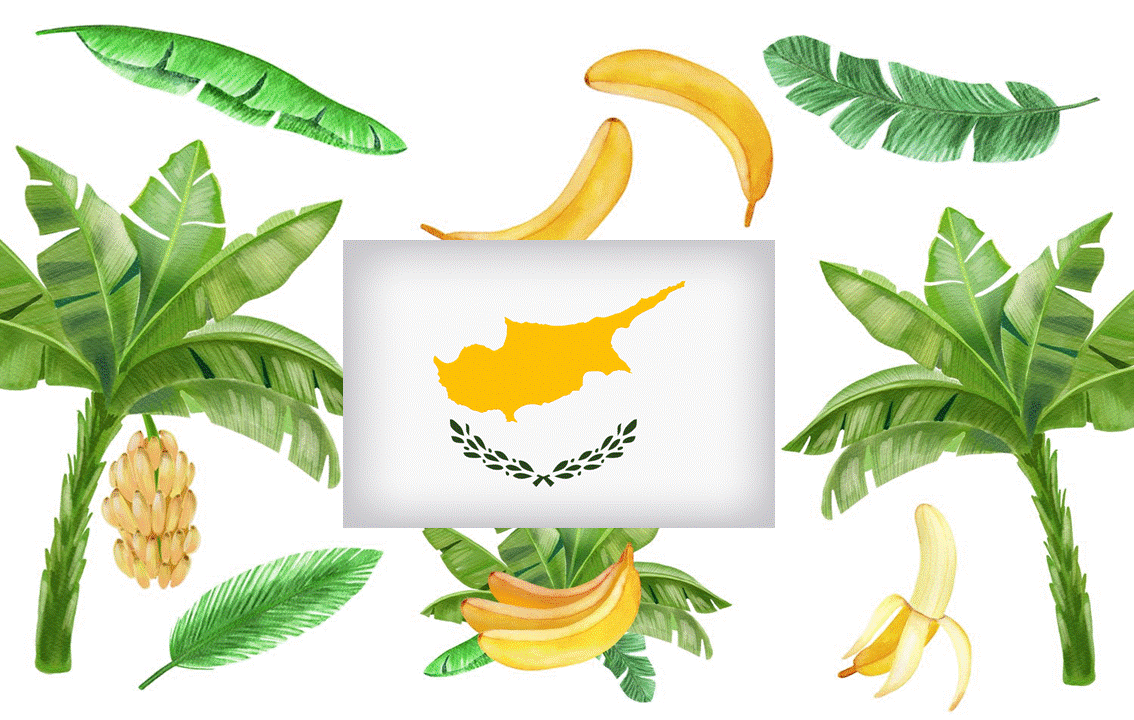
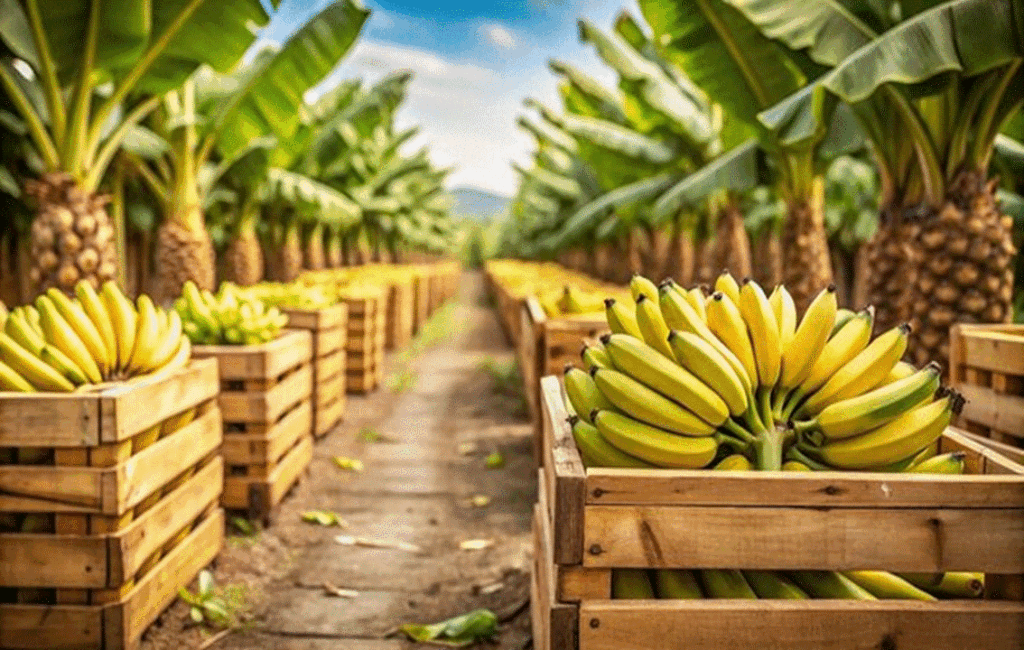
Native to Southeast Asia, the humble banana enjoys a long history that dates back thousands of years and countries such as Malaysia are known to have cultivated them since ancient times. Then, ancient trade routes saw the little yellow fruit spread to other parts of the world. By the time bananas reached the Mediterranean, several other countries had already recognised their agricultural potential and nutritional benefits. British colonial administrators brought the banana to Cyprus at the turn of the 19th century. They immediately saw the potential for various cash crops to be grown across the island after they took control in 1878.
ANOTHER BRITISH IMPORT
British colonial administrators had already successfully created banana plantations in several other countries that they controlled, and they were eager to add Cyprus to this illustrious list. They helped establish several banana plantations across the island, and the wholesale cultivation of the fruit began shortly thereafter. The Communal Agricultural Organisation of Cyprus was then later set up. They played a vital role in organising banana farmers and providing technical assistance to their plantations in later years. This helped to put Cyprus firmly on the banana production map by the 1950’s.
FROM STRENGTH TO STRENGTH
Banana production then received another significant boost during the 1960’s. This came after Cyprus became an independent Republic. High-quality controls then saw Cyprus become one of Europe’s primary banana suppliers at the time. This created huge economic growth for the sector. This, in turn, also increased employment opportunities, particularly within rural communities across the island. As banana cultivation expanded further, so did the exportation of the fruit. Cyprus then enjoyed a burgeoning export industry that further boosted the island’s export profile, mainly across Europe.
A STORIED HISTORY
The Cypriot banana industry has since gone on to create a rich cultural heritage for the island, and the storied history of this fruit on the island is also observed within the local Cypriot dialect. Locals still often refer to the banana as ‘koutsomoures’. This term is believed to derive from the ancient Greek word for ‘yellow’.
A NICHE IN GLOBAL MARKETS
Cypriot bananas today are renowned for their distinctive sweet flavour and high nutritional value. This has helped to create a niche in several global fruit markets across the world, and the combination of favourable growing conditions and dedicated new farming practices has ensured that Cypriot bananas continue to delight consumers both on the island and beyond. The geographical features of Cyprus, particularly its volcanic soil and temperate climate, create ideal conditions for banana cultivation. The fruit, because of this, continues to thrive on the island’s sun-drenched shores. Coastal regions, particularly the districts of Paphos to the west and Famagusta in the east, are particularly coveted for growing bananas.
NEW CHALLENGES
While the Cypriot banana industry remains relevant, it has not been without its challenges. Adverse weather conditions, pest control, and intensified global market competition continue to threaten the industry. This has forced Cypriot banana plantation owners to adapt their produce to meet changing conditions and consumer preferences. The ongoing commitment of Cypriot banana plantation owners to sustainable farming practices has ensured that banana production on the island has remained relevant.
A SUSTAINABLE PRACTICE
Cypriot banana plantation owners continue to focus on research and development. This has allowed them to explore innovative new sustainable farming techniques that include organic cultivation. This has helped to promote the island’s biodiversity and reduce the use of excessive irrigation and harmful pesticides. As a result, they have managed to create value-added organic products that maintain competitiveness across several global markets. These sustainable practices have also ensured the continued quality control of the fruit. This has enabled Cyprus not only to preserve its natural resources but also to compete in the international market as a sustainable supplier of a rather unique version of this fruit.
A BRIGHT YELLOW FUTURE
As awareness of sustainable practices grows, the future of banana cultivation in Cyprus remains promising. This is also helping to secure the fruit’s legacy across the island. The story of the Cypriot banana in some ways also symbolises the island’s agricultural prowess. As it continues to contribute significantly to the island’s export economy, banana cultivation on the island looks bright and very yellow.
BANANAS NEED WATER TOO!
PAPHOS HIT THE HARDEST
Cyprus as a whole is bracing itself for a year of water scarcity. This comes after one of the driest winters since 1997. Water retention on the island is far from running at full capacity, with reservoirs and dams remaining on average just a quarter full. The district of Paphos is particularly exposed to water shortages because of the draining of the Mavrokolympos reservoir and the loss of the area’s major desalination plant to fire. Roughly 1.4 million cubic metres of water was lost after this dam was recently closed to repair a major leak.
A LIMITED SUPPLY OF WATER
This has left both banana and avocado plantation owners across the district anxious over the impact of a limited water supply. These owners collectively claim that their crops are at genuine risk and are appealing to authorities to offer more support. They maintain that the Asprokremmos reservoir, which also serves the district, has minimal water levels that are not adequate for their needs. This comes after extra pressure was placed on it due to the closure of the Mavrokolympos dam. The lack of a viable desalination system has also complicated the situation.
WATER SUPPLY HALVED
The water supply to the district’s farmers overall has been cut to half. This has left banana farmers in particular, struggling to source enough water to irrigate their crops properly. The Paphos Banana Farmers Association have warned that if the current water supply issues continue, then their bananas will lose their quality and will remain unsold. Whilst the full extent of the impact caused by the lack of water has not yet been assessed, they are still requesting financial guarantees from the government to cover any financial losses that they may incurr.
WHAT DO BANANAS NEED?
Banana cultivation requires constant hydration. This means that an average-sized banana plantation needs approximately 1,500 tonnes of water per year. Banana plantation owners fear that continued water supply problems will prevent their crops from growing large enough to be sold on the open market, and it is projected that this may cause a price hike that would make Cypriot bananas unviable.
A RAPID RESPONSE
Paphos authorities have responded by rapidly employing new mobile desalination units to address ongoing water issues. They have also called for two new dams to be built in the district to protect it against future droughts. To date, however, no further plans regarding this have been put in place.
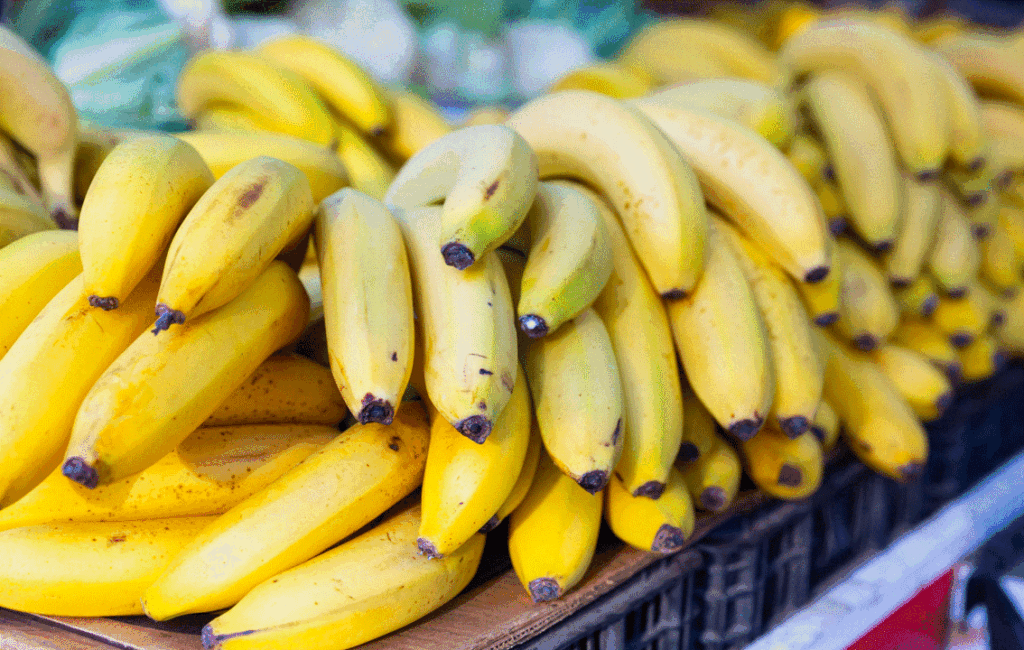
CYPRUS BANANAS
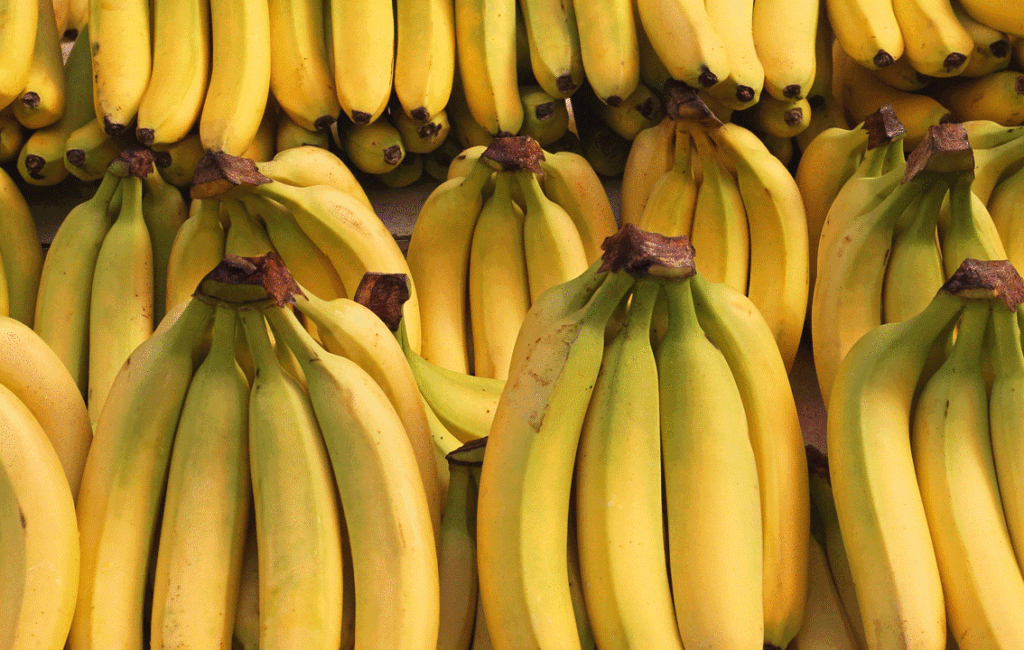
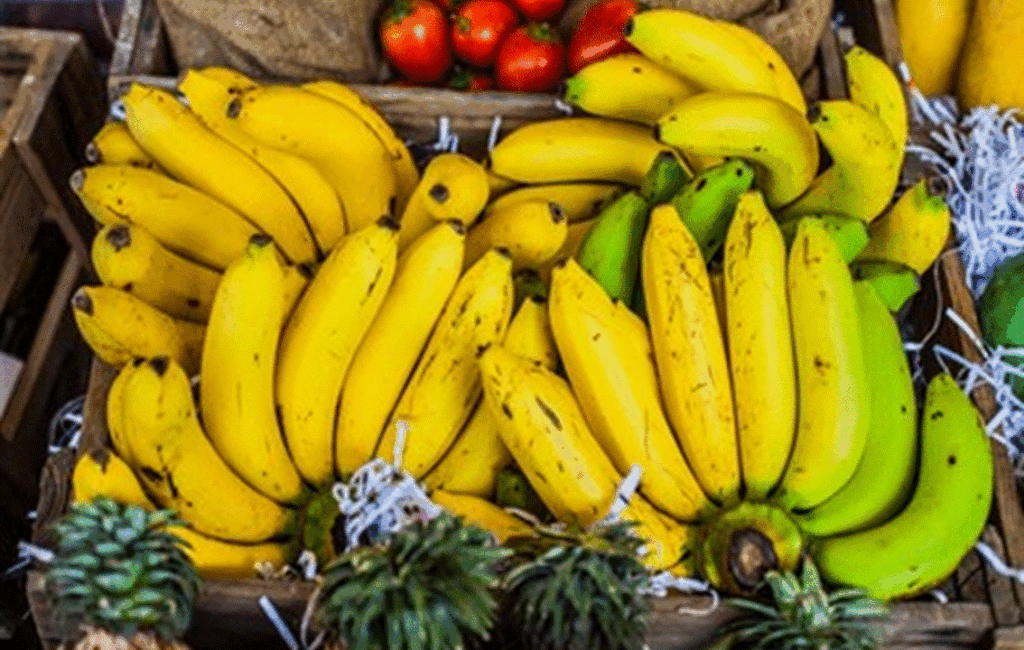
The Cyprus banana is primarily highly celebrated for being significantly smaller, sweeter, and more intensely flavoured than standard imported varieties of this fruit.
KEY CHARACTERISTICS
Flavour Profile: Cyprus bananas are defined as mini or dwarf bananas, often measuring about a third of the size of standard commercial imports. The local industry, because of this, is anchored on the Dwarf Cavendish and Gerlik banana varieties. These are known for offering an elite, intensely sweet, and rich banana flavour.
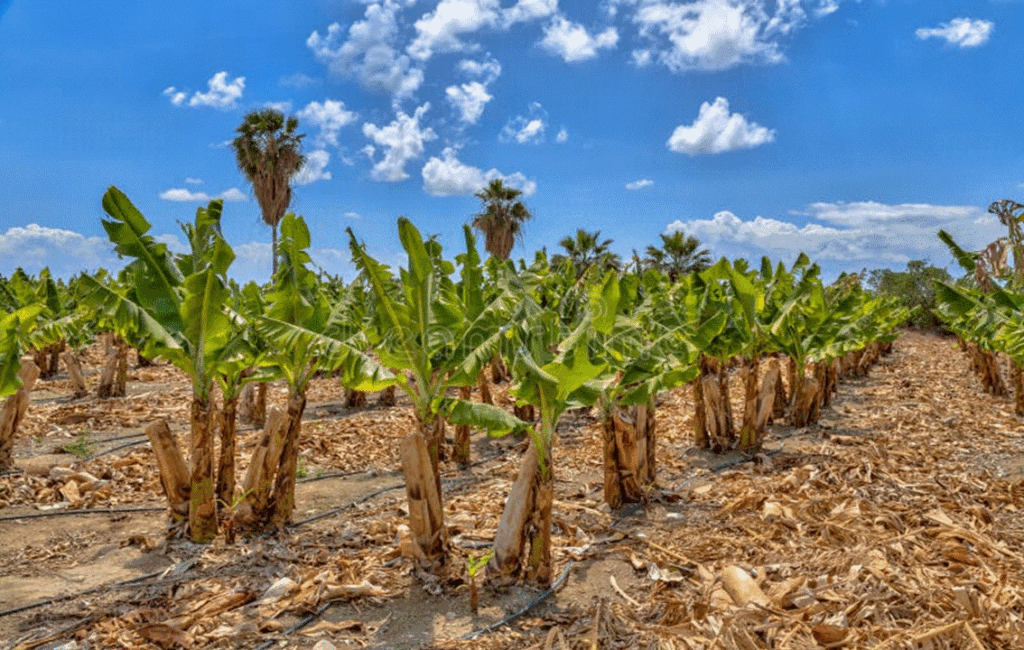
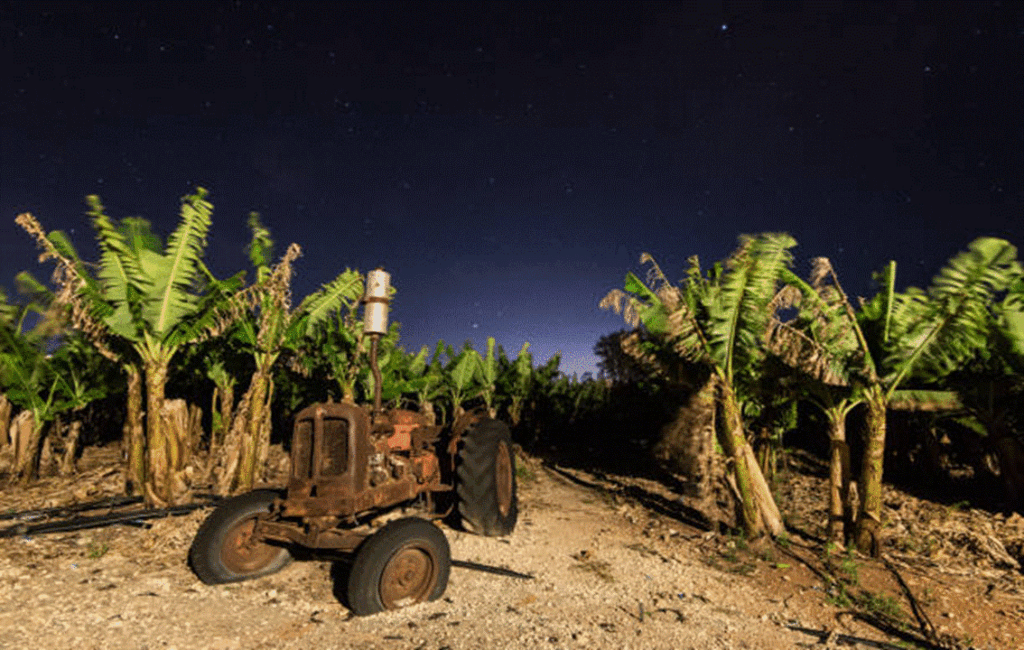
Growing Conditions: Cyprus Bananas thrive in the unique, frost-free, subtropical microclimate of the Paphos District, and the vast majority of the island’s plantations stretch across the mainly coastal villages of the region. The Village of Kissonerga is considered to be the heart of banana cultivation, and this village holds a dedicated Banana Festival that celebrates the fruit every year. The Village of Peyia features extensive banana plantations, and the village of Lemba is known for its green coastal fields and excellent soil.
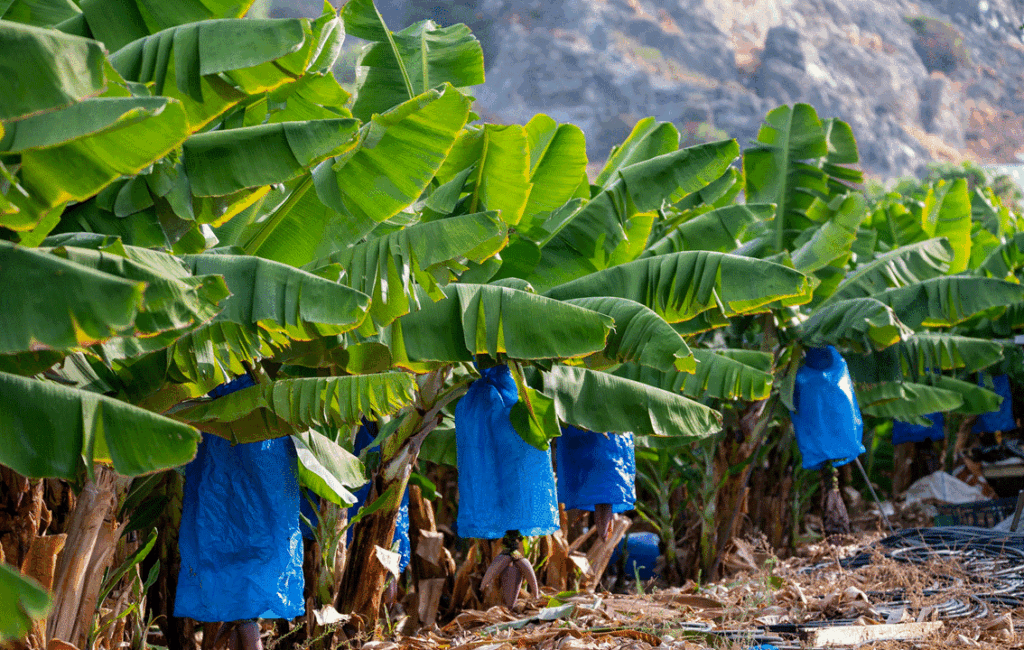
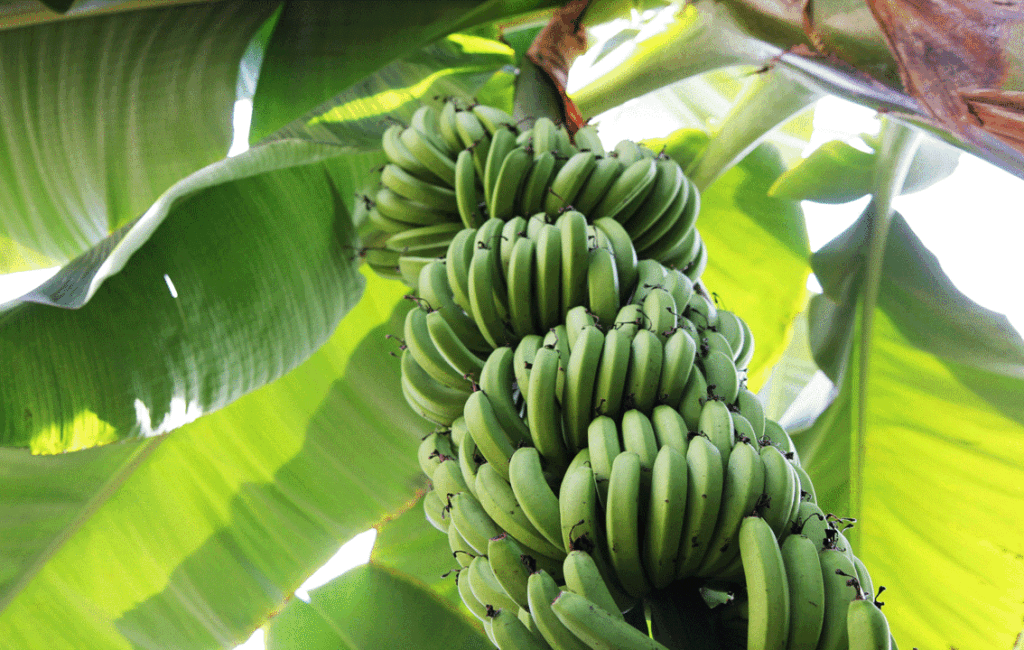
Cultivation: Because the Banana plant requires immense amounts of water, cultivation across the island is limited. Growing clusters of bananas are often wrapped in large, bright blue plastic bags on most plantations. This simple growing technique traps heat, protects the delicate fruit from coastal winds, and speeds up the ripening process.
Harvest: With the harvest season officially beginning in December, the majority of the produce of this highly prized local commodity is usually supplied directly to the domestic market.
CYPRUS BANANA FACTS
- Irrigated by the Asprokremos Dam, the Paphos banana plantations from Coral Bay to Agios Georgios are the largest in all of Cyprus.
- Cyprus currently produces over 5,000 tonnes of bananas every year.
- Bananas are the 313th most exported Cypriot produced product.
- Cyprus is both the 80th largest exporter and the 76th largest importer of bananas in the world.