
A TRADITION OF ROSE CULTIVATION
Rose cultivation, across the island, can be traced back centuries to when wild and basic rose varieties, which include wild briars and early Mediterranean varieties of the flower, grew natively in the wider Mediterranean basin. These roses, before the introduction of the systematic cultivation of the Cypriot DAMASCUS ROSE (Rosa damascena) that forms the backbone of the island’s rose legacy, existed naturally, evolving through distinct historical milestones across the island. In light of this, the original Cypriot versions of this flower were deeply tied to the worship of Aphrodite, the ancient patron goddess of Cyprus, who was frequently depicted wearing crowns of myrtle and roses.
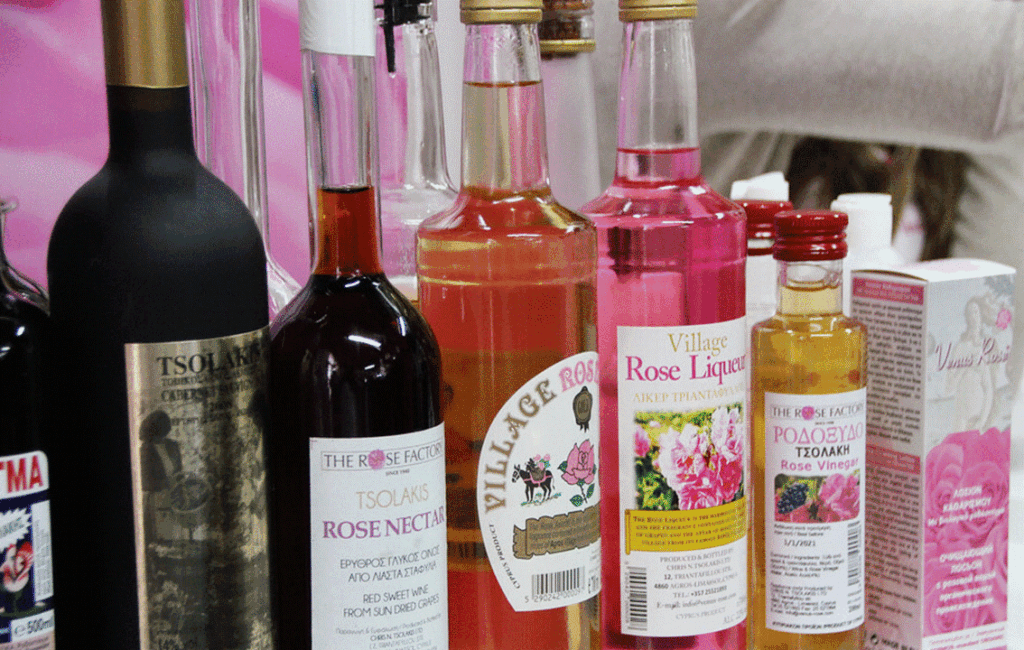
Often revered for their beauty and aromatic qualities across the ancient world these flowers often captivated the senses of all who came into contact with them. This is highlighted in the several early references made to their beauty and alluring fragrance. Today, their vibrant colours and intoxicating fragrances have given way to a long-standing tradition of rose cultivation, which also goes hand-in-hand with the rose-related industries that now exist on the island. Also giving rise to several rose-based products, this industry has played a significant role in both the island’s economy and culture over time.
As well as being used for perfumery, it is also well-documented that roses, in the ancient world, were also used for medicinal purposes. This formed the basis for the rose-based products at the time, which included crude soaps and detergents. Cyprus roses were also used to create some culinary delights, and it is this that has directly led to the creation of modern-day rose cordial. This, along with other delights, such as rose-flavoured alcohol and even a rose-based ice cream, has helped to form an integral part of the island’s cultural heritage.
Following its broader introduction to Europe, the DAMASCUS ROSE (Rosa damascena) took firm root on the island. Originally used for decorative purposes, this rose was first brought to Cyprus by the CRUSADERS during the mid-12th century in the aftermath of the Third Crusade. Its role then swiftly changed nearly 400 years later, when rosewater distilling became a documented tradition in Cyprus during the 16th century. This is when Cypriots began adopting specialised extraction practices that utilised makeshift alembics to harvest therapeutic rosewater.
A massive commercial boom then occurred in 1917, when a village schoolteacher named Nearchos Clerides brought the plant to the Troodos mountain village of Agros. He later launched the ‘Pupils Association for the Dissemination of the Rose Bush’, which required students to plant and care for at least 50 bushes annually, helping to establish a local cottage economy. The local industry then modernised and matured into systematic rose factories. The most notable of which was the Tsolakis family’s rose factory, which was established in the village of Agros by 1948. Today, the village generates the single largest yield of wild roses on the island. This is rigorously celebrated annually at the AGROS ROSE FESTIVAL over two weekends throughout May.
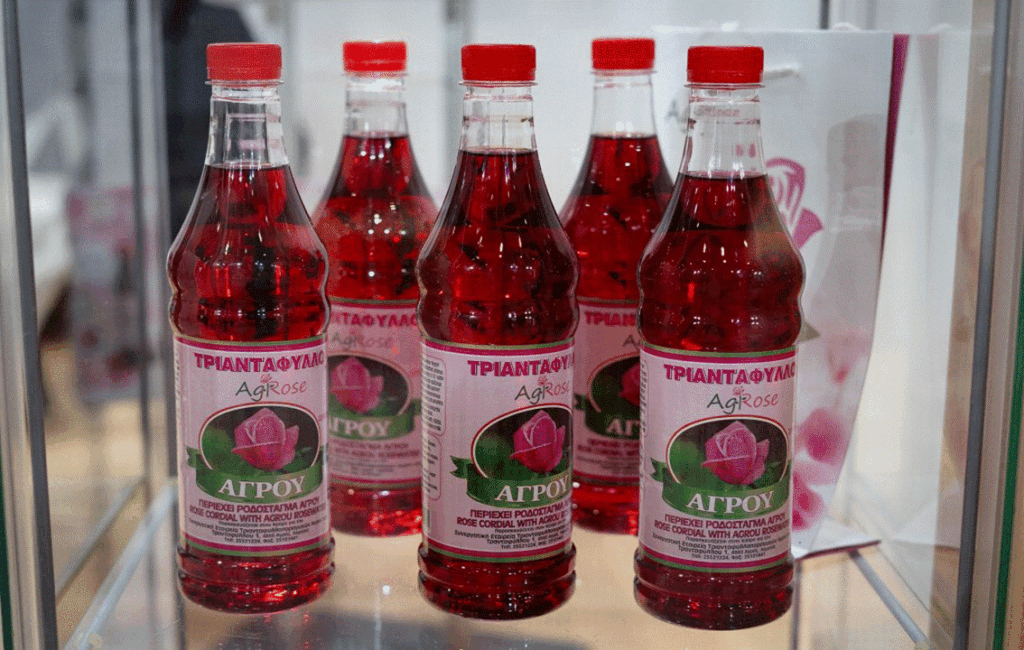
Cyprus’s rose cordial, known locally as Triantafyllo, is a vibrant, sweet, and aromatic syrup made from the island’s DAMASCUS ROSE. It is famously diluted with ice-cold water or milk to create a nostalgic, refreshing summer drink that is also poured over desserts like MAHALEPI.
The key facts and traditions surrounding this signature Cypriot refreshment include
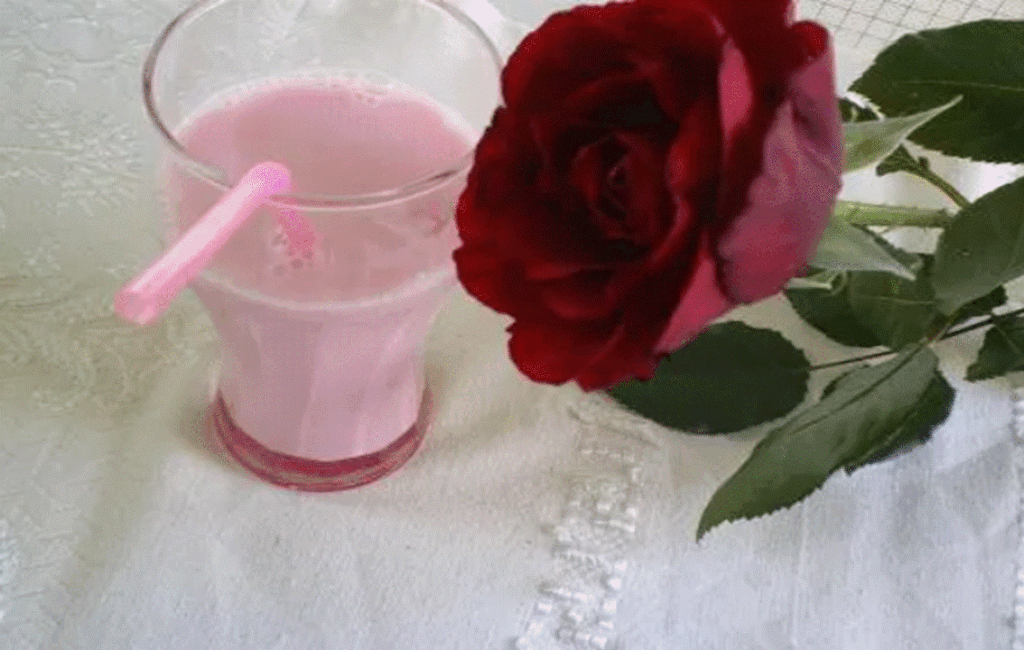
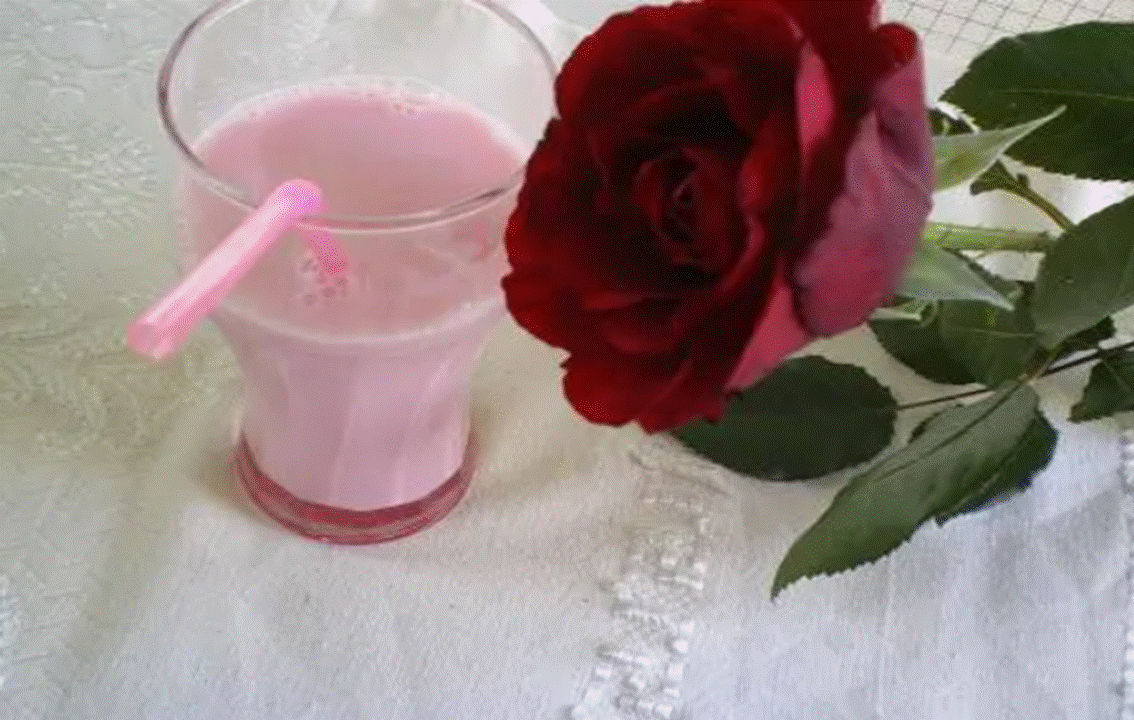
Signature Serving: When mixed with icy cold water, Rose cordial serves as an incredibly refreshing thirst-quencher. When mixed with ice-cold milk, it creates a floral, rose-flavoured alternative to traditional milkshakes. Both of these versions have become a beloved childhood treat across the island.
Dessert Topping: As well as a vibrant pink sweetener for MAHALEPI, it is often used as a foundational ingredient in some Cypriot sweets, and it is also occasionally incorporated into some desserts.
Major Brands: Iconic local manufacturers like KEAN produce the syrup using aromatic rose extracts and sugar, and many also offer zero-sugar alternatives sweetened with stevia.
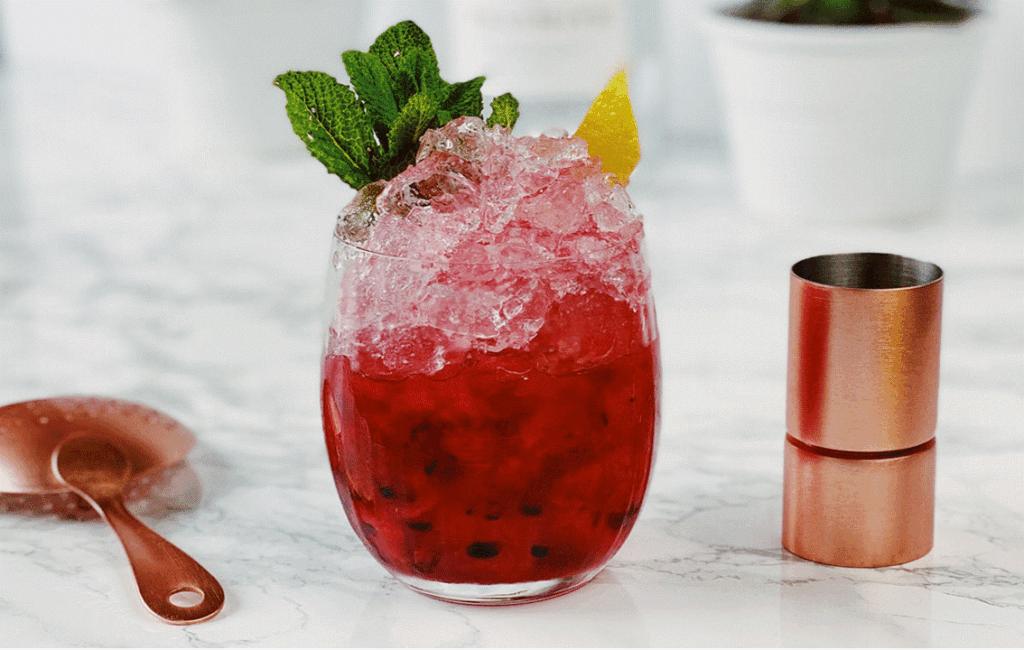
Culinary Flexibility: Beyond traditional drinks and desserts, modern mixologists frequently use it in cocktails, often adding a dash to a rose petal mojito to impart its distinct aroma and rich pink hue.
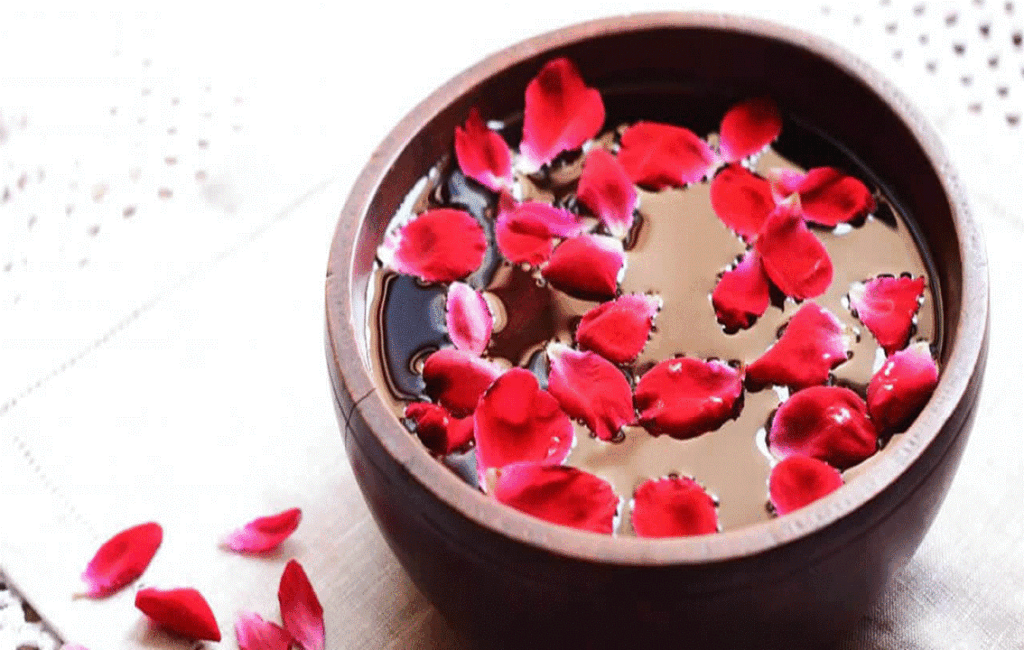
HAND-PICKED ROSE PETALS
The traditional way of making rose cordial has been passed down through each generation. It still involves carefully handpicking rose petals at the peak of their bloom. This ensures the preservation of both their fragrance and flavour. Once collected, the petals are then left to soak thoroughly in a sugared water solution. This simple, yet effective process results in a sweet aromatic cordial that captures the essence of the pungent flower in its purest form. Although the first part of the process has remained traditional, however, the latter, as with most industries, has become both standardised and mechanised.
SEVERAL HEALTH BENEFITS
Until recently, the high sugar content of the drink cancelled out most of its health benefits. This has changed, however, with other recent versions of the drink. New versions that contain stevia have created a sugar-free version that now offers several health benefits.
Here are some of the key advantages of incorporating this exquisite cordial into your diet
Rich in Antioxidants: Studies have shown that rose petals are packed with antioxidants. These include vitamin C and several polyphenols that help protect the body against oxidative stress and inflammation. These antioxidants are also known to boost overall health and, in particular, the immune system.
Digestive Aid: Studies have shown that the soothing properties of rose petals make them an excellent remedy for several digestive issues. These include bloating, indigestion, and constipation. Taking the drink after meals can help promote healthy digestion and, in some cases, help to alleviate stomach discomfort.
Stress Relief: Studies have shown that the aroma of roses is known to have calming and stress-relieving effects on the mind and body. As a result, it can help reduce anxiety, promote relaxation, and improve overall mental well-being.
Skin Health: Studies have shown that the antioxidants and anti-inflammatory properties found in rose petals can benefit the skin. The drink could also help to improve skin tone and texture, reducing redness and inflammation. The antioxidants also could help promote cell regeneration and nourish and rejuvenate skin from within if the rose drink is regularly consumed.
Heart Health: Studies have shown that the polyphenols in rose petals may have a positive impact on heart health. Rose petals could help reduce cholesterol levels, lowering blood pressure and improve blood circulation. This could support cardiovascular health and reduce the risk of heart disease.
SWEET THIRST-QUENCHING QUALITY
The unusual, yet enchanting cordial syrup, with its deep alizarin colour and strong rose aroma, has not only stood the test of time but has garnered a reputation for its exquisite flavour and sweet thirst-quenching quality. With its delightful taste and cultural significance, the drink made from rose petals is often enjoyed with ice-cold water. It can, however, also be used to create stunning rose-flavoured milkshakes. It is also used in several cocktails and recipes that all embody the essence of Cyprus and its culinary heritage.