THE POPULAR PINBALL TYPE GAME THAT IS ALSO KNOWN AS 'STREET ROULETTE'
A TRADITIONAL CYPRIOT PASSTIME
A TRADITIONAL GAME
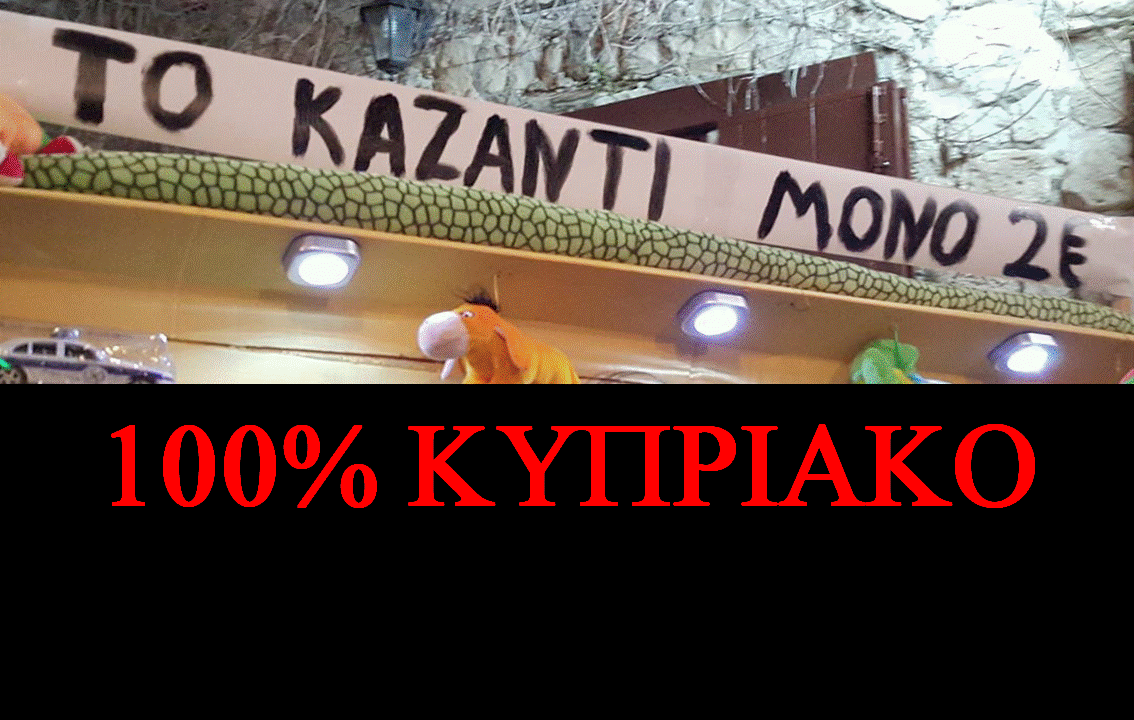
Kazanti is a traditional game that is rooted in Cypriot street culture. The popular, engaging pinball-type lottery game often captures the spirit of community and celebration. With this in mind, it is played at most street festivals and public gatherings across the island.
A GREAT DEAL OF LUCK
Playing the game is generally easy. Whilst it only needs a slight blend of skill and some basic strategy, luck is the overall defining factor. The game, because of this, has often been likened to a form of street roulette.
HUMBLE BEGINNINGS
THE ORIGINS OF THE GAME
Though the exact date of the game’s inception remains unclear, references to similar forms of entertainment are found in several ancient texts. This implicates a longstanding tradition of this type of competitive play among the island’s inhabitants. The game likely evolved from simpler forms of folk games that were often played in rural communities. These games were later adapted to accompany urban street events and festivals.
PUBLIC ENTERTAINMENT
The concept of public entertainment has become increasingly popular over the years. Today, public gatherings and festivals, where kazanti is played, help to promote social cohesion. These events allow communities to come together to celebrate shared experiences, values, and history, whilst having fun.
EYES FIRMLY ON THE PRIZE
A REGULATED GAME
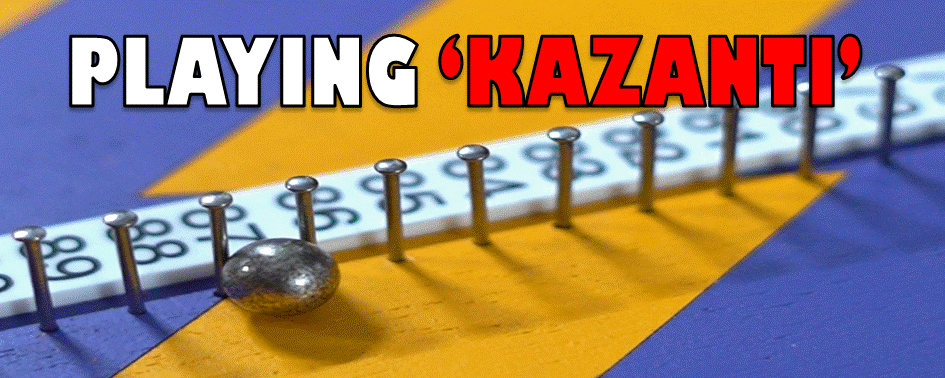
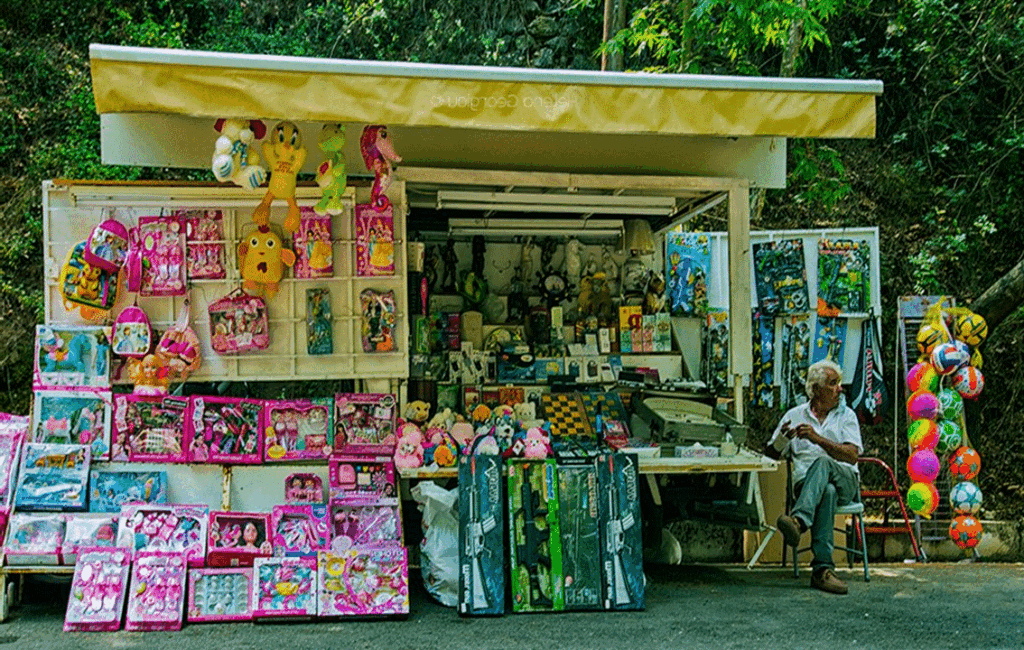
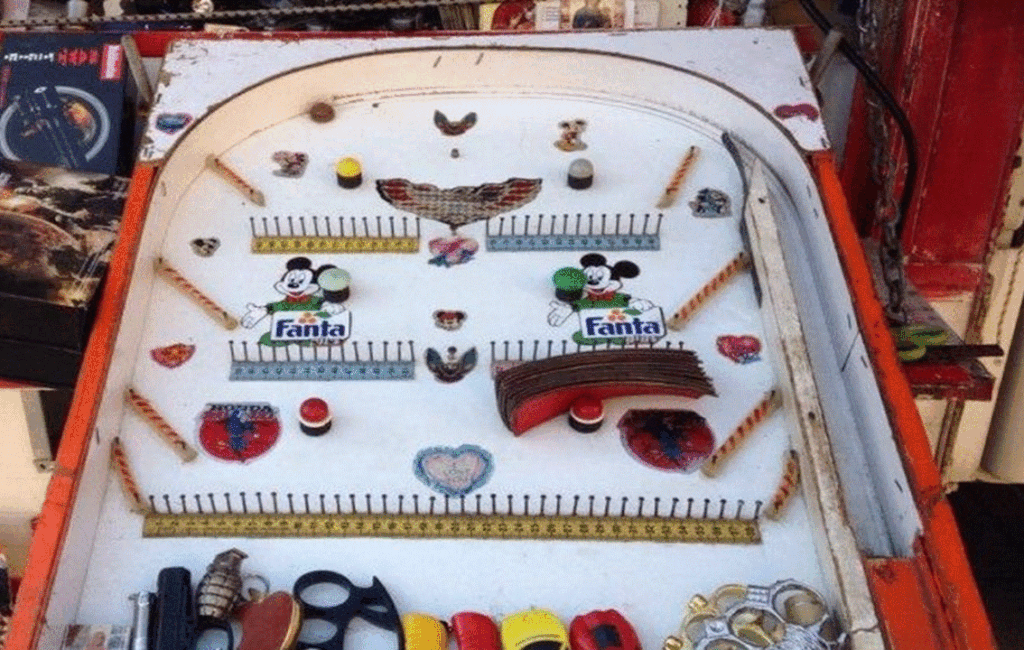
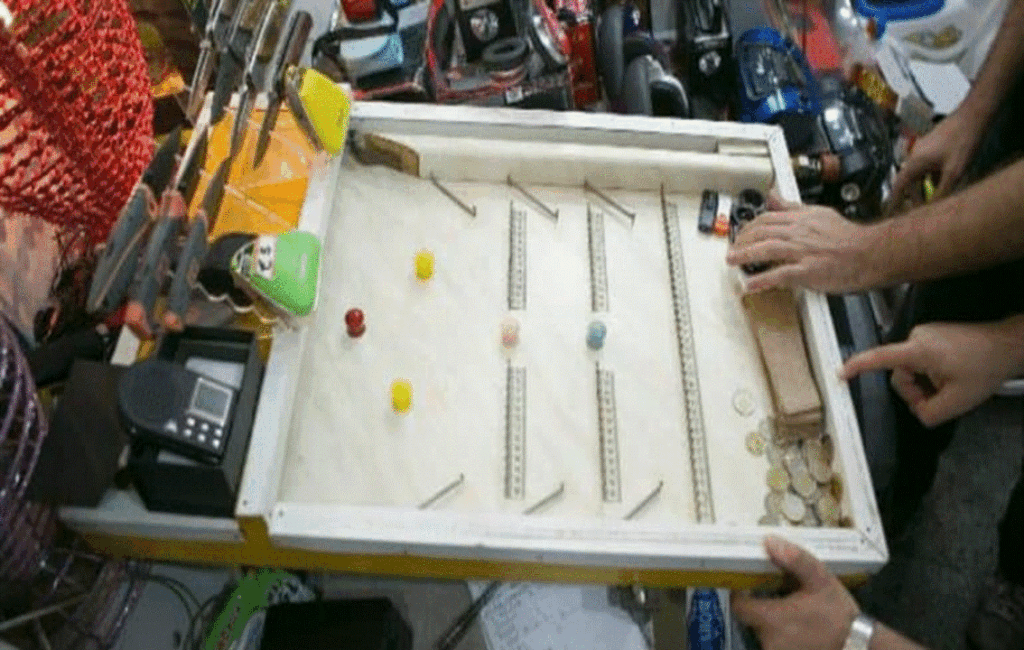
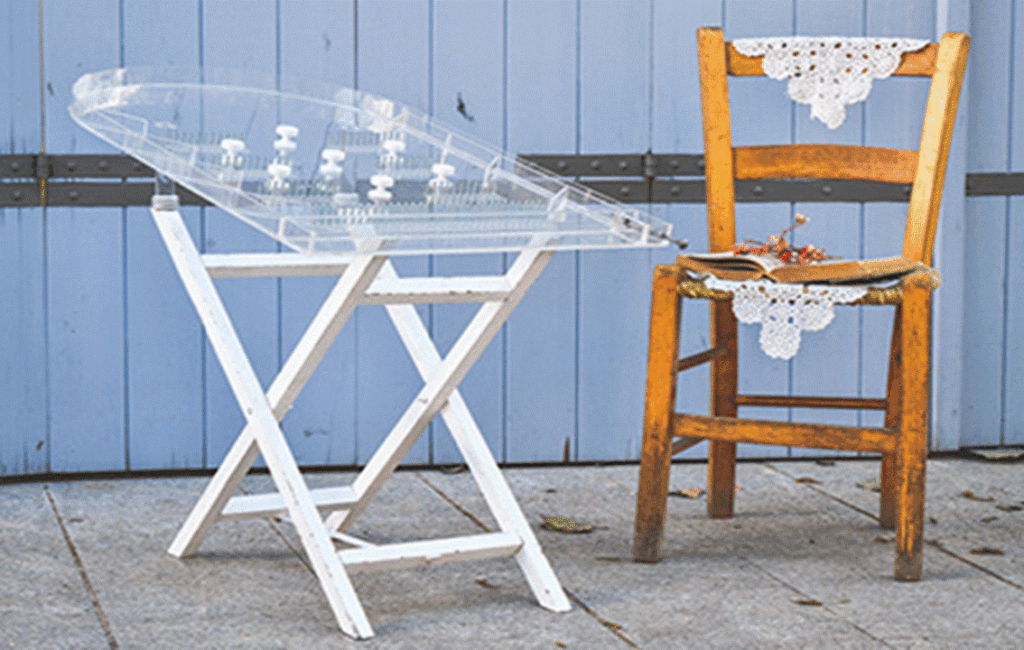
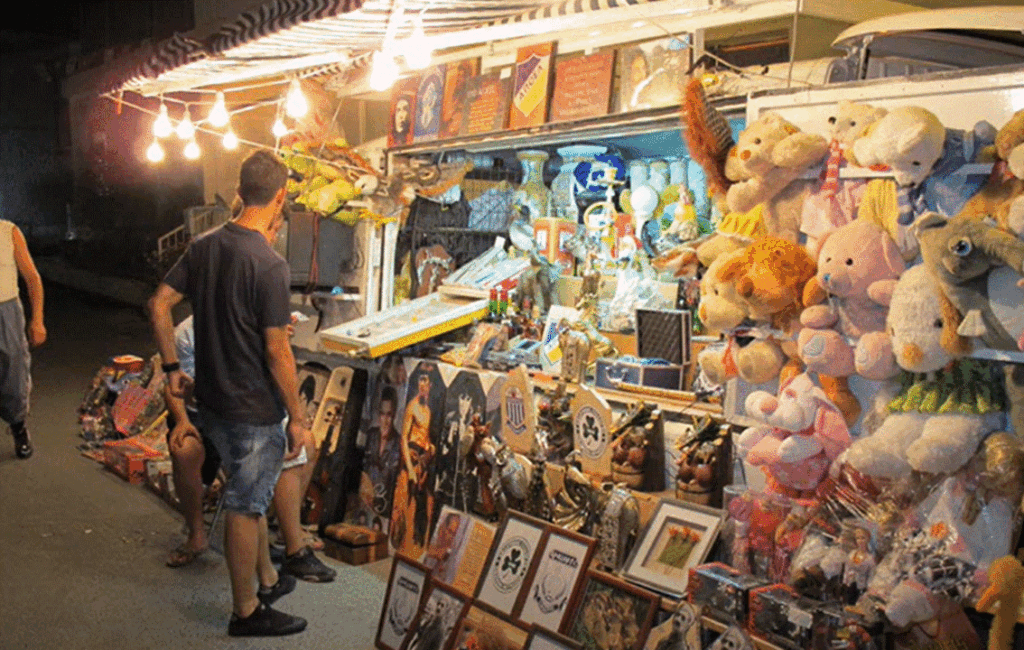
Kazanti is typically played in an outdoor setting, usually from a specially modified van or small truck. The game is regulated, and a permit is always required to operate one. Appealing to people of all ages, the rules of the game are simplistic. With this in mind, this game of chance is simple in its structure and relies on a great deal of player’s luck. The game begins when a player purchases a card, which is usually configured with a series of randomly printed numbers. The player then pulls a spring that launches a small ball into a field of numbers, much like a pinball game. At some point, the ball, which uses gravity, will stop at a random number. If the player has the same number on their card, then they receive a prize.
10 FACTS ABOUT KAZANTI
Kazanti is an incredibly popular game in Cyprus that also known as ‘street roulette’.
Although the game is known as ‘street roulette’, the mechanics of the game are based more on a pinball and lottery principle.
Kazanti keeps a longstanding tradition of competitive play among the island’s inhabitants.
The strategy for the game lies in the ‘strength of the pull’ meaning that the player can control the strength with which the ball is launched, influencing where the ball will land.
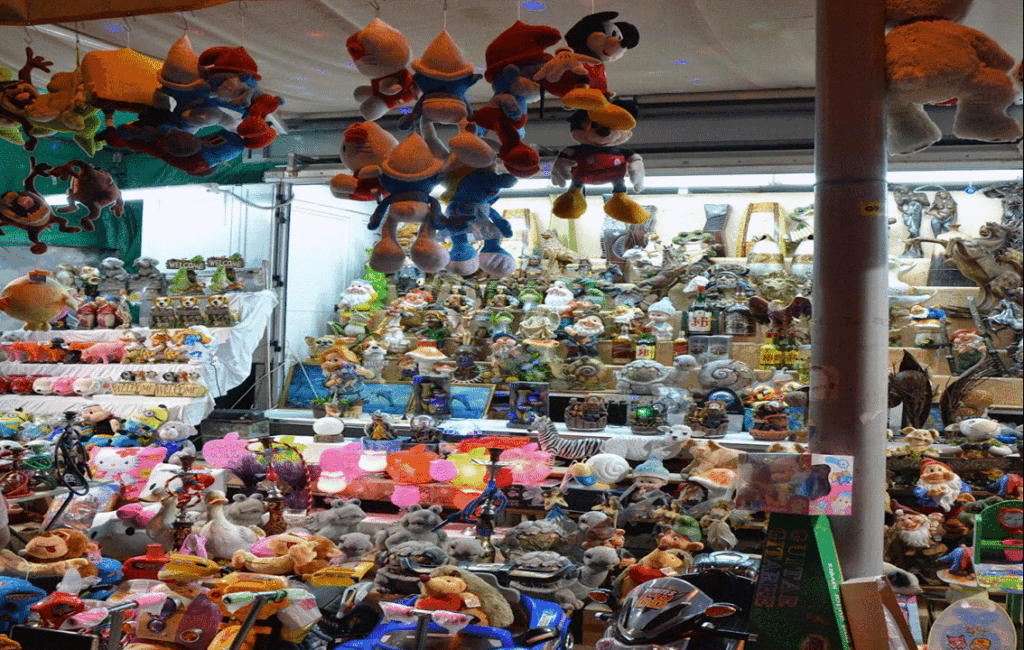
Typical prizes include children’s toys, scooters, skateboards, or small household interior items such as aquariums, clocks, figurines, or lamps.
Kazanti is a very fast game, and it only takes a few seconds for the ball to land on a number.
Kazanti vans can be found at most celebrations, festivals and other public events.
Kazanti is a licensed regulated activity and a special kazanti permit is required to set one up.
Each owner of a kazanti can independently set the price for each game depending on the value of the prize.
A game played for a small item may cost 1 or 2 euros, whilst more substantial prizes could cost between 5 or 10 euros per game.