ANIMALS IN FLIGHT
PET TRAVEL TO CYPRUS
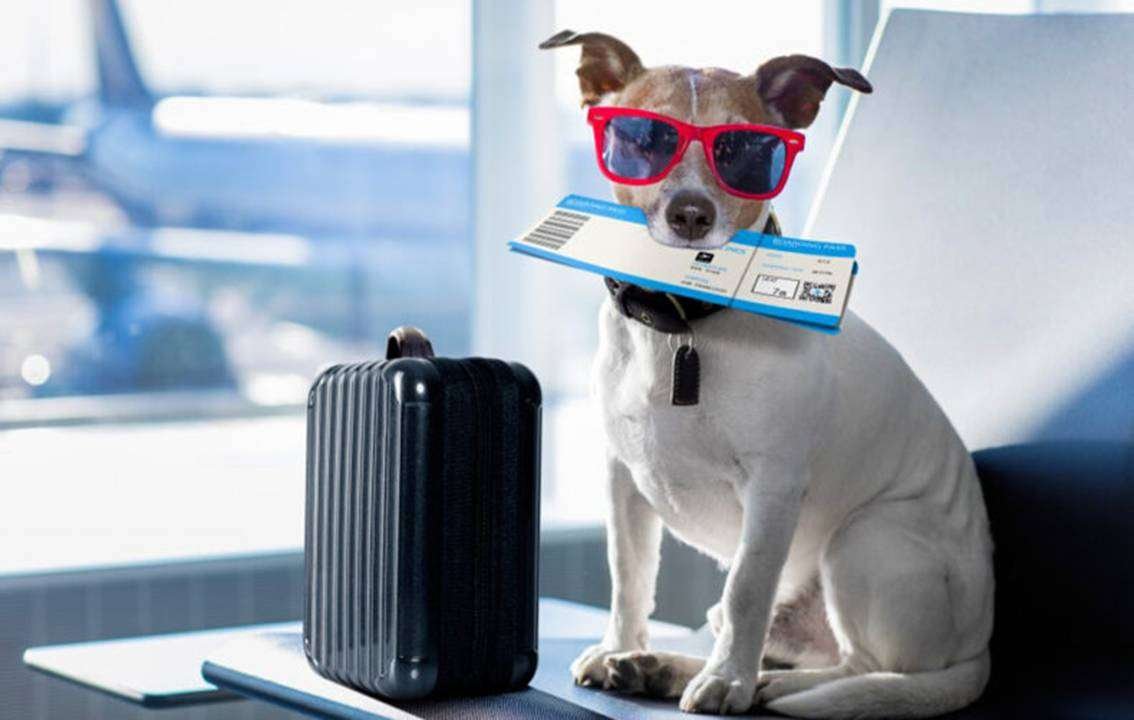
Technology has allowed animal air travel to become more accessible to pet owners all over the world. Several airlines, as a result, are now offering options that allow animal air travel to be conducted safely and comfortably to several locations across the world. This includes people who are travelling with their pets for vacations, along with the transportation and international relocation of animals for wildlife conservation missions.
Some airlines have restrictions on certain breeds or species of animals to be transported. With this in mind, inquiries should be made regarding each airline carrier’s rules. The rules of the destination country can also play a role. These rules are usually dependent on the type of animal that is to be transported.
With proper preparation and compliance, most animals are able to fly safely in a stress-free environment. Several requirements before air travel, however, must be followed. All animals must have a valid passport and the required veterinary documentation. This usually includes a certificate of good health, which can only be issued by a recognised veterinarian. Some destination countries also require animals to have an identification microchip and specific vaccinations, such as rabies.
GENERAL RULES FOR ANIMAL AIR TRANSPORT
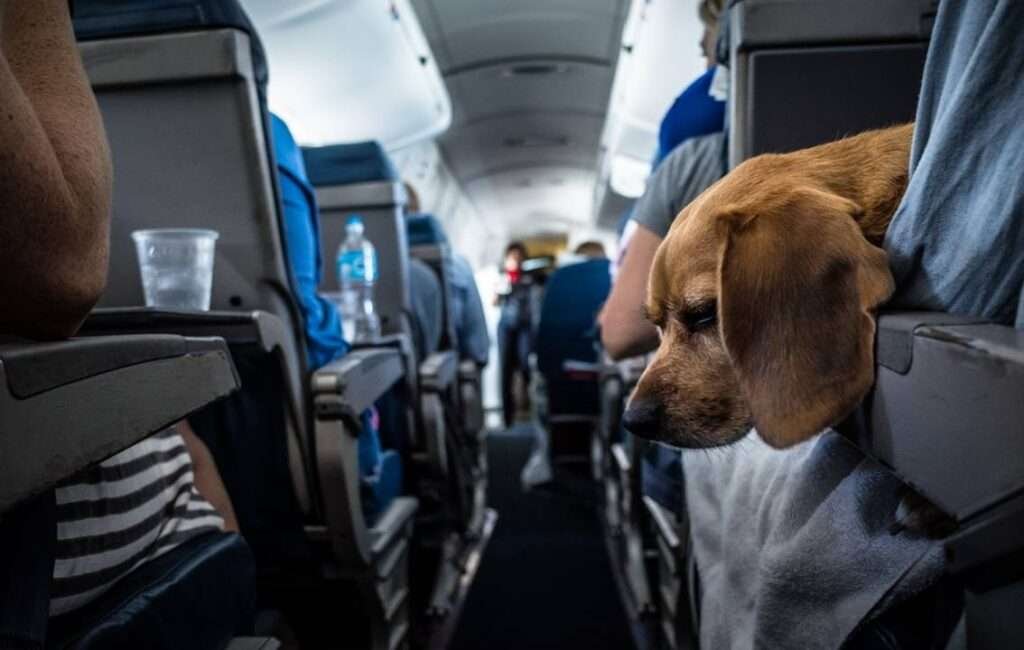
For animals travelling in the cabin: Small animals, generally dogs and cats that weigh up to 10 kg, are generally allowed to travel in the cabin with their owners. They must be placed, however, in an approved carrier case and be positioned under the seat. They must remain in their approved carrier case even if a separate seat is purchased for them. Most airlines allow an exception for passengers who are accompanied by an emotional support animal. These animals can travel without having to be placed in a carrier case. This only applies to animals that meet certain conditions, however. Rescue or service dogs are also allowed to travel freely in an aircraft cabin with their handlers.
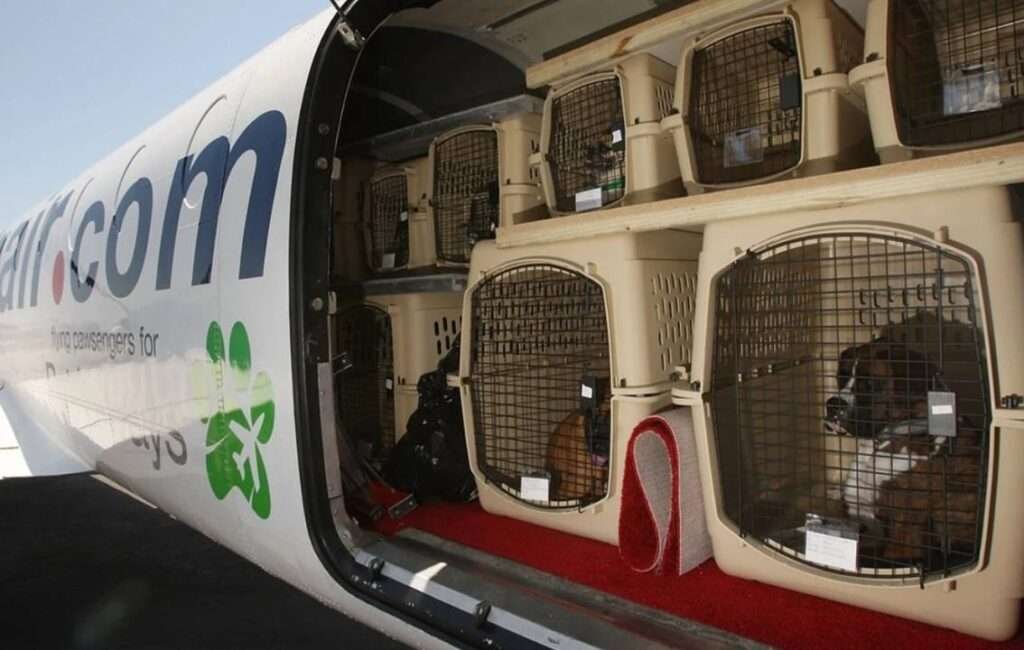
For animals travelling in the hold: Larger animals are placed inside special containers that guarantee ventilation and safety, and are then placed in the hold. In some cases, these animals are sedated. Airlines are obligated to ensure that the cargo hold environment is pressurised and air-conditioned to avoid discomfort. Zoologists and conservationists use the cargo hold to transfer endangered animals to safer habitats. These animals that are often destined for zoos, nature reserves, recovery centres, or conservation projects travel in dedicated compartments with special assistance to ensure their well-being.
THE PLANNING PROCESS OF PET TRANSFER
Bringing your pet to the Republic of Cyprus requires strict adherence to European Union pet travel regulations. This means that all pets must be microchipped, vaccinated against rabies, and accompanied by a valid European Union Pet Passport or an Animal Health Certificate. Because the process requires a strict timeline, all steps must be planned at least 1 to 3 months before the departure date.
PHASE ONE
These steps must be completed in this exact chronological order. Failing to do so will invalidate all paperwork, and all pets in question will not be allowed to travel.
ISO Microchip: All pets must be fitted with a 15-digit ISO 11784/11785 compliant microchip. This must be done before or on the same day as the rabies vaccine.
Rabies Vaccination: The vaccine must be administered when the pet is at least 12 weeks old and at least 21 clear days before travelling to the Republic of Cyprus. If entering from an unlisted or high-risk rabies country, the pet in question will also need to undertake a blood titer test. Pets from the United Kingdom, European Union, United States, and Australia do not require this test.
Titer Test: This must be drawn 30 days after any rabies vaccine. A further 90-day mandatory wait before travel is also required.
PHASE TWO
The different paperwork that is needed depends entirely on where the pet is travelling from.
European Union: A valid, up-to-date European Union Pet Passport must be obtained.
United Kingdom: An Animal Health Certificate from an Official Veterinarian must be obtained. This must be issued within 10 days of any intended travel to Cyprus.
Rest of the World: A valid Veterinary Health Certificate endorsed by the originating country’s governing body must be obtained. This must be issued within 10 days of any intended travel to Cyprus.
PHASE THREE
Cyprus does not allow pets to enter without warning.
Point of Entry: All pets can only legally enter through Larnaca or Paphos International Airports.
Advance Notification: The Cyprus Veterinary Services at the Cypriot arrival airport must be notified of a pet’s arrival at least 48 hours before landing. Flight details and copies of all of the necessary paperwork will be required.
Mode of Pet Air Travel: Pets usually fly as accompanied baggage in the hold via manifest cargo, and each travel crate must be explicitly approved by the International Air Transport Association. They are also allowed to travel in the cabin if they are small enough, but this is dependent on each airline.
PHASE FOUR
Upon landing, a government vet will inspect the pet and review all original documents.
Fees: A standard entry inspection fee, which usually costs between €50 and €100, has to be paid directly to the border vet. If all of the correct documentation is in place, and the pet passes the border vet’s inspection, then it is allowed to enter the Republic of Cyprus with no quarantine period.