THE CITY OF NICOSIA TOPS THE LIST AGAIN!
THE BEST CULTURAL DESTINATION IN EUROPE
Nicosia has once again been installed as one of the ‘Best Cultural Destinations in Europe’. The City has once again been awarded the title after consistently topping the list of several European surveys. Conducted at different times throughout the year, all of these surveys record and compare a range of measurable cultural indicators. Each one then contributes to a final score that is used to determine the best cultural destinations in Europe.
SEVERAL CULTURAL INDICATORS
Cultural indicators that generally help establish the best cultural destination in Europe include museum density, diversity of cultural venues, and the richness of each city’s year-round festival calendar. Each destination’s heritage value, contemporary creativity, and international cultural relevance are also used as key indicators. Visitor experience is also taken into consideration. This is usually measured by several international travellers, who are often asked to assess the authenticity of each city’s cultural atmosphere and its overall cultural appeal.
A EUROPEAN SHORTLIST
The City of Nicosia, in recent years, has constantly made the shortlist of outstanding European cities. This has directly led to the city once again achieving the accolade. Nicosia stands out as a top European cultural destination for several reasons, and here are the key points that make it special.
WHY IS NISOSIA SO SPECIAL?
A RICH LAYERED HISTORY
Nicosia is one of the world’s last divided capitals, split between the Greek Cypriot south and Turkish Cypriot north. This unique geopolitical history is mirrored in its architecture, street life, and museums. This offers a palpable sense of how cultures intersect and evolve over time. The star-shaped city walls and Venetian fortress provide a tangible link to centuries of rule and trade, from the Medieval period.
A DUAL CULTURAL HERITAGE
Nicosia embodies both Greek and Turkish Cypriot influences. This blend is reflected in language, music, cuisine, and festivals, giving visitors a rich, multifaceted cultural experience.
ARCHITECTURAL TAPESTRY
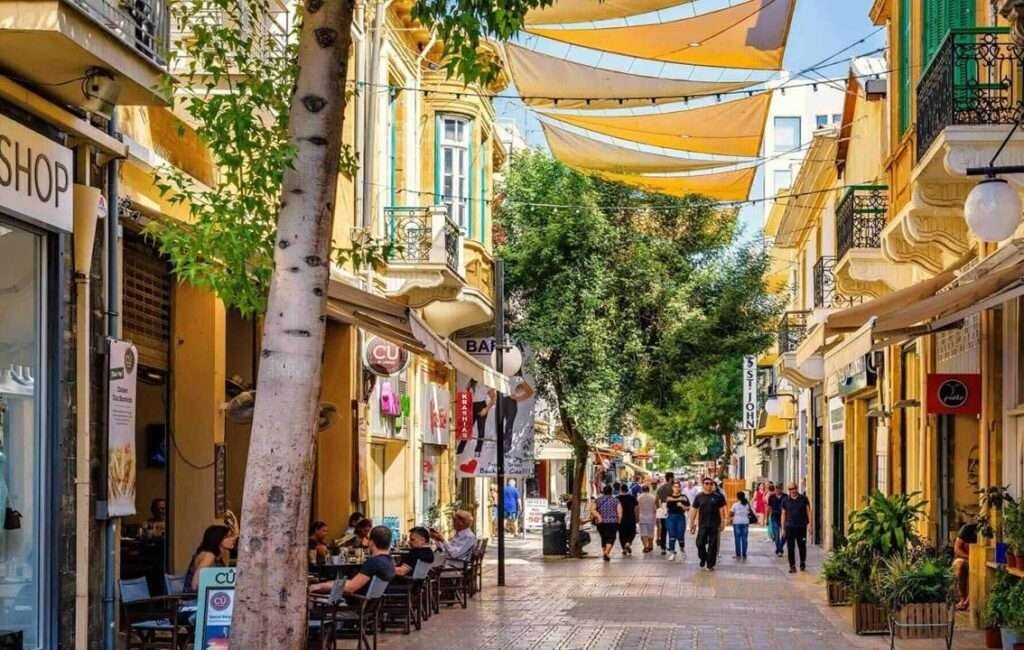
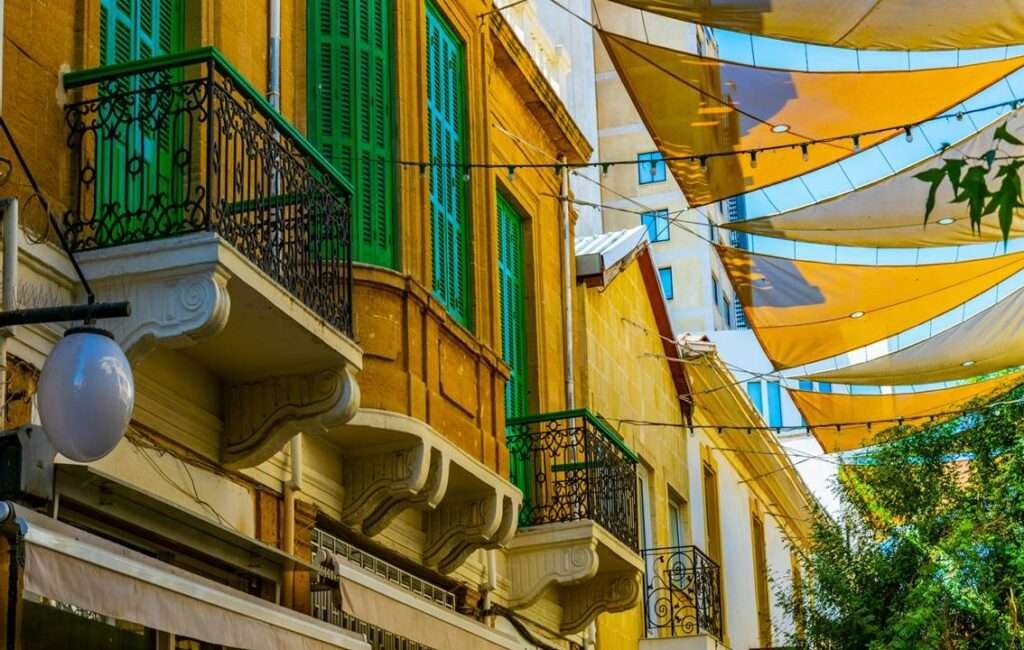
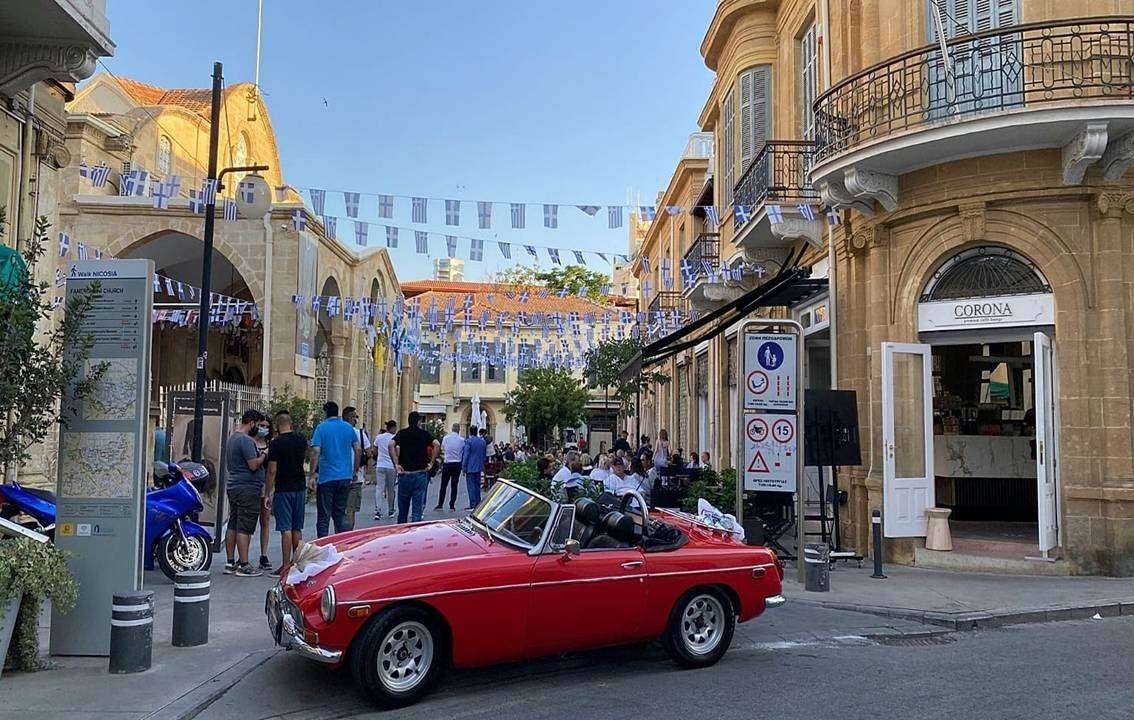
Inside the old city, you’ll find traditional houses, Ottoman-era mosques, Greek Orthodox churches, and quaint medieval lanes. The Ledra Street crossing and the iconic old town layout create a charming, walkable atmosphere. The capital city also serves as a gateway to some remarkable religious and administrative architecture in the Nicosia region. These include UNESCO-listed Painted Churches that can be found in the nearby Troodos region.
ART & MUSEUMS
There are several galleries and cultural centres that can be found throughout the city. These often host rotating exhibitions, installations, and performances.
The Cyprus Museum and the Leventis Gallery are two of the most notable places to visit.
The Cyprus Museum: Also known as the Archaeological Museum of Nicosia, this museum houses one of the most important collections of Cypriot antiquities in the eastern Mediterranean. Its exhibits span the Palaeolithic period to late antiquity.
The Leventis Gallery: This museum showcases a strong collection of Cypriot and European art, with a focus on modern and contemporary works.
CULINARY & COFFEE CULTURE
Nicosia offers a lively food scene that blends traditional Cypriot tavernas with modern eateries. Local markets and meze tavernas provide immersive experiences in regional flavours and social dining. Expect halloumi, fresh seafood, meze platters, and a coffee culture that blends Greek, Turkish, and Levantine influences.
FESTIVALS & EVENTS
The city hosts various annual events that celebrate music, film, and local traditions. Dependent on the season, all of the city’s cultural performances, street festivals, and art happenings usually reflect both contemporary and historical themes.
WELL CONNECTED
As the capital city of Cyprus, Nicosia is well-connected by road and has good infrastructure for visitors. It also serves as a gateway to the broader Cypriot experience. This includes beaches, ancient ruins, and the Troodos Mountains.
A WALKABLE SAFE CITY CENTRE
The compact old town is best explored on foot. There are several hidden courtyards, souvlaki stalls, boutique shops, and churches that are often tucked away from main streets.