CYPRUS ONCE AGAIN EMBRACES 10 DAYS OF CARNIVAL CELEBRATION
FEBRUARY 12TH TO FEBRUARY 22ND
SEVERAL CELEBRATIONS ACROSS THE ISLAND
The Cyprus Carnival 2026 is a vibrant 10-day event that directly reflects the island’s carnival heritage. Also known as ‘Karnavali’, this traditional annual event is vigorously celebrated across the island during the run-up to Greek Orthodox Easter. With this in mind, a series of carnival events will take place this year in several villages, towns and cities, starting February 12th.
A PRECURSOR TO LENT
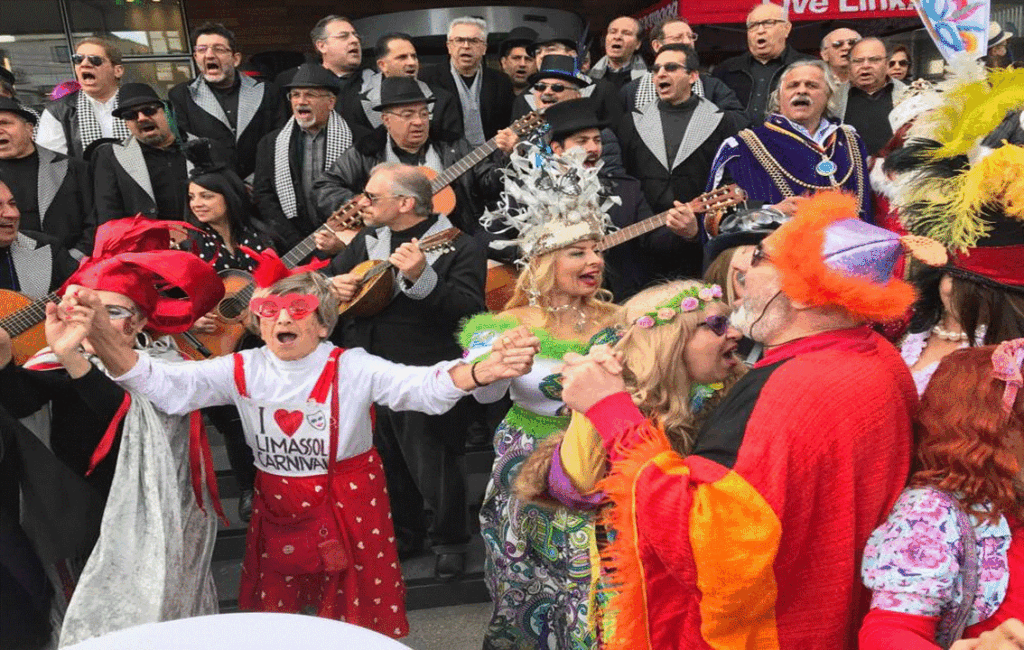
The Cyprus Carnival is the traditional precursor to LENT, and signals the beginning of the Easter period across the island.The various events leading up to the grand parade, which will be held on Sunday, February 22nd, often bring people from different walks of life together in celebration. It does this by providing an opportunity for all communities to come together in celebration. These people often use the celebrations as a vehicle to express themselves through music, dance, and colourful satirical revelry.
CARNIVAL ORIGINS
Modern carnival celebrations have originated from several ancient religious practices. These, along with a series of evolved social customs, have helped to form the modern version of the popular cultural event. As a result, the Cyprus Carnival today also represents a specific artistic tradition. This, along with revelry, merriment, and the suspension of normal social conventions, creates a celebration like no other.
GREEK PAGAN FESTIVALS
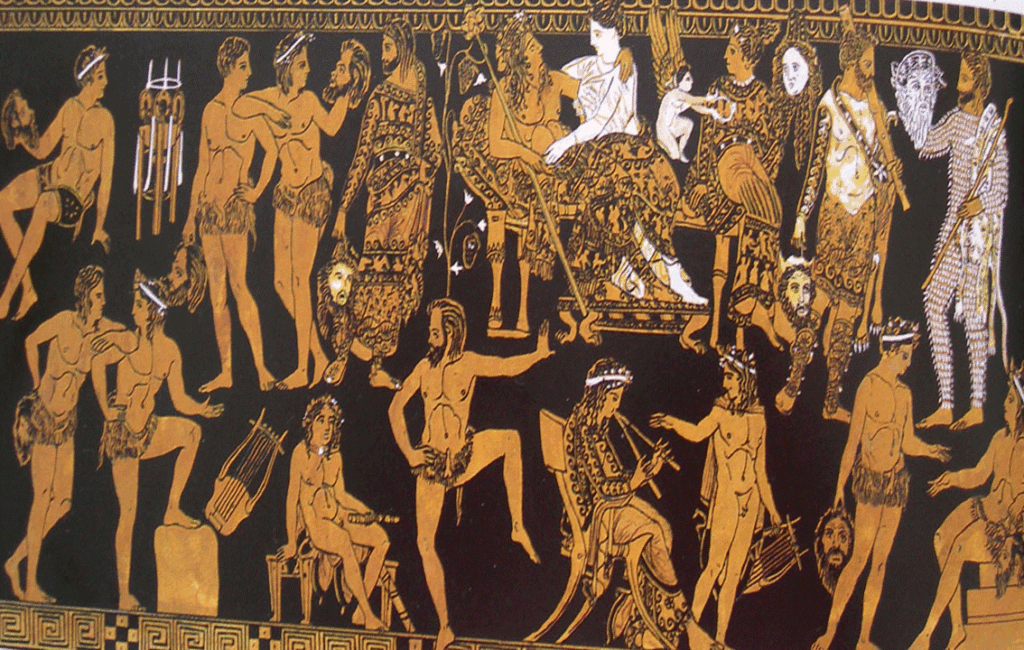
Some elements of the Cyprus Carnival are also thought to derive from ancient Greek pagan festivals. One such festival is known to have honoured Dionysus, the Greek god of wine and revelry. This festival involved a grand celebration, held every year at the end of winter and the coming of spring. This celebration is thought to have involved excessive wine consumption, street dancing, and extreme revelry throughout.
EARLY CHRISTIAN DOCTRINES
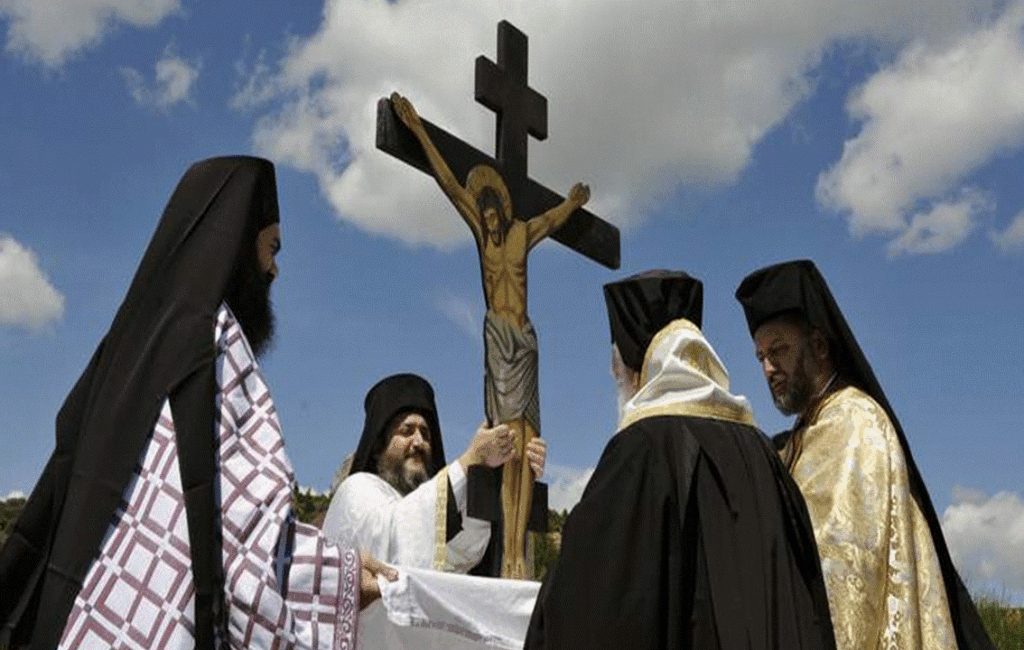
Christianity would eventually absorb the pagan festival into its doctrines. The Greek Orthodox Church associated the celebration with rejuvenation, new beginnings and used it as a precursor to the start of LENT. The word ‘carnival’ is believed to have derived from the Latin word ‘Carnevale’, which means farewell to meat. This reflects the practice of abstaining from meat during LENT, and because of this, carnival is considered a time for feasting and over-indulgence, before a sustained period of fasting leading up to Easter.
A NEW CULTURAL LANDSCAPE
The medieval period saw further development of several elaborate carnival celebrations. This occurred not only in Cyprus but all over Europe. The Republic of Venice, which presided over a trading empire at the time, was at the forefront of several lavish carnival festivities. These included some of the biggest and most flamboyant masquerade balls, parades, and street parties at the time. This was fully embraced by the island’s eventual Venetian rulers, who fed this directly into the cultural landscape of Cyprus.
A TIME HONOURED REPUTATION
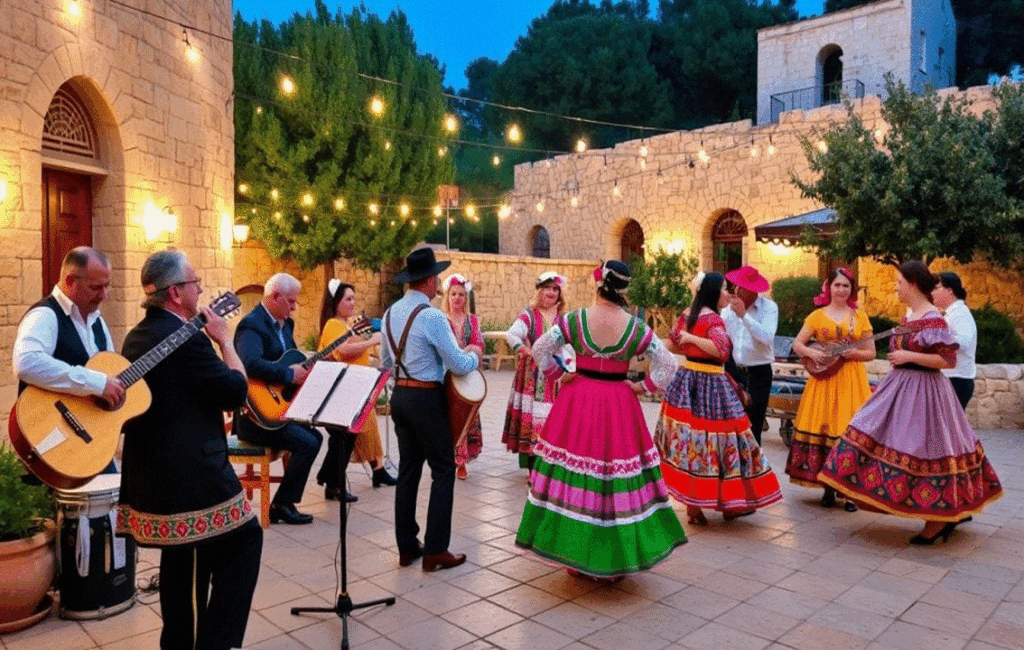
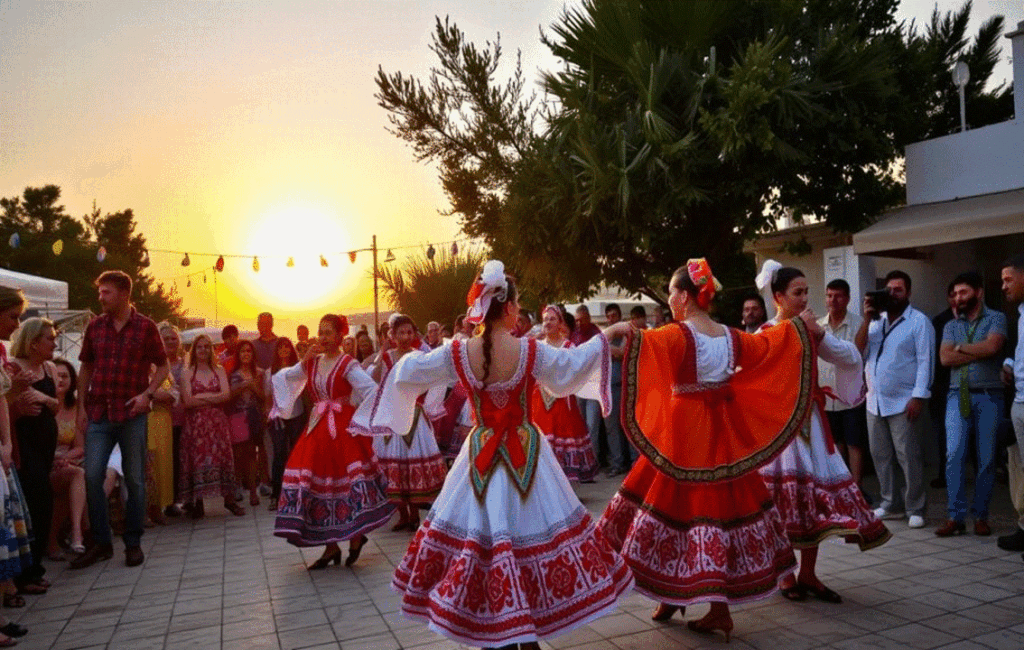
Cypriots in general have a time-honoured reputation for being a fun-loving, sociable people. Most live up to this during carnival time. This is evident by the inclusion of a great deal of community eating, singing, and dancing. This is also emphasised during several communal satire games and costumed street parties that take place throughout the 10-day carnival period. Although celebrated throughout the island, the biggest event traditionally takes place in Limassol.
10 DAYS OF CELEBRATION
The Cyprus Carnival overall is a wonderful opportunity to experience and celebrate the transition from winter to spring in Cyprus. The 10-day event this year begins on Thursday, February 12th. Celebrations will continue through to Sunday, February 22nd. The next day is GREEN MONDAY, which traditionally marks the beginning of LENT. As well as the numerous street celebrations, most hotels and cultural organisations in each city are once again holding fancy dress balls and several carnival parties. Other establishments all over the island are also hosting several events celebrating the Cyprus Carnival.
'TSIKNOPEMPTI' OR SMELLY THURSDAY
The first week of the celebrations always begins on a Thursday. This day is known as Stinky Thursday or ‘Tsiknopempti’, which marks the first day of festivities. This name derives from the smell of street cooking, marking the beginning of meat week, also known as ‘Kreatini’. This also signals the final week of meat consumption before LENT and the Orthodox Easter fast. After Tsiknopempti’, other smaller daily events take place in anticipation of the grand carnival parade, which is normally held on the last Sunday, which is the 10th and final day of all festivities.
'TYRINI' OR CHEESE WEEK
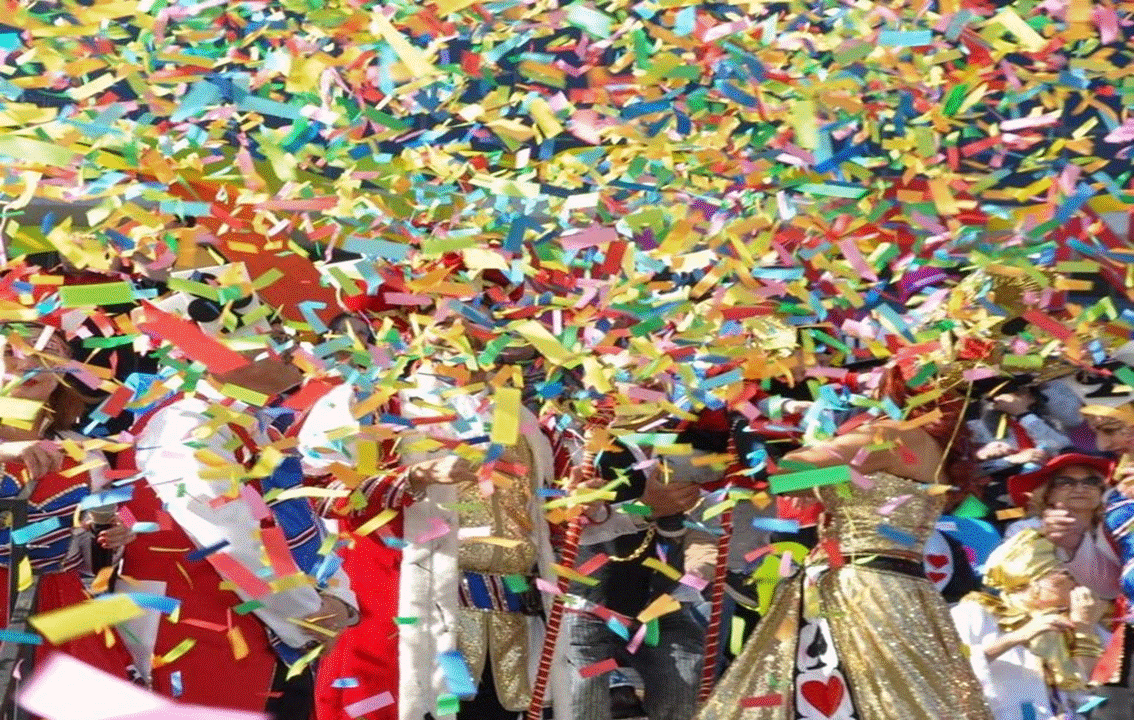
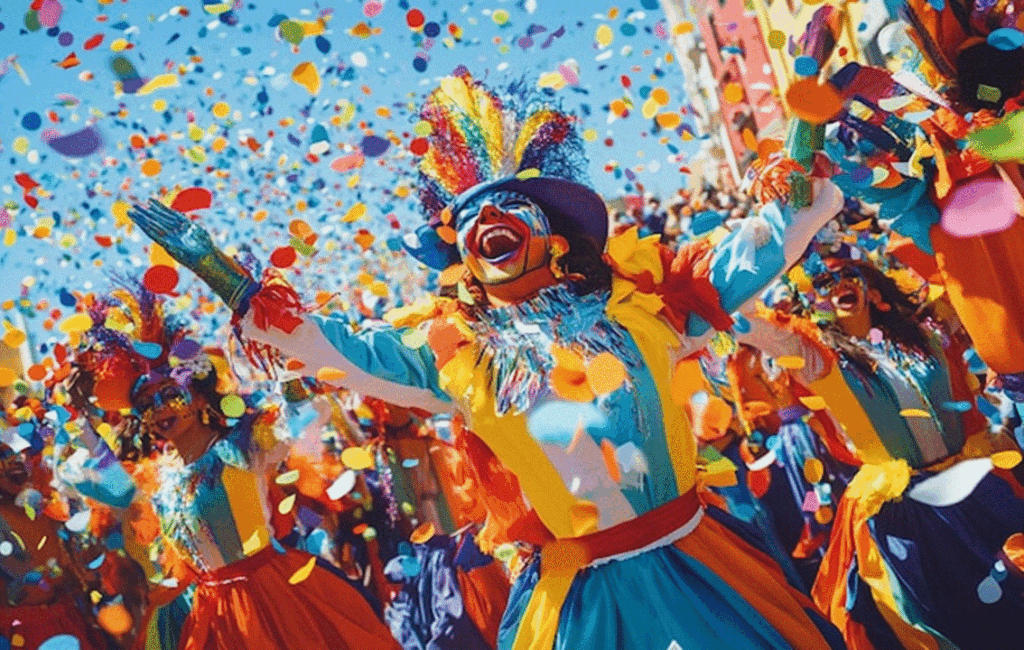
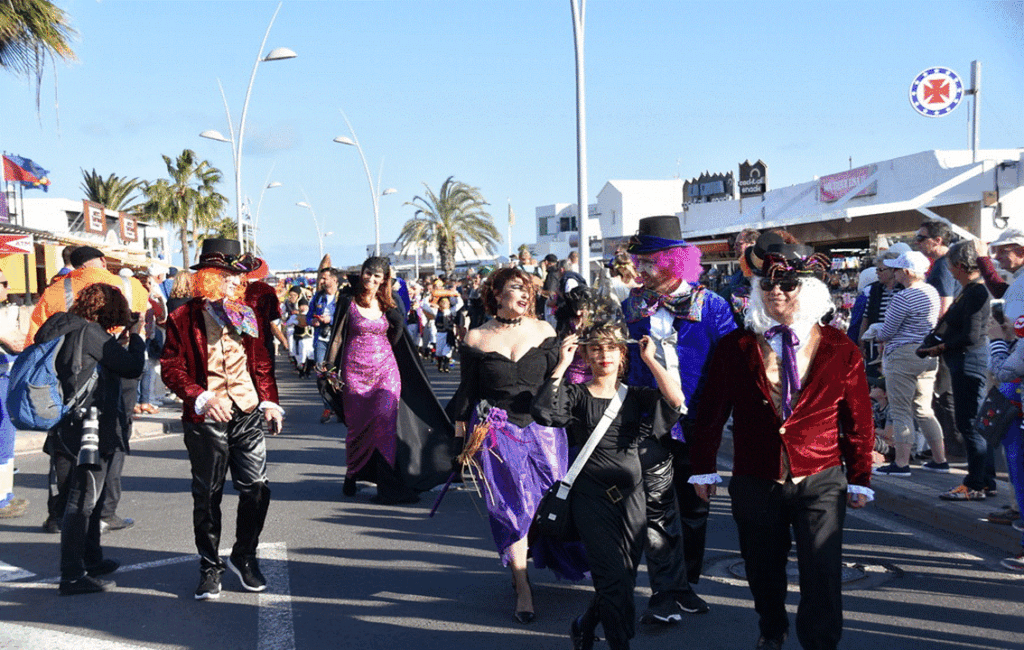
The second week of the festival introduces cheese week, also known as ‘Tyrini’. This signals the final week of dairy consumption before LENT and the Orthodox Easter fast. Daily carnival celebrations include local music and dance troupes. Several staged events include masquerade balls and costume contests. Regional traditional rituals and customs are also observed during this time. These include the selection of a carnival king and queen. Some regions burn effigies, or emphasise the throwing of confetti and streamers.
THE GRAND PARADE
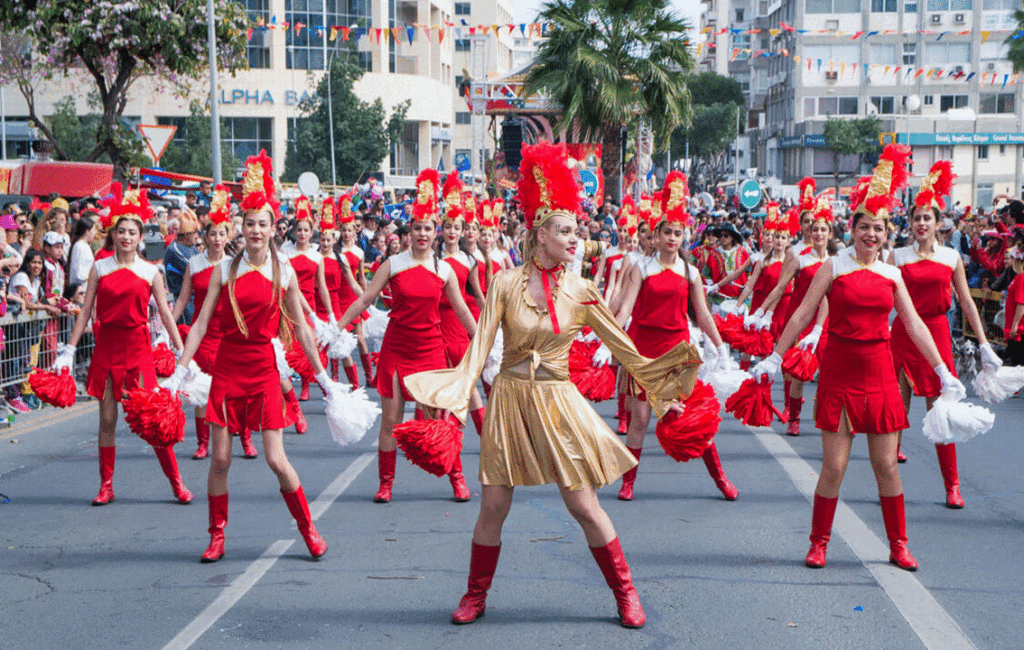
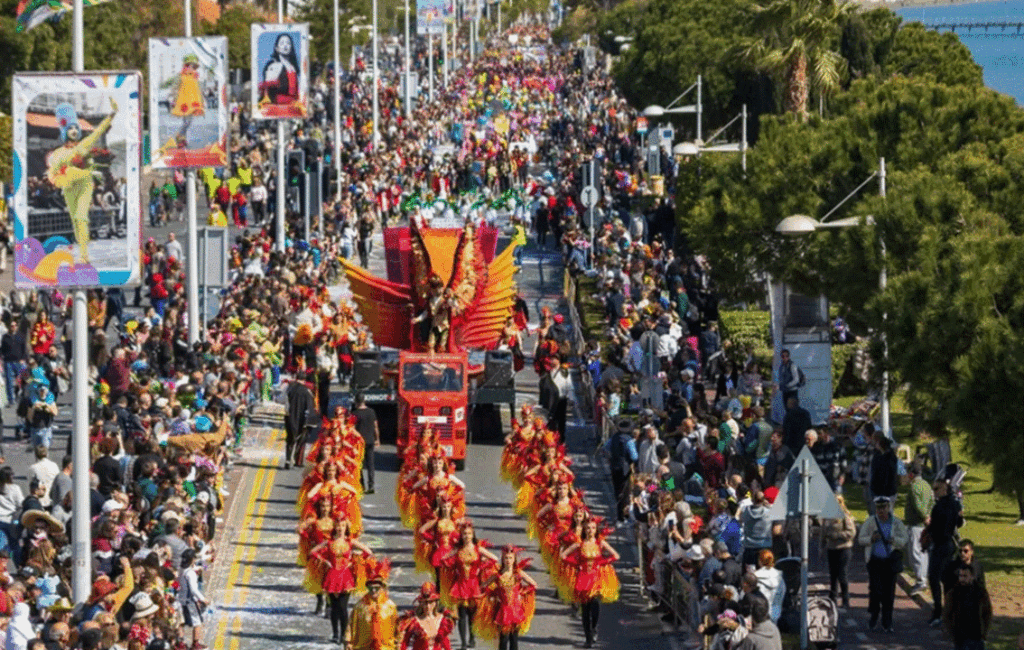
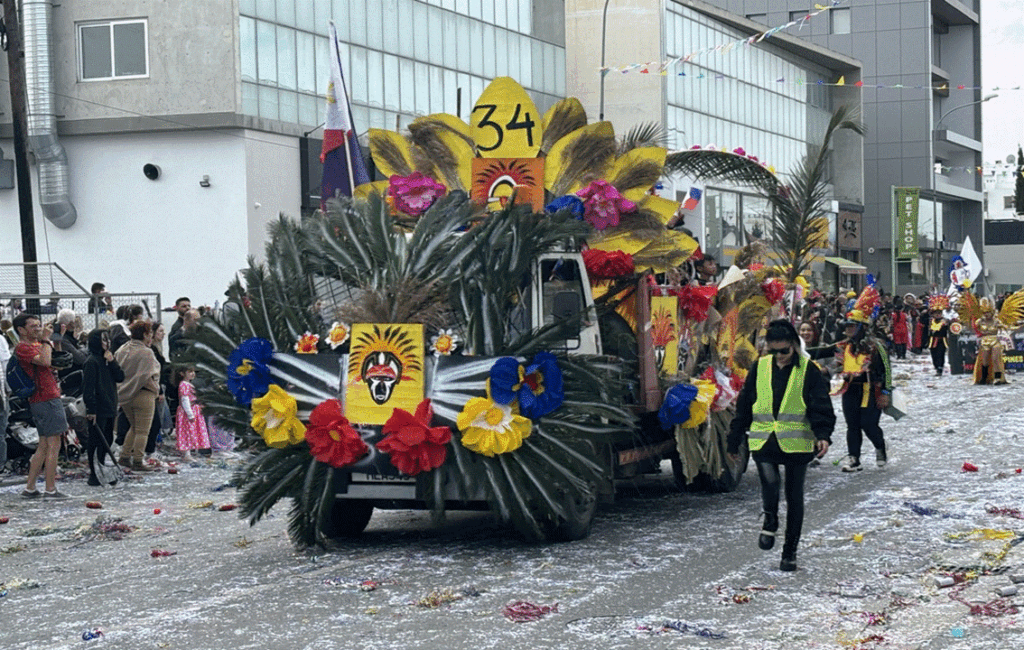
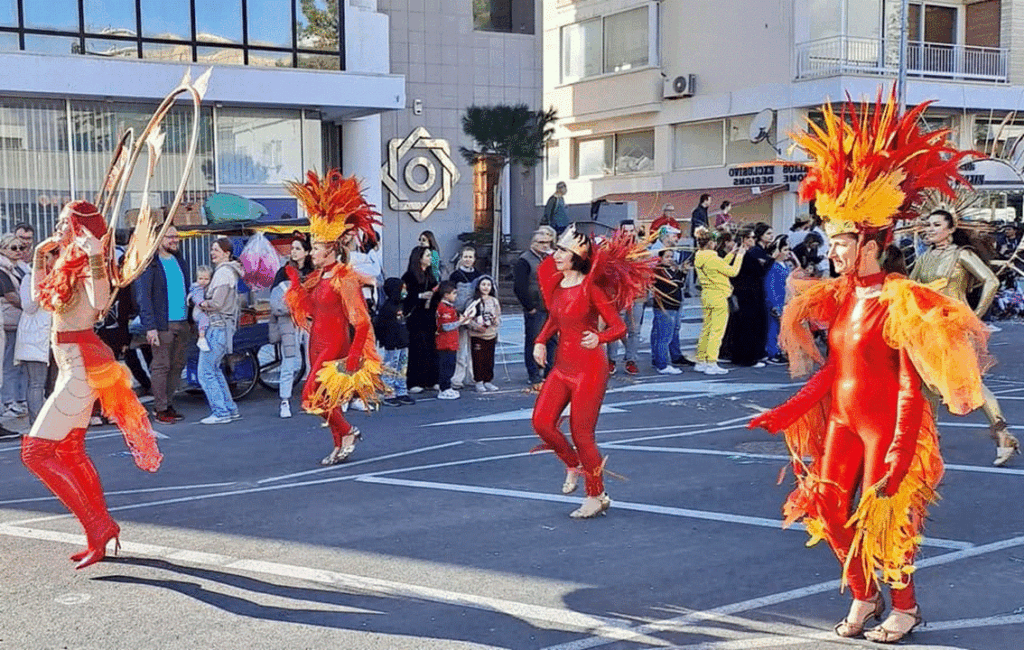
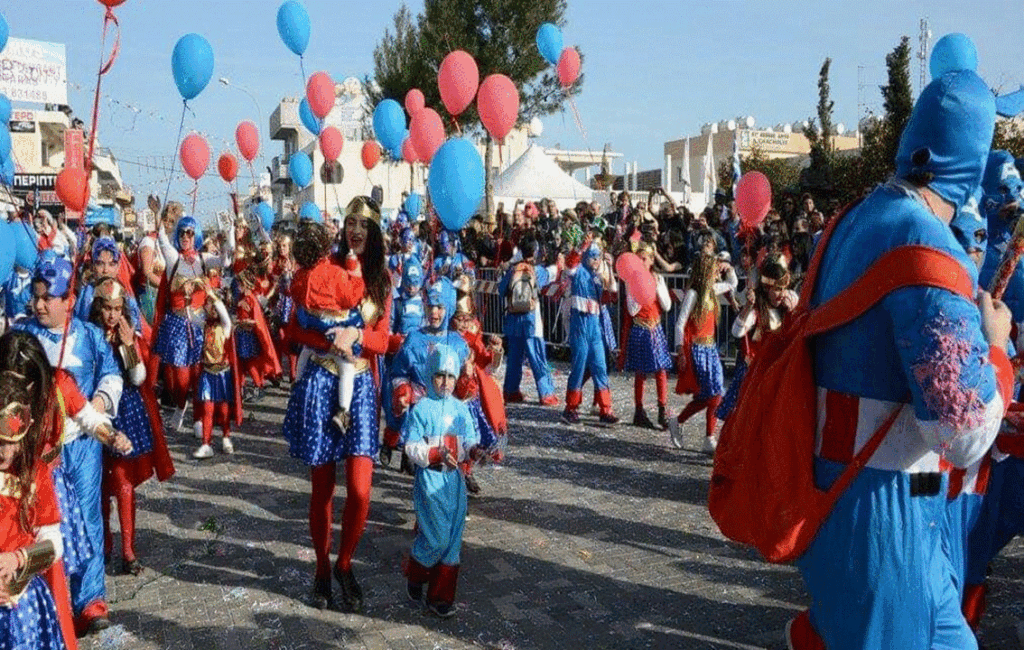
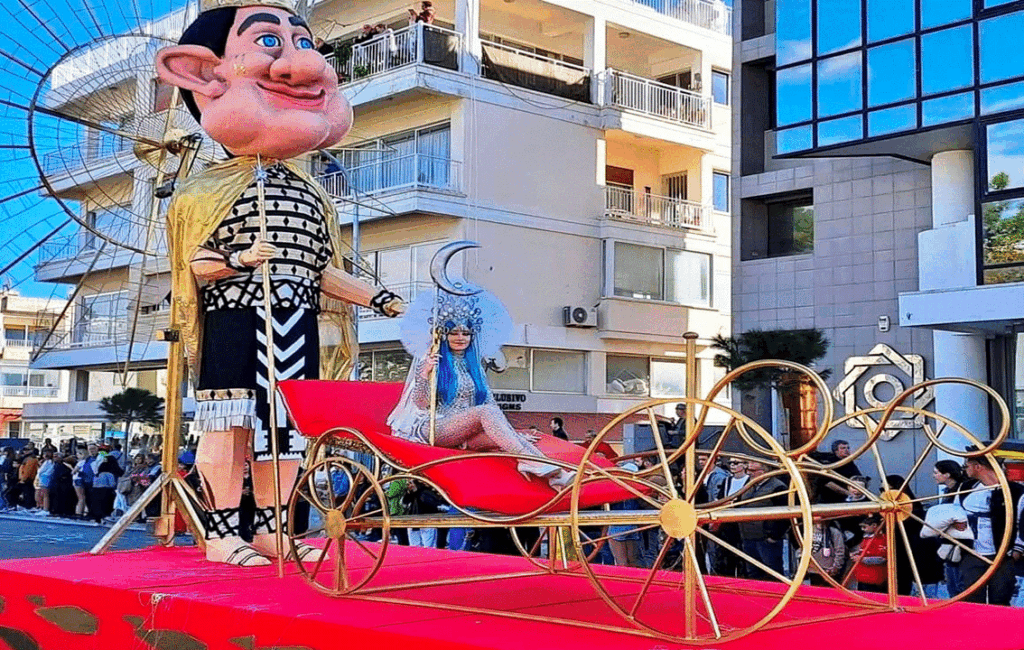
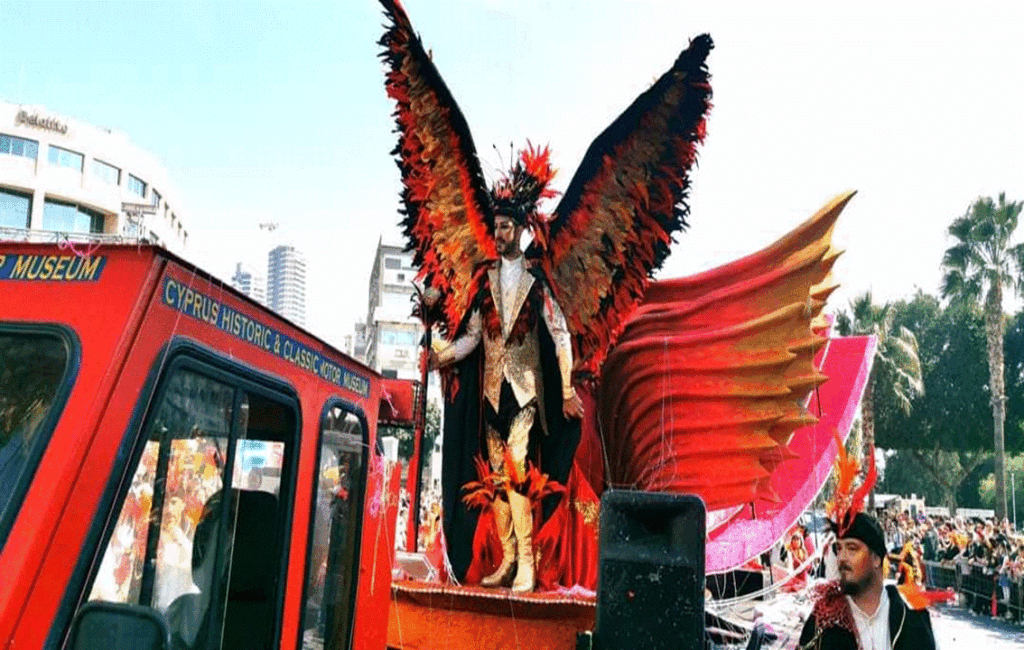
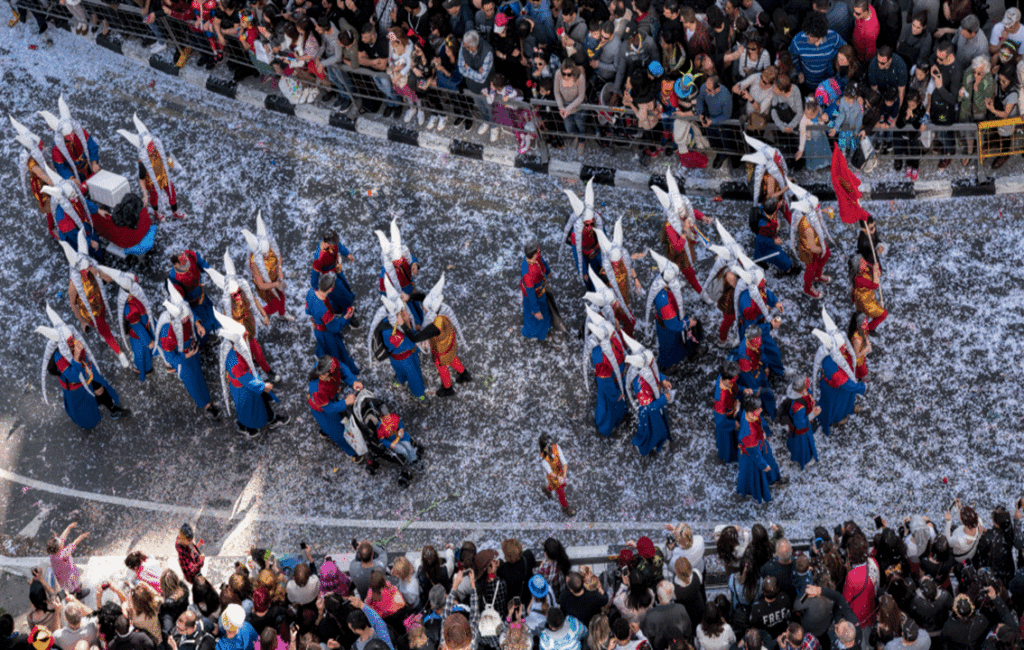
Street food and refreshments are also abundant during the celebrations. The colourful festival culminates with a costumed grand parade on the 10th and final day of festivities. This always takes place fifty days before Orthodox Easter Sunday. People, on this day, line the streets to watch the grand costumed parade that is usually made up of an array of colourful floats, music and lively dance troupes.
THE CARNIVAL KING & QUEEN
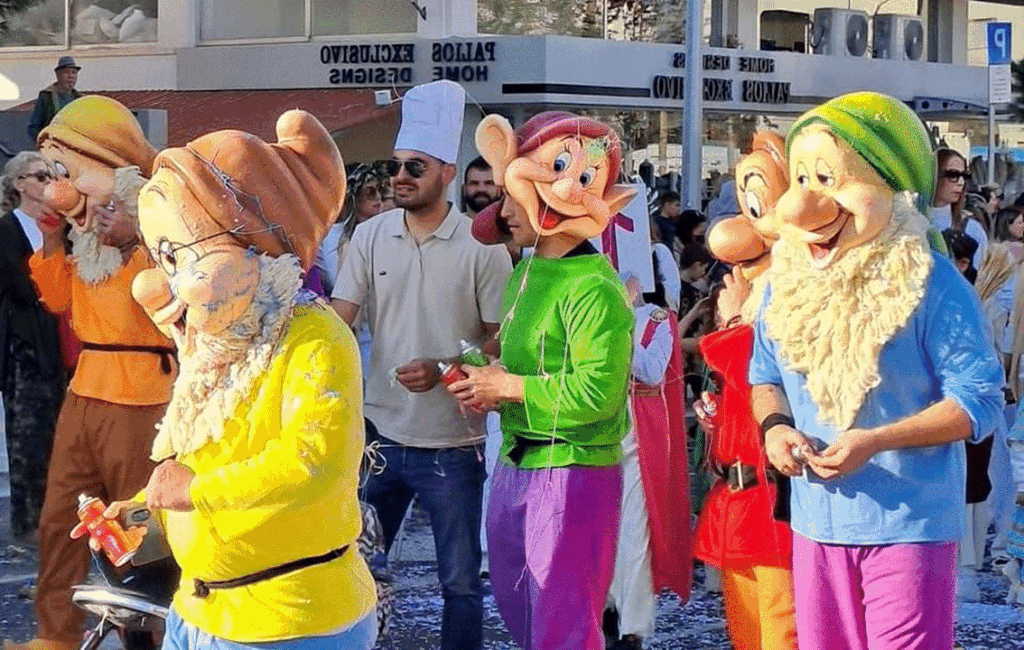
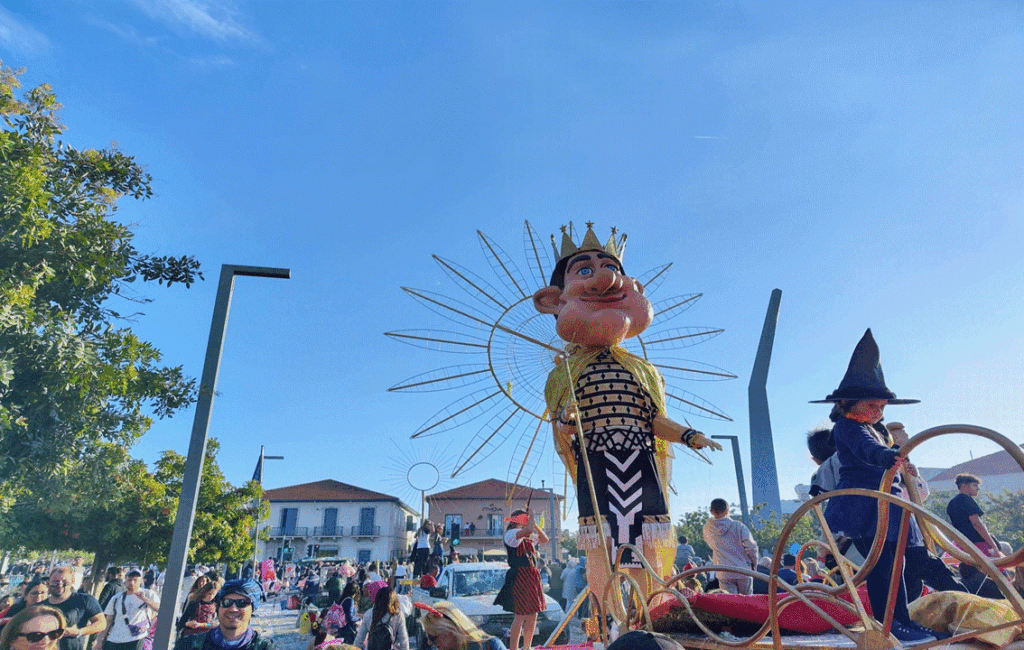
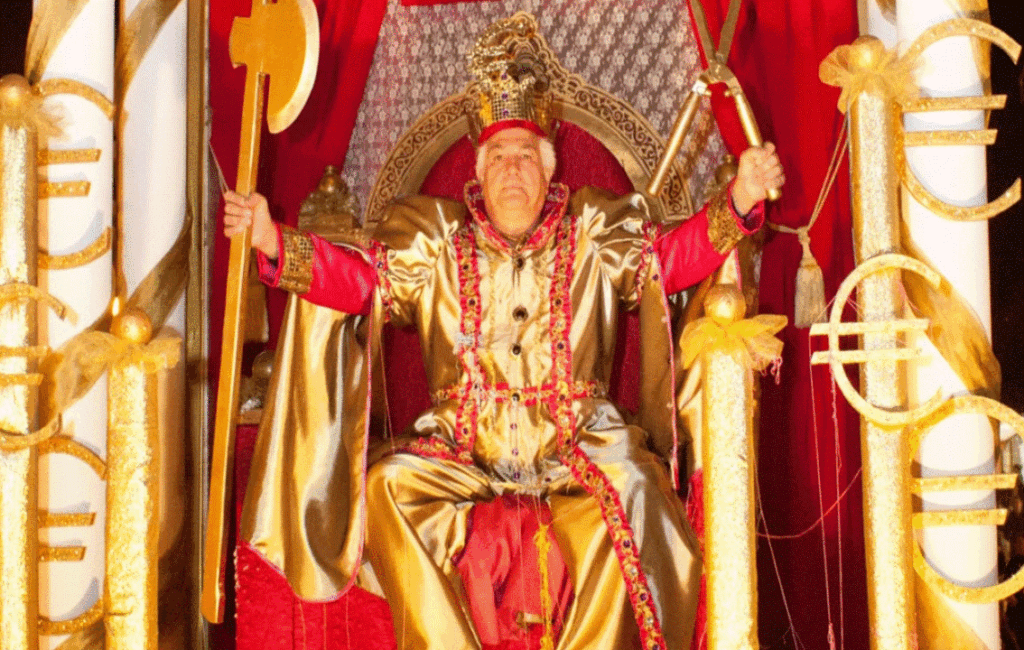
All carnivals have a king and queen whose role it is to lead most of the processions. Carnival royalty also blesses the crowds with renewed health and good fortune. In recent years, the grand carnival has also become a platform for social and political commentary relevant to Cyprus. This has seen the carnival king or queen taking on real-life characters and then portraying them in a satirical sense. As well as this, carnival music, dance, and some performances have also been used to incorporate relevant themes into the celebrations. These themes have generally addressed contemporary issues and challenges that the island faces.
THE CHILDREN'S CARNIVAL
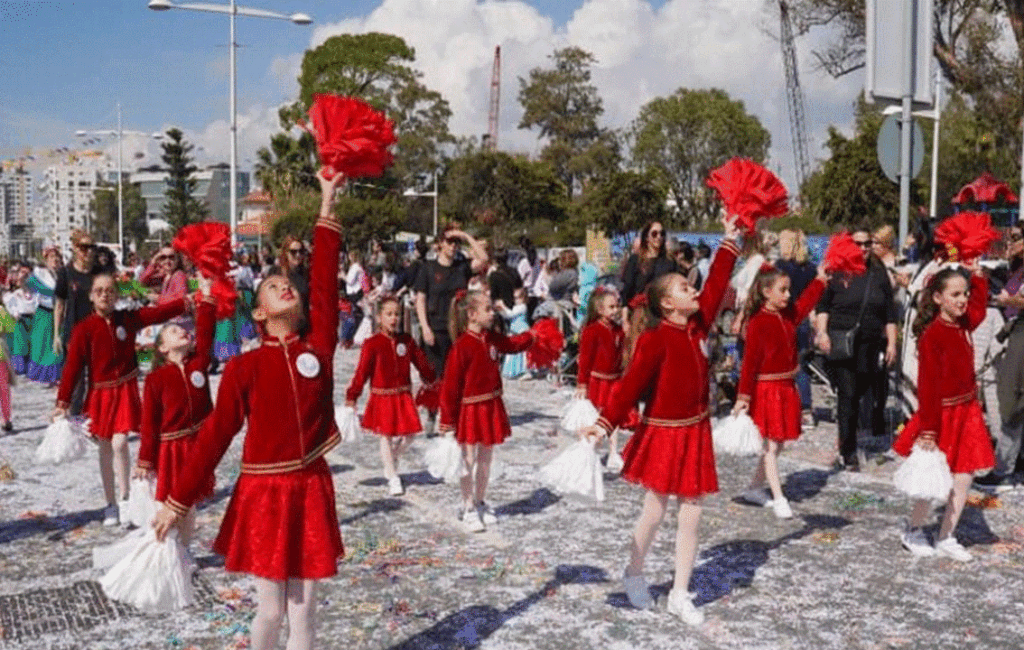
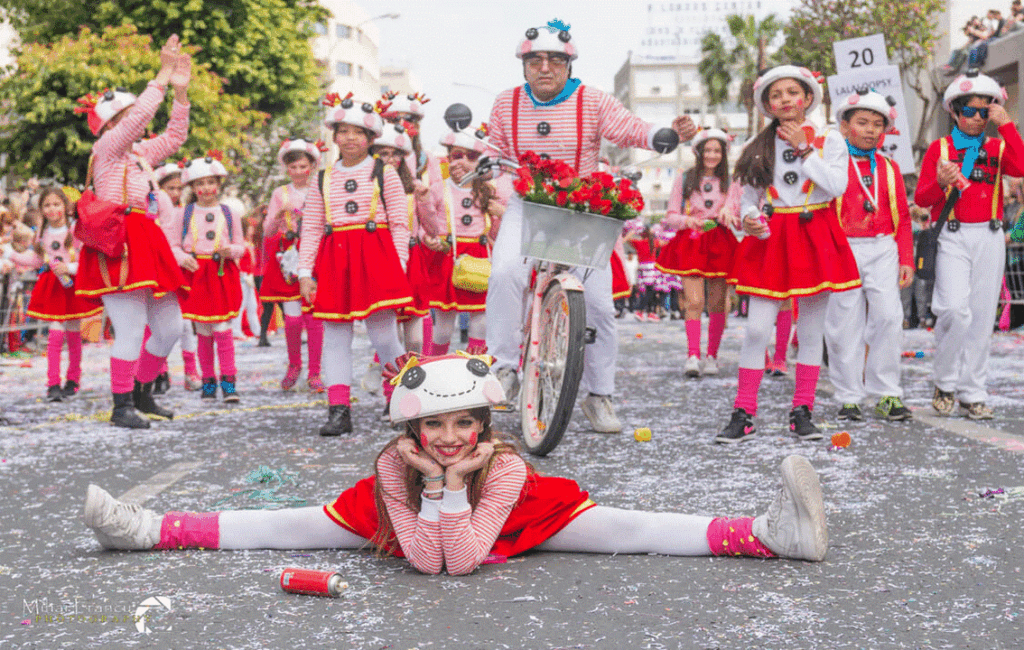
Local schools in each municipality are also usually involved in carnival celebrations. Schools actively take part in various parades and processions, and children of all ages often partake in several of the joyous activities. These include dressing up and dancing through the streets as part of smaller events in the run up to the grand parade.
A VENETIAN LEGACY
It is agreed that the carnival, as we know it today, is a legacy of the island’s Venetian rulers. This is in spite of some notable recorded written references to the Cyprus carnival before they took control of the island. A certainty, however, is that celebrations became much more opulent and extravagant under Venetian stewardship. Their version of the Cyprus carnival often matched most of the larger, more renowned events, which were held throughout Europe at the time.
GRAND CELEBRATIONS TO TAKE PLACE IN ALL MAJOR CITIES
BEGINNING ON THURSDAY FEBRUARY 12TH
Carnival celebrations will continue over 10 days and will start with ‘Tsiknopempti’ celebrations, which take place on Thursday, February 12th. Festivities will then continue through to Sunday, February 22nd, which marks each city’s grand carnival parade. These will typically include hundreds of floats and dance troupes in fancy dress. The next day marks CLEAN MONDAY, which marks the beginning of the LENTEN FASTING PERIOD.
CULMINATING ON SUNDAY FEBRUARY 22ND
This year’s carnival festival promises to be bigger and better and will once again bring people from all different walks of life together! Each local municipality will be staging several carnival events in tribute to the age-old tradition. Their streets will once again come alive for 10 days with colourful parades and costume-clad dance troupes. Festivities will also include several children’s events and carnival king’s parades, street parties, competitions, and special carnival performances. Free music concerts, and exhibitions will also be taking place.