A HISTORICALLY LAYERED LANDMARK
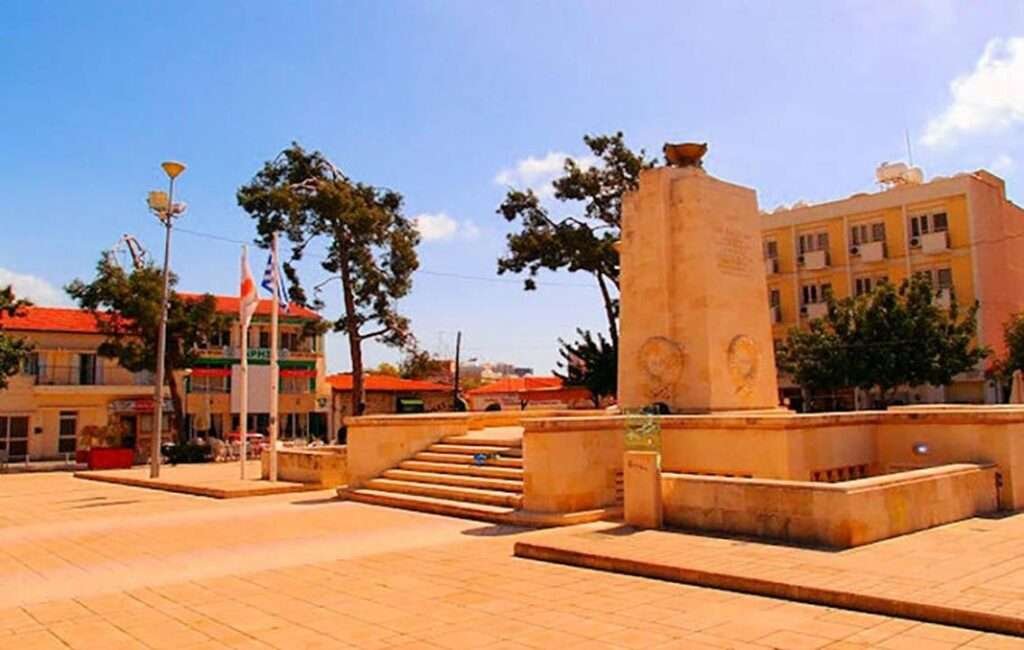
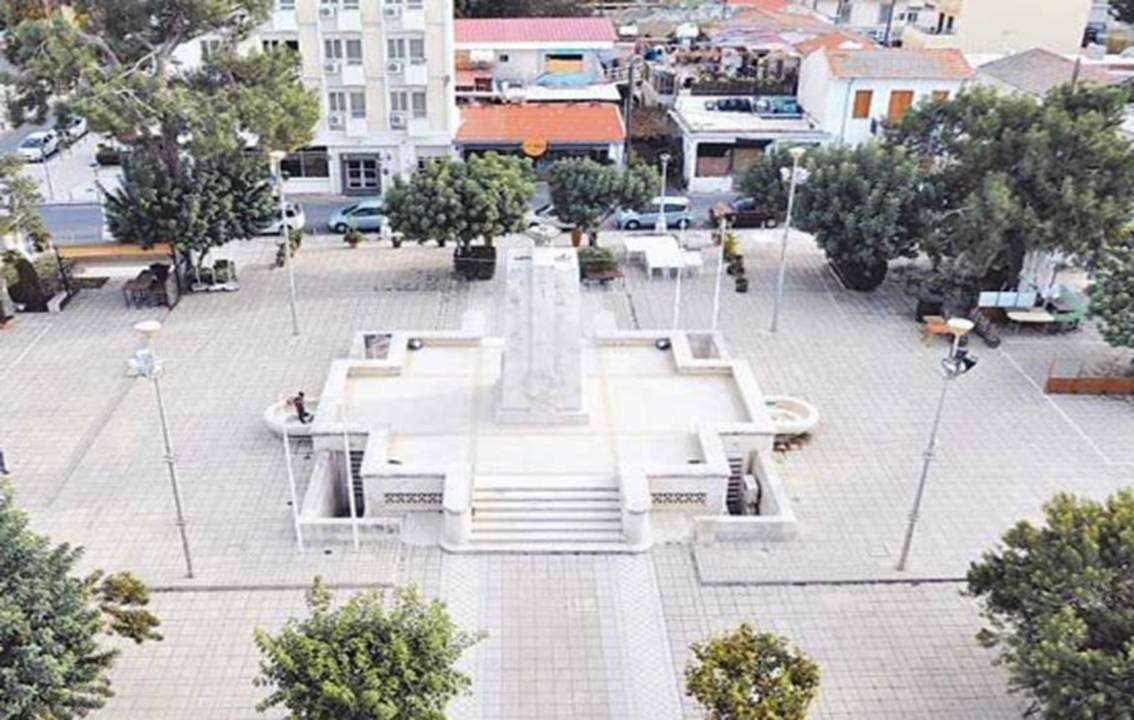
Evolving from a segregated Ottoman-era quarter, Heroes Square, located in the heart of Limassol, is one of the city’s most interesting historically layered landmarks. Historically a place where locals gathered to relax and enjoy the surroundings, the area now occupied by the square was once a deeply segregated Turkish Cypriot quarter known as Kesoglides.
OTTOMAN ORIGINS
The Ottoman-era quarter’s historical name derives from a wealthy Syrian-Turkish landowner. Known as Kioseoglu, the area adopted his name because he owned much of the property in the immediate area where the square is situated today. Things largely remained this way until the beginning of British Colonial rule, which began in 1878.
A NEW TOWN SQUARE
The area known as Kesoglides was supporting a mixed community of both Greek and Turkish Cypriots by the turn of the 20th century. Implemented under the supervision of British local administrators, several old, dilapidated Ottoman-era properties were then demolished to pave the way for new housing. With this regeneration, a new public civic space, in the form of a public town square at its heart, was then introduced in 1910.
THE RIALTO THEATRE
The square’s profile was raised further after the Chrysochou Brothers chose it as the location for their new Rialto Theatre House. Built on the eastern side of the square, this famous establishment opened its doors on March 26th, 1933. Originally designed as a cinema, it soon became one of the first modern-era venues for the performing arts in Cyprus. This came after it was adapted to become a dual-purpose venue for both cinema screenings and live theatrical productions. This helped to provide a range of high-quality entertainment for pre-war Limassol. After famously hosting Limassol’s grand masked carnival dances, the Rialto became a crucial anchor for the city’s social fabric. This eventually helped to create a famous landmark within a landmark.
THE PANORAMA HOTEL
The Panorama Hotel, situated on the southern side of the square, is another historical landmark from the mid-20th century. Once extensively used as a transit station for families of British military personnel, servicemen’s families would often spend their very first night on the island at the hotel before being assigned permanent housing. Although the use of the hotel shifted dramatically with each era’s often dramatic cultural changes, it remained relevant until it closure during the 1990s..
THE HEROES MONUMENT
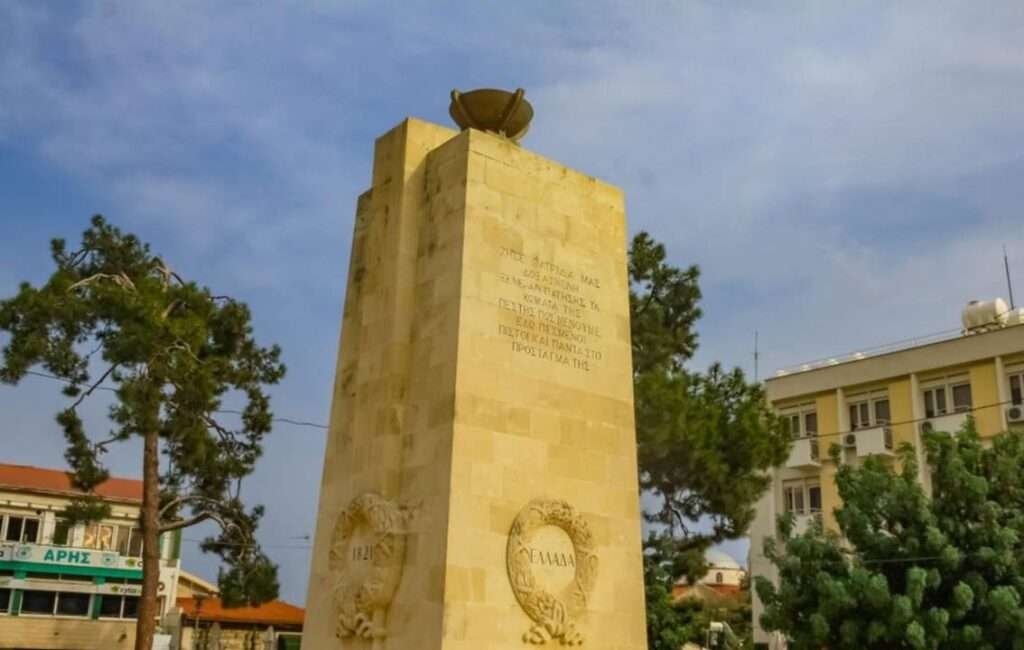
The square received its definitive name in 1946 with the construction of the soaring Heroes Monument at its centre. Built to honour fallen Cypriots who fought with the CYPRUS VOLUNTEER REGIMENT during World War II, the stone and bronze monument became a highly symbolic site for national holiday wreath-laying and solemn reflection.
A NEW IDENTITY
Heroes Square had become a popular gathering space for political rallies, local artists, and a renewed Cyprus coffee shop culture throughout the next decade. Entertainment during the evenings in the square was also expanded, and it now provided mainstream family entertainment in the form of light cabaret and shows that were staged nightly at the Rialto Theatre House. Cyprus coffee culture was now at its height, and the square was now sporting several new cafes, bars and restaurants.
THE DARKER ERA
Although largely functioning as Limassol’s premier entertainment hub during the 1960s, the square by the 1970’s slowly began to degenerate. Famously developing a reputation as a notorious red-light district, the square now carried a gritty and controversial reputation among locals. Now packed with cabarets, gambling dens, bars, and a few small hotels, which often acted as ad hoc brothels, it eventually became the centre of the city’s red-light district. This change was also key to the demise of the Rialto Theatre House, which eventually closed its doors to the public in the mid-1980s. Things largely remained this way until the turn of the century, when local officials decided that a clean-up operation was needed.
MODERN REGENERATION
The square underwent its first major clean-up and restoration at the turn of the century. All of the squares undesirable elements were then forced out to make way for a series of regeneration projects. This included the reopening of a fully renovated Rialto Theatre in 1999, which helped to cement this change. Another cataylist for change was completed with the establishment of the CYPRUS UNIVERSITY OF TECHNOLOGY. Welcoming its first student cohort in September 2007, the university has integrated its classrooms, research labs, and student accommodation directly into the historic buildings surrounding the square.
THE SQUARE TODAY
Today, Heroes Square operates as an active cultural hub in the heart of Limassol. It seamlessly blends its complex history with trendy taverns, new art galleries, and the now permanently active Rialto Theatre. Further urban regeneration projects have both modernised and upgraded the square, which now uses smart, eco-friendly rainwater systems to maintain its new urban oases. Several streets around the square are also now pedestrianised, helping to create a relaxing and friendly environment.