AN ALTERNATIVE VISIT!

A GROWING INDUSTRY
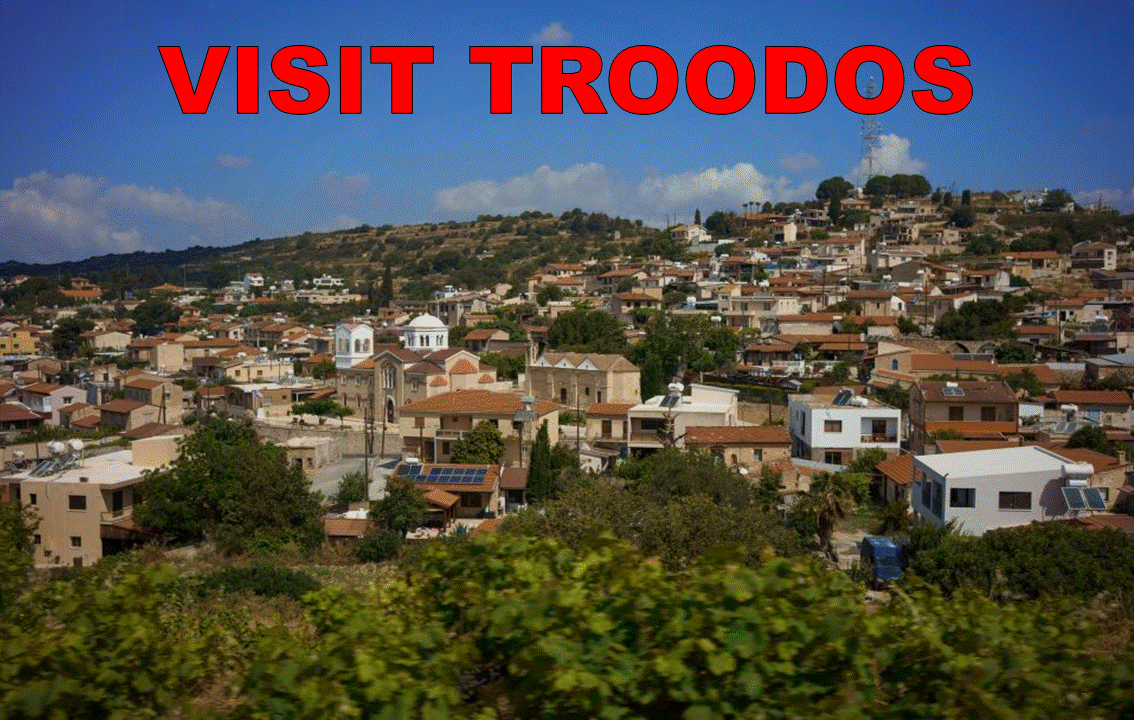
Agro-tourism allows for a completely different type of stay on the island. This is when busy beach resorts can be traded for a fully sustainable travel model that is based around the island’s interior. Spearheaded by the the CYPRUS AGROTOURISM COMPANY, visitors looking for something different, are offered the opportunity to experience rural life, culture and natural inland beauty. Beautifully restored historic homes, tucked away in the Troodos Mountains, foothills, and rural interior valleys, offer a soulful escape into traditional stone-built villages, rolling vineyards, and centuries-old customs.
A TRADITIONAL WAY OF LIFE
Agro-tourism also allows visitors to gain a valuable insight into Cypriot village life and the traditional farming practices that still exist today. This growing industry across the island allows one to sample real village life first-hand. A particularly popular feature of the villages in and around the Troodos Mountains, this, in turn, allows visitors to acknowledge and then connect with the local agricultural way of life across Cyprus. Visitors are able to fully sample local customs and the traditions of rural life in Cyprus, by offering the opportunity to see the inner workings of the life that the villages of Cyprus face today. This is done through the numerous workshops and group itineraries that proactively encourages visitors to partake in the everyday tasks. This relatively new industry also supports local rural farmers economically, whilst offering a glimpse into real village life.
WHAT TO EXPECT
The agrotourism experience overall allows for a layered experience. which often delivers a window into the authentic rural Cyprus experience. In light of this, visitors often experience and experience Cypriot hospitalitily in its greatest form, authentic living, immersive activities, and slow gastronomy.
• Authentic Living: Stays are housed in centuries-old rural guest houses that have been meticulously renovated with modern comforts like Wi-Fi, air conditioning, and private pools. These residencies often preserve original stone walls, with wooden beams, and a rustic interior decor.
• Slow Gastronomy: Rural guest houses and village taverns only serve hyper-local, farm-to-table cuisine. Meals often include homemade organic jams, freshly baked bread, local cured meats, and traditional meze paired with regional wines.
• Immersive Activities: Hands-on workshops that employ age old traditions are readily available to visitors. These produce halloumi and anari cheese, distil essential oils, process harvested olives, viisit family-run rose factories, and trace ancient wine routes.
WHERE TO STAY
Larnaca District
Cyprus Villages Agrotourism Tochni: Family-run since 1988, this pioneer of Cypriot agrotourism spans traditional stone apartments across the rustic villages of Tochni, Kalavasos, and Psematismenos. Guests can dine at the renowned Tochni Tavern overlooking the valley, join on-site yoga classes, or rent bicycles to tour the rolling countryside. It is perfectly positioned for a quiet getaway that remains within a short drive of the coast.
Nicosia District
Casale Panayiotis Kalopanayiotis: Nestled in the breathtaking Marathasa Valley, this award-winning luxury retreat seamlessly weaves fully restored independent village houses into the historic fabric of the viillage of Kalopanayiotis. It pairs old-world mountain charm with high-end modern amenities, including a world-class wellness spa. The village itself is famous for its NATURAL SULPHUR SPRINGS, medieval Venetian bridges, and the UNESCO-protected Agios Ioannis Lampadistis Monastery.
Limassol District
• Apokryfo Traditional Houses Lofou: Tucked away in the stone-paved, narrow alleyways of the village of Lofou, is one of the island’s premier wine-producing communities on the island. Offering an intimate, authentic hideaway and a cluster of boutique stone cottages that feature private courtyards and traditional design accents, an authentic taste of ancient village life, combined with refined, quiet luxury can be had.
• Ambelikos Traditional Agrohotel Potamitissa: Perched high in the pine-scented Troodos Mountains within the quiet village of Potamitissa, this cozy mountain retreat is tailored for hikers and nature lovers. The property offers stunning peak views, traditional Cypriot interior decorations, an outdoor pool, and an authentic restaurant serving traditional village breakfasts made from locally sourced ingredients.
Paphos District
Agrotiko Traditional Houses Kallepia: Located in the scenic, hill-bound village of Kallepia, this highly rated peaceful haven features traditional stone architecture enclosing a central swimming pool. It is ideal for couples or groups looking to experience a slower rhythm of life surrounded by the wild Paphos countryside, while still maintaining easy access to the local Akamas Peninsula nature trails and nearby regional boutique wineries.


A RURAL SETTING
Visitors wanting to participate in agro-tourism have the option of choosing a suitable rural setting. These are available across the island, offering several different types of accommodation. Visitors can opt to stay in a traditional farmhouse, cottage, country villa, rural guest house or hotel. In addition to this, several campers, nature lovers, and backpackers also take advantage of the camping and glamping sites that are offered throughout the island.
LOCAL WORKSHOPS
Agro-tourism in Cyprus is a growing industry, and with this in mind, the island now offers several different options for this type of tourism. Visitors are offered a chance to sample rural village life first-hand. They are offered several opportunities to partake in several farm activities that allow them to experience and learn about the island’s traditional agricultural practices. Several workshops, taking place daily, are also available for those who want to take a hands-on approach. These include farm tours, harvesting programs, olive oil production, winemaking, and traditional cooking.
FARM TOURS
Typical farm tours enable visitors to experience everyday life on a real-life working Cypriot farm. This allows them to experience rural farming life first-hand. They are often encouraged to actively participate in several activities, which include agriculture and livestock maintenance.
HARVESTING PROGRAMS
Trips to plantations allow visitors to actively partake in the harvesting process of several fruits across the island. Visitors are generally allowed to join the harvest teams that make up part of the fruit production teams and then follow the whole process from plantation to marketplace.
WINE PRODUCTION
Cyprus also has a long tradition of viticulture. Special wine workshops allow visitors to gain knowledge and first-hand experience of how wine is made using traditional Cypriot methods. Visitors are generally allowed to follow the whole process of wine creation.
OLIVE OIL PRODUCTION
Trips are also available to the famous Cyprus olive groves. These trips allow visitors to actively participate in the process of olive harvesting. Visitors will be directly involved in the production of locally sourced olive oil, and they will be afforded the chance to follow the olives all the way to the local press. Here, they experience the process of pressing the olives to create their much sought-after oil
LOCALLY SOURCED ORGANIC INGREDIENTS
Special cooking workshops are available that allow visitors to cook their own versions of classic Cypriot dishes. Visitors select their own fresh, locally sourced organic ingredients and are then taught to cook these traditional Cypriot recipes.
NATURE & HIKING TRAILS
The Cyprus countryside is there to be both explored and enjoyed, with several pre-designated nature trails winding their way through the mountains. These trails offer a chance to explore the island’s flora and fauna on foot or on a bike. Rated in terms of difficulty, most offer clear, concise signage with designated pit stops for rest and refreshments along the way.
BACKPACKING
The nature trails are dotted with various camping and glamping sites. All offer good facilities for backpackers who want to traverse the mountains at their own pace.