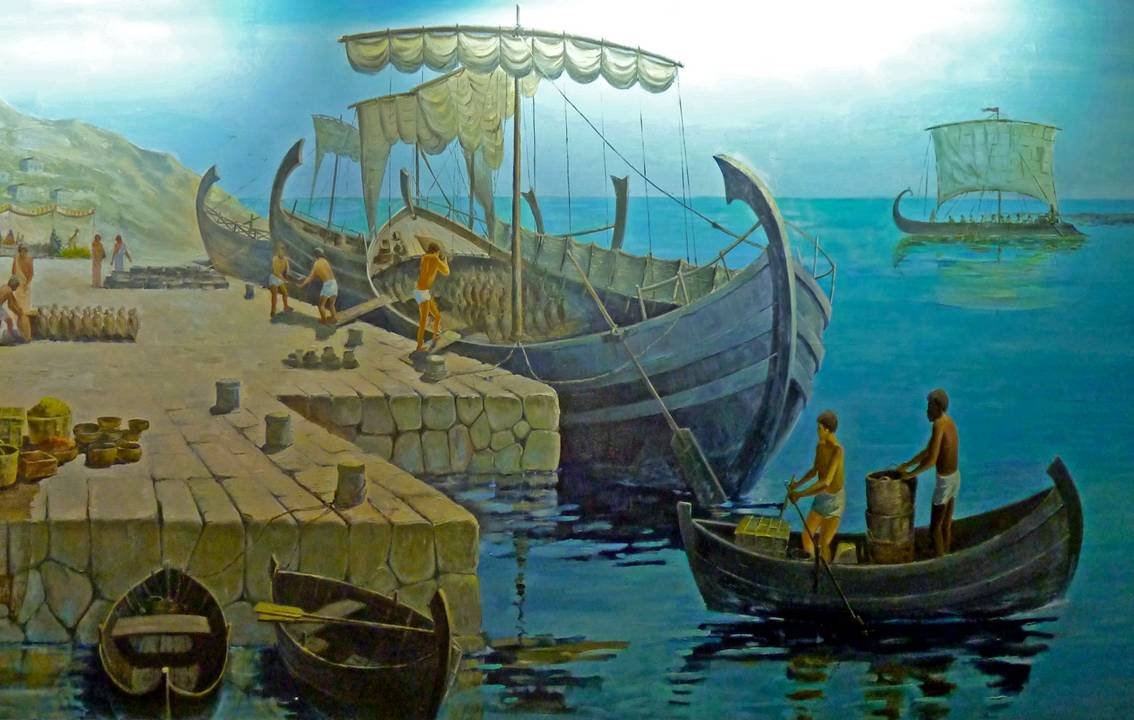
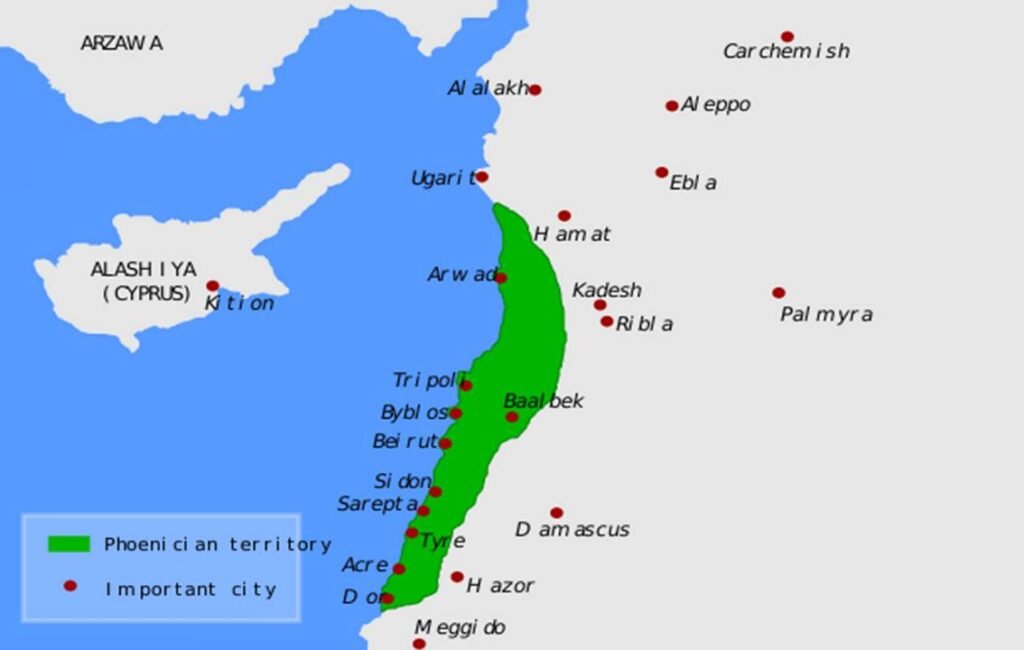
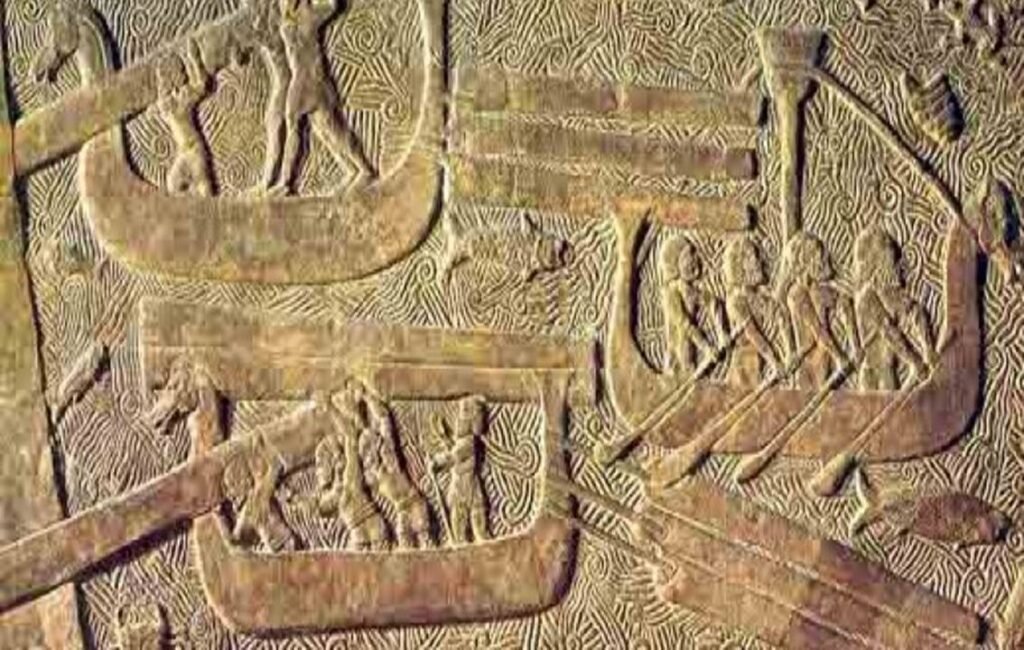
The Phoenicians were an ancient Semitic-speaking thalassocratic civilisation that inhabited city-states in Canaan along the Levantine coast, which spans modern-day Lebanon, coastal Syria, and northern Israel in the eastern Mediterranean. Also prominent in Byblos, Sidon, and Tyre, this seafaring people would eventually become deeply integrated with other ethnic groups, allowing them to successfully establish a network of several independent, seafaring city-states across the Mediterranean.
DESCENDANTS OF CANAANITES
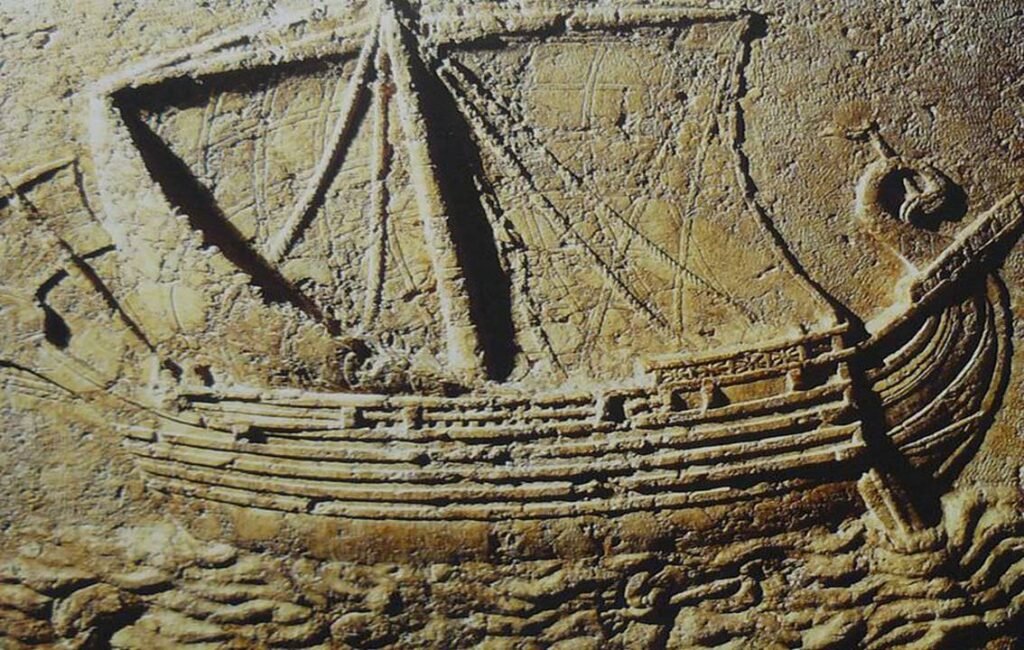
The Phoenicians became known for their exceptional seafaring skills, trade networks, and unique culture that all led to their success. Their expansion included several Aegean Greek islands, and they were fundamental in founding major colonies all the way up to Carthage, in modern-day Tunisia and Spain. One significant area of their influence was Cyprus.
A HIGHLY PRIZED COMMODITY
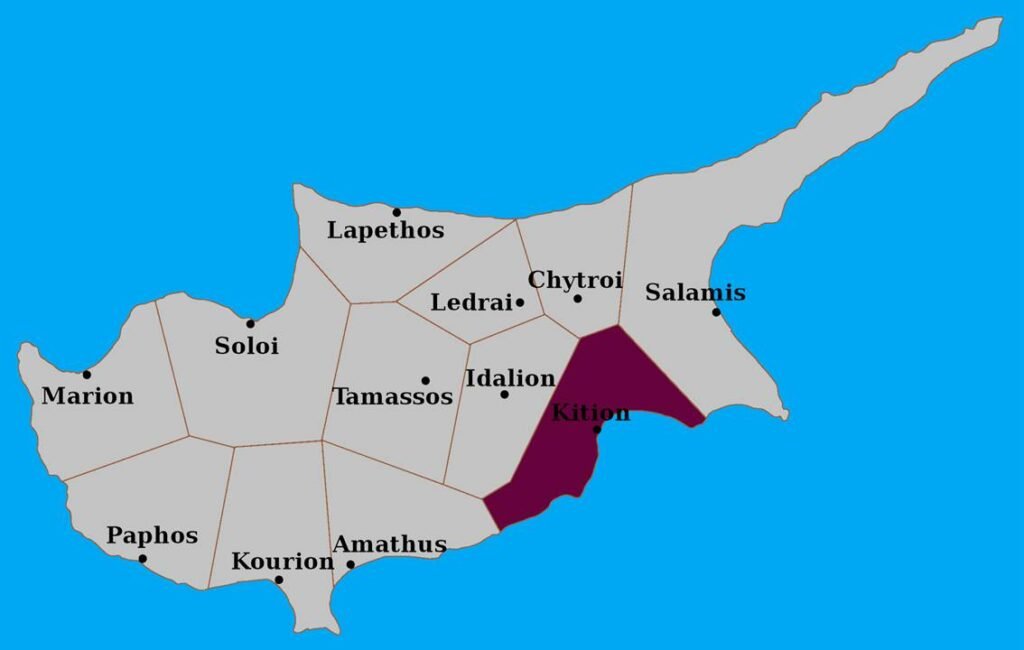
The Phoenicians are thought to have established the ancient city-state of KITIONin Cyprus by the 9th century BC. Building a prominent temple dedicated to Astarte there, it is known that they used this settlement as a main commercial hub to manage the island’s copper exports and maritime traffic.
AN ACTIVE PARTNERSHIP
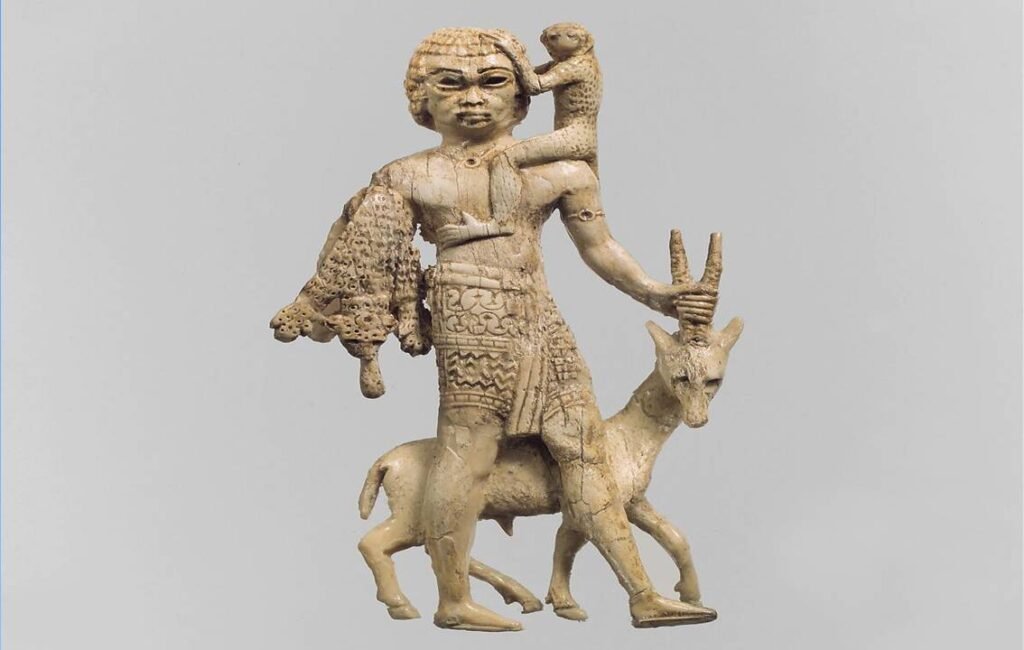
Rather than a simple colonial conquest, the relationship between the Phoenicians and the Cypriots was that of an active partnership. Cypriot polities integrated Phoenician religious practices, script, and luxury goods, while Phoenicians utilised Cypriot ports as strategic waystations for broader trade routes extending westward towards the western tip of the Mediterranean.
THE DEVELOPMENT OF THE ALPHABETIC SCRIPT
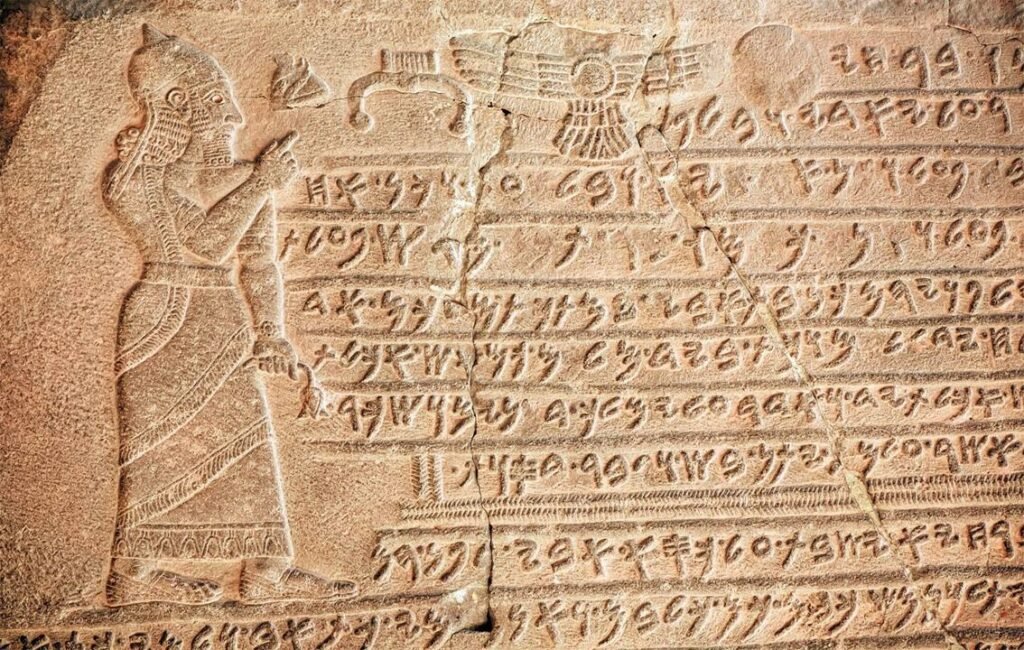
The Phoenicians are not only known for their ancient trade networks and maritime dominance, but also for their development of the alphabetic script. Derived from their direct teachings, this would become the basis for modern Western alphabets.
A HIGHLY PRIZED COMMODITY
Although they themselves referred to their homeland by its Semitic name, Canaan, their descriptive name, ‘Phoenician’, across the Mediterranean was actually given to them by the Greeks. Derived from the Greek word phoinix, meaning purple, it referred to the highly prized purple murex dye that they traded.
A CYPRIOT & PHOENICIAN PARTNERSHIP
DOMINATED BY GREEKS
The strategic location of Cyprus made it a centre of trade in ancient times, allowing for the integration of both eastern and western cultures at the time. Although the island had a largely indigenous Greek Cypriot population, the Phoenicians were also significant in shaping the island’s culture. Evidence suggests that they had a presence on the island from as early as the 9th century BC, establishing settlements and trading posts across the island. Over time, both cultures coexisted and intermingled, helping to mould a unique Cypriot identity.
AN ENRICHED CULTURE
It is known that the Phoenicians brought their religious practices and deities to Cyprus. Prominent temples dedicated to Astarte and Baal once stood across their settlements in Cyprus, and early Greek local religions blended with some Phoenician beliefs, enriching both societies across the island.
COMPLEX RELATIONSHIPS
With Assyrians, Babylonians, and Egyptians all vying for control over the island, Cyprus then became a melting pot of various outside influences. Although dominated by a local Greek Cypriot populace, they successfully navigated complex relationships with the other City-Kingdoms of Cyprus at the time from their stronghold in the City-Kingdom of KITION. The Phoenicians often transitioned the political landscape, maintaining several alliances with other local Greek Cypriot rulers, allowing them to maintain their influence and protect their interests on the island.
AN EXTENSIVE TRADE NETWORK
The Phoenicians played a crucial role in the economy of Cyprus, engaging in extensive trade. They traded goods such as timber, glass, and various textiles. The Cypriots exchanged copper, oil, and wine in return. This trade network connected Cyprus with several other Mediterranean cultures.
A CHANGING DYNAMIC
As time passed, however, Phoenician influence across the island began to wane. The Hellenistic wave from Greece and the later dominance of Rome swiftly altered the dynamics in the region, and Cyprus as a whole became more aligned with these emerging powers. Despite this, the Phoenician legacy still remained relevant and their contributions to trade, culture, and technology continued to be felt.
A LASTING IMPACT
Evidence also suggests that the Phoenician presence in Cyprus had a lasting impact. They introduced new technologies that included advanced shipbuilding techniques. They also introduced their alphabet, which influenced the development of writing systems at the time.
A PHOENICIAN LEGACY
The Phoenicians of Cyprus contributed a significant chapter in the island’s history. They brought advancements in trade and culture and they have left a lasting impact on the island. This has echoed through the ages with their legacy still fascinating historians and archaeologists today.