
A SONG THAT TELLS AN INTRIGUING STORY
GREEK-SPEAKING REFUGEES
Human migration has occurred throughout history, and the difficult but pioneering journeys of displaced people, often fleeing tragic events, have helped to spawn several adventurous stories. Although the majority of these stories are forgotten over time, there is one that will never be forgotten. Immortalised by an endearing song, this story tells of the plight of the Greek-speaking refugees of Asia Minor. The story of the upheaval of these people in the aftermath of the Greco-Turkish conflict of 1922 is remembered in a renowned Greek song known as DRABETSONA.
THE AFTERMATH OF A WORLD WAR
The aftermath of World War I had a significant impact on the Ottoman Empire. Its defeat in 1918 had directly led to the dismantling of what remained of a once great empire. Things were then made worse when it found itself under attack from neighbouring Greece. The Greco-Turkish War, which was mainly fought in isolation, broke out just 6 months later on May 15th 1919.
A WAR FOUGHT IN ISOLATION
Initial successes resulted in a land grab that saw Greece take huge swathes of territory. These included several islands off the Turkish coast. This gave rise to a newly formed ‘Turkish National Movement’, who were instrumental in rebranding the conflict as a new ‘Turkish War of Independence’. This change in narrative galvanised the Turks and allowed for the emergence of a new modern-day nation of Turkey by the end of the conflict on October 14th 1922. Although Greece essentially lost the greater part of the war, along with territories taken on the mainland, it did manage to secure control of several islands just off the coast of Turkey.
AN ARMY REBUFFED
External pressures also directly led to defeat for Greece. Viewed as the aggressor nation, it would see its army rebuffed, and all Greek forces were ordered to return to Greece. The new Turkish administration then implemented new ethnic policies. This left Greek-speaking people, who had lived in Asia Minor for thousands of years, not only homeless but also stateless. Now displaced, several of these Greeks, who were mainly of Romani and Pontic origin, sought refuge by the end of 1922. Although the majority landed in Greece, several also fled to Russia and Bulgaria. Several were also taken by Cyprus, which was still a British colony at the time.
NEW SETTLEMENTS FOR REFUGEES
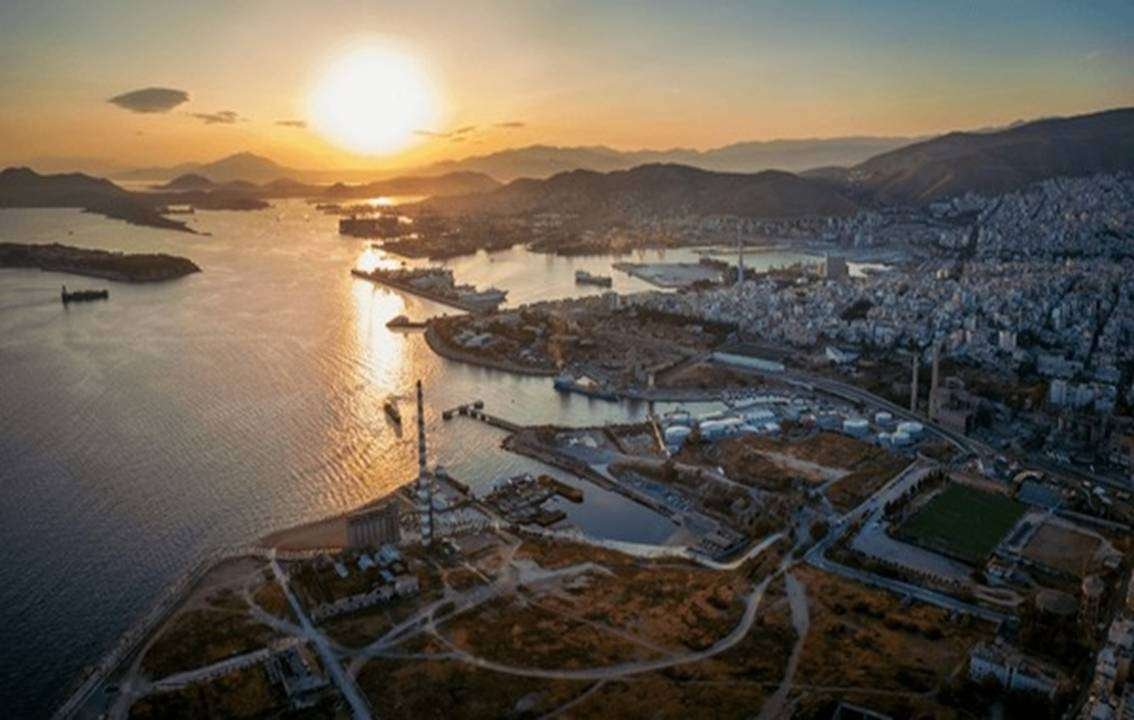
The British administration openly accepted several of these refugees, and they were soon integrated into the greater Cypriot social fabric. This allowed them to embrace everything that Cyprus had to offer. The arrival of their compatriots in Greece, however, proved to be more difficult. Thousands were forced to settle in rudimentary makeshift shelters on the rocky, previously uninhabited western coastline of the port of Piraeus, near Athens. This settlement became known as the vibrant, distinctly working-class community of DRABETSONA.
A SLOW INTERGRATION
Although it became a base for a strong and reliable Greek workforce, DRABETSONA in the beginning was essentially a shantytown. Initially rife with both crime and squalor, it would eventually become a centre of major social and economic shift. DRABETSONA would go on to fundamentally reshape the social and cultural fabric of greater Greece as it swiftly advanced into the modern age.
A SONG THAT TELLS A STORY
The song, originally sung by Grigoris Bithikotsis, recounts the journey of thousands of Greek-speaking refugees of Asia Minor. it tells of their journey from a war-torn Turkey to their resettlement in Greece at the end of 1922. It also identifies with their new lives and their struggle in the poverty-stricken makeshift shelters of DRABETSONA. It also tells the story of their lives of abject poverty that followed. The song also identifies how these people strived to overcome hardship and adversity and how they helped forge a future for Greece in the modern age. The main message of the song goes on to say that the people of DRABETSONA created a world of their own at the end of the world!
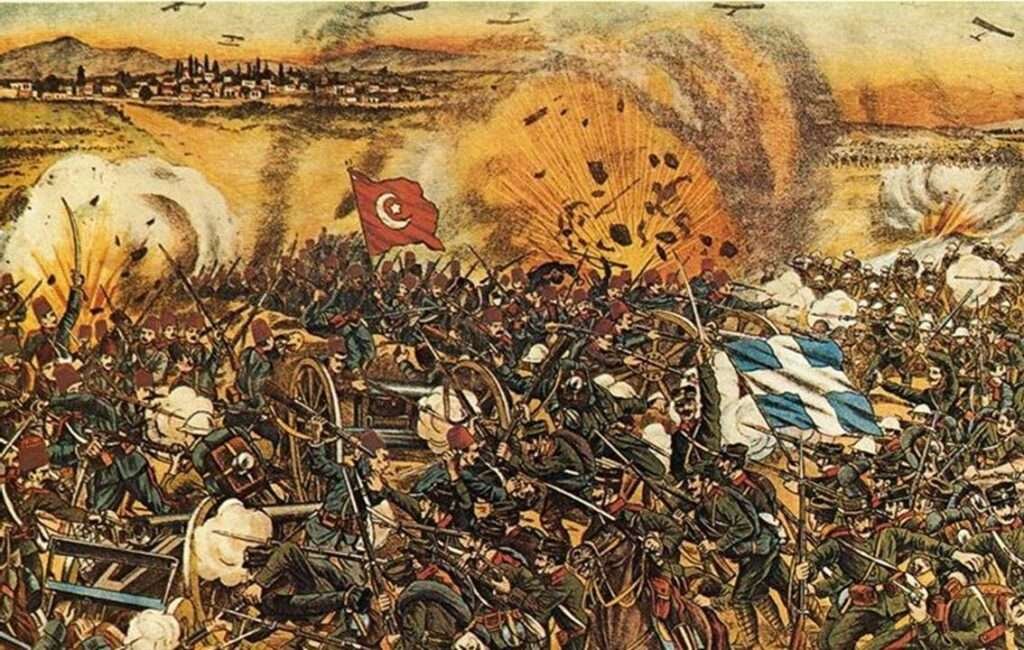
A deciction of the Greco-Turkish War of 1919
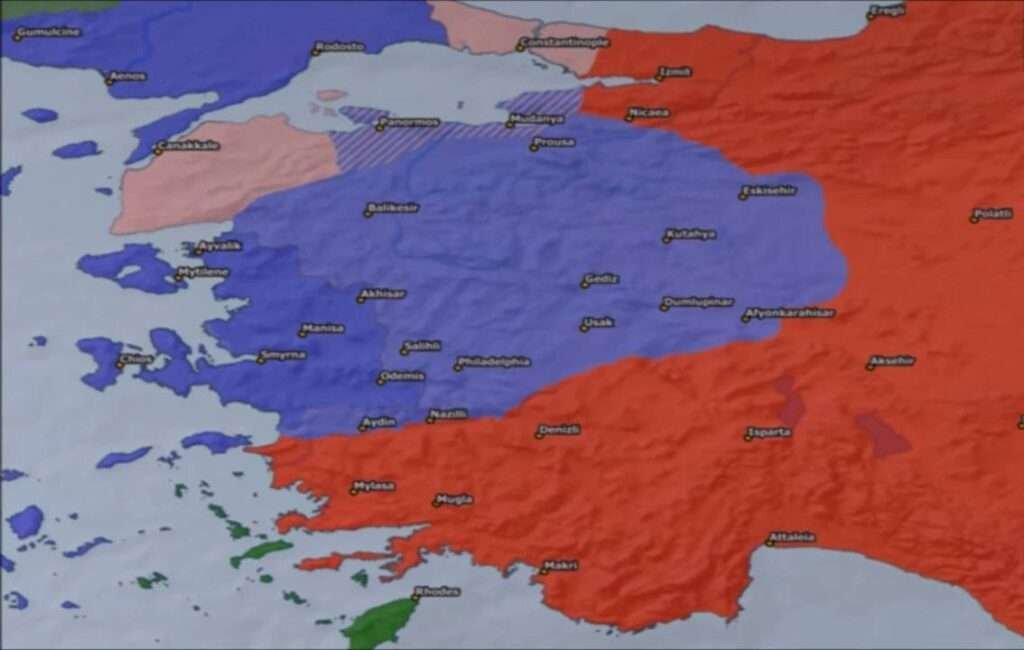
Greek gains depicted in blue, during the Greco-Turkish War of 1919
HISTORICALLY DEFINING SANCTUARY FOR OVER A MILLION DISPLACED GREEKS
Drabetsona became a crucial, historically defining sanctuary for over a million Greek Orthodox refugees fleeing the Greek catastrophe in Asia Minor in 1922. Shaping the neighbourhood’s identity, refugees lived in rudimentary, hastily built wooden constructions for decades. This made Drabetsona a famous hub for the development of the raw, urban style of Greek music, known as the REMBETIKO movement, which expresses the struggles and nostalgia of displaced populations.
DRABETSONA & CYPRUS
Historically, both Drapetsona and the surrounding areas of Piraeus and Cyprus are heavily intertwined through the shared plight and displacement of Hellenic populations in the 1920s. Cyprus experienced a surge of Greek Cypriot national consciousness and political activity during this era as the broader Hellenic world responded to the trauma of the 1922 Catastrophe. Furthermore, many Asia Minor refugees or Cypriot sailors passed through the very port of Piraeus that Drapetsona overlooked.

