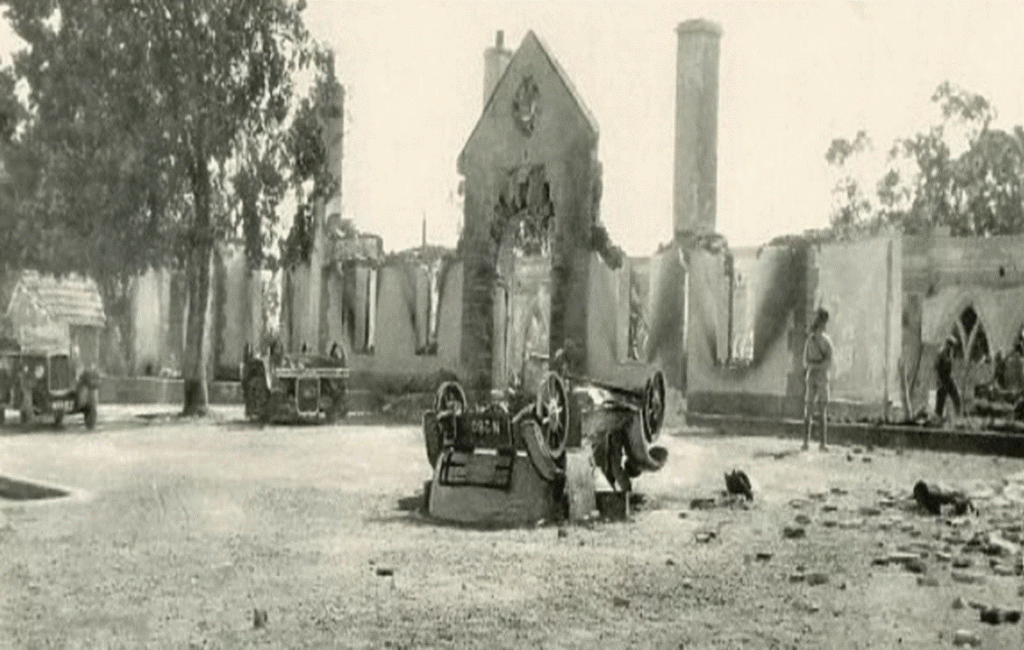
A local uprising in 1931 led to the burning of the Governor’s house in Nicosia. Evidence linking this uprising to several local Mukhtari led the Governor to change the rules of appointment once again. The British decided to rule by decree, and the governor went on to appoint all new Mukhtari himself thereafter. This meant that local people could no longer influence any Mukhtari nominations. The British establishment restored the vote for local people to choose their own Mukhtari after the end of World War Two.
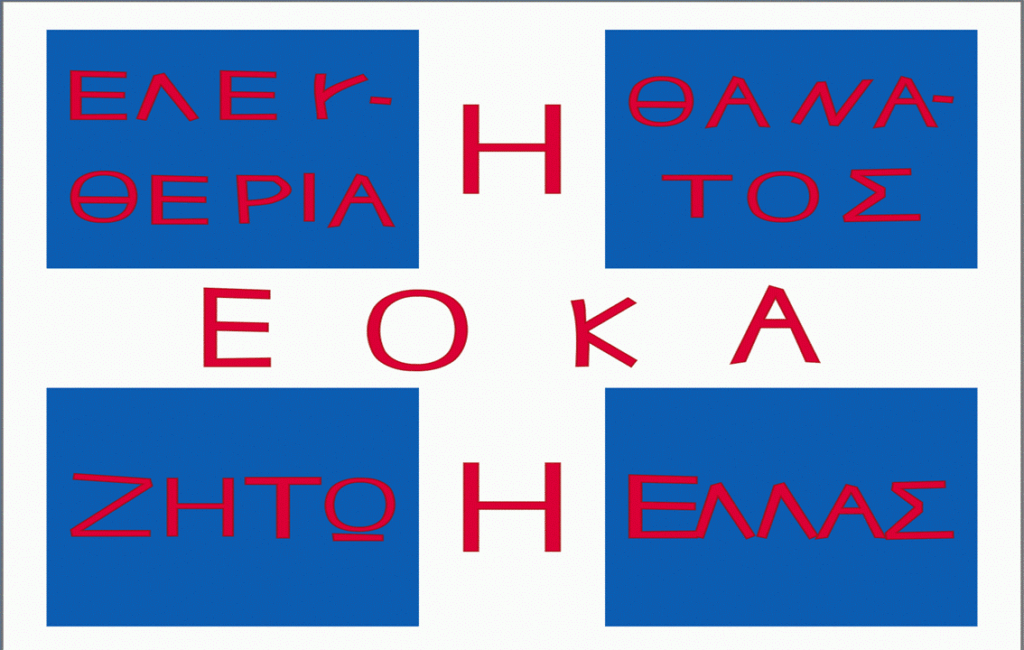
In 1955, the island’s struggle for independence came to a head. This would go on to adversely impact the role of the Mukhtari’s office on the island. Most of these officials resigned their positions in protest to British rule. This act demonstrated a solidarity with the independence movement that was spearheaded by EOKA. These resignations would go on to deeply affect the British administrative system at the time.
The role of the Mukhtari was restored across Cyprus after the island gained its independence in the summer of 1960. All conventional restraints were now lifted, and anyone was now free to run for the office. Most community councils thereafter were built around the Mukhtari’s office, and the Mukhtari was once again installed as the head of their village or town council by default. They were now selected using a consensual or participatory method. Today, this often involves campaigning for votes, leading up to local elections.
The Mukhtari is usually a resident of the constituency that he or she goes on to represent. This allows them to fully appreciate and then focus on all local issues. The office also presides over all day-to-day issues and the running of all local council services.
A Mukhtari today plays an integral role in the local administration of community affairs. The office represents and advocates for the interests of the residents within their jurisdiction. They also serve as a vital link between the government and the local community. This ensures that the needs and concerns of their constituency are effectively communicated and addressed.
The Mukhtari is often involved in the organisation of local community events, supporting social programs and public initiatives aimed at promoting civic engagement and solidarity among residents. The office of the Mukktari often aims to foster a sense of unity and belonging within the community. They do this by encouraging active participation and collaboration among members of the community.
One of the primary responsibilities of a Mukhtari is to oversee the registration of residents. As well as the Muhktari is responsible for the issuance of various official documents, such as certificates, licenses, and residency permits. The office of the Muhktari also plays a key role in maintaining local records and archives that are essential for administrative and legal purposes.