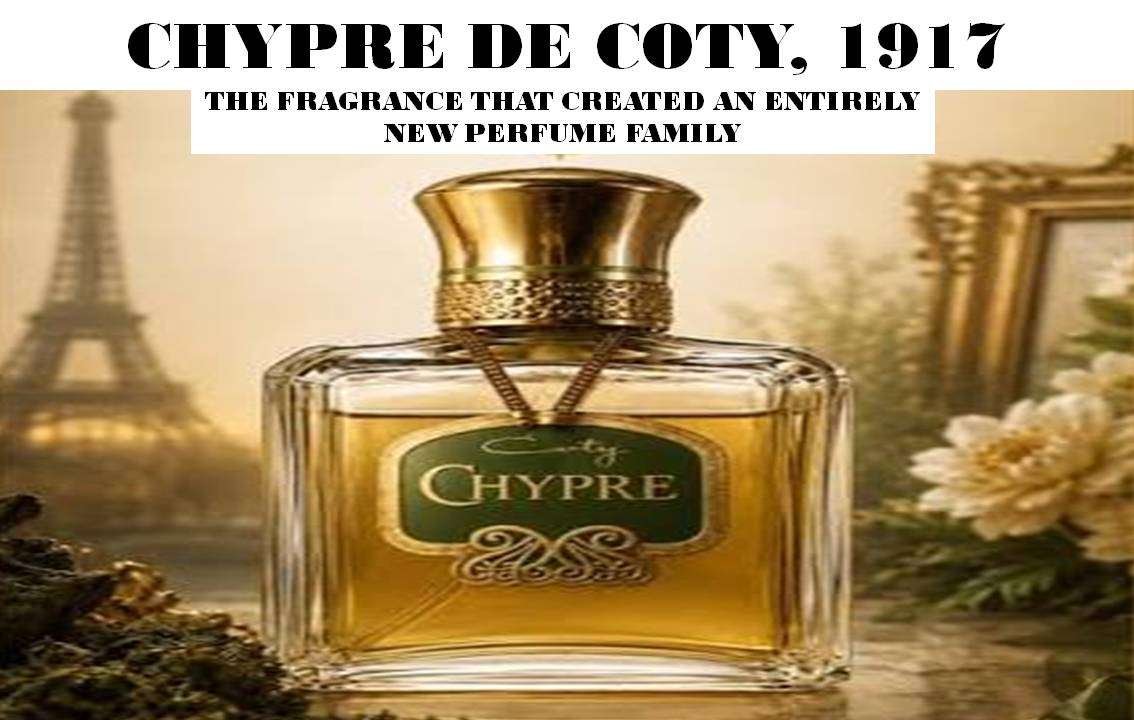
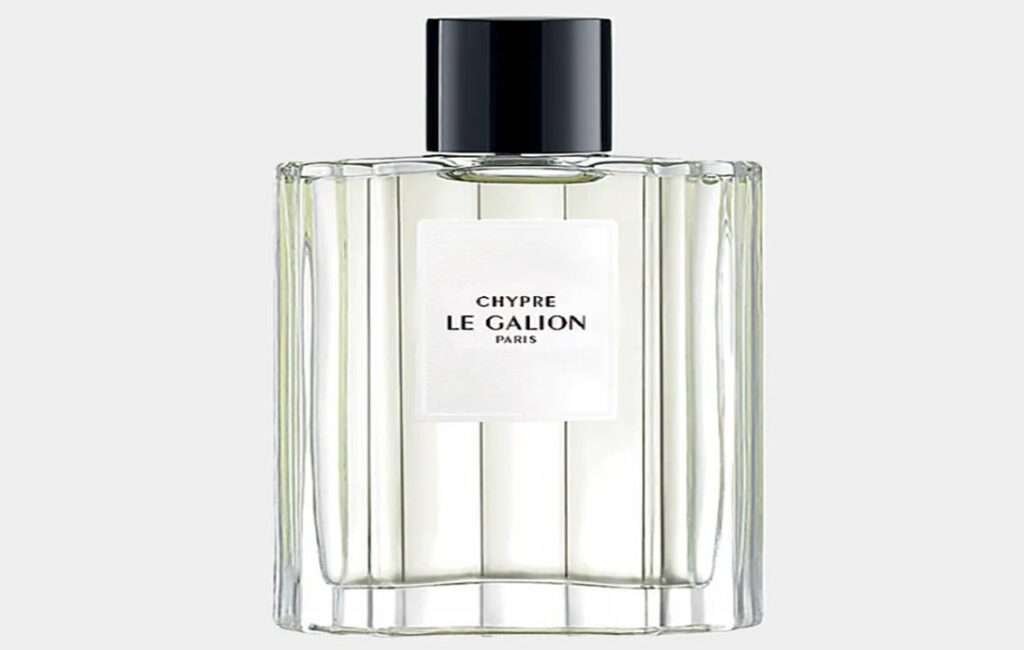
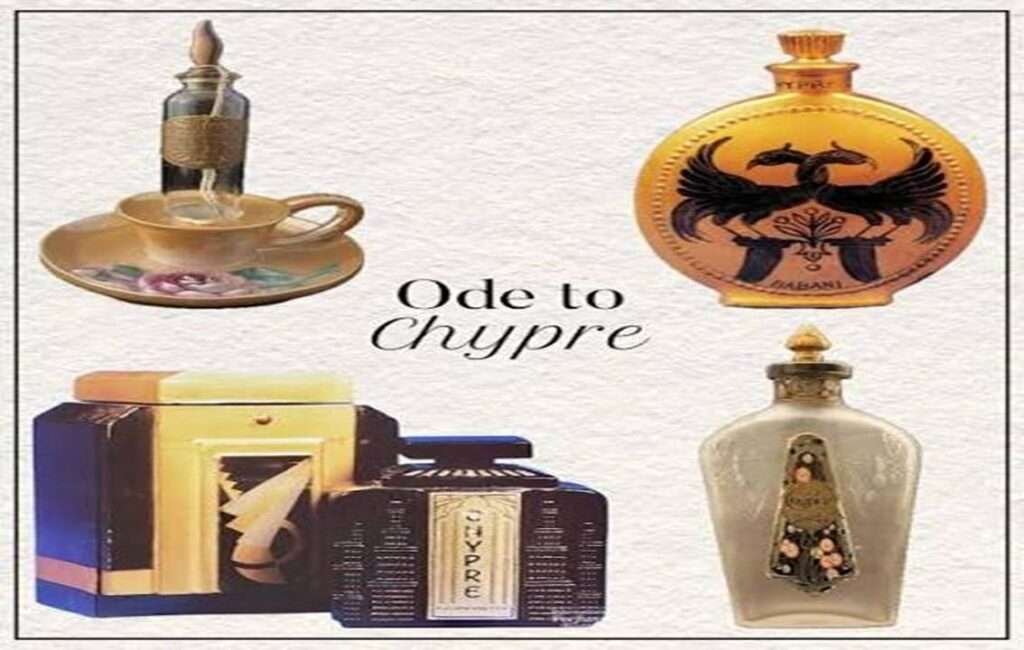
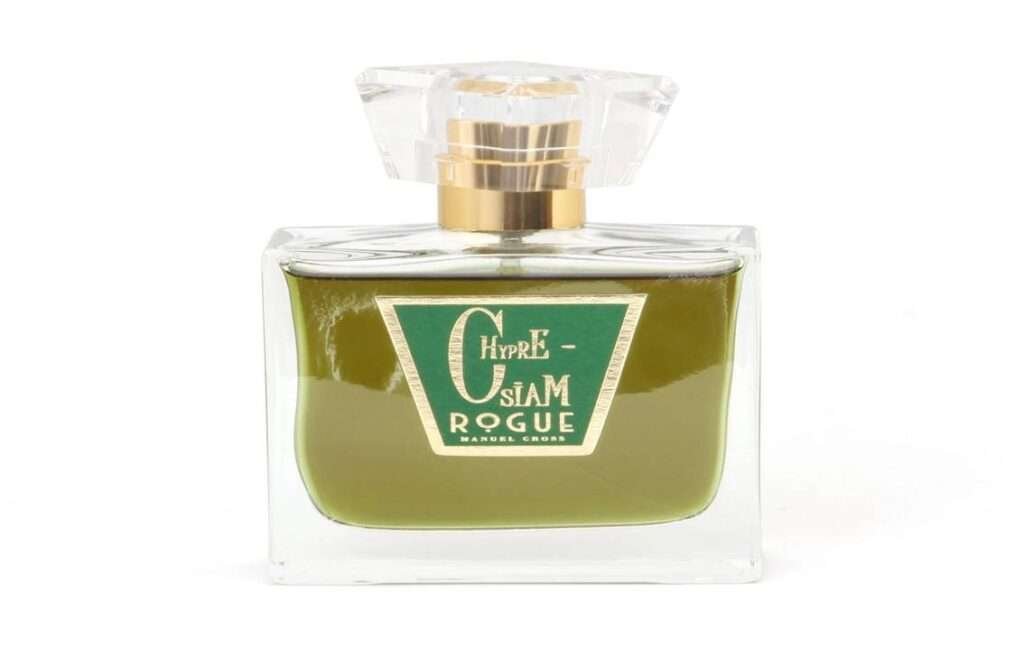
The world-famous fragrance Chypre was created in 1917 by French perfumer François Coty. Inspired by the island of Cyprus, the composition is based on the aroma of oakmoss from the Cypriot oak. At the time, this scent became a real breakthrough in perfumery and in some ways helped to revolutionise how perfumery developed thereafter. Today, Chypre is no longer a specific perfume brand, but instead represents an entire family of fragrances with a common base.
A CLASSIC FRAGRANCE FAMILY
A chypre scent is a classic fragrance family characterised by a sharp, earthy contrast between bright citrus top notes and a deep, woody-mossy base.
The Classic Chypre Structure
• Top Notes: Fresh, bright citrus, typically bergamot. • Heart Notes: Rich florals or spices, such as rose, jasmine, geranium, or labdanum. • Base Notes: Earthy, woody elements built around oakmoss, patchouli, and cistus labdanum.
History & Origins
• The Name: Chypre is the French word for the island of Cyprus, which is a historical trading hub for most Mediterranean aromatics.
• François Coty: While similar perfume manuals existed earlier, French perfumer François Coty established the modern category when he released his landmark Chypre perfume in 1917.
• Iconic Examples: Classic benchmarks include Guerlain Mitsouko 1919, and modern adaptations like Coco Mademoiselle 2001.
Modern Chypre
Because the International Fragrance Association (IFRA) restricted natural oak moss due to allergen concerns, modern chypre perfumes often use synthetic oak moss alternatives, cleaner patchouli, or blend in modern fruity peach, berry and creamy musk accords.