WHAT HAS CHANGED FOR TRAVELLERS?
EUROPEAN FREEDOM OF MOVEMENT
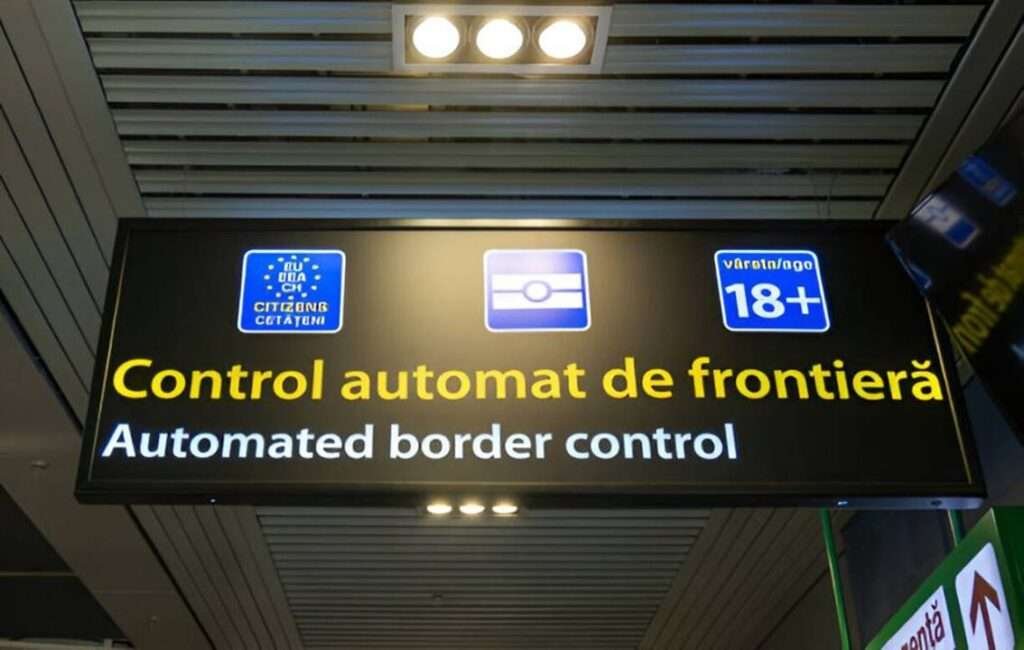
One of the European Union’s most fundamental cornerstone policies is its ability to allow the freedom of movement for the citizens of all of its member states within its borders. In light of this, all European passport holders today enjoy free access to all of the European Union’s internal borders without any passport controls. These countries, except for both Ireland and Cyprus, are collectively known as the SCHENGEN AREA countries.
A UNIQUE SITUATION FOR BOTH IRELAND & CYPRUS
Although both Ireland and Cyprus also allow free movement for European citizens, they both have what is defined as unique border control issues, and because of this, they are not yet members of the SCHENGEN AREA. The SCHENGEN AREA currently comprises 29 countries. These include 25 European Union member states, as well as Iceland, Liechtenstein, Norway, and Switzerland. The external borders of these countries are protected by an automated European entry exit system, which is also known as the EES.
AN AUTOMATED EUROPEAN DIGITAL BORDER SYSTEM
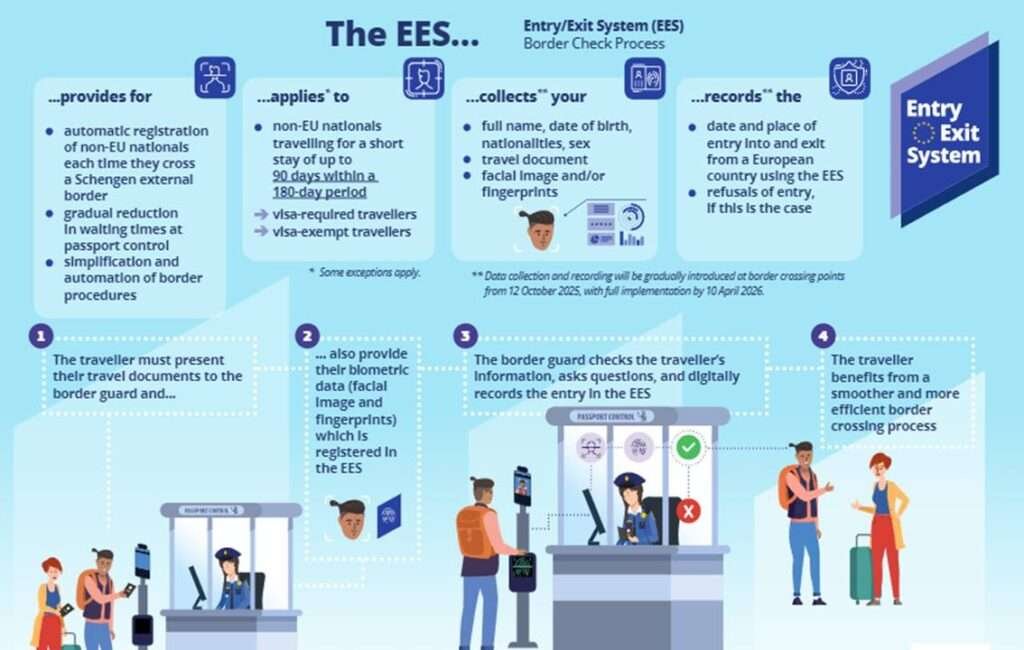
Although travel to the SCHENGEN AREA for European travellers is straightforward, all non-European travellers are subject to a European entry exit system. This automated European digital border system has replaced the need for manual passport stamping for all non-European Union nationals who intend to visit any SCHENGEN AREA countries. The EES records and then retains biometric data of these visitors, which it then uses to track entry and exit dates. The biometric data include facial images, as well as fingerprints. This does not apply, however, to any European Union or Swiss citizens or travellers going to Cyprus or Ireland.
A FULLY AUTOMATED SYSTEM
The automated EES rules directly affect almost all travellers from countries outside of its remit. This includes all tourists, business, and transit passengers from non-European Union countries. When travellers from any third countries enter any Schengen-listed countries for the first time, they are required to provide biometric data, which includes a facial image and fingerprints.
BIOMETRIC DATE INCLUDING PHOTOS & FINGERPRINTS
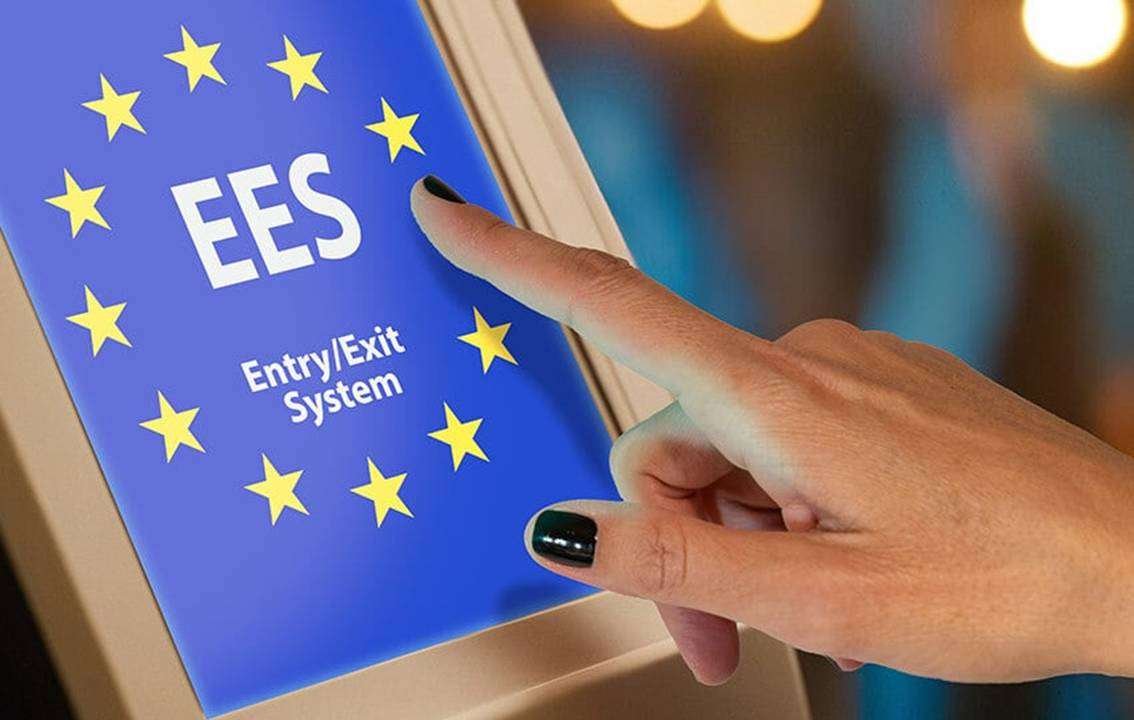
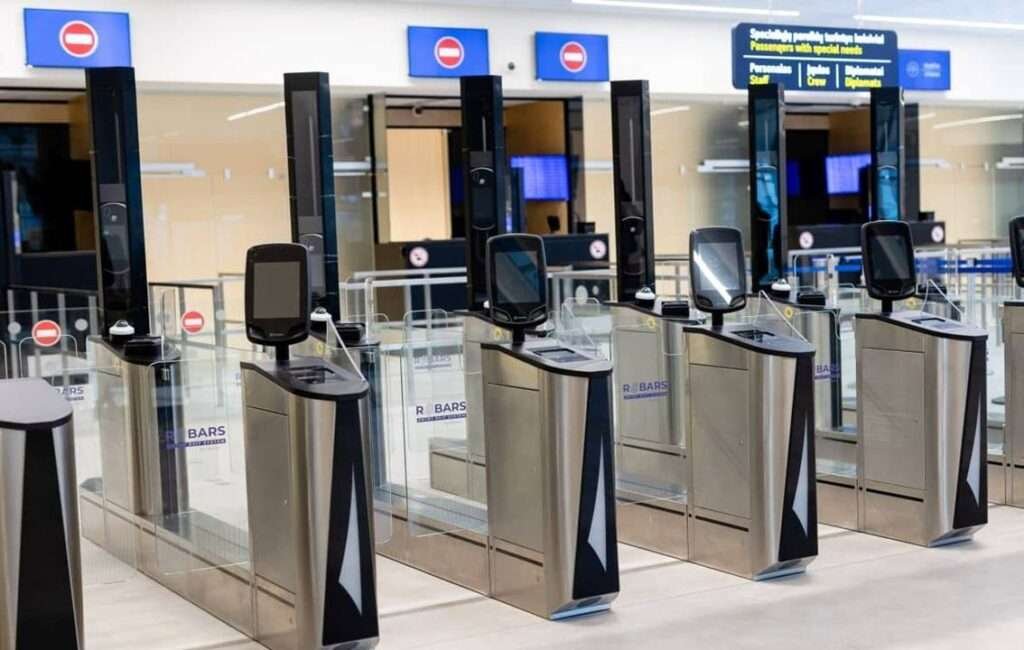
Travellers are required to do this by visiting a fully automated self-service kiosk or booth at the border. They are required to supply basic data by scanning their passport, and are then required to supply a photograph. They are also required to provide fingerprints. Anybody refusing these biometric checks will be blocked from entering the SCHENGEN AREA. Each traveller’s biometric data is stored and will be valid for up to 3 years. On subsequent entries, they will simply scan their travel document at any electronic kiosk. Once their identity is confirmed, using a type of recognition software, they will automatically be granted entry and will no longer receive a passport stamp. An electronic automatic visa will be issued to their travel document instead.
CYPRUS & UK PASSPORT HOLDERS
Republic of Cyprus passport holders, like the citizens of all of the 29 EES countries, are not required to register for the system. United Kingdom passport holders, however, are considered third-country nationals and will be required to register their details.
The 29 Schengen member countries are
- Austria
- Belgium
- Bulgaria
- Croatia
- Czech Republic
- Denmark
- Estonia
- Finland
- France
- Germany
- Greece
- Hungary
- Iceland
- Italy
- Latvia
- Liechtenstein
- Lithuania
- Luxembourg
- Malta
- Netherlands
- Norway
- Poland
- Portugal
- Romania
- Slovakia
- Slovenia
- Spain
- Sweden
- Switzerland