EXPLORING NICOSIA
A RICH BLEND OF BYZANTINE, VENETIAN & OTTOMAN HISTORY
Featuring thousands of years of layered history, the whole Nicosia region offers a plethora of Neolithic settlements, Greco-Roman settlements, various examples of religous architecture, and various medieval forts and castles. In light of this, Nicosia features a rich blend of Byzantine, Venetian, and Ottoman history across its divided old town and wider district, helping to form today’s vibrant city.
SEVERAL PLACES OF INTEREST
There are a number of historical and cultural sites situated in and around the Nicosia district. Situated close together within the city, all historical and cultural sites are easily accessible by car, PUBLIC TRANSPORT, or on foot. These include the House of Hadjigeorgakis Kornesios and the infamous star-shaped Venetian Walls that feature the Famagusta and Paphos gates in the old quarters of the city. The Cyprus, Shacolas Tower, and Leventis Museums are also within easy reach of the city centre. The Holy Monastery of the Virgin Mary of Kykkos is situated in the district’s mountainous interior west of the city.
CAR HIRE
CAR HIRE is probably the best way to truly capture the breadth of this part of the island’s history. This will not only allow for the exploration of urban Nicosia, but will also allow access to several places of interest in and around the city’s suburbs and the mountainous interior of the district.
A SELECTION OF HISTORICAL & CULTURAL SITES OF INTEREST
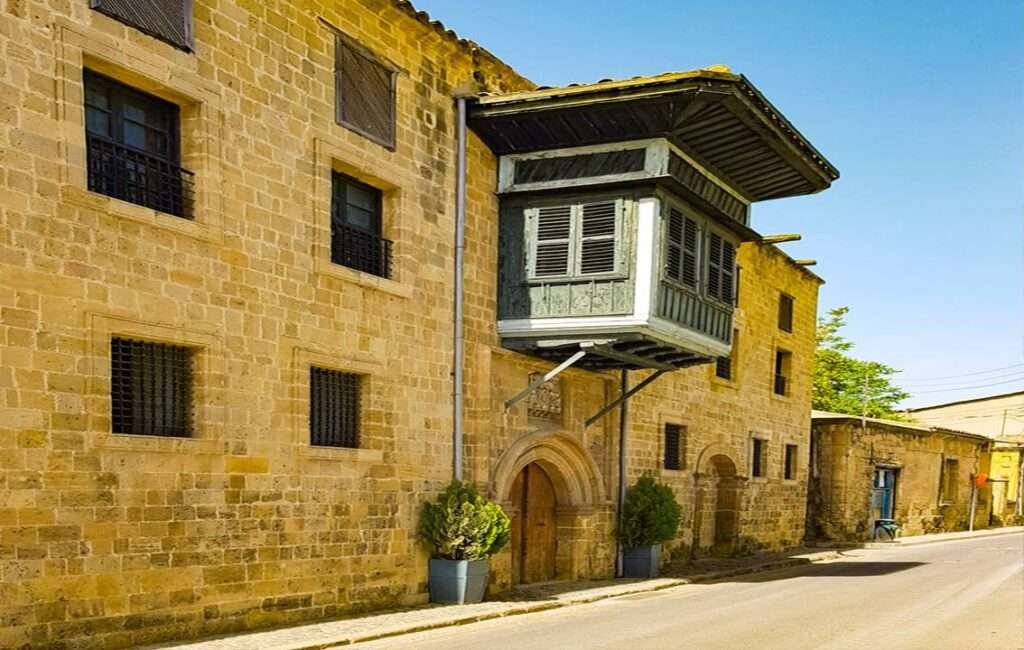
THE HOUSE OF HADJIGEORGAKIS KORNESIOS
A grand 1793 Ottoman-period mansion in the old city that serves as an ethnological museum featuring decorated ceilings and a preserved private hammam.
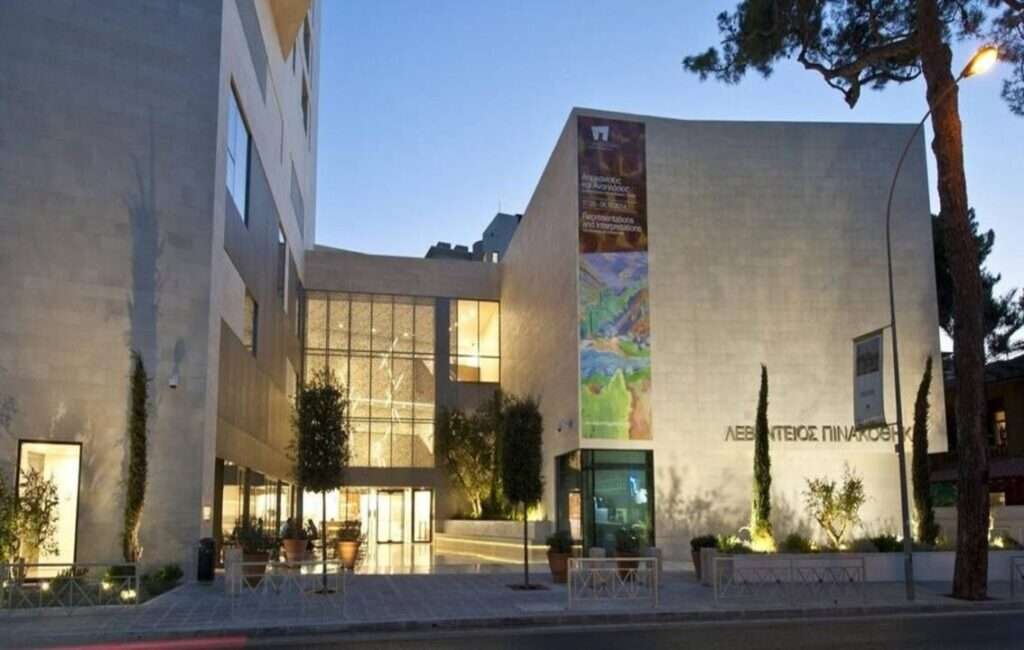
Leventis Municipal Museum of Nicosia
The A. G. Leventis Foundation sponsors an award-winning museum that chronicles the social and political history of Nicosia. The international philanthropic organisation, that was established in May 1979 by the vision of Greek Cypriot entrepreneur Anastasios G. Leventis, supports education, cultural heritage, and environmental conservation across Europe and West Africa.
The Star-Shaped Venetian Walls
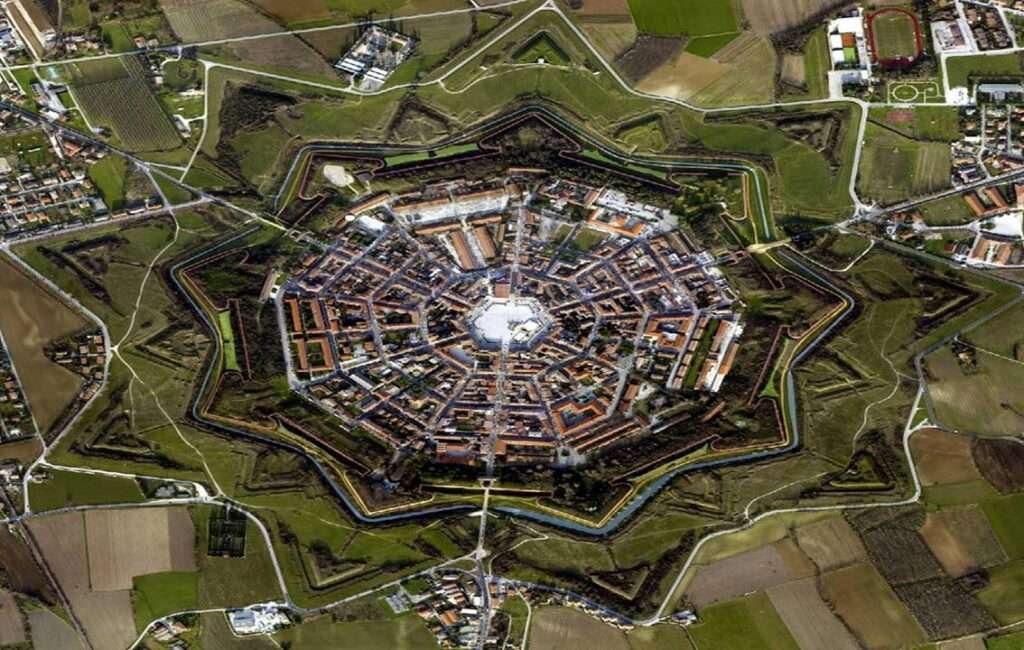
The 16th-century star-shaped stone fortifications that wrap around Nicosia’s historic centre still define the layout of the old city today. Although these imposing walls form a symmetrical eleven-pointed star around the city’s historic centre, they remain split in two due to the city’s partition after the conflict that occurred in 1974. Built in 1567 by Venetian military engineers, the eleven heart-shaped bastions were designed and engineered specifically to protect the city from invasion and, in particular, to defend against Ottoman artillery. As a result, each bastion fortification is designed with sharp, angled points rather than conventional flat medieval walls. These adjustments also helped to eliminate blind spots and allowed defenders to fire along adjacent walls. The walls also have three gates that acted as the only entry points to the city. Each gate is named today after the city that each one faces.
EDITOR’S NOTE: Most of these historical sites are free, but some do charge a nominal entrance fee that is payable on the day.