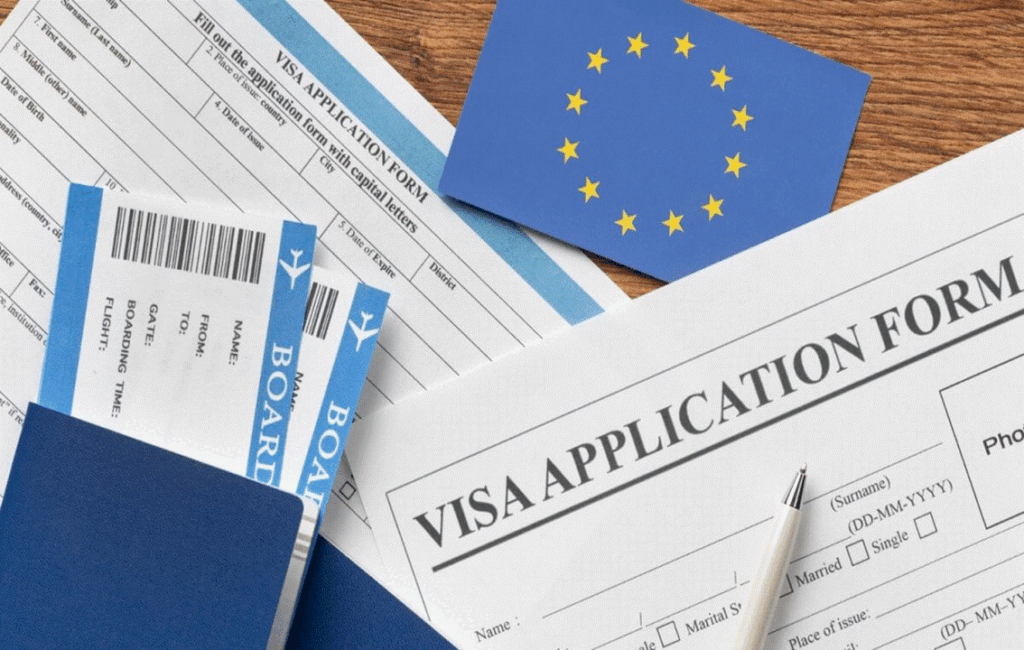
CYPRUS VISA INFORMATION

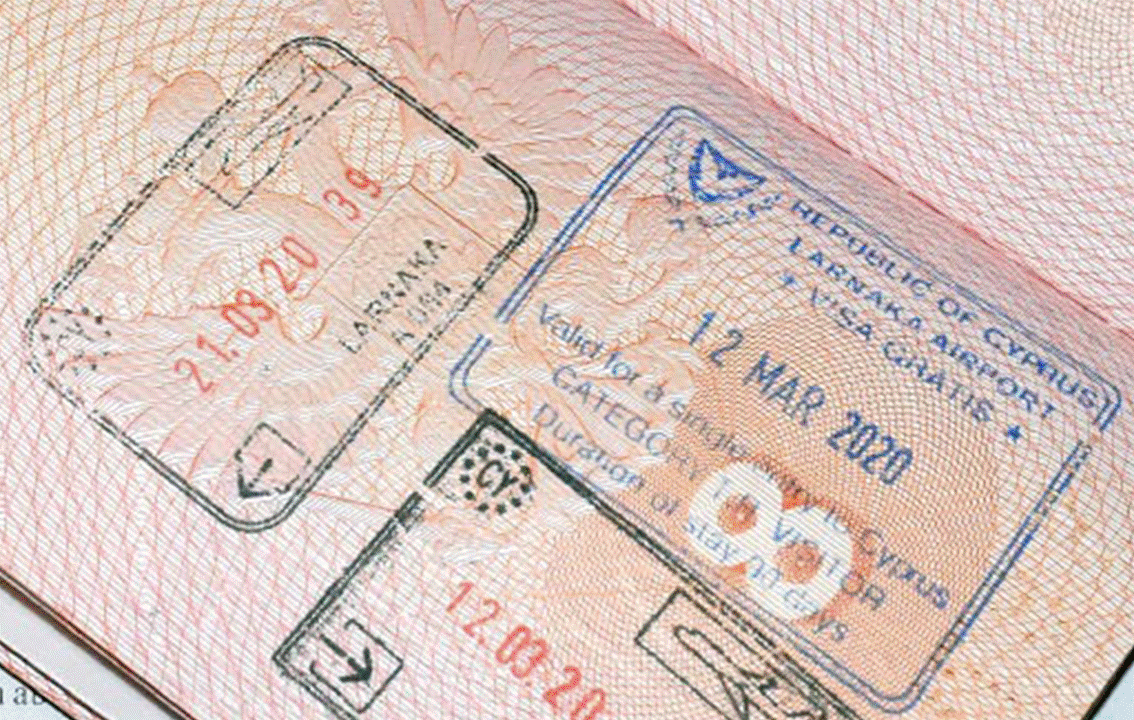
A PASSPORT STAMP THAT ACTS AS A VISA
Cyprus visa information is often difficult to understand, and with this in mind, the 90-day automatic visa rule is explained here.
Different visa rules govern different groups of people:
Group One – European Union: All citizens of European Union countries, as well as Switzerland, Iceland, Liechtenstein and Norway, do not require a visa to enter Cyprus and may enter with a passport or valid national identity card, as long as it displays a photograph. They do not require a visa and can stay in Cyprus indefinitely.
Group Two – Laissez-Passer: This document is issued by the United Nations for people with special circumstances. This includes stateless people and recognised refugees. This document acts as a passport, and holders require no visa and can stay in Cyprus indefinitely.
Group Three – Non-European Union: All citizens from non-European Union countries entering Cyprus must have a valid passport to travel to Cyprus and will receive an automatic 90-day visa. This system of entry is part of the island’s ongoing immigration policy. The 90-day visa can be used to visit the island for business or for pleasure. Adhering to these regulations is essential for a smooth travel experience, and all non-European Union nationals should be aware of the rules and ensure compliance.
90-day automatic visas are issued in the form of a stamp through any one of the recognised legal ports of entry below.
- Larnaca International Airport & Seaport
- Paphos International Airport & Seaport
- Limassol International Seaport
- Latsi International Seaport
THE 90-DAY VISA RULES EXPLAINED
1. Visa-free Entry: Citizens of countries outside of the European Union can enter Cyprus with an automatic 90-day visa. This is valid for short stays within 180 days. The visa comes in the form of a passport stamp that includes the date of entry.
2. 90 days within 180 days: A short stay is typically defined as up to 90 continuous days within 180 days. This means that non-European Union visitors to Cyprus can stay for up to 90 days and then must exit. They cannot return until another 90 days have passed thereafter. This rule applies to cumulative days spent in Cyprus, including multiple entries and exits.
3. Purpose of Visits: The 90-day rule generally applies to visits for tourism, family visits, or business activities. If a non-European Union national wishes to work or stay longer for any other purpose, they would need to apply for the appropriate extended visa.
4. Extensions and Overstays: Extensions of 90 days are typically not granted for visa-free nationals. Overstaying can lead to fines, deportation, or bans on re-entering Cyprus. Different rules may apply to citizens of certain countries or specific diplomatic agreements. With this in mind, it is wise to check the most current nationality immigration guidelines applicable before travelling to Cyprus.
5. Border Control Check: Upon entry into Cyprus, border control will check each traveller’s passport. Entry stamps are also checked to ensure that the 90-day rule has been adhered to. Refusal of entry may occur if a visitor is trying to re-enter Cyprus within 180 days of their last visit.
6. Proof of Return or Onward Travel: Additionally, non-European Union travellers may be required to show proof of return or onward travel plans. They may also be required to supply evidence of accommodation during their stay.
All applications for ‘an extended stay’ visas are made at the MINISTRY OF FOREIGN AFFAIRS
SUPPORTING TRAVEL
Check your passport
Travel rules have changed since Brexit, and they can often feel complicated! This passport checker is specifically for United Kingdom passport holders travelling to a European Union or Schengen zone country. Non-UK passport holders should check their destination embassy’s pages for up-to-date passport information.