Cyprus goats, in some ways, have shaped life on Cyprus for thousands of years. Providing both milk and meat for centuries across the island, Cyprus goats are less about a simple domestic animal, but more about a living relationship between rural people, the land, and livestock.
A LOW-MAINTENANCE DOMESTIC ANIMAL
As a domesticated animal, they went on to become very important to rural communities. This came after becoming the only low-maintenance domestic animal that could convert tough plant matter into valuable outputs, such as milk, cheese, and meat.
SURVIVING HARSH CONDITIONS
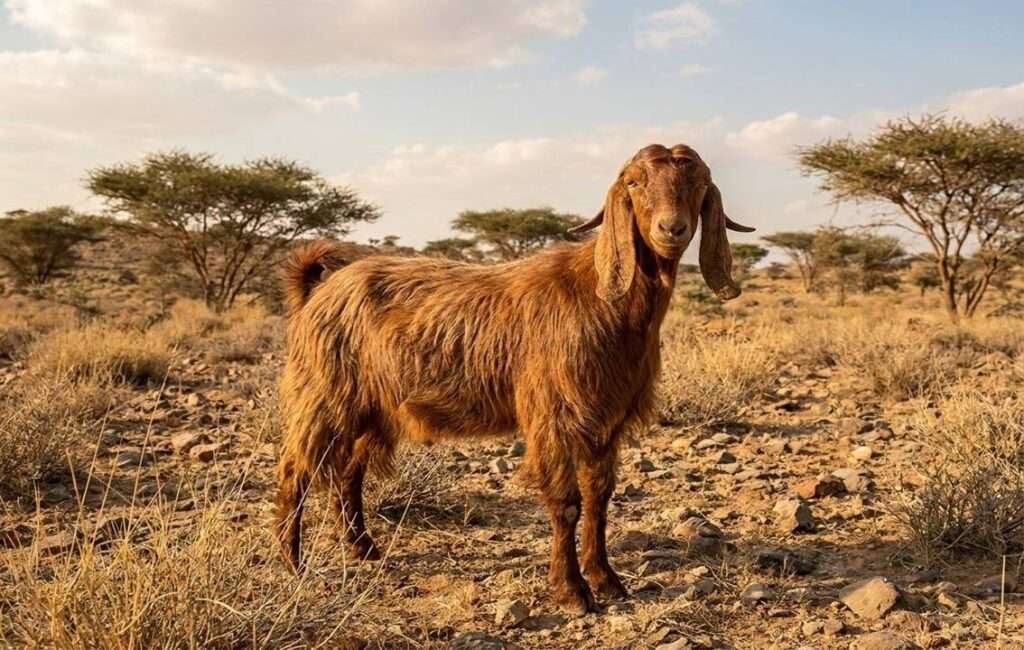
Goats have generally thrived in Cyprus because of their ability to survive harsh conditions. Their extreme foraging skills allow them to exploit resources that would otherwise remain unused. This has allowed them to adapt to the rugged and often dry Cypriot landscape throughout the ages.
ESPECIALLY ADAPTED TO CYPRUS
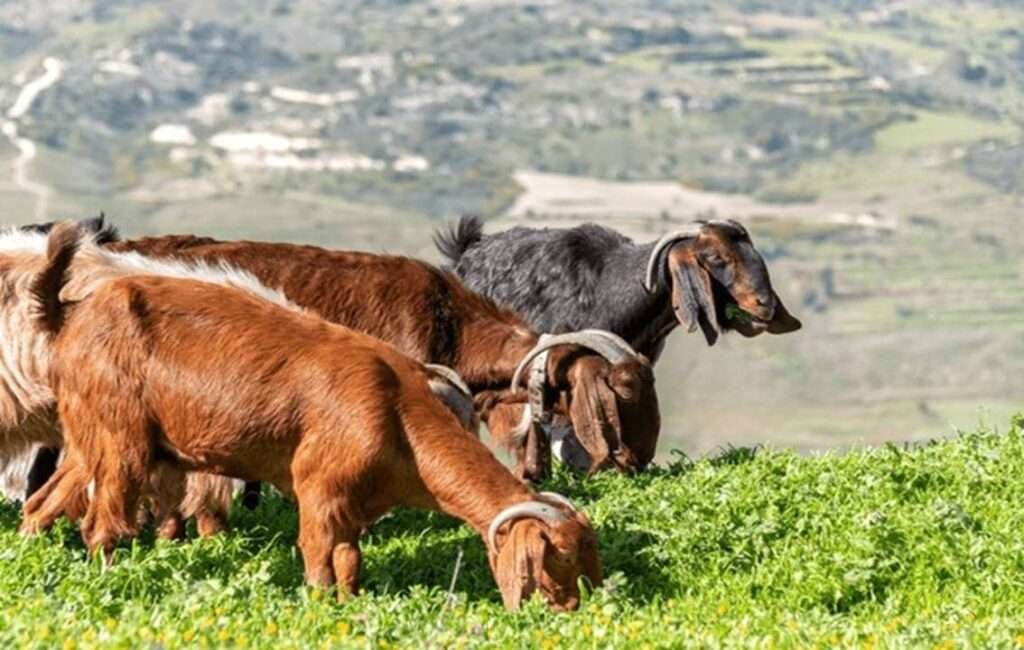
A goat’s diet is not limited to what looks green on the surface. Goats can survive on a range of hardy shrubs and obscure vegetation that usually grows where rainfall is limited. Their grazing behaviour and ability to eat leaves, shrubs, and other plants rather than relying only on grasses have made them especially adaptable in Cyprus.
WELL-ADAPTED PHYSICALLY
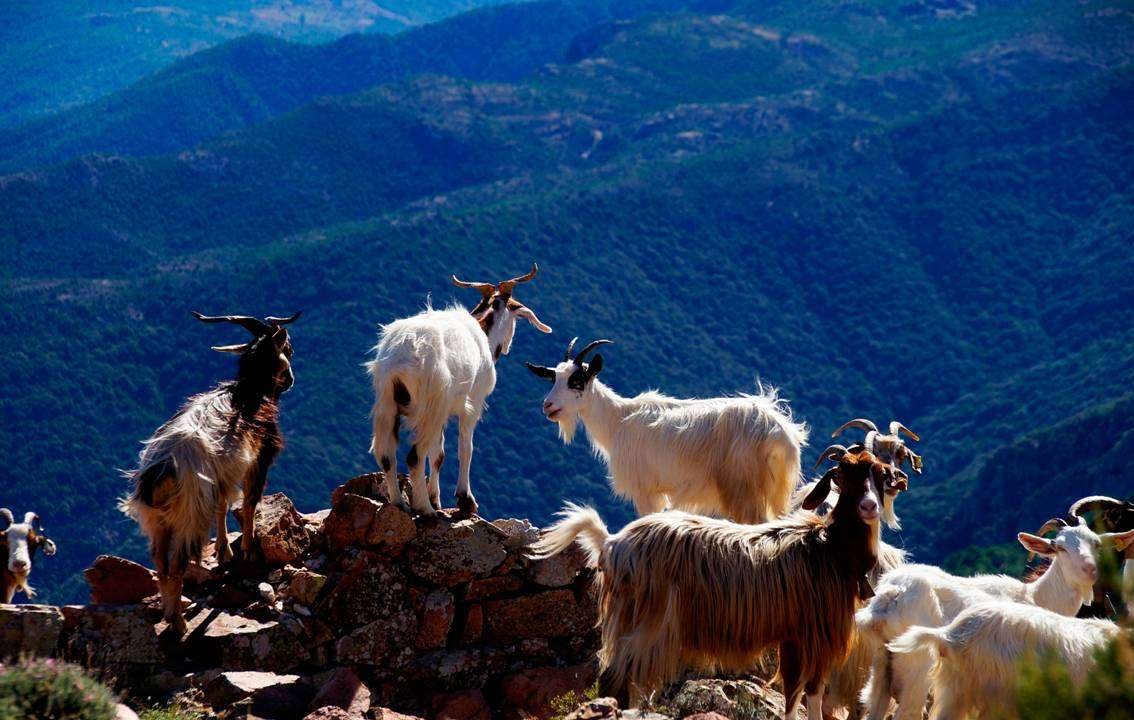
They are also well-adapted physically to the Cypriot terrain. They can also be managed in small herds, and this often suited several traditional rural farming contexts. Their ability to navigate uneven terrain with confidence also enabled them to reach and then feed in places that were often unavailable to both cattle and sheep. This includes rocky, steep, or difficult-to-cultivate areas, which goats can often turn into foraging spaces.