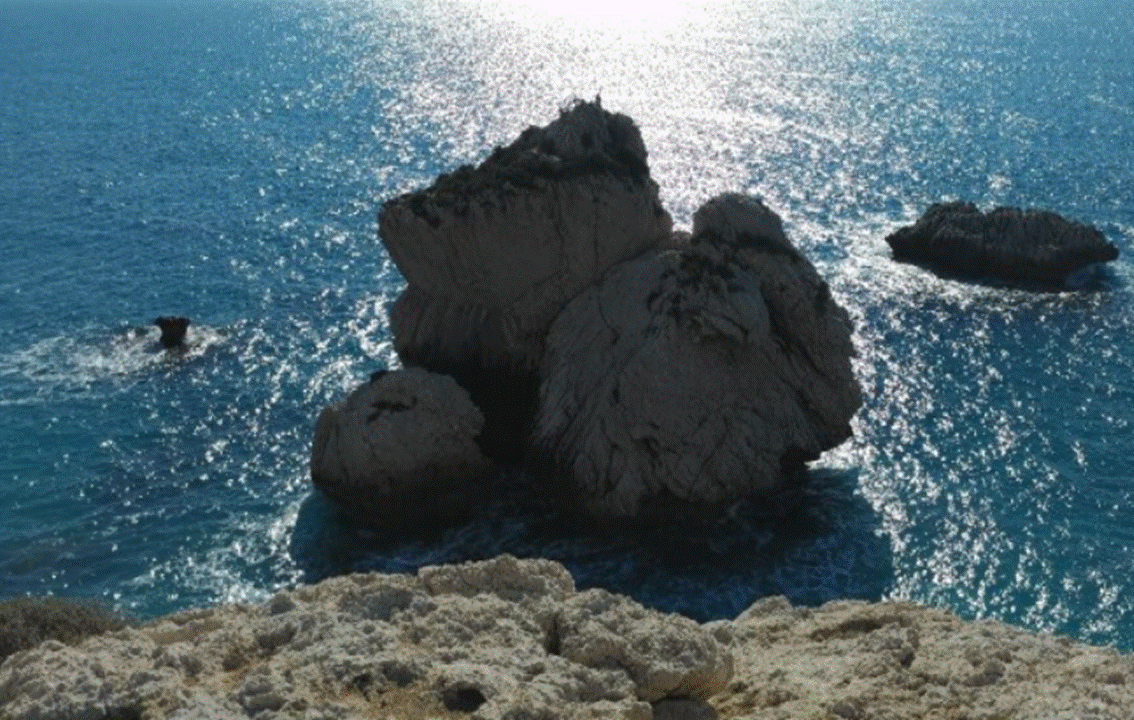
APHRODITE'S ROCK IS ALSO KNOWN AS
‘PETRA TOU ROMIOU’
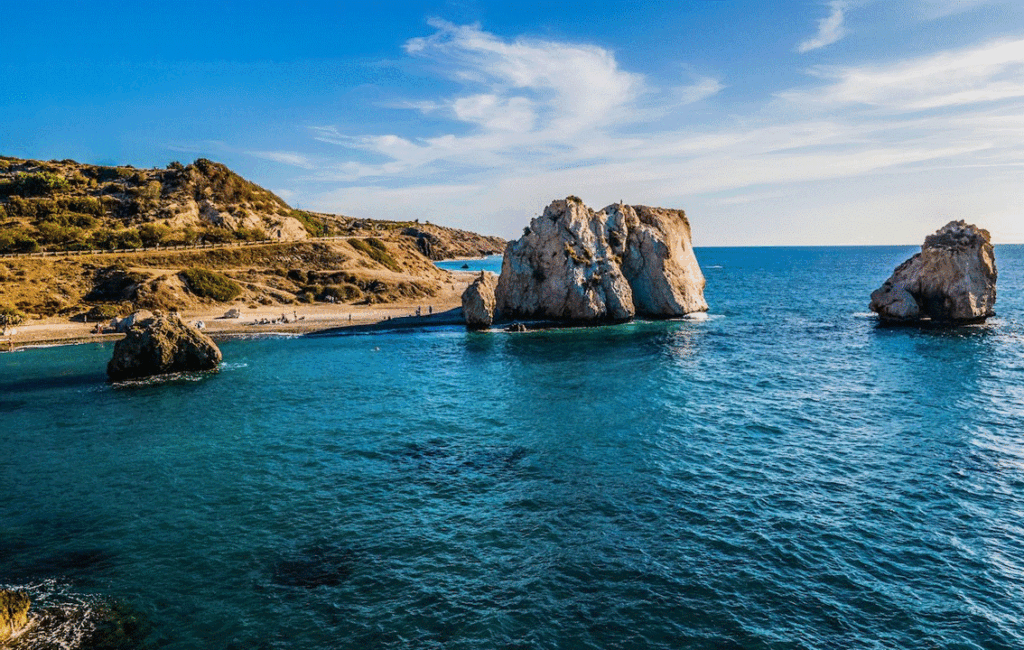
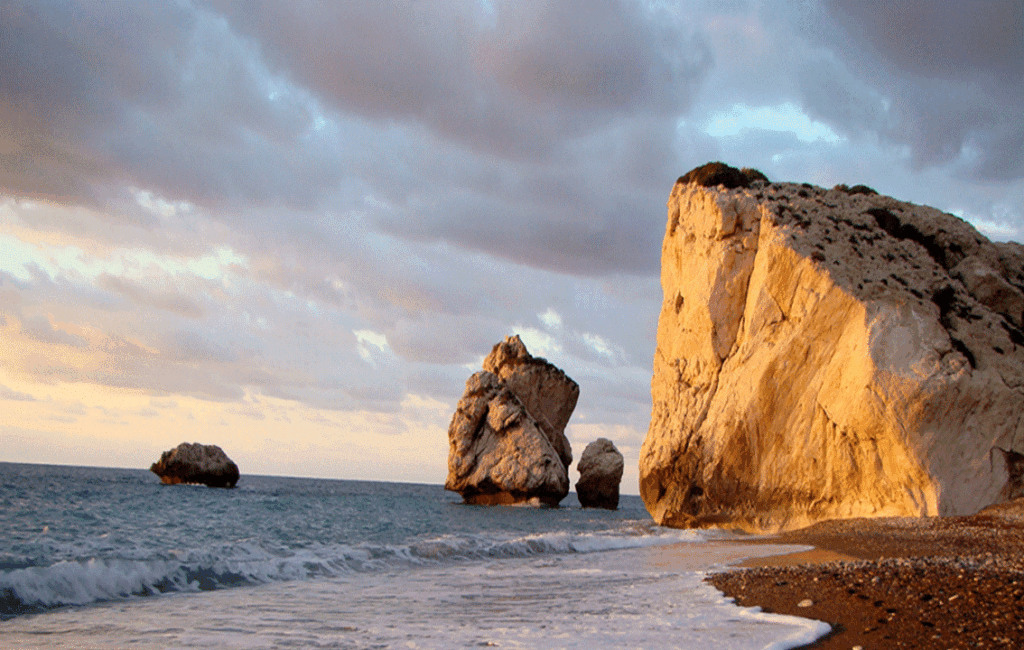
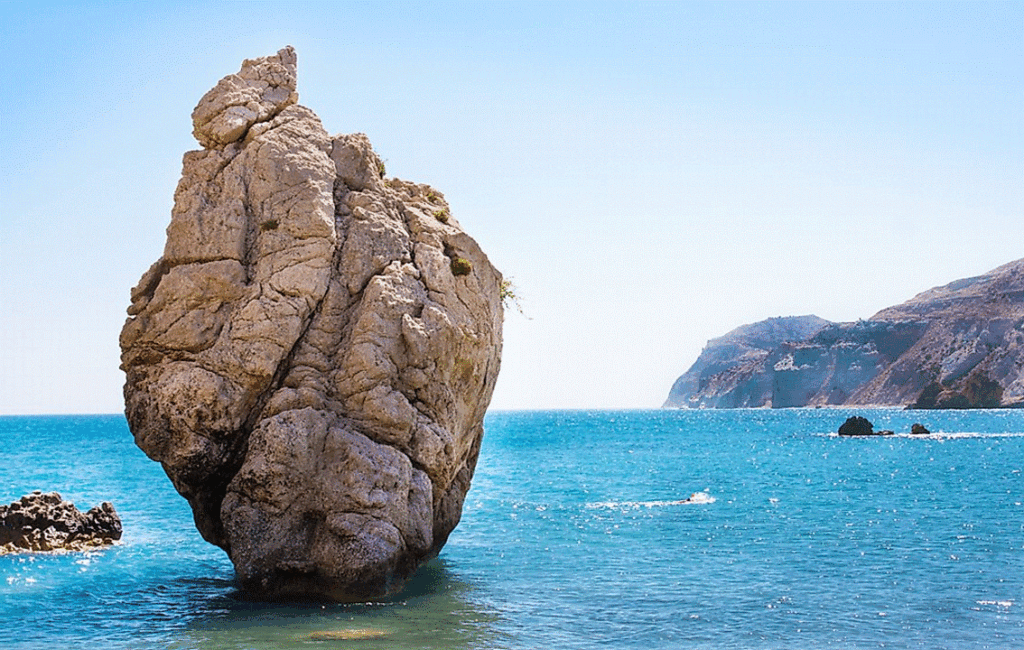
AN ICONIC PAPHOS LANDMARK
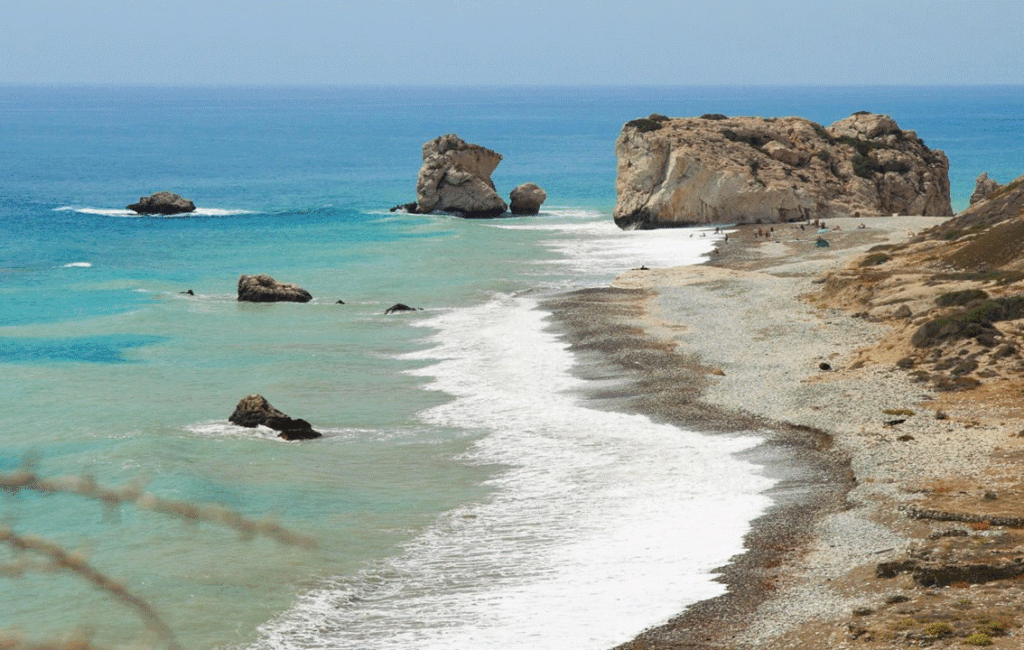
Aphrodite’s Rock is a striking sea stack set off the coast of the Paphos district that is famously regarded as the mythological birthplace of the goddess of love and beauty, Aphrodite. Located along a scenic, pebbly coastline about 15 miles southeast of the City of Paphos, it is a popular free-entry tourist hot spot known for its scenic views, particularly at sunset, and rocky swimming areas.
AN IMPRESSIVELY FAMILIAR SITE
Carving an impressively familiar sight off the western coast of the island, this rugged, eroded seaside cliff has taken millions of years to form naturally. Situated along the A6 highway to Limassol, this natural landmark offers both a historical and a mythological context to its somewhat remote location, and the waters of the serene Mediterranean Sea, on the western coast of the island, seem to add to its allure.
STUNNING ELEVATED VIEWS
Set against a series of weathered cliffs and secluded beaches, the picturesque rock formation forms a natural iconic landmark that is instantly recognisable. Regularly visited by people from all over the world, the secluded beaches and rural setting often encompass an unforgettable outdoor adventure. Most people visit the rock simply for the stunning views. These can be witnessed from several elevated positions around the site. As a result, several people, who often return, have stated that the allure of Aphrodite’s Rock often captures their hearts.
A RANGE OF OUTDOOR ACTIVITIES
Aphrodite’s Rock is also a popular destination for people seeking most outdoor activities. The harmonious, tranquil setting is ideal for hiking or rock climbing. Both ramblers and hikers often visit the area to take full advantage of the area’s walking trails and designated PICNIC AREAS. The rugged coastline and clear waters also make it an ideal spot for DIVING AND SNORKELLING. In light of this, divers are often observed exploring the underwater world that surrounds the natural rock formation.
GREEK MYTHOLOGY
Numerous myths and legends surround the iconic landmark. This has created a deep affiliation with Greek Mythology. This holds a significant cultural significance. The Greek Goddess Aphrodite is said to have been born from the foamy waters surrounding the rock, and this has helped to turn the site into a symbol of love and beauty. Romantics, looking to experience the enchanting aura of the goddess of love, have visited the site ever since. Although several people today visit the site to explore its natural beauty, several also visit seeking blessings from Aphrodite at her birthplace.
PYGMALION & GALATEA
The story of Pygmalion, the sculptor, further enhances the rock’s association with love and beauty. Legend has it that the goddess Aphrodite visited him after hearing his endearing pleas for love. She is then said to have breathed life into a statue that he created of Galatea. Pygmalion and Galatea then lived happily in love, thereafter within sight of the rock. They are said to have paid homage to the goddess daily for the rest of their lives.
THE ROCK OF THE ROMAN
Another local legend has given rise to the rock’s other name, ‘Petra tou Romiou’. This translates to ‘Rock of the Roman’. This name derives from the legend surrounding the Greek-Roman known as Digenis Akritas. He was said to have possessed superhuman strength. This allowed him to throw a huge rock from the shore at rampaging Saracen pirates. This rock, which still forms part of the formation today, is said to have repelled the Saracen landing after sinking one of their ships.
THE SANTUARY OF APHRODITE
The immediate area surrounding Aphrodite’s Rock is also home to some significant archaeological sites. These include ancient tombs, settlements with early religious buildings, and some fortifications. These often provide valuable insights into the history and culture of the local area that surrounds Aphrodite’s Rock. These places also offer visitors the opportunity to explore the island’s rich heritage during a visit to the landmark. Several of these notable structures date back to both the Hellenistic and Roman periods. The Sanctuary of Aphrodite, located just a short distance away, offers visitors the opportunity to explore the ruins of a temple dedicated to the goddess Aphrodite. This historic site also offers a fascinating glimpse into the religious practices and beliefs of ancient Cypriots from the area.
AN INSPIRED VISIT
The timeless beauty of this rock formation has also helped to create a symbol of the island’s mythological legacy. This continues to enchant and inspire all who visit. The natural beauty, rich mythology, and historical significance of this natural landmark make it a truly unique and captivating place to explore. With more visitors flocking to witness its magical aura each year, it remains a wonderful place to visit.
A WONDERFUL PEACEFUL RETREAT
Overall, visiting the site offers a unique and unforgettable experience, and the rock’s constant appeal often stretches to those seeking something special. Visitors often state that the rock remains in their memory forever, often leaving a lasting impression on the heart and soul. To others, the landmark acts as a conduit for a peaceful retreat that allows them to reflect and contemplate.
A HISTORICAL SIGNIFICANCE
The rock also holds historical significance! It has witnessed the rise and fall of several civilisations that have all had designs on Cyprus. It has also played its role in helping to develop some of the island’s most significant ancient trade routes. Several early seafarers, navigating the coast of Paphos, used the rock to mark their position. This also meant, however, that the rock inadvertently became a marker that allowed invading forces, which includes marauding pirates, to take advantage of the western coast of the island.
A SUNSET TO REMEMBER
A magical, unforgettable experience is often created at the site as the sun sets over Aphrodite’s Rock. The golden glow that is cast over the whole area is often said to create a sense of awe and wonder. The tranquil waters lapping against the cliffs, the gentle sea breeze, and the breathtaking views all seem to come together, particularly at SUNSET. This helps to form an exhilarating experience and some picture-perfect settings. With this in mind, the warm, inviting glows of the setting sun also make it a favoured location for several photographers and artists seeking to capture the beauty of SUNSET over this natural wonder.
AN IDEAL SETTING FOR WEDDINGS
The belief in Aphrodite’s power to bring harmony to relationships has seen the site become a romantic pilgrimage for several lovers. Couples, the world over, are often found flocking to the landmark throughout the year. While some visit to bask in its atmosphere, others are often found seeking confirmation of their love. Others also seek blessings from the goddess of love and beauty. The setting, as a result, is often used as the perfect backdrop for wedding ceremonies. This has further helped to solidify its place as a symbol of love and devotion. Some of these ceremonies allow people to renew their vows or to exchange rings, symbolising eternal love.
KEY DETAILS FOR VISITORS
Mythology: Legend says that the goddess Aphrodite rose from the sea here, and because of this, the area around the rock is regarded as both magical and special.
Access & Safety: A pedestrian tunnel under the main road connects a free parking area to the beach. While the beach is beautiful, it is quite rocky, making swimming difficult for some. Waters can also be rough, so caution is advised.
Amenities: A nearby café and restaurant provide refreshments, including popular fresh orange juice.
Photography: With panoramic views available from nearby cliffs, the site is often visited for photography. The site is also famous for its magnificent SUNSETS.


5 BELIEFS AND TRADITIONS CONNECTED TO APHRODITE’S ROCK
Aphrodite’s Rock is considered a place of pilgrimage for lovers from all over the world. Several beautiful rituals and legends are associated with it because of this.
Here is a list of some of the beliefs that surround the famous Paphos landmark
- Newlyweds who touch the rock on their wedding day are said to receive a lifetime of happiness together in their relationship.
- Swimming around the rock three times is said to bring eternal beauty.
- Leaving heart-shaped stones at Aphrodite’s birthplace is said to strengthen the bond of love and help lovers remain devoted to each other forever.
- Newlyweds who swim around the rock together will ensure that their love will never fade.
- Tying colourful ribbons to the nearby bushes will ensure a marriage full of children. The colours of these ribbons are also said to determine the sex of these babies.
THE NEARBY BEACHES
Sightseeing the rock can easily be combined with a day at the beach. As well as the secluded beach that surrounds the rock, other nearby beaches, also known for their natural beauty and tranquil settings, are within easy reach. Some of the more secluded of these beaches, however, do not maintain any facilities that other, more mainstream beaches offer.
The following three established beaches near the rock offer the usual beach facilities that you would expect.
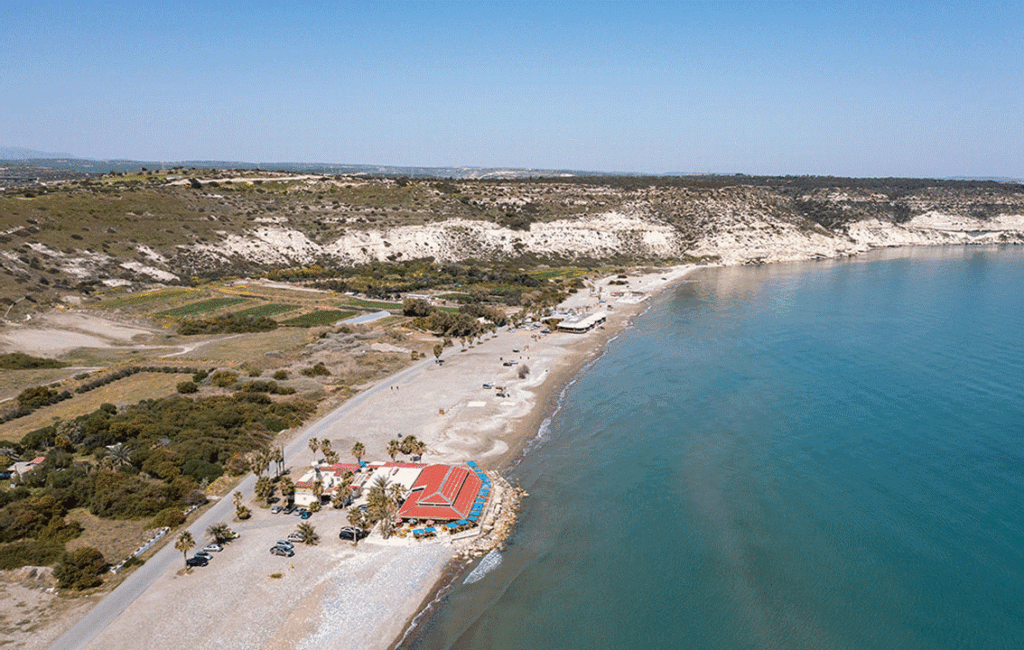
Kourion Beach
Situated around 25 minutes drive away from Aphrodite’s Rock, Kourion Beach is a popular spot with golden sands and clear waters.
Bus 16 services this beach.
Pissouri Beach
Situated around 15 minutes drive away from Aphrodite’s Rock, Pissouri Beach offers a mix of sand and pebbles, as well as a variety of water sports activities.
Bus 630 services this beach.

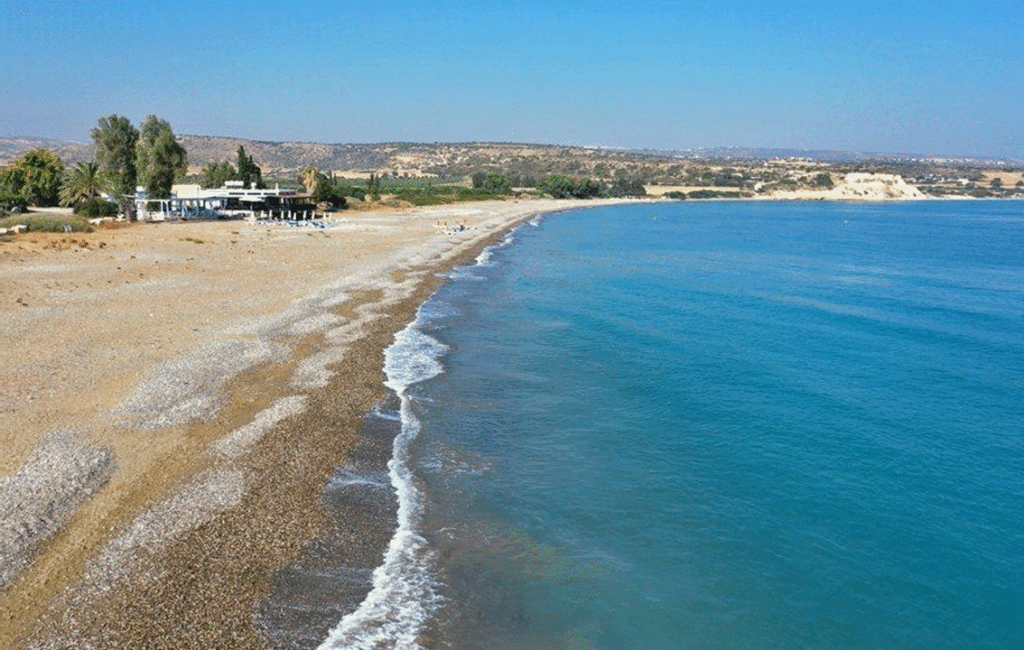
Avdimou Beach
Situated around 30 minutes drive away from Aphrodite’s Rock, Avdimou Beach is a more secluded option with soft sand and calm waters.
Bus 630 services this beach.
THE ROAD TO APHRODITE’S ROCK
The main road to Aphrodite’s Rock has reopened after a serious landslide recently closed it to vehicle traffic. Several measures have been taken to ensure that this does not happen again.
The stabilisation of the road includes a new foundation. This has seen the installation of new piles connected by crossbeams. This comes after extensive soil reinforcement, which has enabled stormwater drainage systems to be put in place.
The installation of new safety barriers follows the construction of a new retaining wall on the north side of the road. This follows the laying of new asphalt along with the application of new road markings, which completes the works.
INTERCITY BUS TO PAPHOS & THEN LOCAL BUS 631 TO APHRODITE’S ROCK