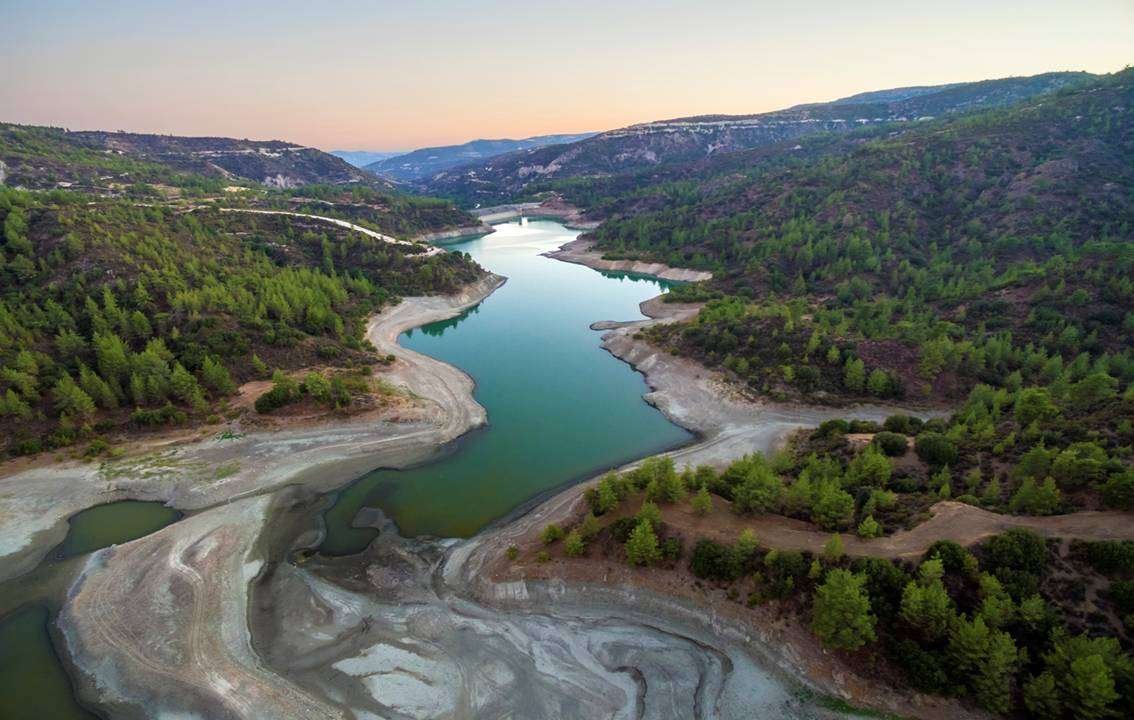
12,000 YEARS OF CONTINUOUS HISTORY
A CONTINUOUS CHRONOLOGY OF CYPRIOT SETTLEMENTS
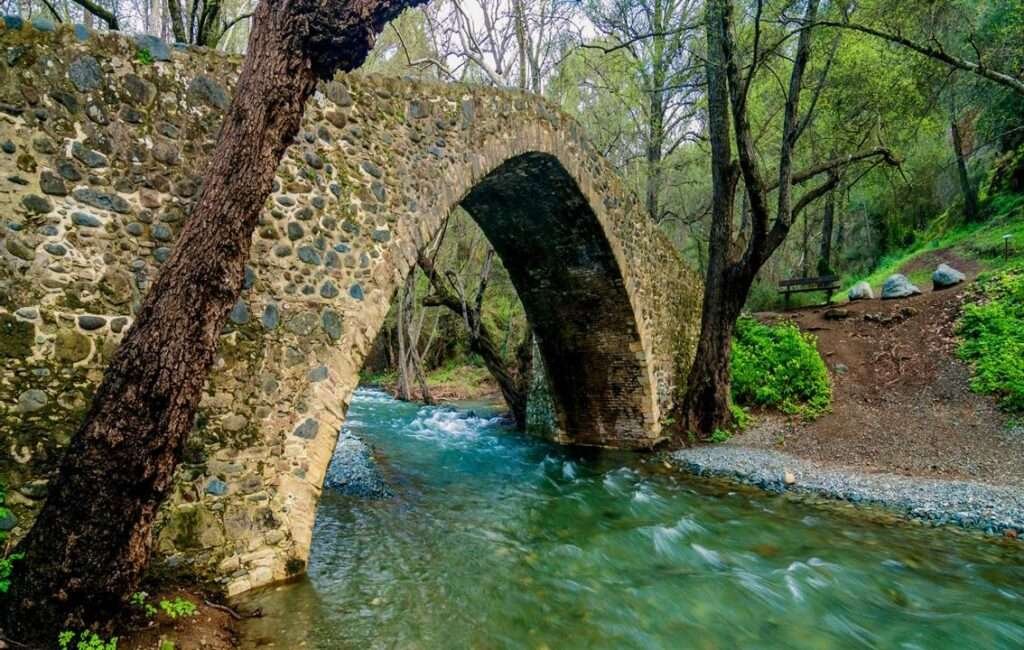
With 12,000 Years of History, the picturesque Diarizos valley, with the Diarizos River at its heart, is home to the longest continually lived settlements found in the Mediterranean. The rocky soil of the valley reveals more and more each year, allowing archaeologists to continually document the continuous chronology of these settlements.
A UNIQUE INSIGHT
Uncovered evidence from the 10-hectare site has revealed that people have continuously lived in the valley since the first settlements were established during the Neolithic period, approximately 10,000 years ago. These early settlers evolved, and in some ways became sophisticated, complex societies. This allowed them to oversee the construction of several diverse dwellings during these early periods. These included terraces that were once etched into the slopes of the valley’s foothills. Numerous artefacts have also revealed a unique insight into how things changed from century to century.
A SERIES OF UNIQUE ARTEFACTS
Some of the recovered artefacts include fragmented pottery made from stone. There are also various anthropomorphic figurines and early forms of jewellery that have been recovered. Some of this early jewellery was later repurposed into Byzantine crosses. Another notable discovery is the huge ancient ovens. These are thought to have been capable of slow-cooking meat for up to 200 people at any one time. It is believed that they were used to prepare food during inter-community feasts that regularly took place. Evidence of ritual pits and walls that were over 1 metre wide and two-stories high has also been uncovered.
MASS MIGRATION
Although continually inhabited, it is thought that the valley’s settlements suffered a decline at around 1200 BC. This is when several of the valley’s inhabitants are thought to have migrated to Palaepaphos, which became the centre of Aphrodite worship. The valley’s settlements are then thought to have recovered, mainly during the Iron Age. Evidence suggests that the valley’s settlements thrived throughout the Roman, Byzantine, medieval, and Ottoman periods. The rural life of the Diarizos Valley, however, once again suffered a decline during the late 19th and early 20th centuries. This is when several of its inhabitants migrated to larger cities in the pursuit of wealth and a completely different way of life.
THE PURSUIT OF STUDY
The 1953 EARTHQUAKE saw the last few remaining residents of the valley abandon their mostly destroyed homes. Most of the valley then remained undisturbed after they left. Archaeologists then began work there in the summer of 2007, and they have been revisiting the site every summer since. They have gone on to create a sort of field school at the site. They have successfully combined onsite excavations with artefact analysis. This is all in the pursuit of studying the history of the varied Cypriot civilisations that have continually inhabited the area for over 12,000 years.
A BANDIT COUNTRY
In the early 19th century, a place where people had lived in peace and prosperity for millennia turned into one of the most dangerous places in Cyprus. This particular area of the Diarizos Valley was controlled by the infamous Hassampoulia clan. These notorious bandits often frequented the hills, creating several secret lairs across the valley. The Hassampoulia Rocks were one such lair that the bandits used to launch regular attacks on weary travellers, robbing them of anything of value.