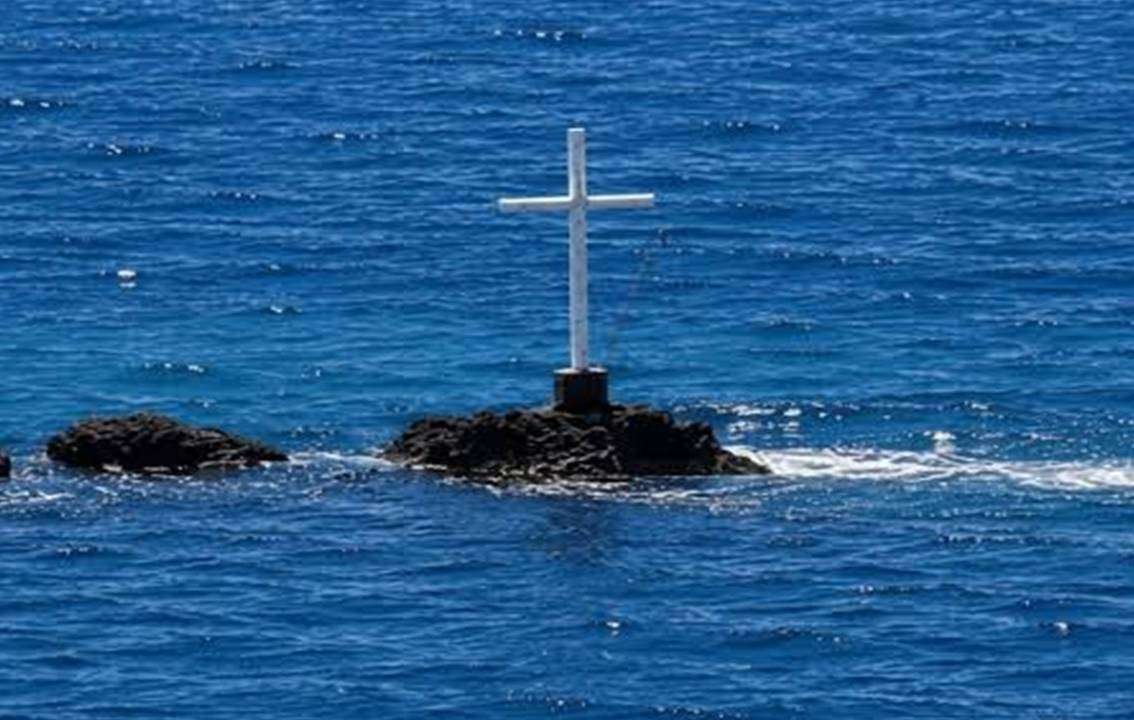
A NEW LANDMARK FOR POTIMA BAY

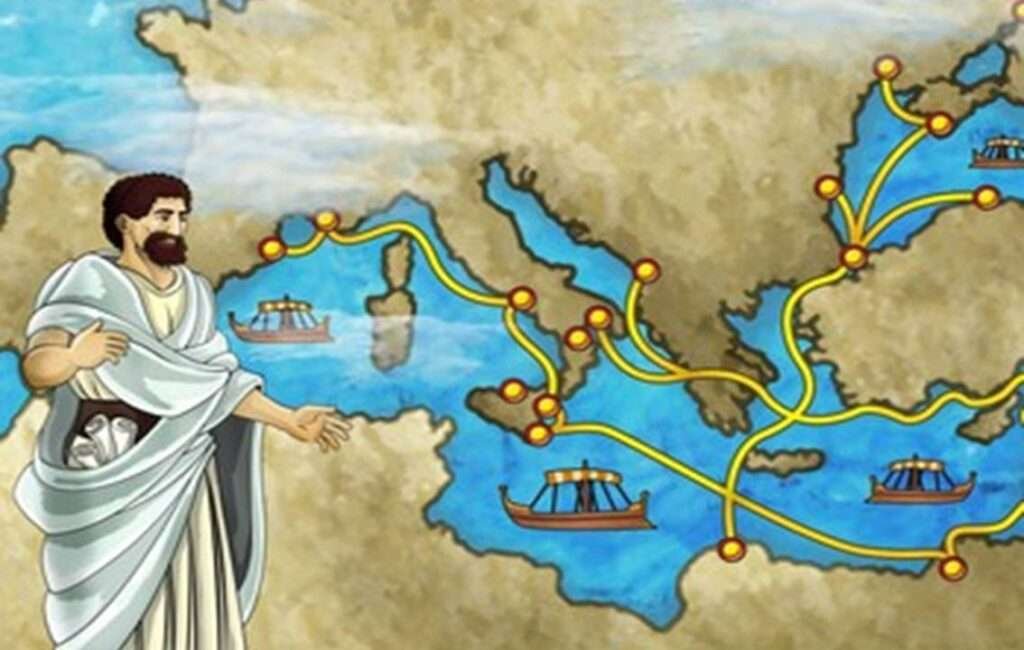
The relationship between the ancient Greeks and the sea is one of the most defining partnerships in human history. Spanning over four thousand years from antiquity to the modern era, Greek sailing has, in some ways, largely defined Hellenism.
As the philosopher Plato famously observed, the Greeks live around the Aegean Sea like ‘frogs around a pond,’ rarely settling more than a day’s walk from the coast. The arduous mountainous terrain of Greece made overland travel incredibly difficult, and the Mediterranean, Aegean, and Ionian seas became their primary highways for trade, warfare, and cultural expansion.
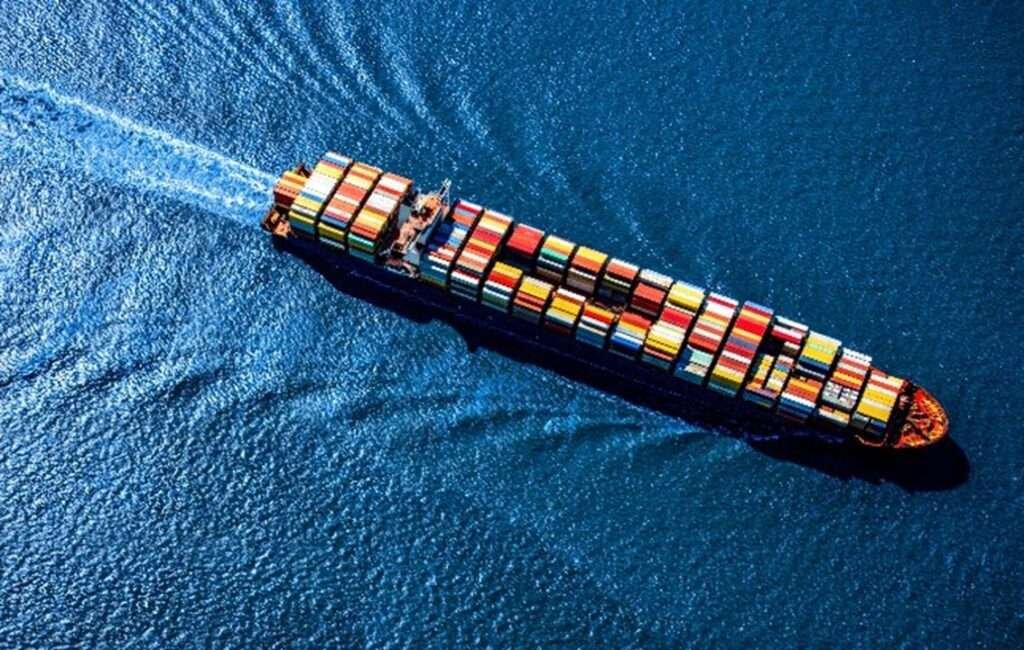
Today, Greeks all over the Mediterranean still use the sea for transit and trade, and none more so than the Cypriot maritime fleet. The white cross erected on the rocks of Potima Bay in Peyia, in the Paphos district, was installed as the fulfilment of a personal, religious vow by the father of a merchant navy officer serving in the Cypriot maritime fleet.
The Paphos-based family placed the cross as a prayerful appeal to Saint Nicholas, the traditional patron saint of seafarers. The father sought the saint’s divine protection for his son and all other sailors who navigate treacherous waters for their livelihoods.
The white cross that suddenly appeared on the rocky shoreline below the Ascos Hotel initially sparked a local mystery and widespread speculation. This came after both the local municipalities of Paphos and Akamas denied any involvement in its installation.
The family selected this specific cove in Potima Bay because they shared a deep, decades-long personal connection to the area, having spent generations fishing, swimming, and relaxing along its coast. Despite questions regarding the legality of this initiative, residents have already dubbed the site a new landmark