Based on a real person, the Cypriot Santa Claus is represented in a slightly different way from other, more conventional Western Christian teachings. Instead of Saint Nicholas, Cypriot Santa derives from the 4th-century Archbishop of Caesarea. Also known as Saint Basil, he was renowned for his selflessness and devotion to his Christian faith. Highly respected by his flock, SAINT BASIL OF CAESAREA,as he later became known, inspired spiritual growth and well-being among the Christians of Cappadocia. Through his teachings, he frequently cared for the sick and elderly, and throughout his life, strove to feed the hungry and support those in need. The name Vasilopita, or New Year’s Eve cake, derives directly from Saint Basil, who is also known as ‘Ayios Vasilis’.
A BELOVED NEW YEAR'S TRADITION
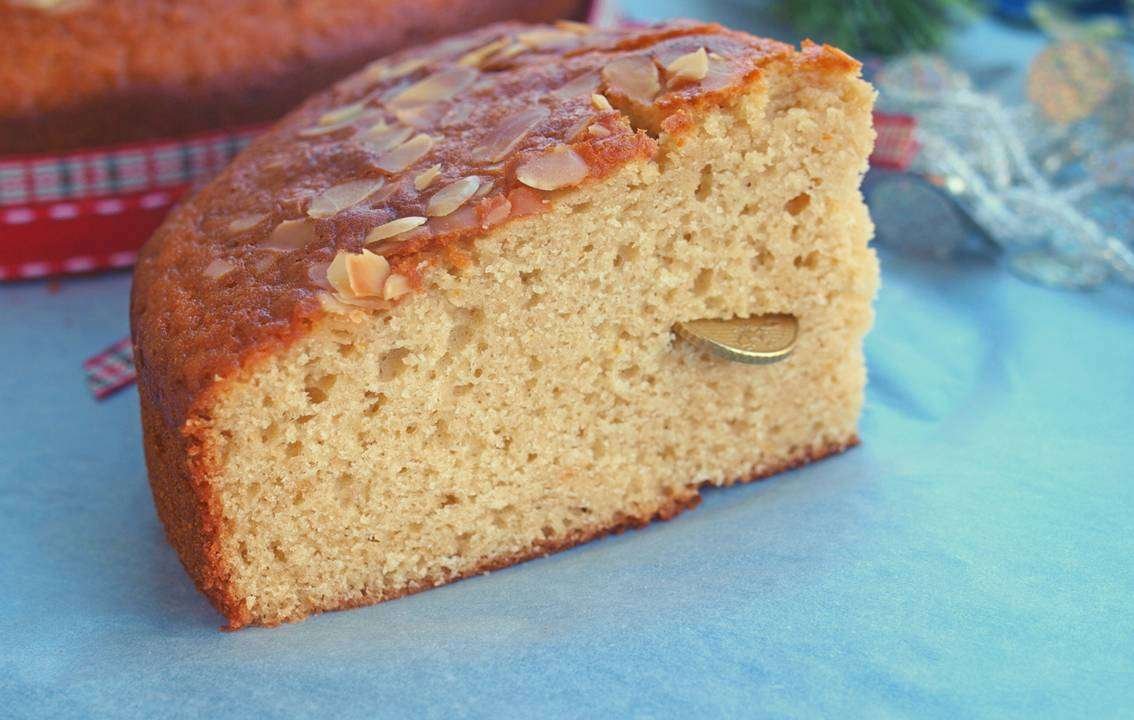
The Roman Emperor Julian, in the 4th century, embarked on a program of aggressive taxation throughout his empire. This included the Christians of Cappadocia, who eventually entrusted Saint Basil with all their valuables. He hid his congregation’s treasures in an ornate chest within the grounds of his church. When members of his flock needed some financial help, Saint Basil used a unique and special way to return the valuables to their owners undetected. He would often bake cakes or pies and then place coins inside them. This tale gave way to a beloved Cypriot New Year’s tradition and gave the cake its name, ‘Vasilopita’.
A SYMBOLIC OVERTURE
The story also takes on a further symbolic overture in the aftermath of the discovery of the ornate treasure chest by Julian’s Roman soldiers. After they finally discovered the treasure entrusted to Saint Basil, it is said that a miraculous cloud appeared above the chest. Angels were then said to have emerged from the cloud to guard the chest when the soldiers tried to seize it, sending them away, never to return.
AN INSPIRED TRADITION
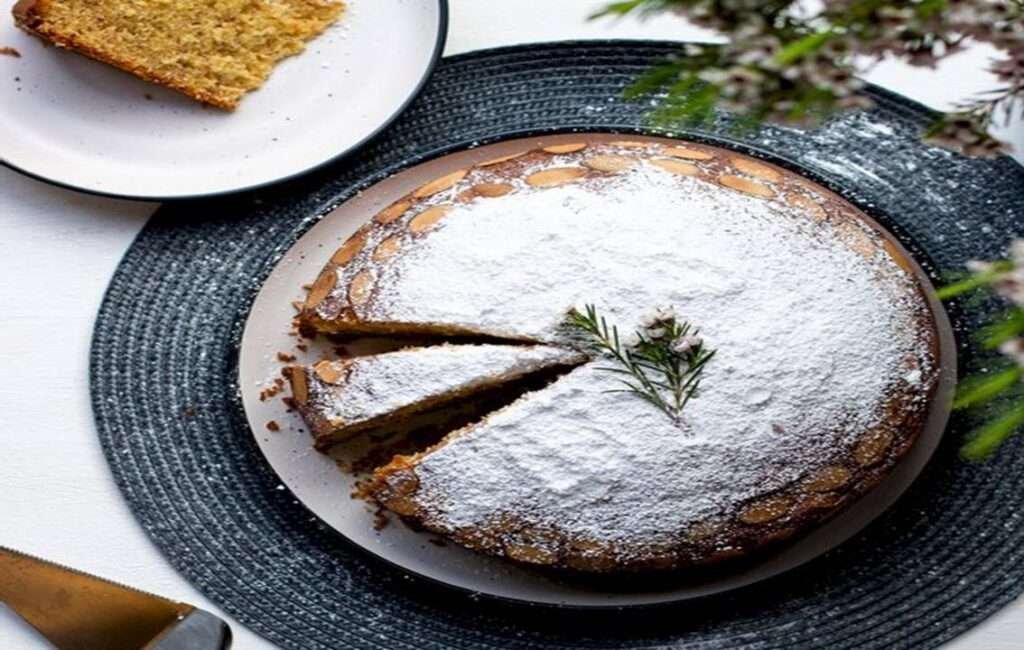
These tales have led to Saint Basil taking on the role of the holiday gift-giver, also known as Santa Claus, within Greek Orthodox teachings. This is mainly because of his goodwill and generosity. The fact that he would often send gifts in the form of hidden coins also enhanced this image. The miraculous events surrounding him have also inspired most Cypriot households to bake a special cake on New Year’s Eve ever since. They do this not only to remember him, but also to honour Christian teachings. The symbolic coin that is placed inside the cake not only represents Christian faith, but also goodwill to all on the first day of every new year. Today, this custom is celebrated in the form of the ‘Vasilopita’, which also marks the day of Saint Basil’s passing and his traditional feast day.