THE
FORGOTTEN
JEWS
OF
CYPRUS
AN IRONIC STORY
This ironic story of the forgotten Jews of Cyprus saw several Jewish refugees take to ships after the end of the Second World War. Heading for the Middle East, they were seeking to resettle in British-administered Palestine, but arrived instead at several European ports in droves. Nearly all were Holocaust survivors, so they had already suffered long and arduous journeys from several detention camps across Northern and Eastern Europe. British authorities initially took a dim view and deemed this mass migration illegal. In light of this, they immediately sought to stem the flow of these people to Palestine.
A LONG & ARDUOUS JOURNEY
This mass migration was largely organised by Zionist movements who were seeking to create a new state of Israel. Deemed necessary for their struggle, several young and hardy immigrants, dedicated to this Zionist cause, were eagerly recruited to make the journey. The majority were under the age of 35, and their numbers also included several orphans who had joined Zionist youth groups shortly after the war.
DEEMED ILLEGAL BY THE BRITISH
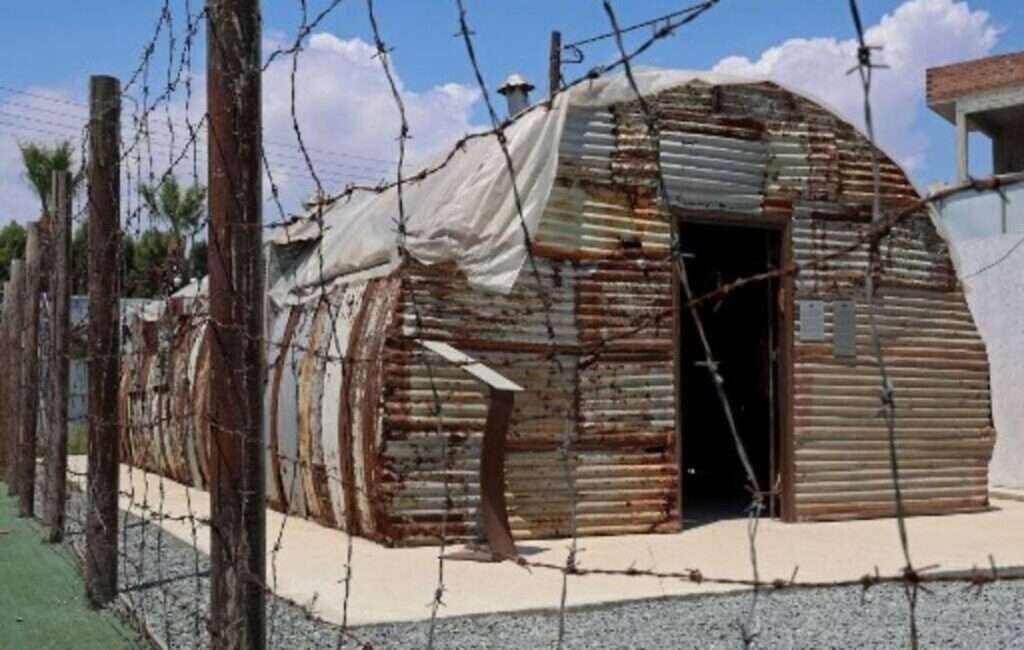
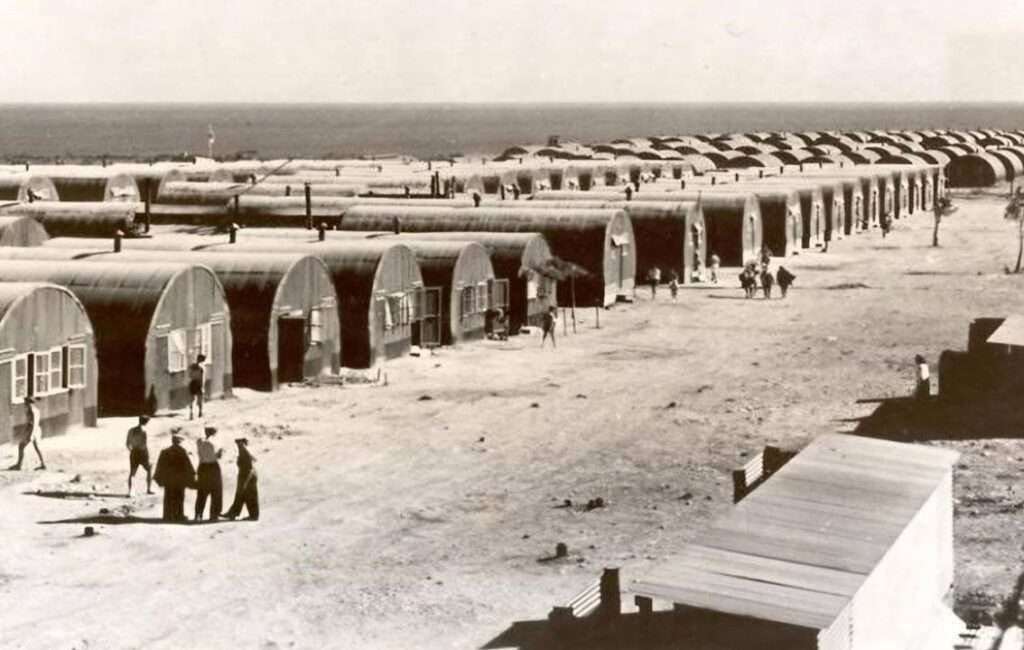
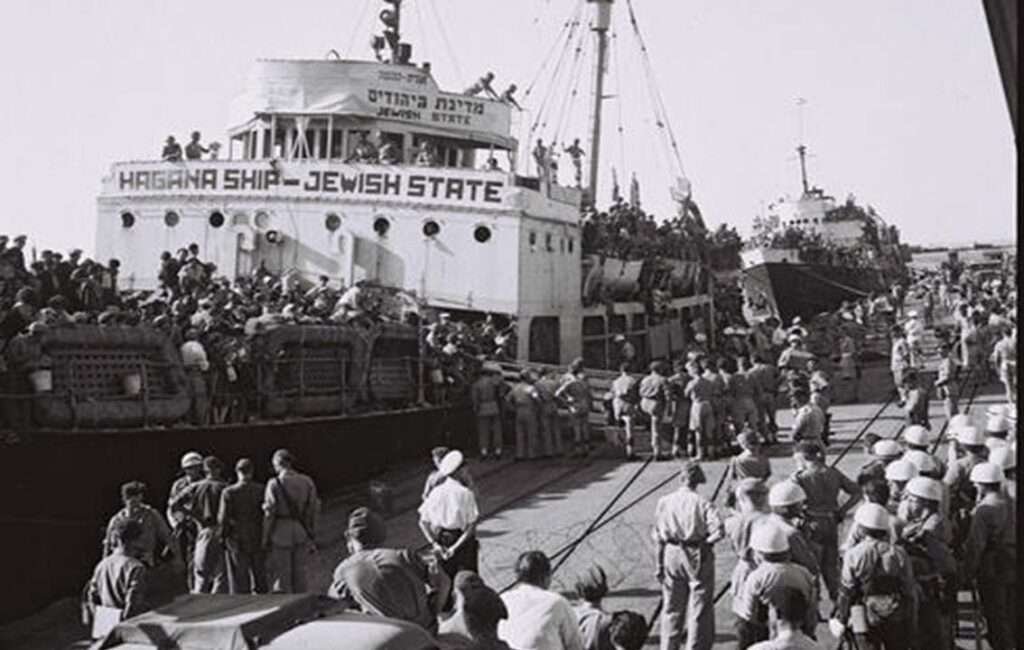
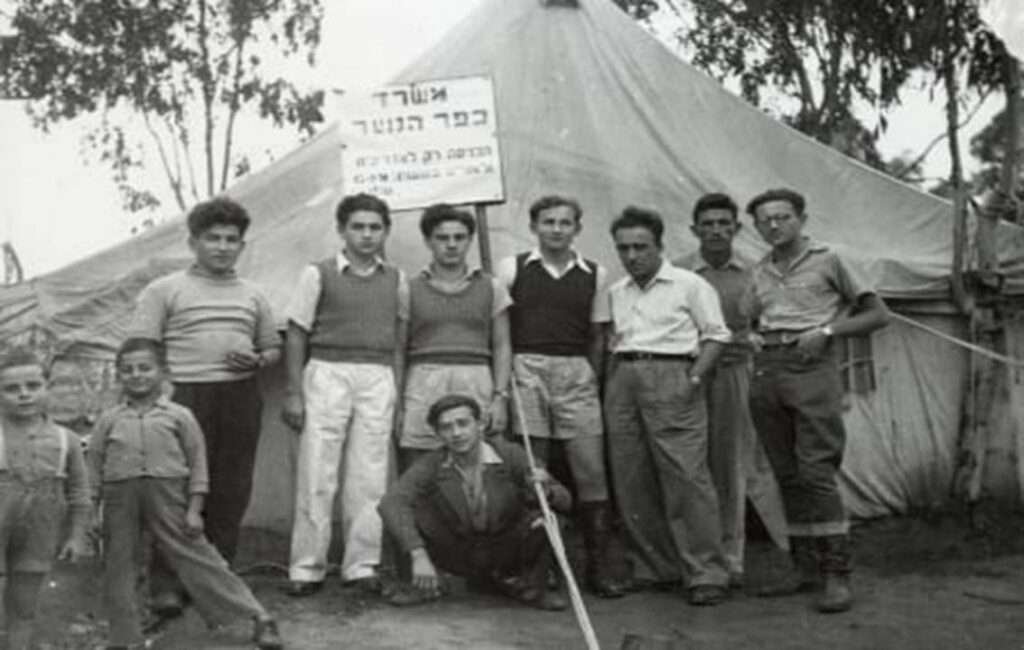
The British set up a naval blockade that intercepted nearly all ships heading for the region between August 1946 and May 1948. These ships were forced to dock in nearby Cypriot ports. Jewish refugees, numbering approximately 70,000 at their height, were then interned in detention camps that were set up by the British across the island. Five summer camps, mainly consisting of tents, and seven winter camps, largely made up of tin huts, were eventually established. These were located at Karaolos and Dhekelia, in the Famagusta district to the east of the island. The majority of the orphaned children were all placed together in one particular camp that became known as the youth village.
SURROUNDED BY BARBED WIRE
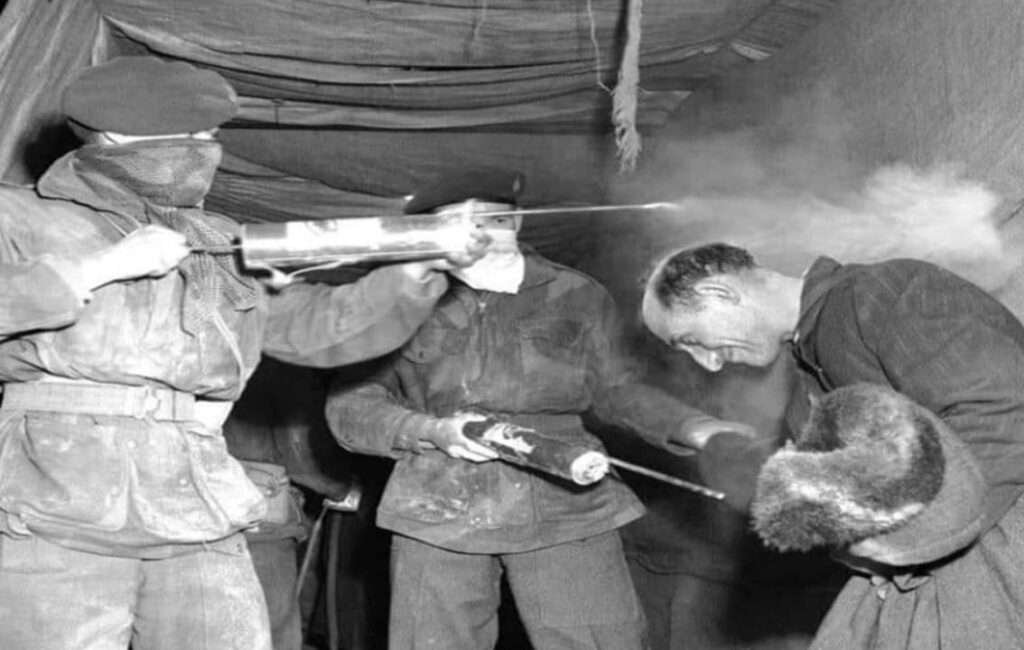
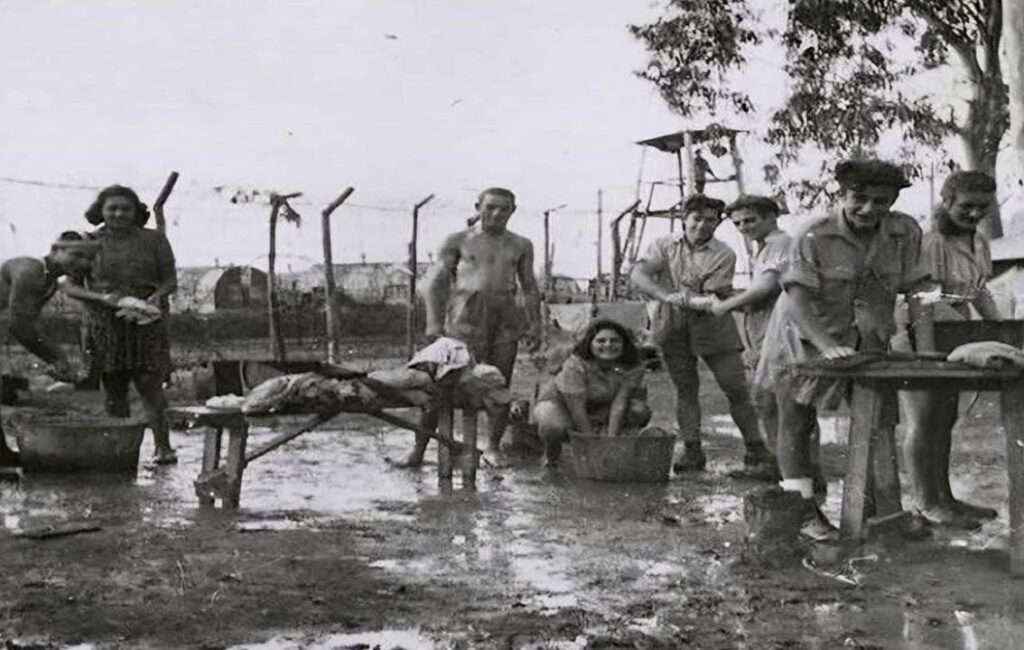
Several of these holocaust survivors now found themselves subjected to quite an ironic form of detention across Cyprus. British authorities used their armed forces to run these camps in accordance with the military standards of the time. This often led to comparisons between the British regime and the Nazi regimes. All of the camps were surrounded by barbed wire, and they maintained a constant guard using watch towers. With little furniture, no electric lighting, poor sanitary conditions, limited access to water, and bad food, conditions were generally considered harsh.
A STRUCTURED JOINT MOVEMENT
The British handling of the situation and the sight of Jewish Holocaust survivors once again being held in detention centres behind barbed wire invoked widespread criticism at the time. This also created a form of solidarity amongst the detainees. Despite diverse political movements, their experience of living in camps would serve to strengthen their resolve to reach Palestine and establish the new state of Israel. In light of this, they managed to establish a structured joint movement. This both represented their needs and their future demands from British authorities.
WIDESPREAD CRITICISM
It soon became apparent that the British policy of detention in Cyprus did not have the desired effect. It did not deter this new Jewish movement, and as more and more people arrived, space became a premium. The British decision to send the refugee ship Exodus back to Europe in July 1947, instead of detaining its passengers, represented an admission of the failure of what became known as the Cyprus deterrent.
THE JEWISH CEMETERY IN CYPRUS
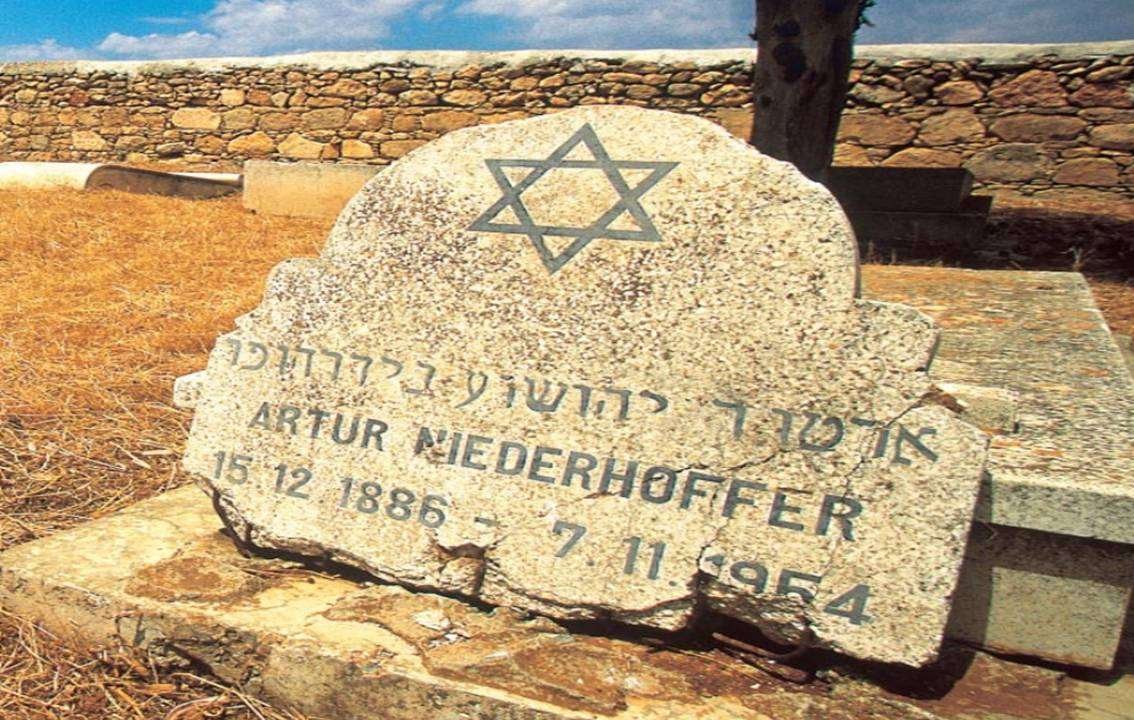
Over one hundred Jewish refugees died during their internment on the island. They were buried in the Jewish Margoa cemetery, which was founded in 1892 by the Jewish Colonisation Association. Originally serving as a burial site for rural Jewish farmers who had previously settled in Cyprus, this cemetery is located in the rural area of the village of Margo, near Nicosia. Although the bodies were exhumed in 1970 for re-internment in Israel, the cemetery, along with the neighbouring Ahavat-Tzion farm, remains a site of historical value. Up to 2200 babies were also born to Jewish families during their internment. Most of these births took place in the Jewish wing of the British military hospital in Nicosia.
THE JEWISH RESOLVE
The resolve of the Jewish people eventually saw the creation of the state of Israel in May 1948. All detainees were allowed to make their way to the new homeland after all detention camps in Cyprus ceased in operation.
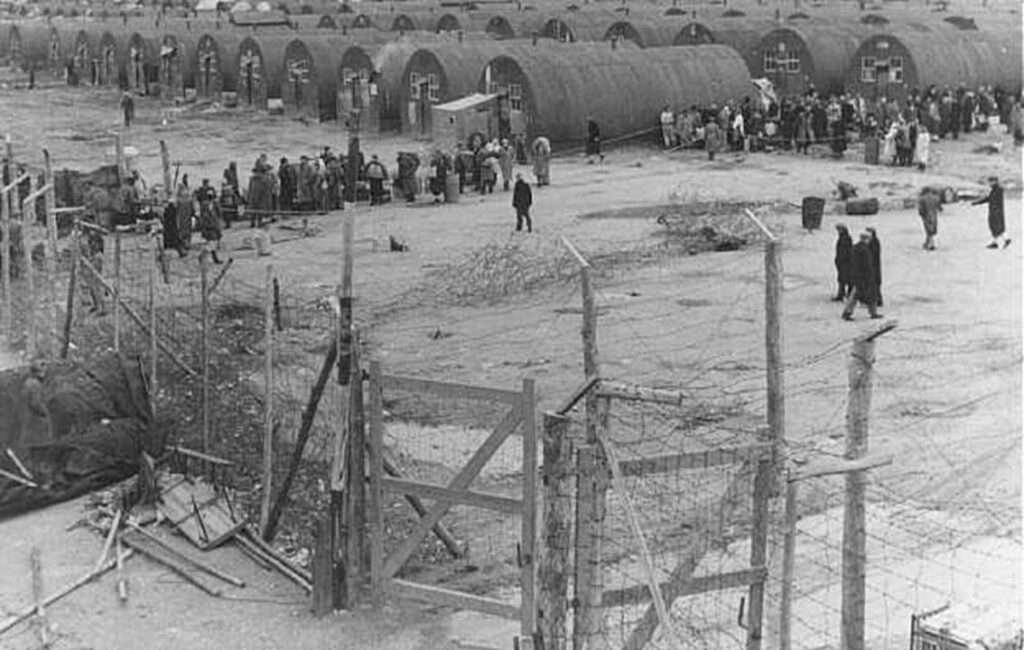
THE KEY ASPECTS OF THE CYPRUS INTERNMENT CAMPS
Between August 1946 and February 1949, the British government interned up to 70,000 Jewish refugees. The majority of these people were mostly Holocaust survivors who were intercepted while attempting to resettle in Palestine. Enforced by the 1939 White Paper quota restrictions, the British had deemed this migration, which became known as Ha’apala, illegal.
- Up to 70,000 Jewish refugees were detained and then held in 12 detention camps in Cyprus over three consecutive years.
- All camps were divided into summer and winter locations.
- Most of the interned Jewish refugees were Holocaust survivors.
- Conditions in the camps were often harsh, with inhabitants often living in tents or tin huts.
- The American Joint Distribution Committee often provided aid, and all detainees were offered the opportunity to engage in education, vocational training, and several cultural activities.
- Each camp that was guarded by the British army had a vibrant community life.
- Up to 2,200 children were born in camps over their three-year period of operation.
- The Cypriot people showed solidarity with the Jewish detainees and often picketed for their release.
- All camps were closed by February 1949 after the state of Israel was created.