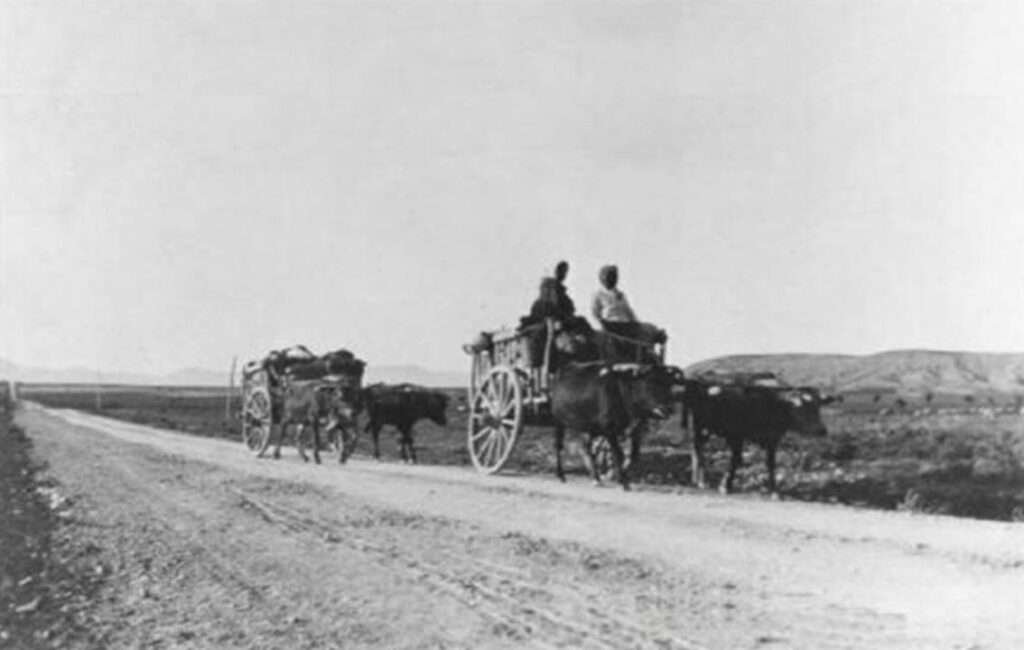
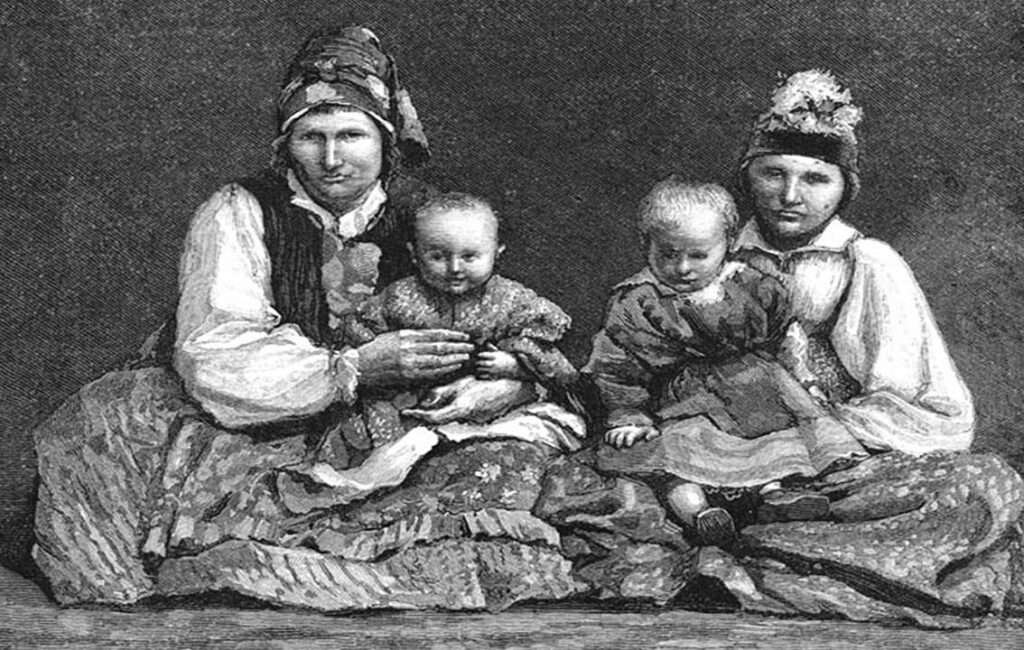
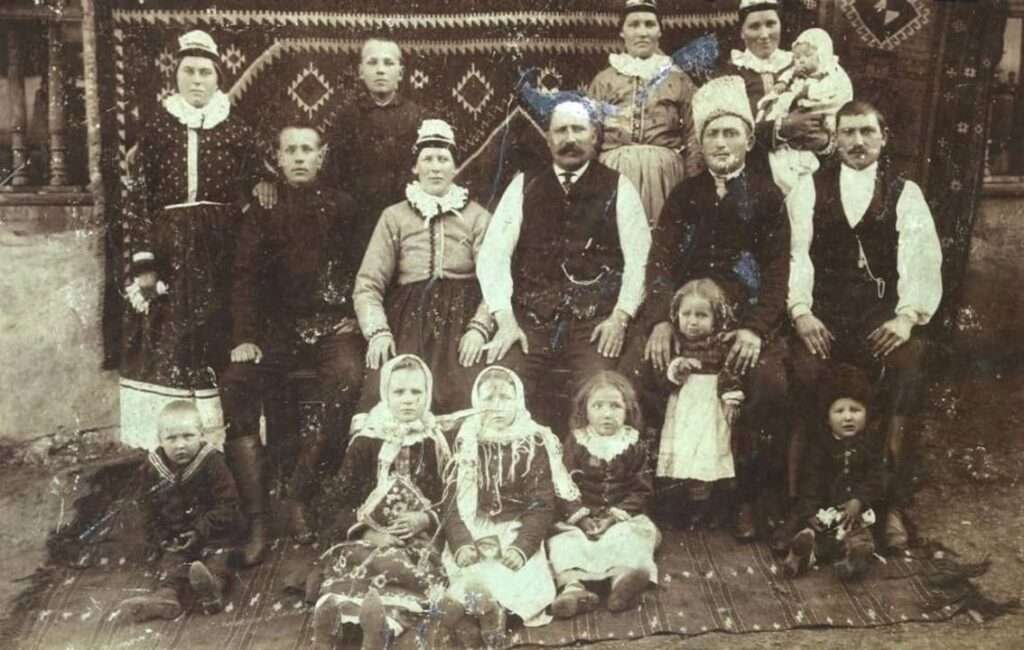
The schism of the Russian Orthodox Church during the 17th century caused some Russians to distance themselves from traditional Orthodoxy. These small groups of people later formed small like-minded groups. The pioneers of these larger movements were often referred to as ‘The Old Believers’. As these groups adapted, they later became known as groups of ‘Folk-Protestantism’, and later ‘Spiritual Christianity’.
AN ETHNO-CONFESSIONAL GROUP
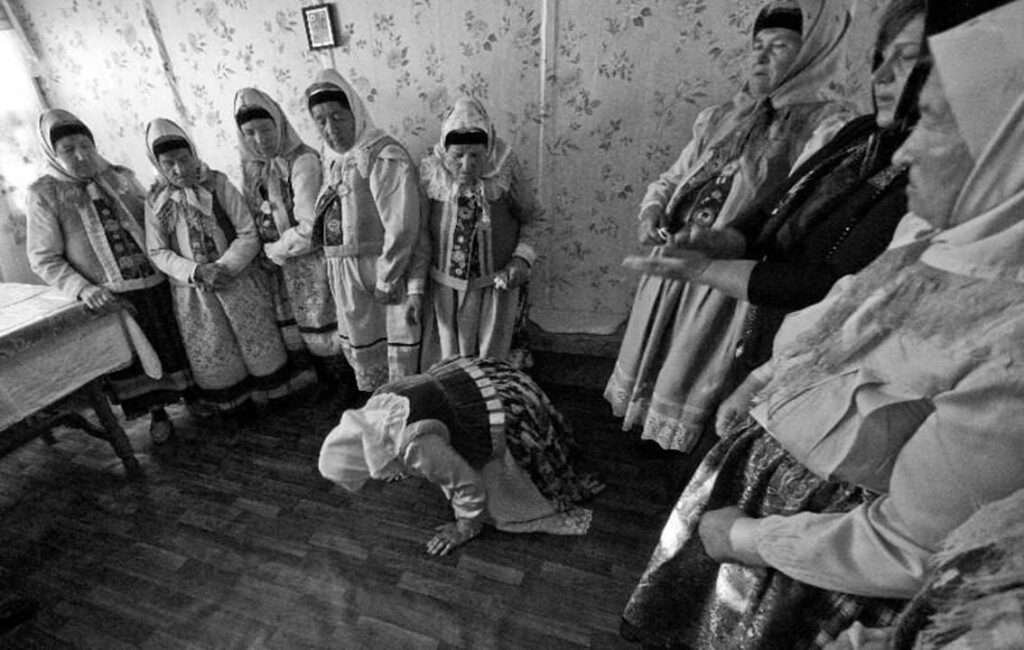
One of these groups was known as the Doukhobors. This ethno-confessional group formed their religious platform by drawing inspiration from Quakerism, Gnosticism, and Freemasonry. All of these influences shaped their emphasis on inner spirituality and direct communion with the divine. The Russian Orthodox Church later considered this particular religious sect to be heretical. This came after they became a symbol of resistance to Russian Orthodox Church reforms, rejecting the external rituals of Orthodoxy in the process. Another key characteristic was their fundamental pacifism. They categorically refused to serve in the Russian Imperial Army, take up arms, or participate in any military actions because of this. The Tsarist government, along with the church, pursued a policy of ongoing persecution because of this.
A LONG-LASTING, BUT MOSTLY FORGOTTEN LEGACY
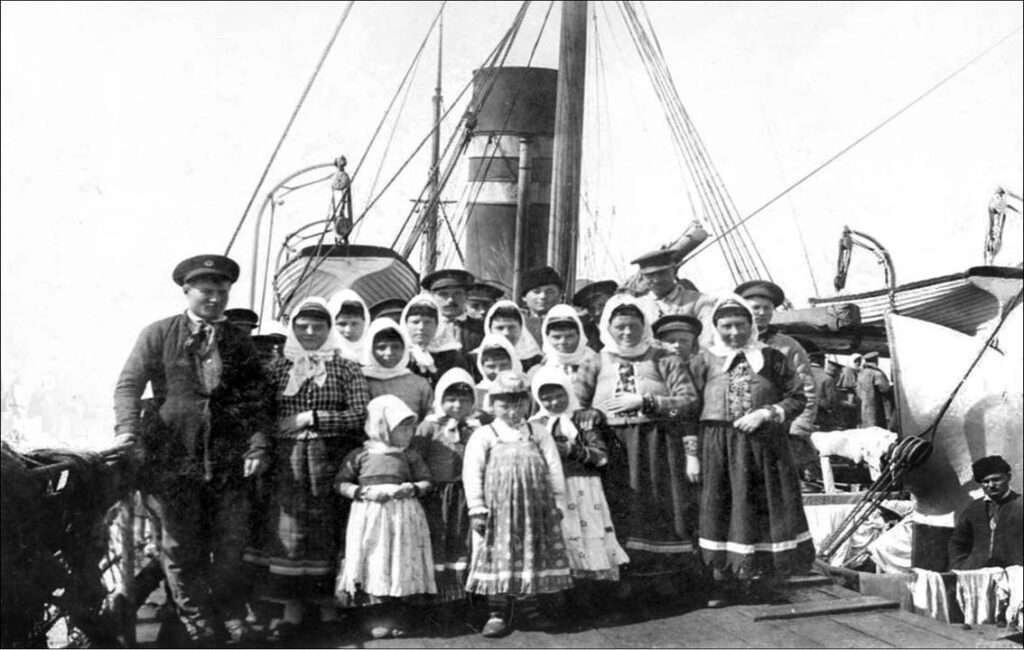
At the end of the 19th century, just over 1,000 Russian Doukhobors landed at the port of Larnaca. The Russian dissenters arrived on August 26th, 1898, with the intention of settling on the island. They had travelled to Cyprus on the French steamship Le Douro, which was chartered from Georgia in Russia. This came after an agreement was brokered between representatives of the Russian Doukhobor community, British Quakers and the British Government. Although their stay in Cyprus was brief and remains mainly forgotten, it did create a long-lasting, but mostly forgotten legacy.
THREE FARMING HOMESTEADS IN CYPRUS
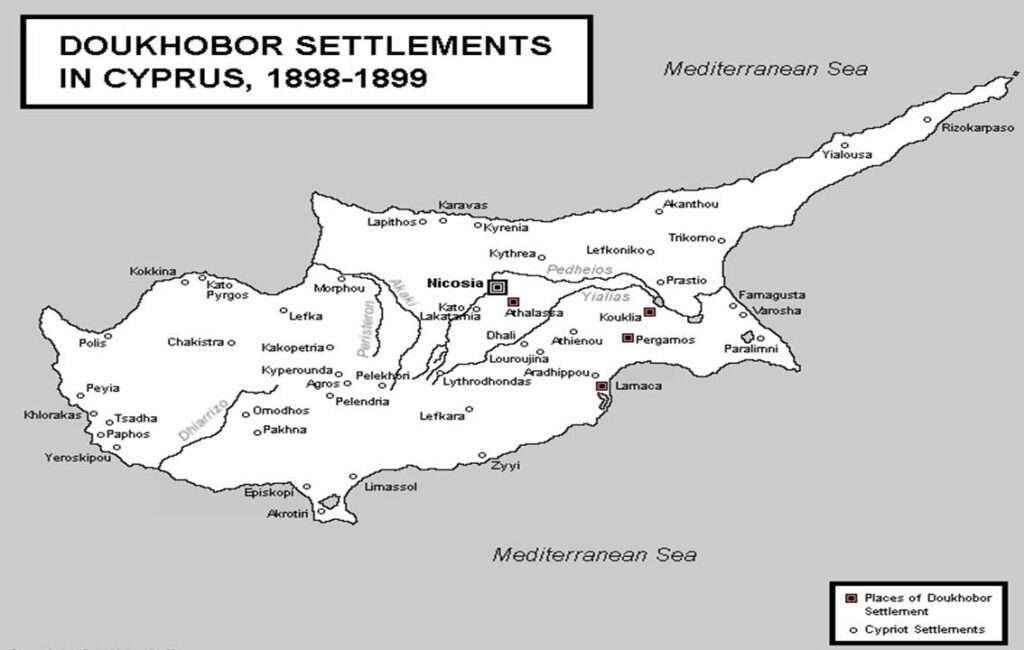
After completing a period of quarantine, the Doukhobors went on to rent three major sites from British colonial authorities at the time. They intended to create farming homesteads on all three sites. Just over 560 Doukhobors settled on a 1,334-acre site within the Nicosia area. This homestead was the largest by comparison and was named Efremovka by the Doukhobors. Today, this area is known as Athalassa and forms one of the suburbs of Nicosia. Just over 460 Doukhobors headed east, settling on a 106-acre site in Pergamos, in the Famagusta area. A smaller group of just over 100 Doukhobors headed west, settling a 129-acre site in Kouklia, Paphos.
HUNGER, DISEASE & EXHAUSTION
Although their resettlement initially proved fruitful, they soon ran into devastating problems. Despite having access to fresh water and fertile land, the Doukhobor farmers did not adapt very well to the Cypriot subtropical climate. As a result, several settlers eventually succumbed to hunger, disease and exhaustion. Within nine months of their resettlement, and after several deaths, the majority of Doukhobors departed Cyprus. A total of 108 of them had perished by this time. By April 1899, with the help of English Quakers, the necessary funds were raised for the resettlement of the remaining Doukhobors to Canada. Today, there is no trace of these people’s presence in Athalassa and Kouklia, but before leaving Pergamos, they erected a memorial stone to honour the lost souls of the Doukhobors of Cyprus.