ELEVEN BASTIONS & THREE GATES
THE ORIGINAL WALLS OF NICOSIA
Although widely known as the Venetian walls of Nicosia, it was the Franks who originally built a castle surrounded by walls around the old city of Nicosia. This is mainly because the Franks embarked on a major building program throughout Nicosia after the city became their administrative centre during the early part of their rule. Evidence of this can be seen in plain sight all over the city today, and their tenure, in light of this, is intertwined with the overall HISTORY OF NICOSIA.
THE NICOSIA CASTLE
Although it has not survived, the main testament to Frankish rule in Nicosia was the Nicosia Castle that was built in 1211. Fortifications, which included surrounding the entire city, were later added. These walls also protected the grand King’s palace that was flanked by a series of smaller palaces and both the main Orthodox and Latin churches. These original walls form the basis of the Venetian walls that surround the old city today.
RE-FORTIFIED BY VENETIANS
The Venetians, after taking control of the island in 1489, were quick to identify the Ottoman threat to Cyprus. Their response was swift, and they immediately began fortifying all of the major cities across the island. Although they re-fortified the old Frankish walls of Nicosia, by the mid 16th century, they were largely obsolete and no longer relevant by conventional standards.
RE-DESIGNED FOR ARTILARY
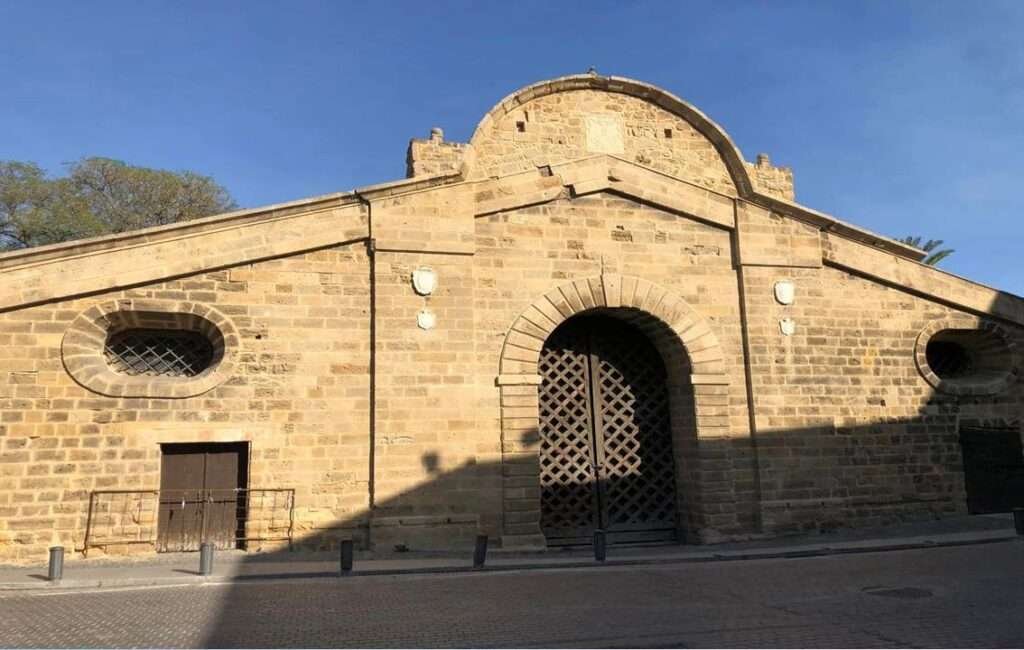
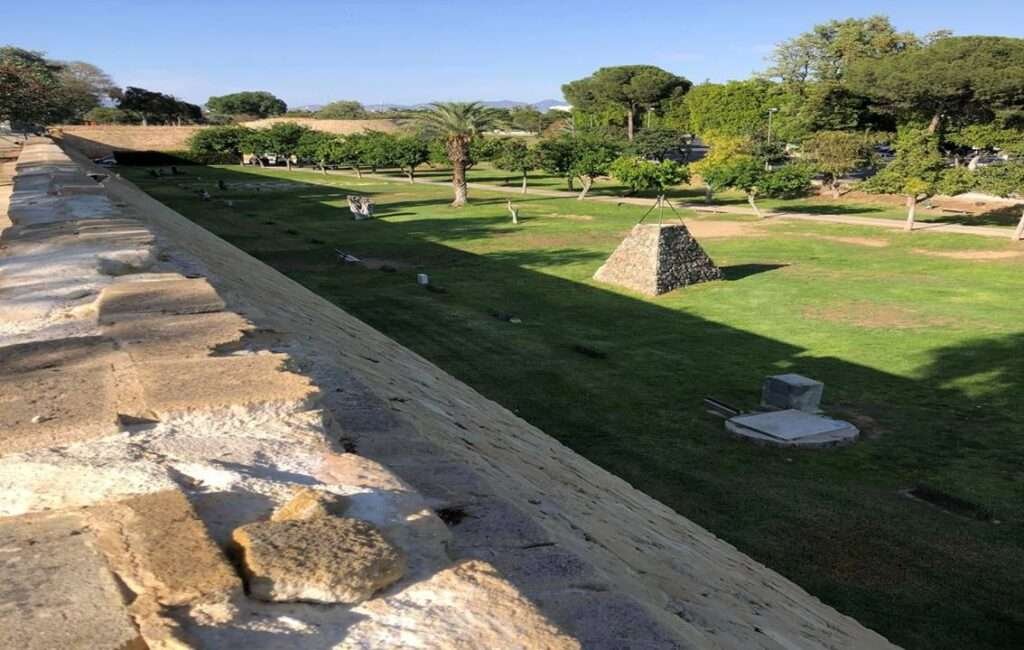
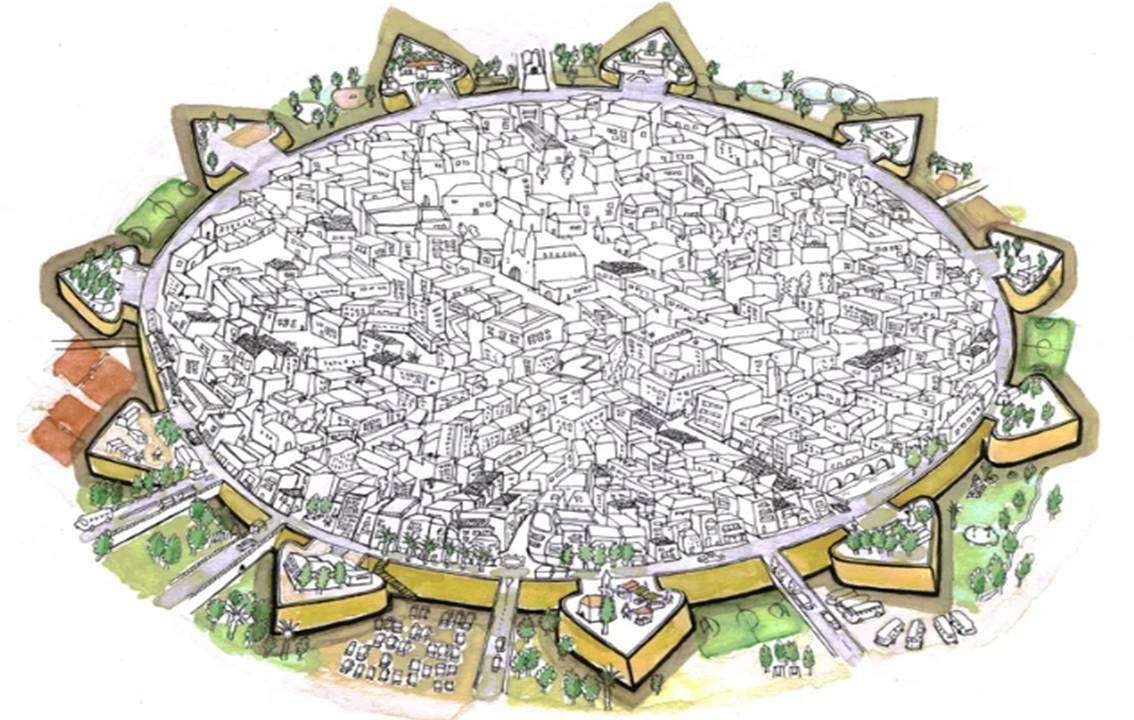
Venetian architects were charged with designing and then building new walls more suitable for artillery. They chose a design that took the shape of an eleven-pointed star and three main gates. Each star has a separate bastion, and the three gates are named after the region that they face. Kyrenia Gate faces north, whilst the Paphos Gate faces west. The Famagusta Gate faces east. The river Pedieos, which once flowed through the old walled city, was diverted for strategic reasons. This created a moat outside the new walls.
A CITY UNDER SEIGE
The Ottomans, after invading the island in July 1570, laid siege to the City of Nicosia. Although the walls stood firm, the city would eventually fall on September 9th of the same year. The city was then sacked, and every church, public building, and palace was looted. Up to 20,000 Cypriot defenders were put to death in the shadow of the walls. As word of the massacre spread, it paved the way for the Ottomans to take the City of Kyrenia a few days later without firing a single shot.
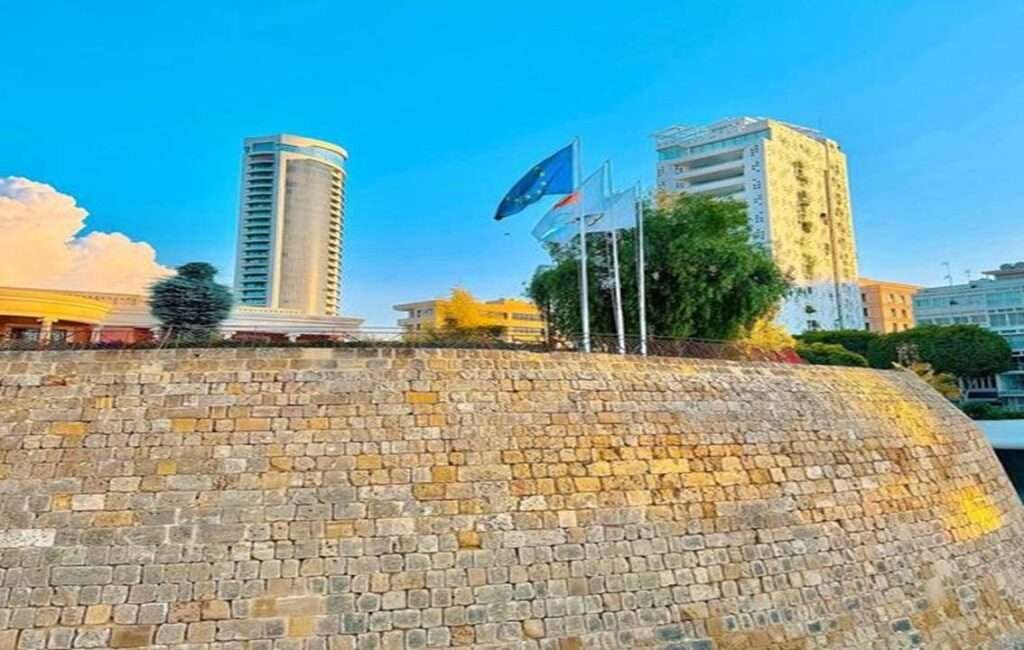
THE VENETIAN WALLS OF NICOSIA
After the Republic of Venice took control of Cyprus in 1489, the threat of the emerging expansionist Ottoman Empire in the east forced it to immediately fortify the whole island. In light of this, defensive fortifications were installed in all of the major cities across the island, and several Greek Cypriots were drafted into the Venetian defensive force that policed the island.
AN ITALIAN DESIGN
The Venetian administrative centre in Nicosia already had medieval fortifications. These came in the form of city walls that were previously built by the Franks. These, however, were later deemed inadequate, and by the mid 16th century, the renowned Italian military architectural engineers Giulio Savorgnan and Francesco Barbaro had set about designing new fortifications for the old city centre.
AN EFFECTIVE DEFENCE AGAINST ARTILLARY
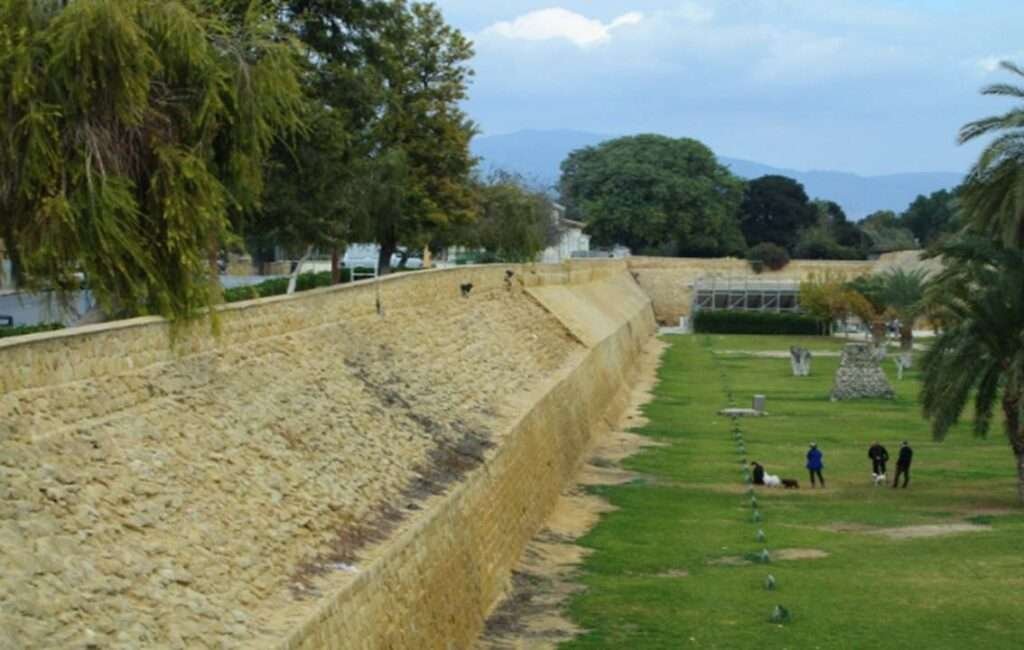
By 1567, sections of the old walls were demolished to make way for a series of new modern defensive structures. Several buildings, including houses, churches, and palaces, were demolished to make way for these new defences. New walls were then built to connect a series of bastions that would surround the old city. Resembling a circular star shape, these walls were not only an effective defence against artillery, but could also accommodate it. A new moat, encircling the new walls, was also introduced, and the Pedieos River was diverted outside the city to fill the new moat.
THE SEIGE OF NICOSIA
Ottoman troops under Piali Pasha invaded Cyprus on July 1st, 1570. After taking swaths of land, Ottoman forces reached the city of Nicosia just a few weeks later. The siege of Nicosia began on July 22nd, after Ottoman troops surrounded the city. The Ottomans would eventually breach the wall at Podocattaro Bastion on September 9th. Nicosia’s defenders were promptly put to the sword after the siege fell. Most of the population of the city, which numbered approximately 20,000, were also systematically massacred. Any remaining inhabitants were then sold into slavery. 1,000 or so survivors were allowed to remain in the city to serve the Ottomans that then garrisoned the city.
A BRITISH RESURGENCE
The city’s steady decline thereafter was mirrored by the state of its walls, which remained breached and decayed by the early 17th century. The city then began to experience a revival under British administration when the British took control of Cyprus in 1878. This is when several repairs were made, and new openings within the walls were created to facilitate access to the surrounding area. Standing as a symbol of the city’s rich history and strategic significance, the star-shaped walls of Nicosia today are a major tourist attraction.